





Email: sales3@zhefanjewelry.com
10 Expert Secrets to Silver Jewelry Repair and Restoration Services: The 2026 Master Guide
Discover the 2026 master guide to silver jewelry repair and restoration. From laser welding technology to cost-analysis and antique preservation, learn the 10 expert secrets that define modern silver care.
- Quick Summary: The State of Silver Restoration in 2026
- What Are Silver Jewelry Repair and Restoration Services?
- Secret #1: The Heat Conductivity Trap (Torch vs. Laser)
- Secret #2: Rhodium Plating is the Invisible Shield
- Secret #3: Preserving the 'Good' Tarnish (Patina)
- Secret #4: Structural Integrity of Hollow Rope Chains
- Secret #5: The Hidden Risks of Resizing Silver Rings
- Secret #6: Rebuilding Prongs Without Unsetting Stones
- Secret #7: The Silver Plate vs. Sterling Verdict
- Secret #8: Casting New Parts for Missing Components
- Secret #9: Professional Stain Removal (Oxidation Management)
- Secret #10: Cost-to-Value Transparency
- Conclusion
- FAQ
- How much does it typically cost to repair a silver chain?
- Can silver plated jewelry be restored?
- Does soldering silver leave a visible mark?
- What is the difference between silver repair and restoration?
- How long does professional silver jewelry repair take?
- Can you resize a sterling silver ring with gemstones?
- Is it worth repairing broken silver jewelry?
- How do professionals remove stubborn tarnish from silver?
Quick Summary: The State of Silver Restoration in 2026
Silver restoration has evolved from simple polishing to high-tech precision engineering. In 2026, the industry combines ancient metalsmithing with advanced photonics to preserve heirlooms that were previously deemed irreparable. Understanding the specific thermal properties of silver is now the baseline for any credible service provider.
- Key Takeaways: Modern technology like laser welding meets ancient craft.
- Heat Management: Why silver requires different heat management than gold due to rapid thermal transfer.
- Sustainability: The rise of eco-friendly restoration practices.
- Immediate Checklist: Knowing exactly when to repair vs. when to recycle your items.
What Are Silver Jewelry Repair and Restoration Services?
Silver jewelry repair and restoration services encompass professional technical interventions to fix structural damage (breaks, sizing) and aesthetic revitalization (polishing, replating) of sterling, fine, or vintage silver pieces. Unlike basic cleaning, these services utilize advanced tools like laser welders to preserve metal integrity and gemstone safety. While a local repair shop might offer a "quick fix" solder, true restoration involves returning a piece to its original historical and physical state.
- Functional Repair: Fixes a broken clasp or chain link to make the item wearable.
- Full Restoration: Rebuilds worn metal, re-tips prongs, and revitalizes the finish.
- Assessment: Professional evaluation is critical to distinguish between .925 sterling silver and plated base metals.
Secret #1: The Heat Conductivity Trap (Torch vs. Laser)
Silver conducts heat faster than almost any other metal, making traditional torch soldering risky for intricate pieces. When a torch is applied to a silver ring, the heat spreads instantly throughout the entire band, potentially cracking sensitive stones like opal or turquoise.
To mitigate this, top-tier jewelers now rely on professional silver laser welding services. This technology uses a concentrated beam of light to melt the metal at a microscopic point without heating the surrounding area. According to technical data on Sterling Silver, the alloy's composition requires precise temperature control to avoid "firestain"—a reddish-purple blemish that appears when copper in the alloy oxidizes. Laser welding eliminates this risk entirely.
- The 2026 Standard: Using Laser Welding for pinpoint accuracy near gemstones.
- Expert Tip: Always ask your jeweler if they use a laser for filigree work.
- Why it Matters: It prevents the melting of fine details that torches often destroy.
Secret #2: Rhodium Plating is the Invisible Shield
Rhodium plating is the industry standard for creating a tarnish-resistant, bright white finish on silver jewelry. Many consumers are unaware that the "white gold" look of their silver jewelry is actually a thin layer of Rhodium, a platinum-group metal.
Using rhodium plating for tarnished silver not only restores the shine but acts as a sacrificial barrier against sulfur in the air, which causes oxidation. While purists may prefer the warm glow of bare silver, Rhodium is essential for modern, low-maintenance wear.
- Visual Appeal: Mimics the high-end look of white gold or platinum.
- Protection: significantly delays the onset of tarnish.
- Maintenance: Plating eventually wears off and requires re-application every 1-2 years.
Secret #3: Preserving the 'Good' Tarnish (Patina)
Not all tarnish is bad; "patina" is the desirable oxidation that gives vintage silver its depth and character. Aggressive over-cleaning is the number one destroyer of antique value. A skilled restorer knows to clean the high points while leaving the darkened recesses intact to highlight the design.
- Distinction: Ugly oxidation looks blotchy/yellow; patina looks dark/defined.
- Technique: Experts clean around blackened crevices manually rather than dipping the whole piece.
- Mistake to Avoid: Never dip vintage silver in harsh chemical baths that strip all color.
Secret #4: Structural Integrity of Hollow Rope Chains
Hollow rope chains are notoriously difficult to repair because the metal is paper-thin and collapses under heat. These chains are often manufactured as "disposable" fashion items, yet sentimental value often drives the need for repair.
Professional jewelers use a "wire stiffener" technique. They insert a solid sterling wire into the hollow core of the broken links before soldering. This provides an internal skeleton that supports the repair, ensuring the chain doesn't snap again at the same weak point.
- The Reality: Hollow chains are fragile; expect repairs to be visible.
- The Fix: Internal reinforcement is mandatory for a lasting bond.
- Alternative: Converting a broken necklace into a bracelet is often a better investment.
Secret #5: The Hidden Risks of Resizing Silver Rings
Resizing silver requires aggressive heat management to prevent "pitting" in the solder seams. Because silver solder flows at a temperature very close to the melting point of sterling silver itself, there is a narrow margin for error.
Furthermore, silver rings often feature soft, porous stones. As noted by industry safety guides from Jewelers of America, stones like pearl, coral, and turquoise are extremely sensitive to chemicals and heat. A professional will often submerge the stone in water or heat-shielding gel while working on the shank to prevent thermal shock.
- Heat Transfer: Silver moves heat to the stone 10x faster than gold.
- Pattern Matching: Ornate bands may show a visible interruption in the design after sizing.
- The Solution: Laser welding is preferred to prevent heat damage.
Secret #6: Rebuilding Prongs Without Unsetting Stones
Retipping silver prongs is a delicate operation that secures your gemstones without the cost of completely resetting them. Over time, silver prongs wear down flat, putting your gem at risk of falling out.
Advanced silver prong retipping and stone setting techniques allow jewelers to build up the metal directly on top of the stone using low-temperature solder or laser welding. This saves the labor cost of unsetting and resetting the stone, which risks chipping the gem.
- Technique: Using silver solder paste for precise application.
- Dry Rot: Checking for brittle metal in vintage settings.
- Safety: Ensures stones remain secure for daily wear.
Secret #7: The Silver Plate vs. Sterling Verdict
Distinguishing between solid sterling silver and silver-plated base metal is the single most important factor in determining repair viability. Sterling silver (.925) is an alloy valuable enough to repair; silver plate is a microscopic layer over copper, brass, or nickel.
When repairing silver plated vs sterling jewelry, the heat from a torch will often melt the underlying base metal of a plated piece before the silver solder flows, ruining the item. Experts use specific testing acids or magnetic tests (silver is non-magnetic) to verify the metal before touching it.
- Identification: Look for "925" or "Sterling" stamps; "EPNS" indicates Electro-Plated Nickel Silver (not solid).
- Cost Reality: Replating often costs more than the item's retail value.
- Solution: Electro-cleaning can sometimes brighten plated items without heat.
Secret #8: Casting New Parts for Missing Components
Modern restoration involves 3D scanning and CAD technology to recreate lost earrings or intricate links. If you have one earring left of a vintage pair, a jeweler can scan the survivor, create a mirror-image 3D model, and cast a replica in sterling silver.
- Process: 3D Scanning -> CAD Design -> Wax Printing -> Silver Casting.
- Custom Alloying: Jewelers can mix alloys to match the specific color of vintage silver.
- Mold Making: Silicone molds allow for duplication of antique clasps.
Secret #9: Professional Stain Removal (Oxidation Management)
Professional stain removal goes beyond baking soda; it utilizes electrolytic cleaning and magnetic tumblers. While DIY methods remove surface tarnish, they often leave micro-scratches. Professionals use magnetic tumblers with tiny steel pins that burnish the silver, hardening the surface while cleaning it.
According to Jewelers Mutual, proper cleaning also involves storing silver in anti-tarnish bags or cloth to slow oxidation. Professionals apply chemical inhibitors after cleaning to delay future tarnishing.
- Ultrasonic Cleaning: Removes debris but not tarnish.
- Magnetic Tumbling: Polishes intricate chains and filigree.
- Inhibitors: Chemical barriers applied as a final step.
Secret #10: Cost-to-Value Transparency
The cost of silver restoration is driven by labor time, not the material value of the silver itself. Customers are often surprised when the antique sterling silver restoration cost exceeds the scrap value of the metal. You are paying for the master jeweler's time and expertise, not the gram weight of the silver.
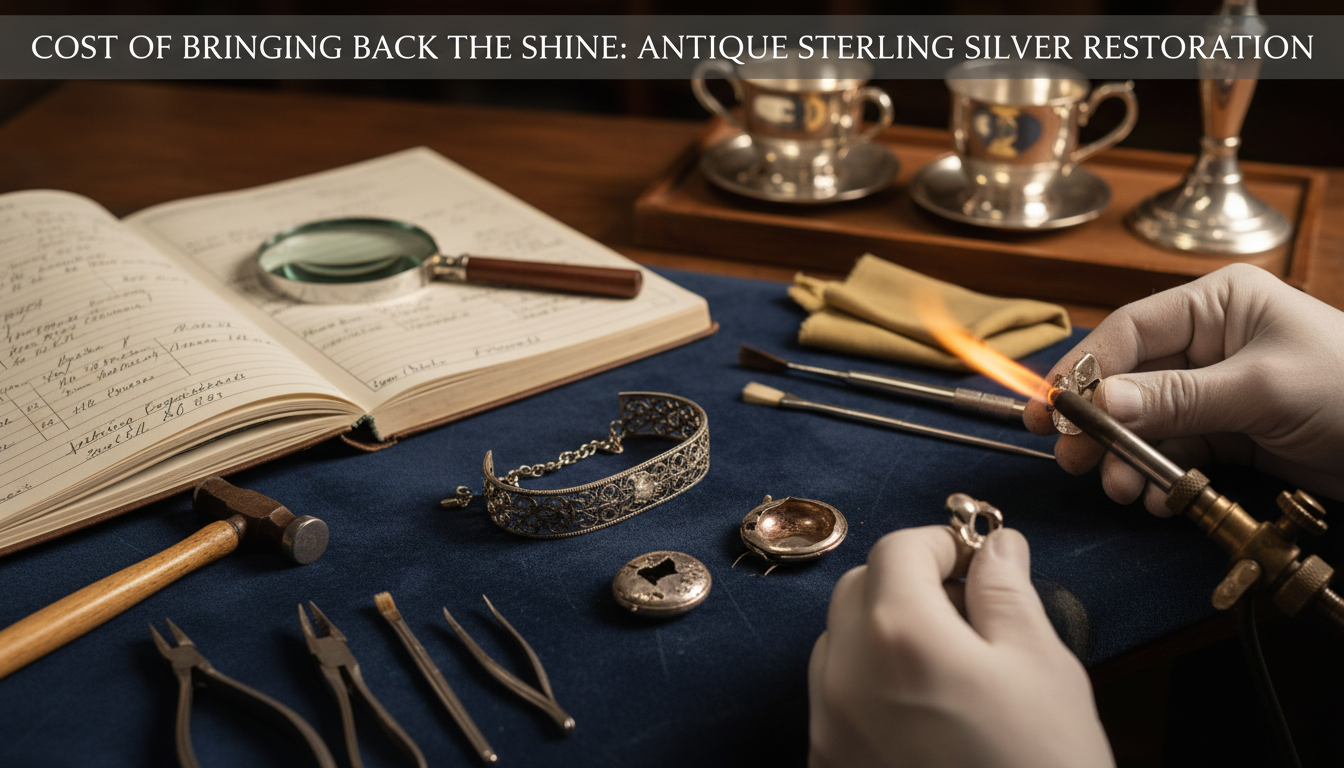
- Simple Solder: $30 - $50 for basic chain or ring repairs.
- Complex Restoration: $150+ for rebuilding prongs, deep polishing, and plating.
- The Sentimental Surcharge: Emotional value often justifies the investment, even if the market value does not.
Conclusion
Successful silver jewelry restoration in 2026 requires a blend of traditional craftsmanship and modern laser technology. From understanding the nuances of heat conductivity to choosing between repair and replacement for plated items, these 10 secrets ensure your treasures remain wearable for generations. Whether it's a simple resize or a complex reconstruction, always seek a certified professional who values the integrity of your piece as much as you do.
Contact our Master Jewelers today for a free assessment of your silver treasures.
FAQ
How much does it typically cost to repair a silver chain?
Simple soldering for a silver chain usually ranges from $25 to $45. However, complex weaves like rope or box chains may cost more due to the difficulty of hiding the repair. If the chain requires Rhodium plating to match a bright white finish, this will add to the final cost.
Can silver plated jewelry be restored?
Yes, silver plated jewelry can be restored, but it requires stripping and replating the entire piece, not just polishing. Ideally, the cost of replating should be weighed against the replacement cost, as it often exceeds the item's value. Many jewelers decline plated repairs due to the unpredictable nature of the underlying base metals.
Does soldering silver leave a visible mark?
Yes, silver solder often has a slightly different color or luster than sterling silver, which can leave a faint visible seam. Professional polishers work to minimize this visibility, and plating over the repair with Rhodium can hide the seam completely.
What is the difference between silver repair and restoration?
Repair focuses on fixing immediate functionality, such as a broken clasp or a snapped post. Restoration involves returning the piece to its original aesthetic state, which may include rebuilding worn metal, removing deep scratches, and re-applying antique patina. Restoration is generally more time-intensive and costly.
How long does professional silver jewelry repair take?
Simple repairs like a ring resize or chain solder typically take 3-7 days. Complex restorations requiring parts sourcing, casting, or extensive rebuilding can take 2-4 weeks. Timelines depend heavily on the workshop's current volume and the complexity of the job.
Can you resize a sterling silver ring with gemstones?
Yes, but heat protection is vital for sensitive stones like Opal, Pearl, or Turquoise. Laser welding is the preferred method to prevent heat damage to these gems. In some cases, stones may need to be removed and reset to ensure their safety during the sizing process.
Is it worth repairing broken silver jewelry?
Financially, it is only worth it if the repair cost is less than the item's replacement value. However, sentimentally, it is always worth it if the piece is a cherished heirloom. Vintage pieces often hold historical or artistic value that exceeds the raw scrap silver price.
How do professionals remove stubborn tarnish from silver?
Professionals use electrolytic cleaning machines and heavy-duty polishing compounds (Rouge) to remove stubborn tarnish. They may also use ultrasonic baths to vibrate debris out of crevices before the final high-polish finish is applied.
Tags
brass necklaces wholesale
brass necklaces wholesale
women's 925 sterling silver bracelets
women's 925 sterling silver bracelets
silver bracelets 925
silver bracelets 925
certified 925 sterling silver sets supplier
certified 925 sterling silver sets supplier
men's 925 sterling silver bracelets
men's 925 sterling silver bracelets
sustainable 925 sterling silver jewelry supplier
sustainable 925 sterling silver jewelry supplier
Recommended for you
Custom brass rings for crafts Manufacturers and Suppliers
Why choose Zhefan Jewelry as your stainless steel ring jewelry supplier
Top 10 brass earrings hoops Manufacturers and Supplier Brands in China
Why choose Zhefan Jewelry as your mens brass rings supplier
Prdoucts Categories
Question you may concern
Products
Do you offer free sample for quality check?
Sample order is welcome, but sample fee need to be paid. It will be deducted when you place an bulk order.
What's themonthly production capacity?
600,000 pcs per month.
What is your minimum order quantity?
We offer low MOQ from 2 to 30 depending on models. Send your favor model to get details from Trade Manager.
FAQs
Do you offer after-sales warranty service?
Yes, we will refund or resend products if fading, stone falling off and other quality problems found in 1 month receipt of goods.Furthermore, we offer 1 year after-sales warranty service, but you need pay the shipping charge.
How long does it take for the product to fade?
The normal electroplating quality color retention time of our products is 5 times longer than the market, and the thicker electroplating can retain color for three years.
You may also like
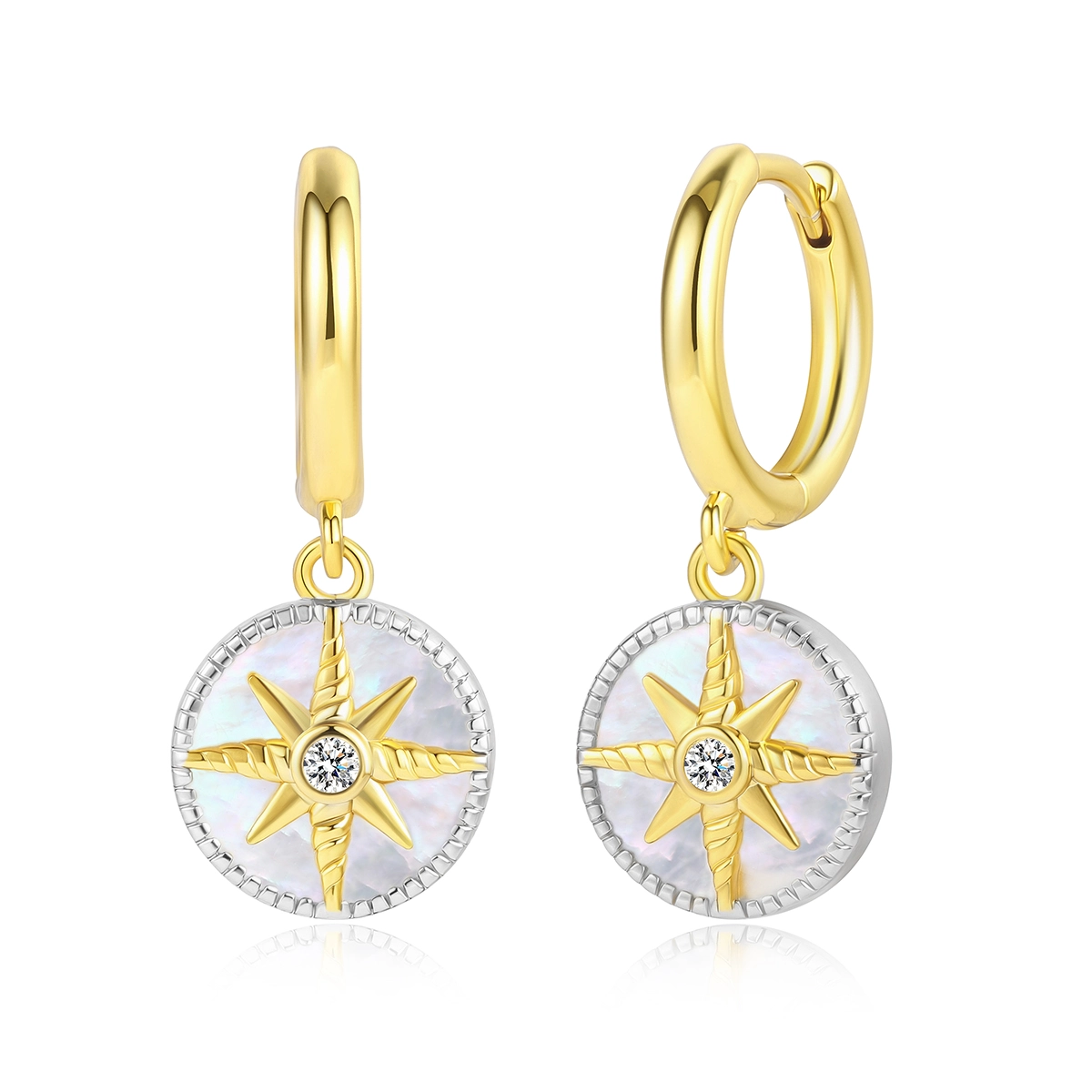
Brass Jewelry
Brass Mother of Pearl Compass Huggie Drop Earrings | 14K 18K Gold Plated Hypoallergenic Jewelry
Read More
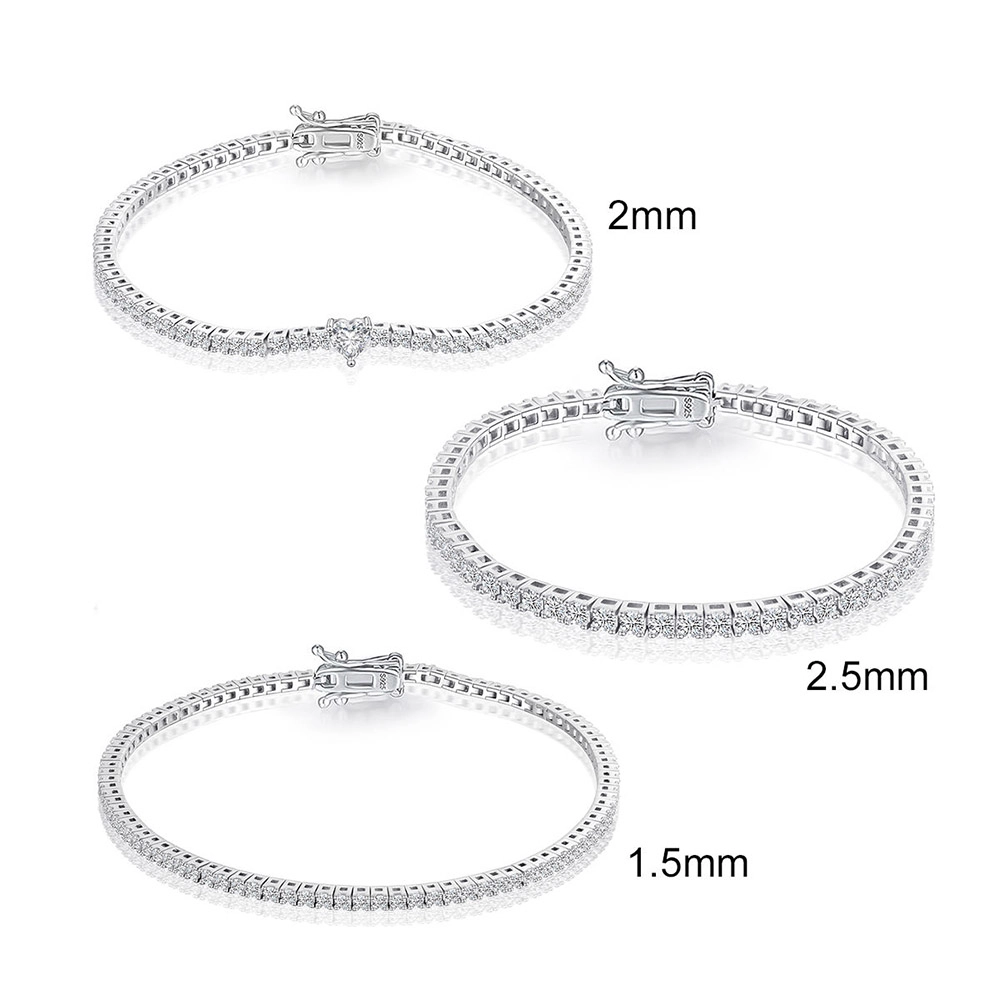
925 Silver Jewelry
Customizable High-Quality Fashion 925 Sterling Silver AAA Cubic Zirconia Heart-Shaped Open Tennis Bracelet.
Read More
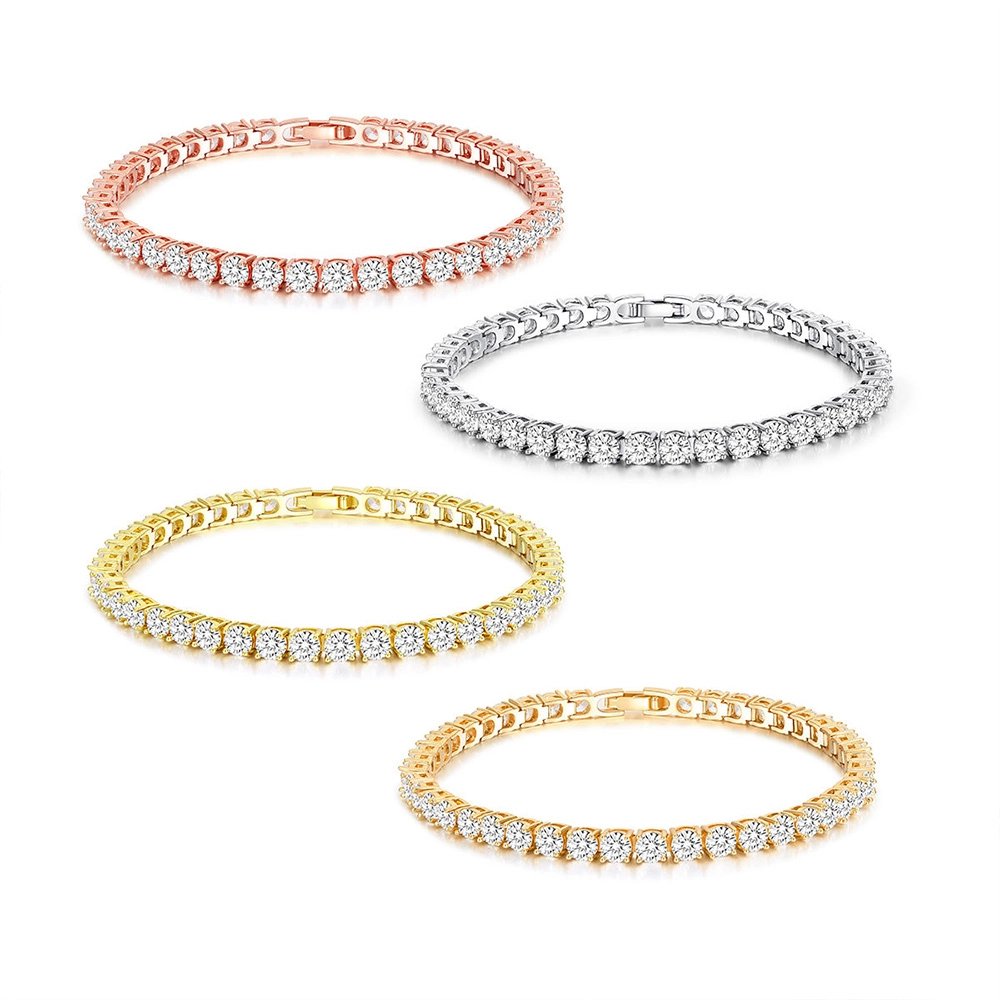
Brass Jewelry
Customizable OEM ODM High-Quality Fashion Brass AAA Cubic Zirconia Classic Tennis Bracelet for Women Wholesale.
Read More
Get a Quote for Private Label Jewelry
We provide personalized jewelry customization services for clients worldwide.
Rest assured that your privacy is important to us, and all information provided will be handled with the utmost confidentiality.
By clicking 'Send Inquiry Now' I agree to ZHEFAN JEWELRY processing my personal data.
To see how to withdraw your consent, how to control your personal data and how we process it, please see our Privacy Policy and Terms of use.
From design to production, ZHEFAN JEWELRY offers a one-stop solution to help you enhance your brand value and market competitiveness.
Get A Quote
Contact
Tel: (+86) 188 1927 7817
© 2026 Zhefan Jewelry. All Rights Reserved.
Facebook
Instagram
YouTube
Whatsapp: +8618819277817