





Email: sales3@zhefanjewelry.com
10 Costly Mistakes to Avoid with 925 Silver Wholesale Minimum Order Quantities in 2026
A comprehensive 2026 guide for jewelry retailers on avoiding costly minimum order quantity (MOQ) mistakes when purchasing 925 silver wholesale, featuring expert negotiation tips and market forecasts.
- What is a 925 Silver Wholesale Minimum Order?
- Quick Summary: Key Takeaways for Bulk Silver Sourcing
- Mistake 1: Confusing 'Total Order' with 'Per Design' Minimums
- Mistake 2: Falling for the Low-MOQ Quality Trap
- Mistake 3: Ignoring Custom vs. In-Stock Differences
- Mistake 4: Sacrificing Cash Flow for Bulk Discounts
- Mistake 5: Forgetting to Negotiate Tiered Pricing
- Mistake 6: Overlooking Hidden Surcharges on Small Orders
- Mistake 7: Disregarding Hallmarking and Testing Fees
- Mistake 8: Missing Seasonal Sourcing Windows
- Mistake 9: Failing to Build Supplier Relationships
- Mistake 10: Putting All Your Inventory in One Basket
- Expert Tips: 2026 Market Trends and Overcoming Constraints
- Conclusion
- What is the standard wholesale MOQ for 925 sterling silver jewelry?
- How can I negotiate a lower minimum order quantity with a silver supplier?
- Can I buy 925 silver wholesale without a minimum order?
- Does a higher MOQ guarantee better quality silver?
- What is the difference between total order MOQ and per-design MOQ?
- Is it better to source from Thailand or China for lower silver MOQs?
- What happens if I cannot meet the manufacturer's MOQ requirement?
- How do wholesale MOQs affect retail pricing strategies?
Finding a reliable sterling silver wholesale supplier is one of the most critical steps for any growing jewelry brand. In 2026, the global jewelry market is more competitive than ever, and managing your supply chain effectively can make or break your profit margins. A major hurdle for both new and established retailers is navigating the complex world of minimum order quantities (MOQs). While bulk ordering can secure better pricing, misunderstanding factory minimums can lead to dead inventory, tied-up cash flow, and compromised product quality.
This comprehensive guide breaks down the ten most costly mistakes jewelry businesses make when dealing with 925 silver wholesale orders. By understanding how to properly structure your purchasing agreements and negotiate with manufacturers, you can protect your capital and ensure consistent, high-quality inventory for your customers.
What is a 925 Silver Wholesale Minimum Order?
A 925 silver wholesale minimum order quantity (MOQ) refers to the lowest number of units, or minimum dollar amount, a supplier requires a retailer to purchase in a single transaction to cover production costs and maintain profitability.
Understanding the 'Why' and 'How' behind these minimums is crucial. Factories set an MOQ to cover the fixed costs of production, such as creating casting molds, setting up machinery, and sourcing raw materials. When you place a bulk order, the manufacturer spreads these setup costs across a larger number of pieces, which allows them to offer you a lower per-unit price.
Here are the primary factors that dictate a supplier's MOQ:
- Raw Material Costs: Silver is a traded commodity subject to market fluctuations.
- Labor and Setup: The time required for CAD design, 3D printing, and mold creation.
- Equipment Operation: Running large-scale kilns and casting machines is only profitable at volume.
Quick Summary: Key Takeaways for Bulk Silver Sourcing
The most critical takeaways for 925 silver bulk purchasing involve clarifying order metrics, avoiding low-MOQ quality traps, negotiating tiered pricing, and understanding the drastic difference between in-stock and custom manufacturing requirements.
Before diving into the detailed mistakes, here is a quick overview of how to optimize your sourcing strategy:
- Always clarify if the MOQ is per order, per style, or per ring size to avoid surprise costs.
- Cheaper MOQs often hide compromised silver purity or high shipping surcharges.
- Negotiating tiered pricing is better for cash flow than demanding an outright MOQ drop.
- Stocked items have significantly lower MOQs than custom-manufactured silver pieces.
Mistake 1: Confusing 'Total Order' with 'Per Design' Minimums
The mistake of confusing total order MOQ with per design MOQ happens when buyers assume a 100-piece minimum can be mixed across multiple jewelry styles, whereas factories usually require 30 to 50 pieces per specific design or ring size to justify the casting mold setup.
Failing to clarify this specific metric is a rapid way to blow out your inventory budget. If a supplier states they have a 100-piece MOQ, a novice buyer might try to order 10 different rings in 10 different sizes. However, the factory must create a unique mold for every single size and design. To the manufacturer, this is not one order of 100 pieces; it is ten separate orders of 10 pieces, which is highly unprofitable.
To avoid delayed production timelines and unexpected expenses:
- Always ask your supplier for their specific 'per style' and 'per size' minimums.
- Group your orders by combining popular sizes to meet the per-design minimums efficiently.
- Use your historical sales data to only order bulk quantities of proven bestsellers.
Mistake 2: Falling for the Low-MOQ Quality Trap
Falling for the low-MOQ quality trap occurs when buyers choose a supplier solely because they offer a 5-piece minimum to reduce upfront spend, which often indicates middlemen markups or unverified overseas vendors compromising on the true 925 silver purity.
While it is tempting to minimize your initial investment by ordering micro-batches, this strategy frequently backfires. Genuine 925 silver factories operate on volume. If an overseas vendor is willing to sell you just five pieces of a custom design, they are likely either a trading company marking up the factory price by 50% to 100%, or they are cutting corners on the materials.
The risks of using ultra-low MOQ suppliers include:
- Receiving silver-plated brass instead of genuine solid sterling silver.
- Risking the authenticity of the 925 hallmark when buying from unverified overseas vendors.
- Experiencing inconsistent quality across future reorders.
Mistake 3: Ignoring Custom vs. In-Stock Differences
Ignoring the difference between custom and in-stock minimums leads to severe budget miscalculations, as expecting standard catalog MOQs to apply to your custom brand designs is a mistake; custom pieces require new CAD designs and molds, forcing factories to enforce higher minimums.
Many first-time buyers browse a factory's catalog, see a 10-piece MOQ on ready-to-ship items, and assume they can manufacture their own original sketches at that same volume. In reality, your jewelry minimum order quantity for custom work will always be significantly higher. The factory has already absorbed the mold costs for their in-house catalog over thousands of units, allowing them to sell off-the-shelf inventory in small batches.
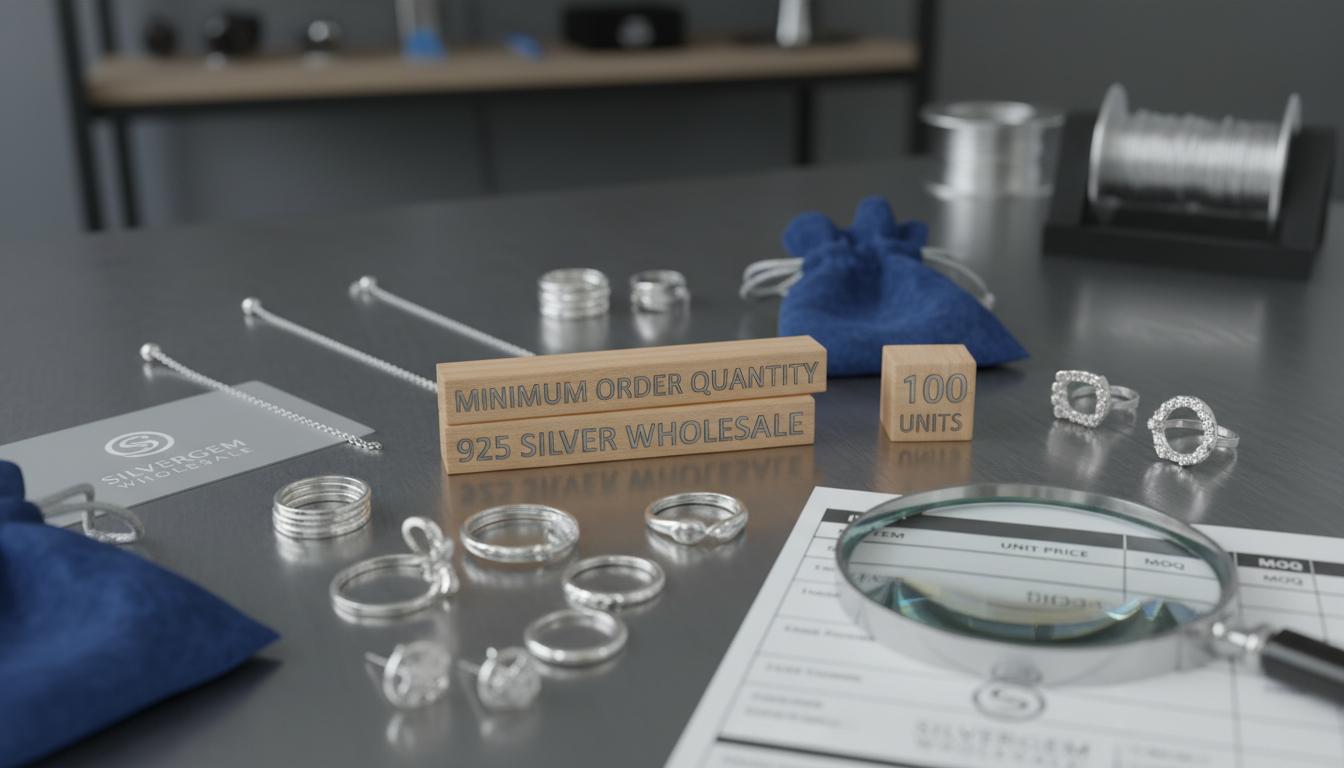
To navigate this constraint effectively:
- Always ask your supplier for their ready-to-ship inventory list to test quality before committing to custom bulk orders.
- Start by private-labeling in-stock items with your branding before moving to fully custom molds.
- Budget specifically for the initial CAD and mold fees if you insist on custom small batches.
Mistake 4: Sacrificing Cash Flow for Bulk Discounts
Sacrificing cash flow for bulk discounts is a critical error where retailers tie up all operational capital in massive 925 silver orders just to save a few cents per unit, creating dead inventory by over-purchasing untested jewelry styles that do not resonate with their audience.
Cash flow is the lifeblood of any retail business. While dropping your unit cost from $12 to $10 by ordering 1,000 pieces instead of 100 seems like a smart mathematical move, it is only profitable if those items actually sell. If 800 of those pieces sit in your warehouse for two years, you have lost money.
How to balance MOQs with cash flow:
- Balance your MOQ requirements with realistic monthly sales forecasts to maintain healthy cash flow.
- Use a 'test and react' strategy: order the absolute minimum allowed for new designs, and only buy in massive bulk for proven evergreen products.
- Calculate your holding costs (storage, insurance, opportunity cost) before agreeing to a massive production run.
Mistake 5: Forgetting to Negotiate Tiered Pricing
Forgetting to negotiate tiered pricing means accepting the first MOQ quote without asking for a volume breakdown, meaning you miss out on hidden pricing tiers that offer drastic price drops as your order volume increases at levels like 50, 100, or 500 units.
Manufacturers rarely give you their best price on the first quote. If they quote you a 100-piece MOQ at $15 per unit, they might actually be willing to do 250 units at $11 per unit. If you never ask for the full pricing sheet, you miss out on the opportunity to find the perfect mathematical sweet spot for your purchasing budget.
Steps to secure better tiers:
- Always request a complete pricing sheet to find the sweet spot where unit cost and order volume align optimally.
- Ask the factory what their most efficient production run size is, and try to match your order to that number.
- Negotiate better terms for future reorders once the initial mold costs have been paid off.
Mistake 6: Overlooking Hidden Surcharges on Small Orders
Overlooking hidden surcharges on small batches involves failing to account for under-MOQ penalties imposed by large silver manufacturers, as well as ignoring high international shipping and import duty costs that easily destroy the profit margins on small batches.
When you successfully pressure a large factory to accept an order below their stated MOQ, they rarely do it for free. They will often tack on a 'small order surcharge' or 'sample fee' to make the run worth their time. Furthermore, freight costs are disproportionately high for light packages. Shipping 20 silver rings via DHL might cost $50, adding $2.50 to the cost of each ring.
To protect your margins:
- Ensure you calculate the landed cost per piece (manufacturing plus shipping plus duties), not just the factory invoice price.
- Consolidate your shipments by waiting until multiple designs are finished before air-freighting them.
- Ask upfront if there are any packaging or handling fees for sub-minimum orders.
Mistake 7: Disregarding Hallmarking and Testing Fees
Disregarding silver purity testing fees is a costly oversight where buyers assume small-batch silver is automatically tested and stamped with the 925 hallmark, even though factories frequently charge extra for official certification on orders that fall below their standard production minimum.
Verification of purity is non-negotiable in the jewelry trade. Understanding the legal and historical context of testing is important. In fact, as detailed by Wikipedia, a silver object that is to be sold commercially is, in most countries, stamped with one or more silver hallmarks indicating the purity of the silver. Without these independent checks, you risk selling non-compliant jewelry, which can destroy your brand's reputation and lead to legal trouble.
To ensure your silver is authentic:
- Always confirm in writing that independent purity testing is included in your specific order tier.
- Ask the factory which independent assay office they use for their batch testing.
- Be prepared to pay a nominal flat fee for assaying if your order volume is too small for the factory to absorb the cost.
Mistake 8: Missing Seasonal Sourcing Windows
Missing seasonal sourcing windows occurs when brands try to place bare-minimum test orders during peak holiday production seasons in Q3 and Q4, resulting in factories rejecting or heavily delaying shipments as they prioritize high-volume clients.
The global jewelry manufacturing cycle is highly seasonal. From August to November, factories are running at maximum capacity to fulfill massive holiday orders for major department stores and global brands. If you approach a factory in October asking for a 30-piece favor, your order will be pushed to the back of the queue, or denied completely.
How to time your orders:
- Plan your purchasing calendar six months in advance to secure favorable terms during factory downtimes.
- Approach factories in Q1 or Q2 (post-Lunar New Year) when production lines are slower and managers are desperate to fill capacity.
- Use the slow season to test new suppliers and establish relationships before the holiday rush begins.
Mistake 9: Failing to Build Supplier Relationships
Failing to build supplier relationships means treating MOQs as rigid, one-time transactional barriers rather than flexible partnerships, missing the reality that suppliers are much more likely to lower minimums for buyers who demonstrate the potential for recurring orders.
If you want to know how to negotiate jewelry factory MOQ terms effectively, you must realize that manufacturers are investing in you just as much as you are investing in them. A factory manager will gladly lose a little money on a 20-piece test order if they believe you have the marketing budget and business plan to order 2,000 pieces next year.
To build long-term trust:
- Share your business growth plan to prove your potential value beyond the initial test order.
- Pay your invoices on time and avoid nitpicking over microscopic details on sample runs.
- Schedule video calls to speak directly with the account managers rather than hiding behind emails.
Mistake 10: Putting All Your Inventory in One Basket
Putting all your inventory in one basket is the dangerous practice of relying on a single supplier for all your 925 silver needs, which can immediately disrupt your entire retail supply chain if your sole factory suddenly raises their MOQ or experiences a shutdown.
Global supply chains are volatile. A factory could change ownership, transition to only servicing enterprise clients, or face local economic crises. If they suddenly raise their MOQ from 50 pieces to 500 pieces overnight, you will be left scrambling for inventory if you do not have alternatives already vetted.
To secure your supply chain:
- Diversify by maintaining relationships with one high-volume primary manufacturer and a backup low-MOQ supplier.
- Split your catalog; have one factory produce your intricate statement pieces while another handles your basic chains and studs.
- Regularly order small batches from your backup suppliers to keep your account active.
Expert Tips: 2026 Market Trends and Overcoming Constraints
In 2026, many Thailand-based silver hubs are shifting toward flexible, algorithm-based MOQs determined by raw material spot prices, making it essential for buyers to leverage 3D printing and partner with other small brands to pool orders collectively.
The global raw material landscape is shifting rapidly. In 2026, as reported by Nasdaq, the Silver Institute forecasts a 67 million ounce market deficit in 2026, with total demand once again outstripping total supply. This macro-economic pressure forces manufacturers to be stricter with their minimums to protect their margins against fluctuating silver prices.
To stay competitive in this tight market:
- Leverage 3D printing and digital prototyping to reduce the upfront casting costs traditionally associated with high MOQs.
- Partner with other small jewelry brands in your network to pool orders and meet high factory minimums collectively.
- Lock in your MOQs and pricing contracts early in the year before spot prices experience late-year surges.
Conclusion
Mastering 925 silver wholesale minimum order quantities is crucial for balancing inventory risks, preserving cash flow, and ensuring product quality. By avoiding these 10 common pitfalls, jewelry retailers can build sustainable, profitable relationships with top-tier manufacturers. Staying informed on market trends, communicating openly with suppliers, and strategically planning your bulk purchases will give your brand a massive competitive edge in 2026. Contact us today to optimize your 925 silver wholesale strategy.
What is the standard wholesale MOQ for 925 sterling silver jewelry?
Standard MOQs range from 30 to 100 pieces per design for custom manufacturing. For in-stock, ready-to-ship catalog items, MOQs can be as low as 5 to 10 pieces.
How can I negotiate a lower minimum order quantity with a silver supplier?
Offer to pay a slightly higher per-piece price in exchange for a lower initial volume. Frame the small order as a paid sample run to test market viability before a larger rollout. Consolidate multiple styles into a larger total order value to incentivize the supplier.
Can I buy 925 silver wholesale without a minimum order?
Yes, but true no minimum suppliers are often wholesalers or dropshippers, not direct manufacturers. Expect to pay a premium on the unit price compared to strict-MOQ factory direct sourcing.
Does a higher MOQ guarantee better quality silver?
Not inherently, but factories with higher MOQs often have stricter internal quality control and hallmarking standards. Low-MOQ middlemen may cut corners on silver purity to maintain profit margins on small batches.
What is the difference between total order MOQ and per-design MOQ?
Total order MOQ refers to the overall transaction size such as a 500 dollar minimum spend. Per-design MOQ dictates how many identical copies of a specific item or ring size you must buy, like 30 pieces of a size 7 ring.
Is it better to source from Thailand or China for lower silver MOQs?
Thailand is historically known for higher quality 925 silver craftsmanship and has very standardized, reliable MOQs. China may offer lower MOQs and cheaper labor, but requires more rigorous vetting for silver purity.
What happens if I cannot meet the manufacturer's MOQ requirement?
Suppliers may reject the order entirely or apply a substantial small order surcharge. Alternatively, they might point you toward their pre-manufactured stock inventory rather than custom production.
How do wholesale MOQs affect retail pricing strategies?
Meeting higher MOQs drastically lowers your cost of goods sold, allowing for higher retail profit margins. Conversely, buying at low MOQs increases costs, forcing you to price items higher or accept tighter margins.
Tags
brass rings for sale
brass rings for sale
mother of pearl heart pendant necklace
mother of pearl heart pendant necklace
wholesale brass chain necklaces
wholesale brass chain necklaces
925 sterling silver jewelry sets packaging options
925 sterling silver jewelry sets packaging options
brass hoop earrings
brass hoop earrings
wholesale brass earrings
wholesale brass earrings
Recommended for you
Why choose Zhefan Jewelry as your stainless steel biker rings supplier
Private Label 925 Silver Necklaces: Design and Production Steps

Beyond Polishing: 7 Innovative Silver Plating Methods for a Premium Finish in 2026
Top 10 925 silver cross necklace Manufacturers and Supplier Brands in China
Prdoucts Categories
Question you may concern
Products
What is the payment method?
Our payment method are Alibaba Trade Assurance(MasterCard, visa, e-Checking, PAYLATER, T/T),T/T, PayPal,Western Union.
What is your minimum order quantity?
We offer low MOQ from 2 to 30 depending on models. Send your favor model to get details from Trade Manager.
What is the material of the jewelry?
Most of the jewelry is made of 925 sterling silver, brass or 316 stainless steel or custom material,which can cover different procurement demand.
How long will the plating color last?
Generally 6 month for Water Plated color , 1 - 2 years for vacuum plated color if in proper wearing.
FAQs
What’s the shipment method?How long does it take for delivery?
Our product distributed to all over the world. Shipped by DHL/Fedex/ TNT/UPS takes 3-7 days,Epacket takes 7-15 days, China Post takes 15-30 days.
You may also like
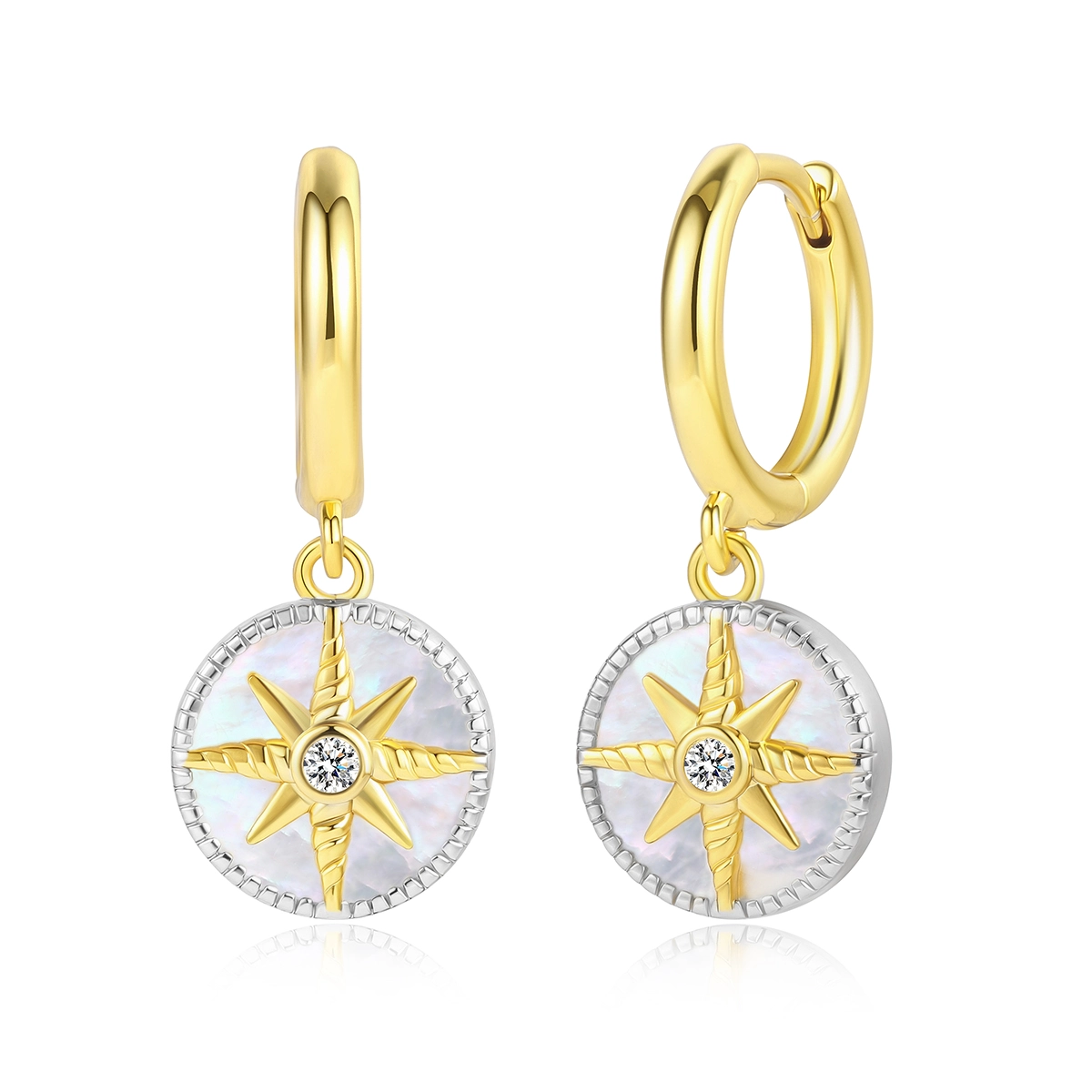
Brass Jewelry
Brass Mother of Pearl Compass Huggie Drop Earrings | 14K 18K Gold Plated Hypoallergenic Jewelry
Read More
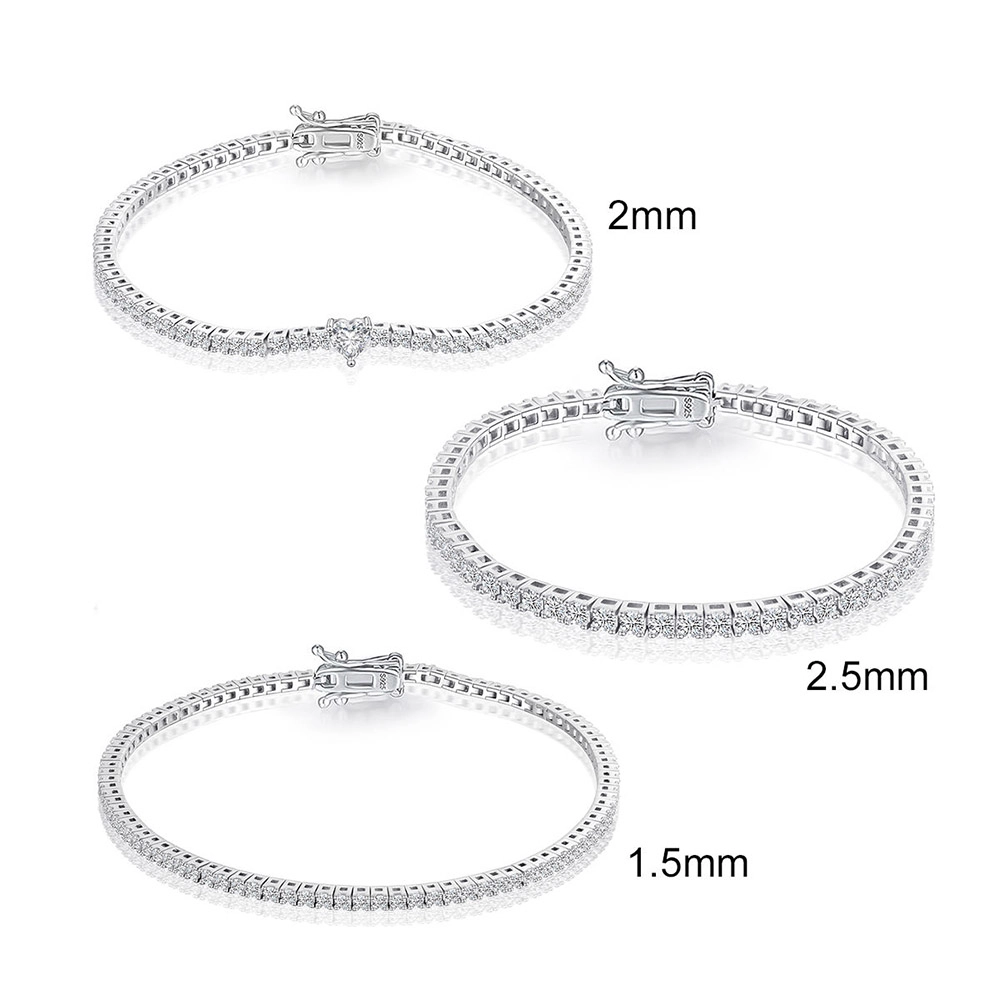
925 Silver Jewelry
Customizable High-Quality Fashion 925 Sterling Silver AAA Cubic Zirconia Heart-Shaped Open Tennis Bracelet.
Read More
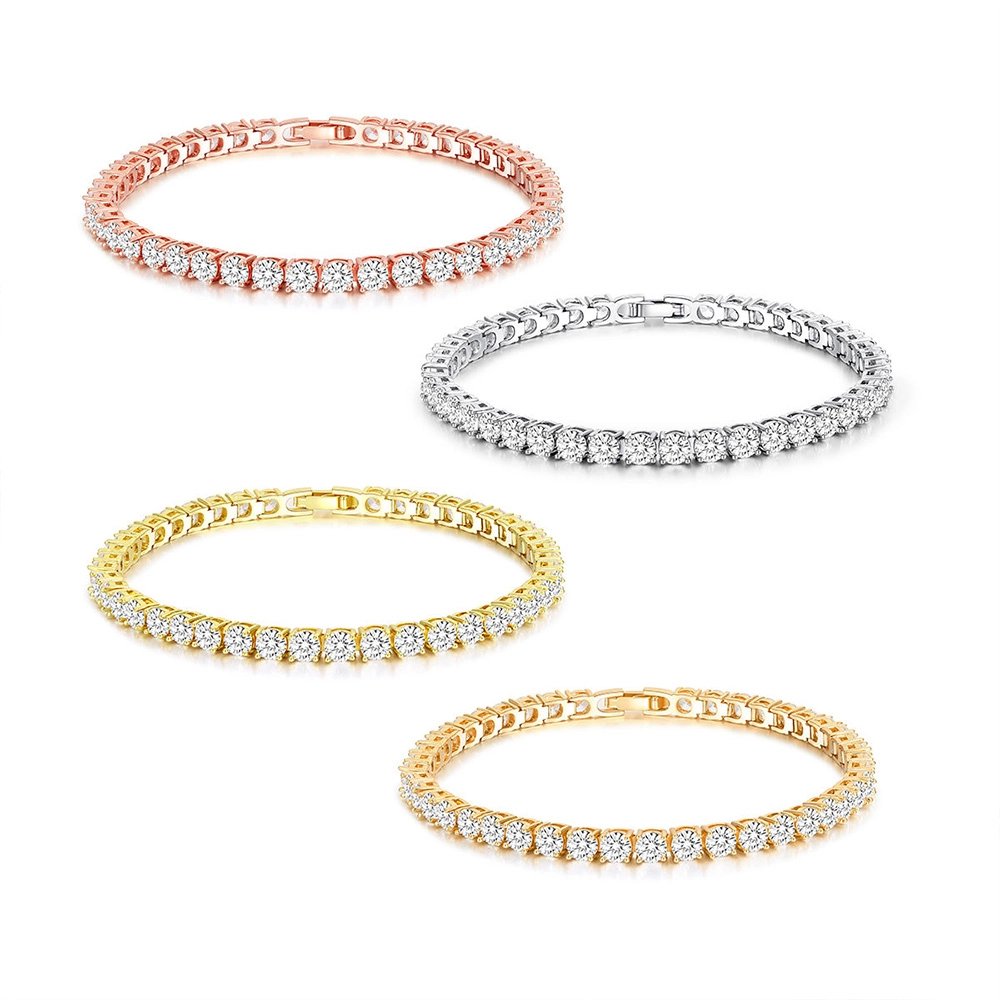
Brass Jewelry
Customizable OEM ODM High-Quality Fashion Brass AAA Cubic Zirconia Classic Tennis Bracelet for Women Wholesale.
Read More
Get a Quote for Private Label Jewelry
We provide personalized jewelry customization services for clients worldwide.
Rest assured that your privacy is important to us, and all information provided will be handled with the utmost confidentiality.
By clicking 'Send Inquiry Now' I agree to ZHEFAN JEWELRY processing my personal data.
To see how to withdraw your consent, how to control your personal data and how we process it, please see our Privacy Policy and Terms of use.
From design to production, ZHEFAN JEWELRY offers a one-stop solution to help you enhance your brand value and market competitiveness.
Get A Quote
Contact
Tel: (+86) 188 1927 7817
© 2026 Zhefan Jewelry. All Rights Reserved.
Facebook
Instagram
YouTube
Whatsapp: +8618819277817