







Email: sales3@zhefanjewelry.com
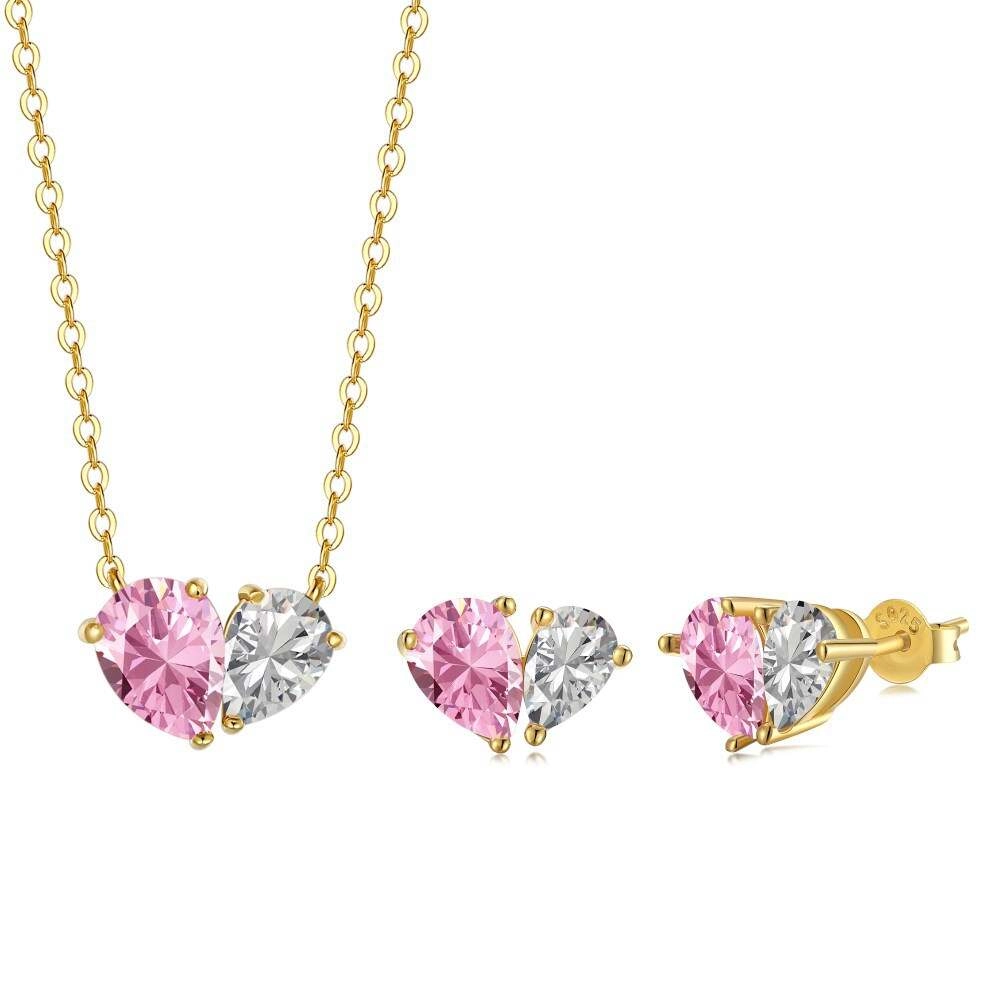
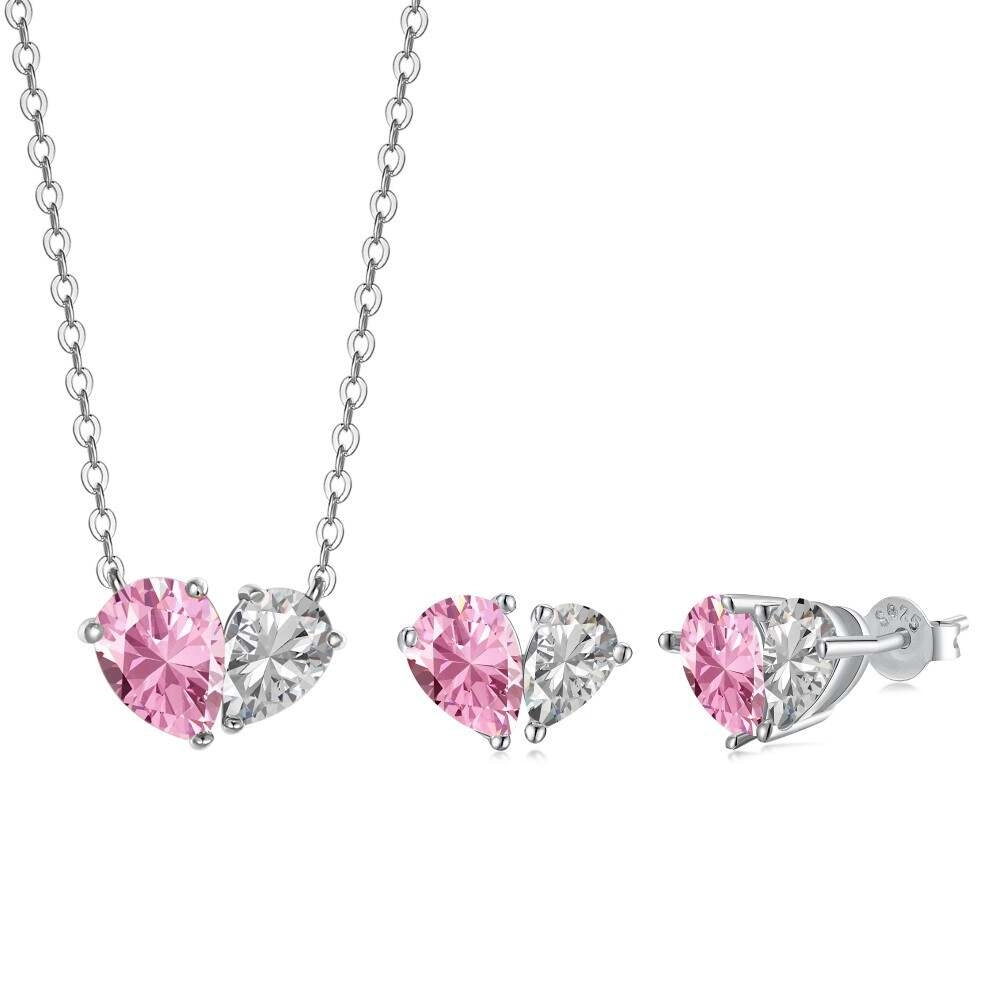
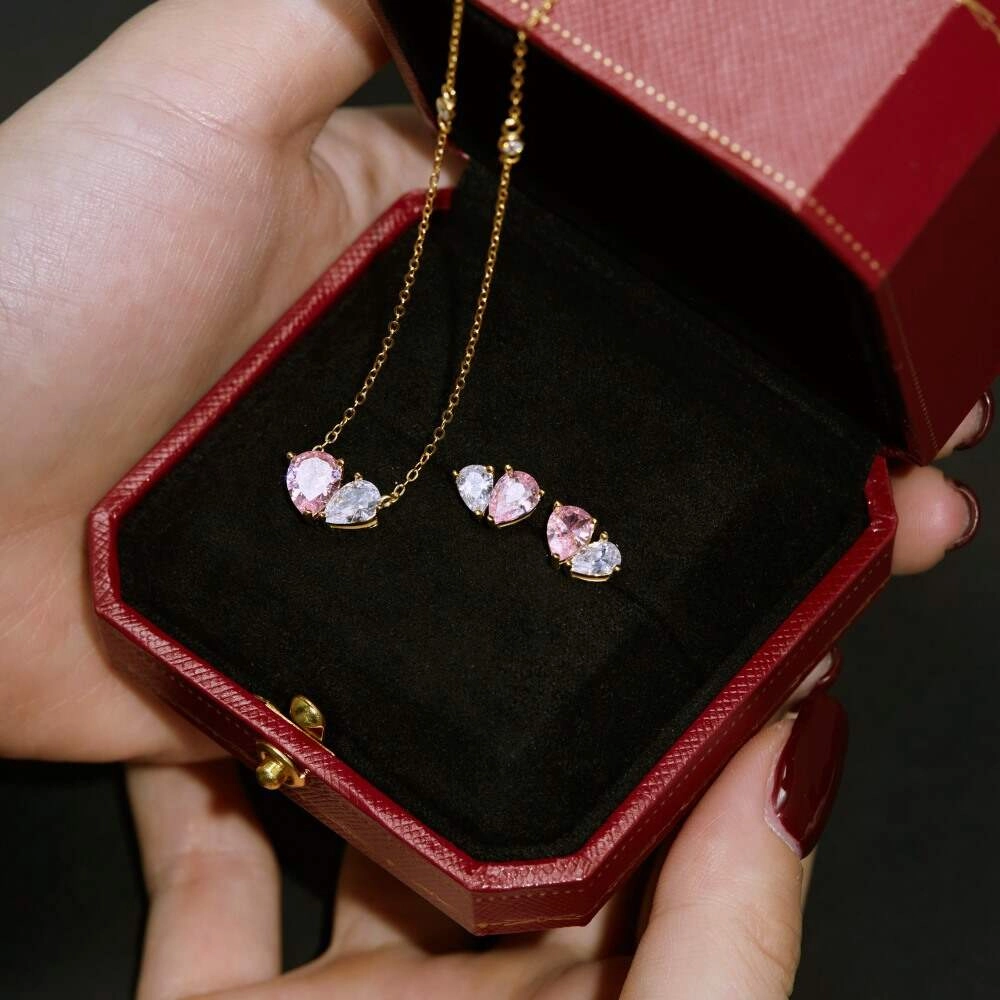
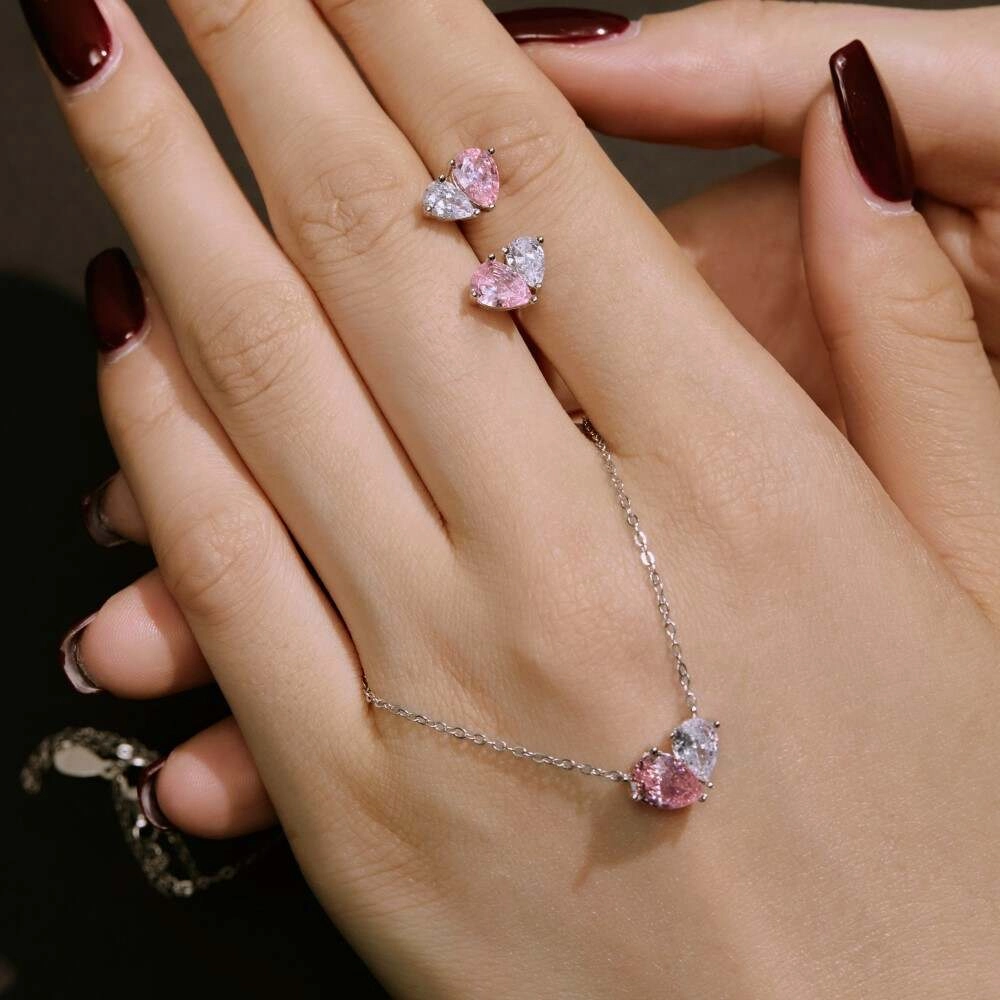
Heart Jewelry Sets with White Pink Zircon
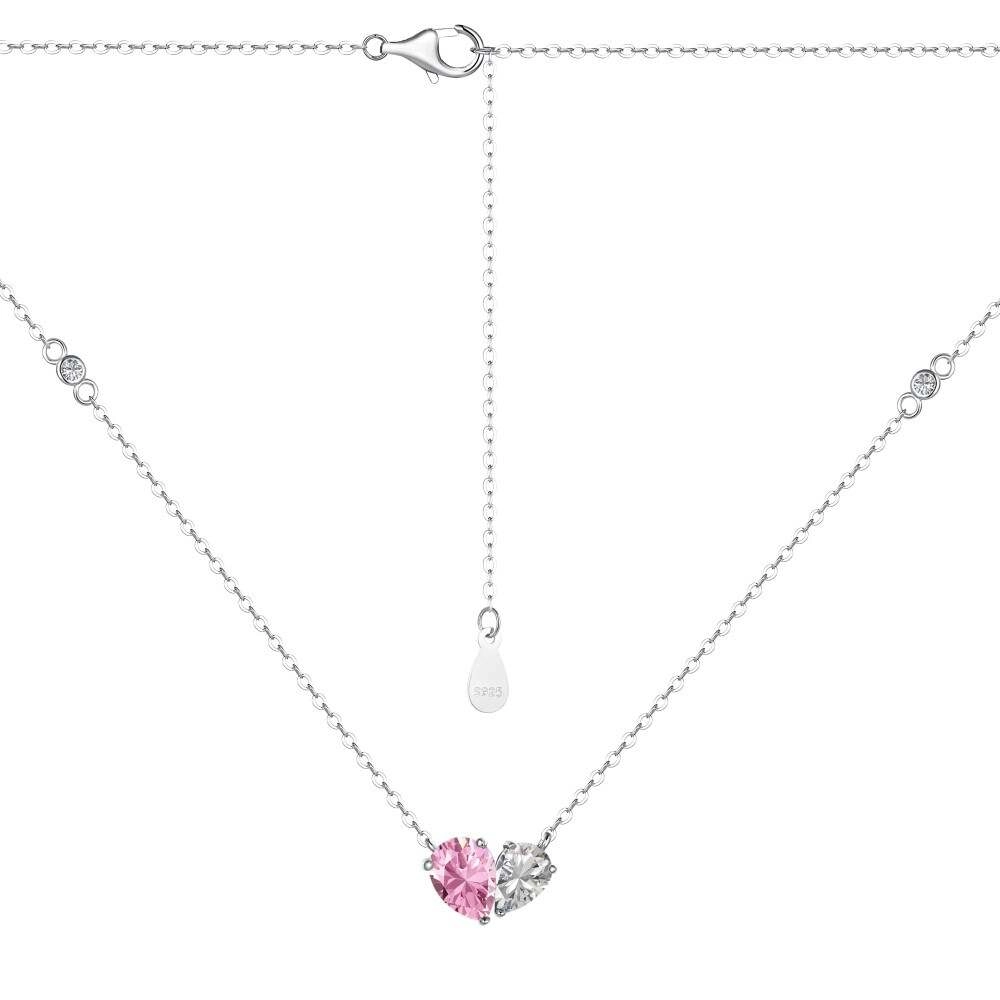
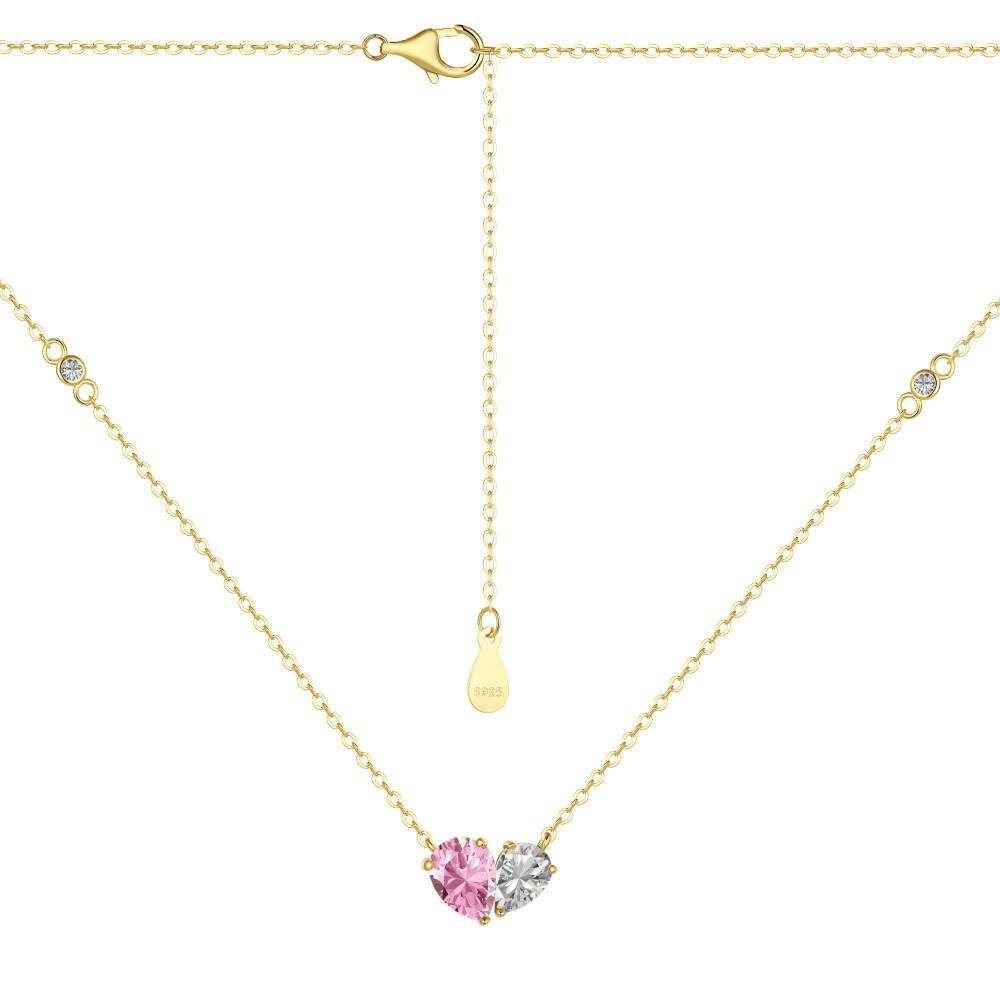
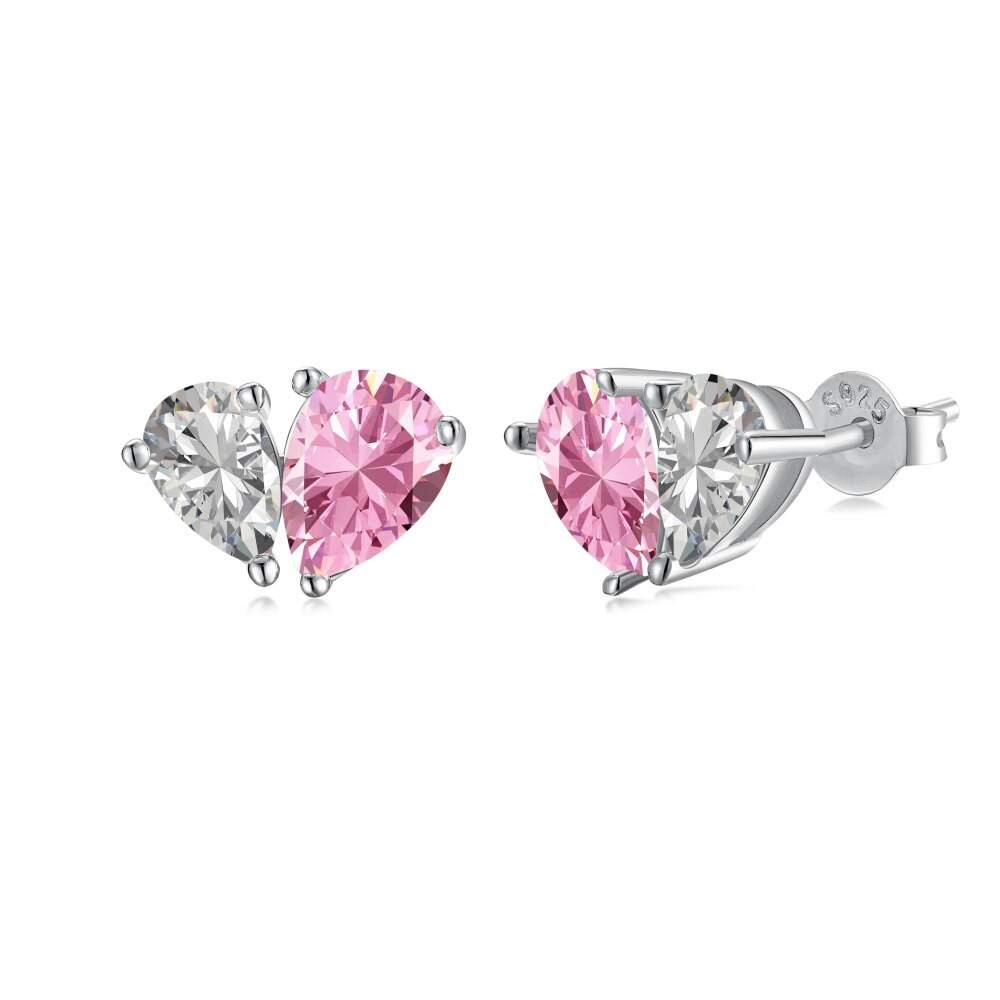
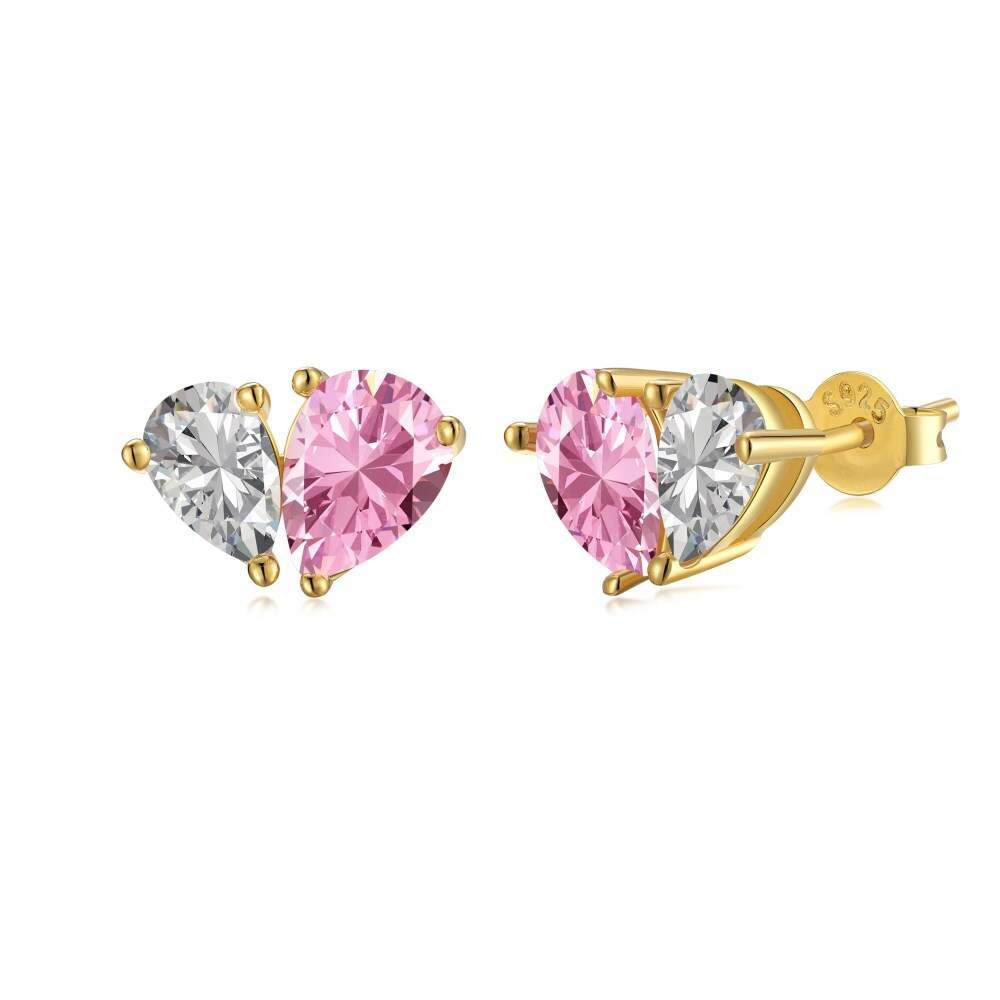
Custom 925 silver double heart shape necklace set with white pink cubic zirconia
This 925 silver set includes a pear-shaped white and pink zirconia heart pendant necklace and earrings. The pendant features a beautiful pear-shaped white zirconia center surrounded by pink zirconia stones, forming a charming heart-shaped design symbolizing love and emotion. The matching earrings perfectly complement the pendant's design, adding sparkle and elegance to your overall look. Whether you're looking for a special gift for a loved one or treating yourself to a luxurious jewelry set, this 925 silver zirconia necklace and earrings set will leave a lasting impression with its beauty and charm. Elevate your style and express your love with this exquisite heart-shaped set that is sure to catch eyes and captivate hearts.
Product Code:
JWT0359
OEM:
Available
Sample:
Available
Port:
Guangzhou/Shenzhen, Port
Payment:
MasterCard, Western Union, T/T, D/P, D/A, Other, PayPal
Place of Origin:
China
Shipping:
Sea freight · Land freight · Air freight
Supply Ability:
600000 pieces per Month
Product Detail
Stone
Cubic Zirconia
Material
Sterling Silver
Shape
Heart
Plating
18k white gold plated
Jewelry
Jewelry Sets
eco-friendly
no lead, no nickel
MOQ
60 Sets
Sample
Support
ODM/OEM
Welcome!
This 925 sterling silver jewelry set includes a heart-shaped pendant necklace and earrings adorned with pear-shaped white and pink zirconia stones. The heart pendant is crafted with a combination of pink and white pear-shaped stones symbolizing love and emotion. The 18k gold and white gold plating enhances the luxurious and captivating look of this jewelry set.
Designed with intricate detail, the heart-shaped pendant necklace and earrings set combines 925 sterling silver with 18k gold and white gold plating, exuding an air of opulence and elegance. This jewelry set will become the focal point of your ensemble, allowing you to exude captivating charm and showcase your passion for love and beauty.
Meticulously crafted, this jewelry set is suitable for daily wear or as a special gift for a loved one. Whether worn on special occasions or in everyday life, this jewelry set will add sparkle and elegance to your look, showcasing your unique personality and taste.- 925 Sterling Silver
- White and Pink AAA Zircon Stone
- 18K Gold Plating/White Gold Plating
- Pink Heart Jewelry Sets
FAQ
How should buyers decide between XRF screening and a more complete assay when verifying 925 sterling silver jewelry?
For 925 silver wholesale buyers, XRF and full assay cover different stages of supplier qualification, not interchangeable checks. XRF is fast and non-destructive, but it only reads the surface. Use it for 100% incoming-goods screening and routine monitoring at a 925 silver factory. A 92.5% surface reading does not confirm bulk fineness—plating, surface enrichment, or an uneven alloy can skew it. A full assay (fire assay or ICP) destroys a small sample but measures actual bulk content. Use it for first-article approval on a new 925 sterling silver wholesale supplier and for any disputed or borderline fineness result. Since the FTC's Jewelry Guides hold sellers accountable for fineness claims that could mislead buyers , any product carrying a stamped fineness mark should be backed by assay-grade verification at qualification, even where XRF covers day-to-day screening.
Why do repeat jewelry orders drift even when the design has not changed?
Even when a design hasn't changed, repeat jewelry orders can still drift in color, weight, or finish, and buyers assuming "same spec, same supplier" guarantees a match often have no clear explanation when it doesn't, since nothing on paper looks wrong. Drift usually traces back to something that changed upstream without being flagged downstream: a new material batch from the mill, a different plating line or subcontractor covering overflow capacity, a rush order that quietly loosened tolerance to hit a ship date, or a reference sample that degraded or got misplaced over time. A disciplined 925 silver factory controls for this with batch traceability and a documented change log, checking incoming material against a retained physical master on every run and disclosing any shift in material batch, plating line, or subcontractor before it ships. Buyers evaluating a supplier should confirm this directly: a retained master sample as the standing reference, batch traceability tied to material lot, a change log covering any substitution, and confirmation that rush orders don't skip the same approval gate as standard ones. As an OEM 925 silver wholesale manufacturer, Zhefan applies this as standard practice—retaining master samples and batch records for repeat-order clients; running every order through the same Zhefan Jewelry’s Proprietary 6-Polishing & 6-Inspection Process regardless of size or turnaround; and having a dedicated project manager flag any material or process change before a repeat order ships, so buyers sourcing from a 925 silver wholesale partner learn about a change before the product lands, not after.
How can a brand qualify a supplier for long-term repeat production?
Qualifying a supplier for long-term repeat production means looking past the first sample or opening order, since a strong pilot batch says nothing about whether a factory can hold that standard on the tenth or hundredth run. A track record across multiple existing clients and repeat cycles shows whether consistency is proven or still theoretical, while clear approval criteria—a physical master sample, defined tolerances, and documented sign-off—establish what "meeting spec" actually means before volume production begins. Repeatability should be verified across several consecutive batches rather than assumed from one clean result, and capacity needs to be checked against the brand's actual growth plans, not just the current order size, since a 925 silver factory comfortable at low volume may struggle once demand scales. Communication and problem-solving matter just as much as technical capability: how quickly a supplier flags an issue, how transparently they explain a defect, and whether they propose a fix or wait to be pushed all signal how the relationship holds up once something eventually goes wrong. For brands sourcing an OEM 925 silver wholesale partner for the long term, these factors together — not the strength of the first sample — are what determine whether a 925 silver wholesale relationship can scale reliably over years of repeat orders.
Can cubic zirconia become loose during polishing or plating, and how do manufacturers prevent this?
Stone security is one of the highest-risk points in finishing, since tumbling, ultrasonic cleaning, and plating baths all put mechanical or chemical stress directly on the setting holding the stone, and a loose or dropped stone after shipping becomes a return, a warranty claim, or a safety complaint rather than a simple cosmetic issue. Established manufacturers control for this by separating stone-set pieces from bulk polishing batches, using shorter tumbling cycles or protected hand-finishing around settings, and choosing ultrasonic cleaning parameters suited to stone-set work rather than the standard cycle used for plain metal pieces. Buyers should ask whether stone security is checked both before and after plating, under magnification rather than by eye, and whether this is done on every piece or only a sample batch. A reliable 925 silver factory treats stone-set inventory as a separate finishing line with its own inspection step, not an afterthought bolted onto standard polishing. Zhefan's six quality inspection checkpoints include stone security review at multiple stages of production, so setting integrity is confirmed before a piece ever reaches final packaging—a standard practice for OEM 925 silver wholesale orders involving stone work.
How should buyers evaluate plating thickness and long-term wear performance on sterling silver jewelry?
Plating thickness determines how long a finish lasts before the base metal shows through, and buyers who only know the plating type—gold, rhodium, or palladium—without a thickness figure in microns are essentially buying blind, since two suppliers using the same plating name can apply wildly different layer depths. The industry standard for verifying this is XRF (X-ray fluorescence) testing, which measures actual thickness in microns rather than relying on visual comparison or the supplier's description. Buyers evaluating a 925 silver wholesale supplier should request XRF test reports tied to the specific product and plating type, ask what micron range is being applied relative to accepted industry ranges for that finish, and check whether wear or rub-test data exists to back up durability claims. A supplier confident in their plating quality provides these reports proactively rather than after being asked twice. Zhefan documents plating thickness through XRF testing on production batches, giving OEM 925 silver wholesale buyers a verifiable number to compare against rather than a marketing description of the finish.
What quality inspections should be performed before shipping sterling silver jewelry with stone settings?
Stone-set pieces carry more failure points than plain metal jewelry—loose stones, chipped edges, uneven prongs, and plating pooling around the setting—so a final inspection built for simple chain or band production often misses exactly the defects that cause the most complaints. Before shipment, each piece should be checked for stone security under magnification, prong or bezel alignment, plating uniformity around the setting where buildup is most common, and overall weight and dimensional accuracy against the approved sample. The key distinction professional buyers should look for is inspection rate: statistical sampling (AQL-based) may be acceptable for plain metal runs, but stone-set jewelry generally warrants full, piece-by-piece inspection given the higher defect risk per unit. A dependable 925-silver factory documents this inspection with retained records or defect photos rather than a simple pass/fail sign-off. Zhefan Jewelry’s Proprietary 6-Polishing & 6-Inspection Process Inspection Checkpoints apply full inspection to stone-set production specifically, so defects are caught before packaging rather than discovered by the end customer.
How does rhodium plating affect the appearance, durability, and maintenance of 925 silver jewelry?
Rhodium plating gives 925 silver a brighter white finish and adds a layer of tarnish resistance, but it's a thin surface layer, not a permanent upgrade to the metal underneath — it wears down with everyday friction, lotion, and chemical exposure, and once it wears through, the piece gradually reverts to the natural look of sterling silver beneath it. This matters commercially because brands need to set accurate expectations with retail customers up front; rhodium-plated pieces sold as low-maintenance or permanently bright will generate complaints once the plating naturally thins, typically within one to two years of regular wear. Buyers sourcing rhodium-plated 925 silver wholesale should ask for the specified rhodium thickness, expected wear lifespan under normal use, and whether the supplier provides care instructions that can be passed along to end customers. A supplier that documents rhodium thickness and provides maintenance guidance is giving buyers the information needed to set honest product claims. Zhefan offers project-specific plating solutions with rhodium thickness specified per order, so brands can communicate accurate wear expectations rather than guessing.
How can buyers verify that a 925 silver necklace is made from genuine sterling silver rather than lower-grade silver alloys?
A "925" stamp on its own isn't proof—hallmark stamps can be applied incorrectly or dishonestly, so verifying actual silver content requires testing, not just reading the mark. XRF testing is the industry standard for confirming silver purity without damaging the piece, and it should be run against the specific alloy batch used in production, not assumed from a general supplier claim. Buyers should request XRF test reports or mill certificates tied to the material batch behind their order, confirm the hallmark stamping matches actual tested purity, and ask whether the same alloy source is used consistently across repeat orders or if it varies by batch. A trustworthy 925 silver factory tests purity on every incoming material batch, not just at initial supplier qualification, and retains those records for buyer review. Zhefan sources traceable 925 sterling silver material and verifies purity through batch testing, giving OEM 925 silver wholesale buyers documentation to confirm authenticity rather than relying on the stamp alone.
Tags
OEM 925 silver jewelry
OEM 925 silver jewelry
925 silver jewelry custom
925 silver jewelry custom
heart beat necklace
heart beat necklace
Request a Quote to Brand this as Private Label Jewelry
We provide personalized jewelry customization services for clients worldwide.
Rest assured that your privacy is important to us, and all information provided will be handled with the utmost confidentiality.
By clicking 'Send Inquiry Now' I agree to ZHEFAN JEWELRY processing my personal data.
To see how to withdraw your consent, how to control your personal data and how we process it, please see our Privacy Policy and Terms of use.
From design to production, ZHEFAN JEWELRY offers a one-stop solution to help you enhance your brand value and market competitiveness.
Get A Quote
Contact
Tel: (+86) 188 1927 7817
© 2026 Zhefan Jewelry. All Rights Reserved.
Facebook
Instagram
YouTube
Whatsapp: +8618819277817