








Email: sales3@zhefanjewelry.com
Why Is Quality Control Essential for a Gold Vermeil Jewelry Manufacturer?
Quality control helps verify that gold vermeil jewelry matches its agreed silver substrate, gold-layer requirements, construction, and appearance. Buyers should request documented inspection criteria and test methods suited to the design and destination market, then confirm the scope for each project before approving samples or a bulk order.
Quick Answer
Quality control matters because it helps confirm that vermeil jewelry matches the agreed precious-metal construction, finish, and workmanship before shipment. A gold vermeil jewelry manufacturer should be assessed on silver substrate verification, gold-layer thickness, coating adhesion, dimensional consistency, and defect criteria. The right inspection plan and acceptance limits depend on the design, destination market, and project testing requirements.
How a Gold Vermeil Jewelry Manufacturer Supports Projects
For a specific supplier, request its documented inspection process rather than assuming capabilities that have not been confirmed. Ask how incoming sterling silver is identified, how the gold layer is assessed, which visual and dimensional checks apply, and how nonconforming pieces are recorded and handled. These details help establish whether the supplier’s process fits your product and market.
Before sample approval, agree on the base-metal specification, gold fineness and thickness, finish, critical dimensions, acceptable cosmetic variation, and applicable test methods. The gold vermeil jewelry manufacturer should clarify what evidence it can provide for those requirements. MOQ, lead time, testing scope, and quotation must be confirmed for each project.
Discuss Your Gold Vermeil Quality-Control Requirements
Share your target market, design files or reference images, dimensions, sterling silver specification, gold fineness and thickness target, finish, expected order quantity, and any required inspection criteria. These details can help frame a discussion about suitable specifications, sample evaluation, and the checks to agree before production. To discuss your project and next steps, email sales3@zhefanjewelry.com.
Quality Control FAQs
How can buyers verify gold thickness on vermeil jewelry?
Start by defining the required gold fineness and minimum thickness in the purchase specification, including where the measurement applies on the piece. In the United States, the FTC Jewelry Guides describe gold vermeil as gold of at least 10 karat applied to sterling silver, with a minimum thickness of 2.5 microns; requirements and labeling rules can differ by market. Ask the supplier what measurement method it uses and whether the method is validated for the jewelry’s shape and finish. X-ray fluorescence can estimate coating composition and thickness, but geometry, curvature, and the underlying substrate can affect readings. For disputed or critical results, an agreed laboratory method, potentially including destructive cross-section analysis, may be more appropriate. Record test locations and results against an approved sample or specification.
Which adhesion tests reveal early gold layer failure?
There is no single adhesion test suitable for every jewelry shape and coating system. A cross-cut or tape test may be inappropriate for small, curved, polished, or textured components, and an aggressive test can damage a sound piece without representing normal wear. Agree on a method that fits the component, coating, and intended use, then validate it on representative samples. Combine that assessment with inspection for blistering, flaking, edge lifting, or exposed base metal, especially around joints, recesses, and high-contact areas. A supplier report should identify the test conditions, sample preparation, acceptance criteria, and any failures rather than simply stating that adhesion passed.
How should manufacturers inspect sterling silver before plating?
Verify the incoming material against the purchase specification before it enters production. Useful checks can include supplier documentation, alloy or fineness verification using a method appropriate to the item, dimensional and surface inspection, and review for contamination, porosity, solder residue, or polishing compounds. A 925 mark alone is not independent proof of composition. The surface condition matters because residues and defects can interfere with plating or remain visible after finishing. Inspection frequency should reflect the supplier’s controls, lot size, risk, and applicable legal requirements; retain lot identification so a later coating or appearance issue can be traced to the relevant material batch.
What sampling plan catches defects before bulk shipment?
Set the sampling plan before production and distinguish between checks performed during processing and final lot inspection. Define the lot, sample selection method, inspection level, defect categories, and acceptance or rejection rules in writing. Critical defects, such as incorrect metal construction or serious coating failure, may warrant tighter controls than minor cosmetic variation, but the thresholds must be project-specific. Random selection across cartons or production stages is more informative than inspecting only convenient pieces. For a new design or supplier, consider a pilot run and review results before authorizing repeat production. Sampling reduces inspection effort but cannot establish that every individual piece is defect-free.
Does visual inspection prove vermeil meets thickness requirements?
No. Visual inspection can identify color variation, scratches, pits, missed areas, and visible peeling, but appearance does not reliably establish gold-layer thickness or fineness. Two pieces can look similar while having different coating measurements, and lighting or surface texture can mask differences. Use visual criteria for finish and workmanship, then use a suitable, agreed measurement or verification method for composition and thickness. The measurement plan should account for component geometry and specify locations, instrument or laboratory method, calibration or validation approach, and acceptance limits. Do not treat a polished appearance or a supplier’s verbal assurance as evidence of compliance.
How do QC records help resolve jewelry batch disputes?
Useful records connect the approved specification to the actual production lot. Keep the signed sample or reference standard, material and plating batch identifiers, inspection dates, test methods, measurement locations, results, defect photographs, and disposition of rejected pieces. These records help determine whether a disagreement concerns the agreed requirement, a measurement method, a specific production lot, or a handling issue after delivery. Set record-retention expectations and a process for notifying the supplier, preserving disputed samples, and agreeing on any retest before the first order. Clear documentation supports a fact-based resolution; it does not replace contractual acceptance terms or applicable consumer and trade laws.
Recommended for you
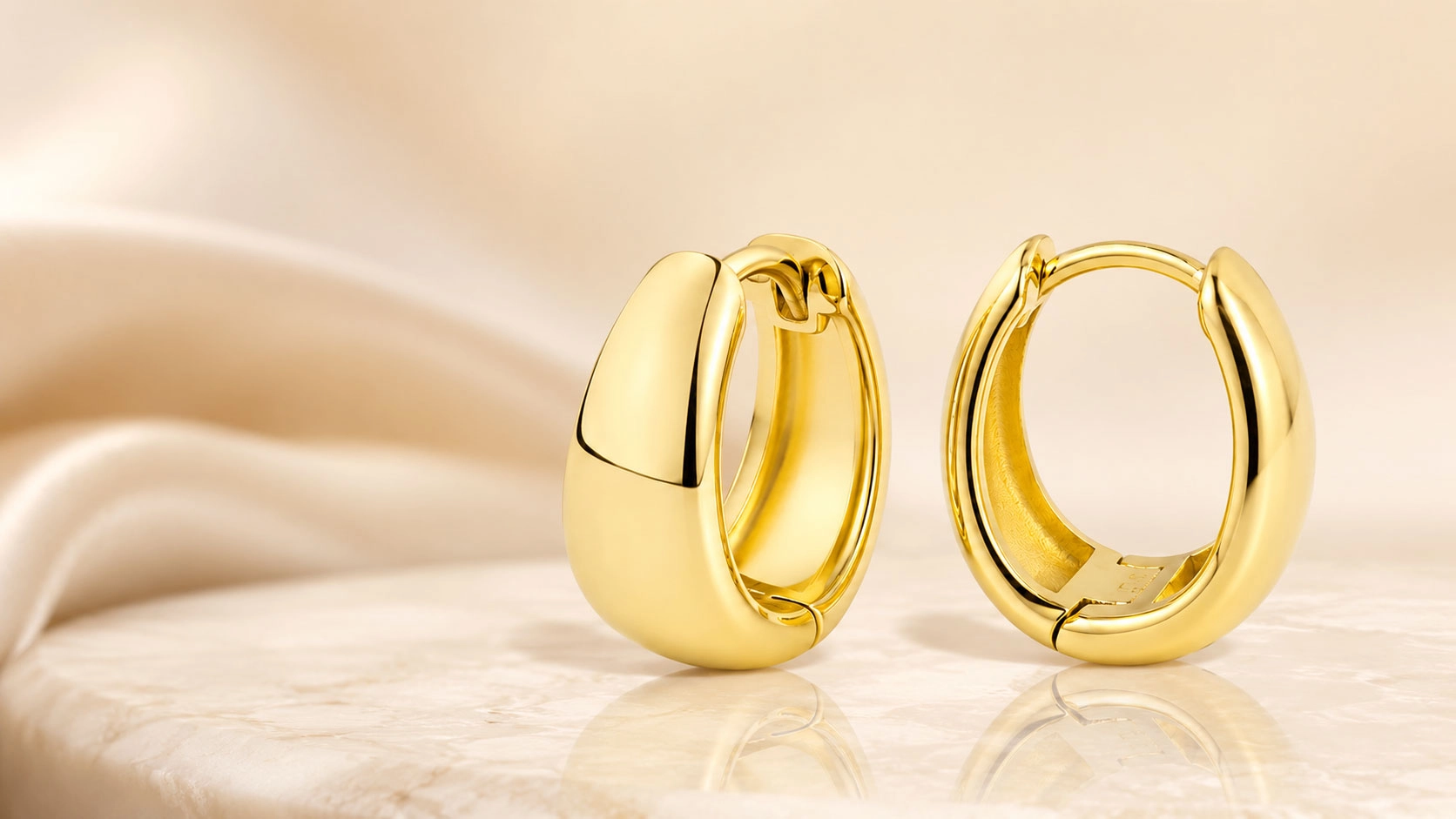
What Is Gold Vermeil Jewelry? A Complete Guide for Brands and Retailers
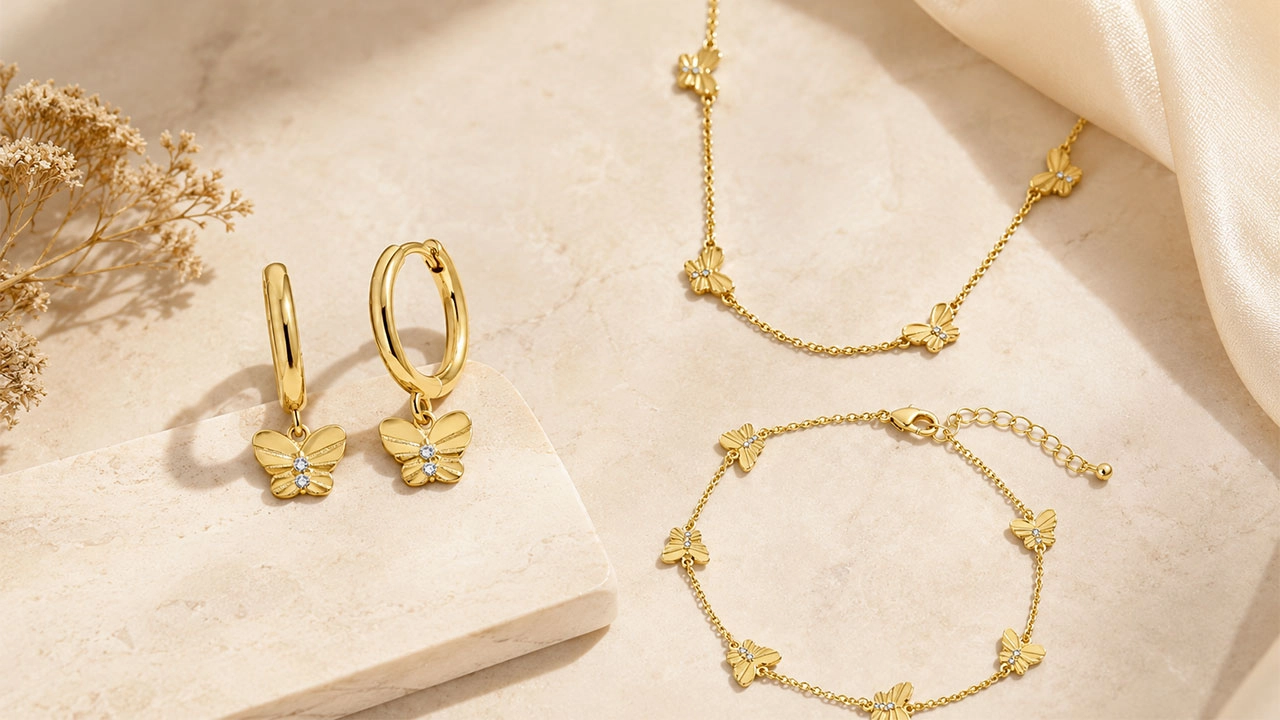
Thick Gold Plated Jewelry Manufacturer for 925 Silver & Brass Jewelry
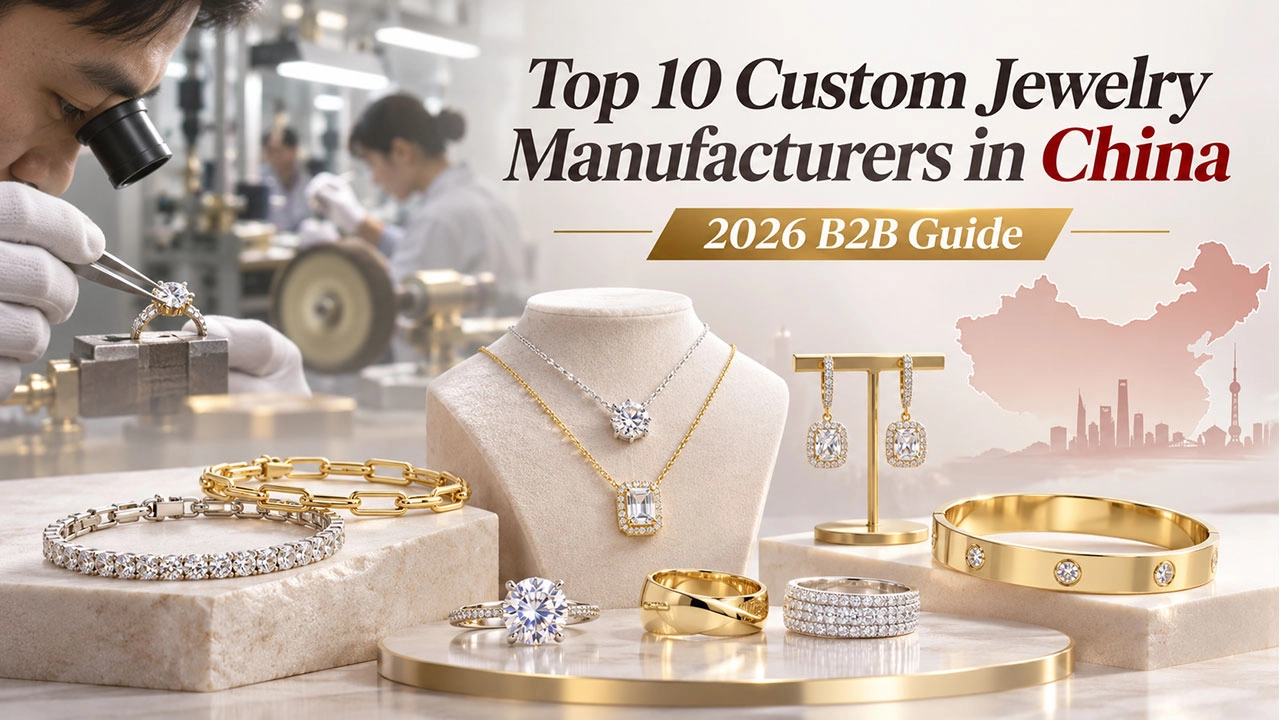
Top 10 Custom Jewelry Manufacturers in China (2026)
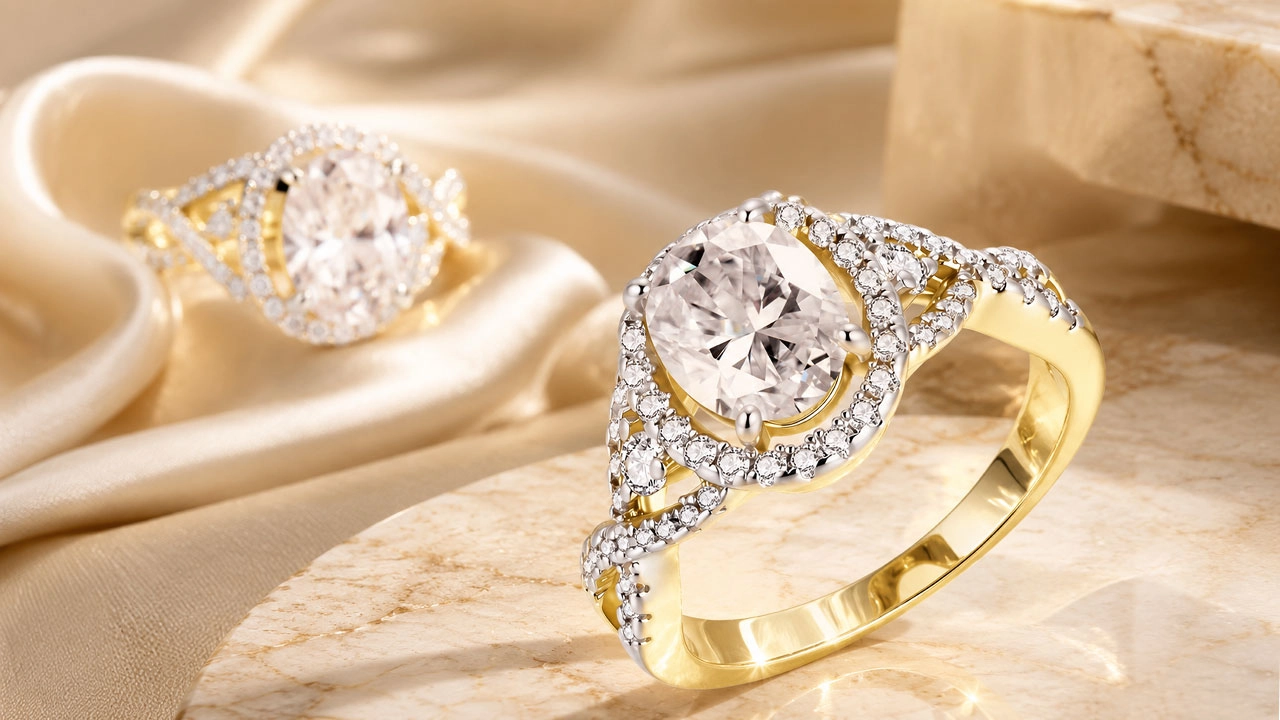
How to Choose a Gold Vermeil Jewelry Manufacturer
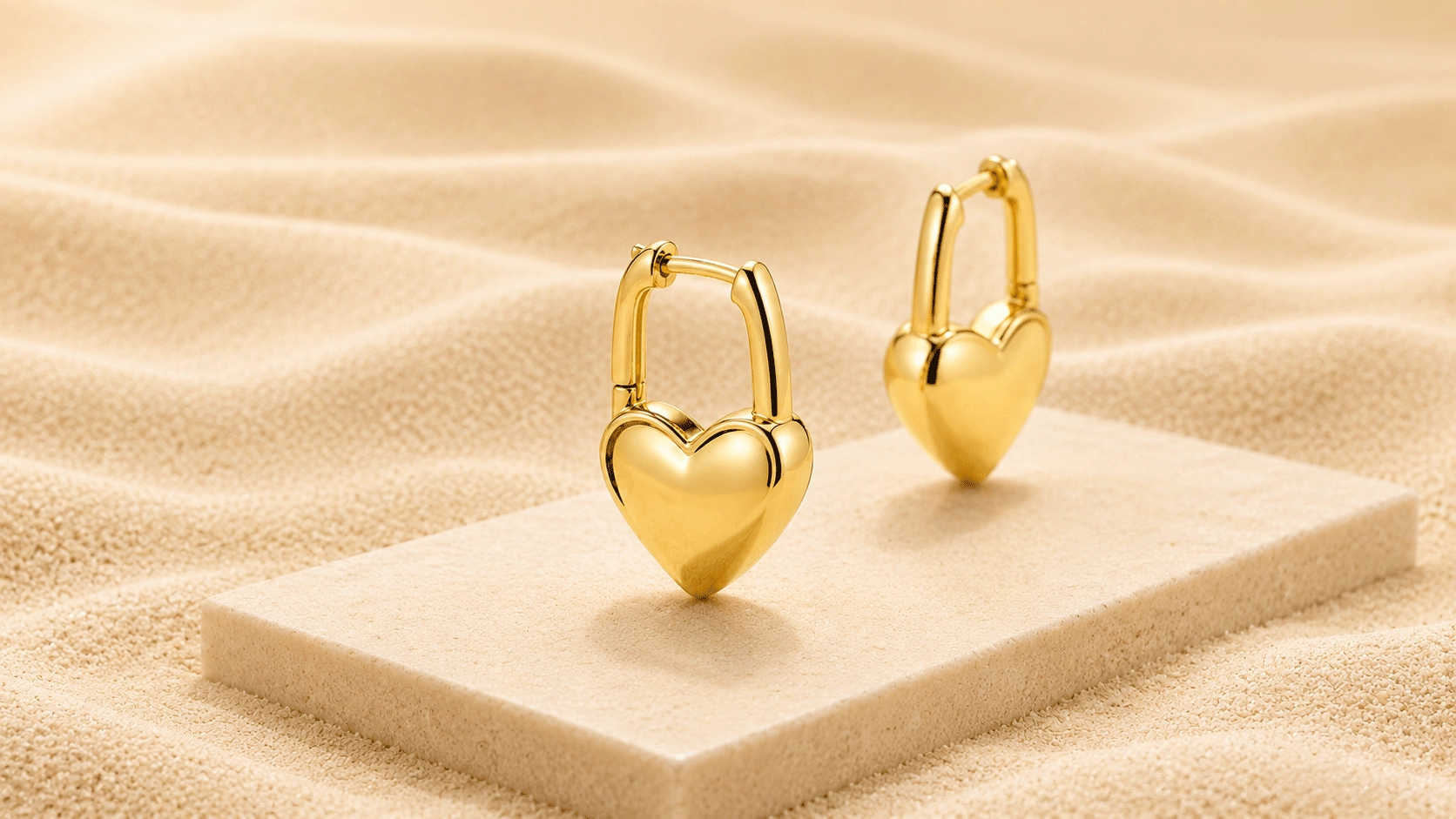
Gold Vermeil vs. Gold-Plated Jewelry: Which Fits Your Luxury Jewelry Brand?
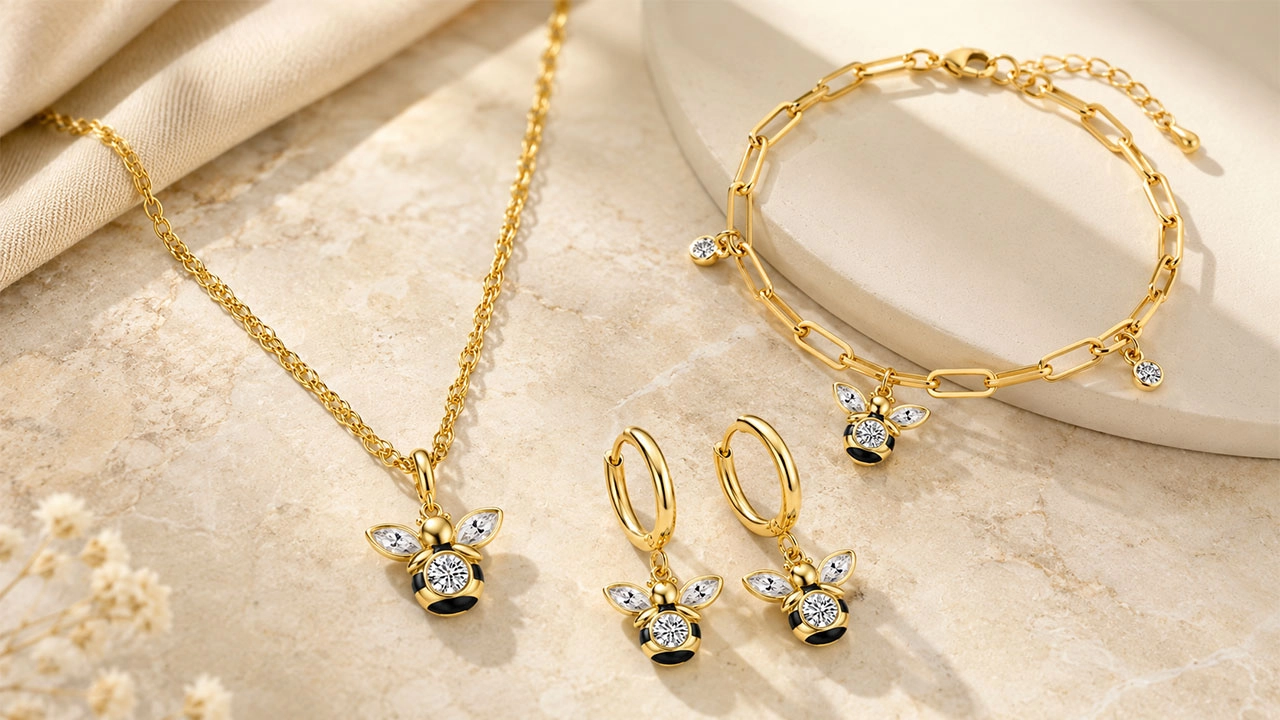
Can Silver or Brass Be PVD Coated? A Professional Guide for Jewelry Brands

Wholesale Jewelry 925 Sterling Silver Four Leaf Clover Jewelry Sets.

Customizable High-Quality Fashion 925 Sterling Silver AAA Cubic Zirconia Heart-Shaped Open Tennis Bracelet.

Customizable OEM ODM High-Quality Fashion Brass AAA Cubic Zirconia Classic Tennis Bracelet for Women Wholesale.

925 Sterling Silver Two Tone Flower Huggie Earrings Wholesale
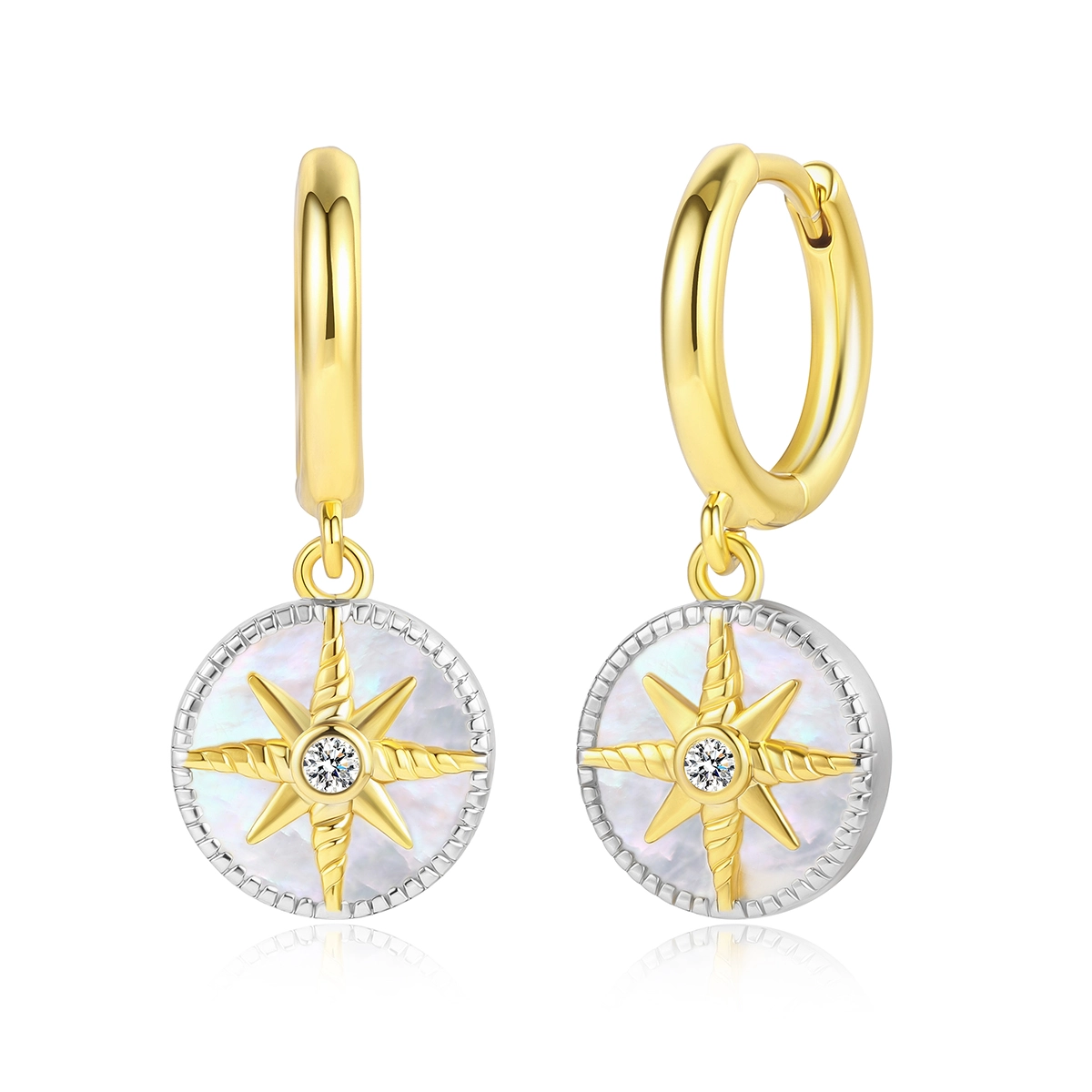
Brass Mother of Pearl Compass Huggie Drop Earrings | 14K 18K Gold Plated Hypoallergenic Jewelry
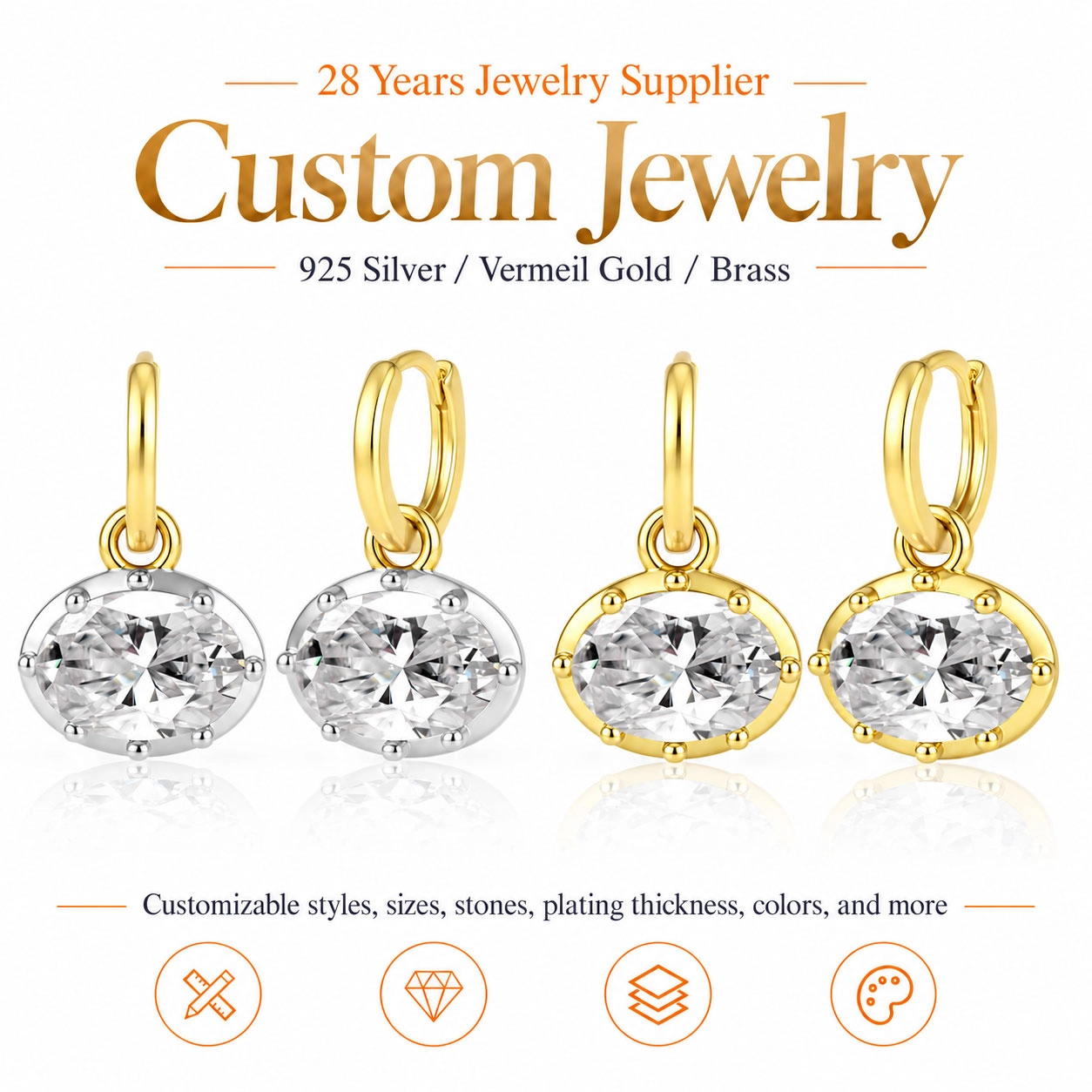
Custom Hailey Charm Hoop Earrings with Oval CZ in 925 Sterling Silver
Product Categories
Discuss Your Ideas with a Professional Custom Jewelry Manufacturer
We provide personalized jewelry customization services for clients worldwide.
Rest assured that your privacy is important to us, and all information provided will be handled with the utmost confidentiality.
By clicking 'Send Inquiry Now' I agree to ZHEFAN JEWELRY processing my personal data.
To see how to withdraw your consent, how to control your personal data and how we process it, please see our Privacy Policy and Terms of use.
From design to production, ZHEFAN JEWELRY offers a one-stop solution to help you enhance your brand value and market competitiveness.
Get A Quote
Contact
Tel: (+86) 188 1927 7817
© 2026 Zhefan Jewelry. All Rights Reserved.
Facebook
Instagram
YouTube
Whatsapp: +8618819277817