





Email: sales3@zhefanjewelry.com
how can a white label jewelry manufacturer serve retailers with different customer segments? | Insights by Zhefan Jewelry
Learn how retailers can plan segment-specific jewelry collections, manage price tiers, address sensitive-skin needs, test demand, adapt packaging, and distinguish seasonal from everyday products when working with a white label manufacturer.
- Quick Answer
- How Zhefan Jewelry Supports Segment-Specific Projects
- Discuss Requirements for Segment-Specific Jewelry Collections
- How should retailers map jewelry customer segments before sourcing private-label collections?
- Can one supplier create different price tiers without confusing brand positioning?
- Which product details should change for sensitive-skin jewelry customers?
- How can retailers test segment demand before placing bulk orders?
- What packaging and labeling changes help serve distinct jewelry buyers?
- How should seasonal and everyday collections differ across customer segments?
- FAQs About Serving Different Jewelry Customer Segments
Quick Answer
A white label jewelry manufacturer can help retailers serve distinct customer groups by producing assortments tailored to different styles, price points, and buying occasions. For Zhefan Jewelry, confirm capabilities directly rather than assuming them: key considerations include target segment, design, material and product claims, order quantity, and lead time. The right plan depends on project requirements and product testing.
How Zhefan Jewelry Supports Segment-Specific Projects
The company profile supplied for this article does not specify Zhefan Jewelry’s manufacturing methods, customization options, quality-control processes, or sample-development services. Retailers should ask which product-development, OEM or ODM, customization, and inspection steps are available for the particular product rather than treating them as established capabilities.
Before requesting a proposal, define the intended buyer, product category, materials, design references, packaging needs, and estimated order volume. MOQ, lead time, testing scope, and quotation must be confirmed per project; specifications and responsibilities should be documented before a bulk order is approved.
Discuss Requirements for Segment-Specific Jewelry Collections
Share your target customer, market or sales channel, product type, design references, material preferences, packaging or labeling needs, and estimated quantity. These details can help frame a discussion about feasible options, sample steps, and a project-specific quotation; confirm all capabilities and terms directly at www.zhefanjewelry.com or sales3@zhefanjewelry.com.
How should retailers map jewelry customer segments before sourcing private-label collections?
Start with observable purchase differences, not broad labels such as “young shoppers” or “luxury customers.” Review sales and returns by product type, price band, occasion, style, and channel; supplement that evidence with customer interviews, search queries, and merchandising feedback. A useful segment should imply a distinct product or service decision—for example, whether to offer understated daily pieces, occasion-led designs, or gift-ready options.
Translate each segment into a brief that a supplier can assess: intended wearer, use occasion, preferred design cues, acceptable price range, product specifications, and expected volume. Keep evidence separate from assumptions, and avoid creating so many micro-segments that each assortment becomes difficult to manage. The phrase how can a white label jewelry manufacturer serve retailers with different customer segments is best answered through this disciplined process: segment needs shape the assortment, while feasibility and order terms are checked product by product.
Can one supplier create different price tiers without confusing brand positioning?
Potentially, but price tiers need clear product logic. Define what changes between entry, mid-range, and High Quality offers—such as design complexity, component specification, finish, packaging, or level of customization—and verify that the supplier can produce each version consistently. Do not assume that a higher price alone communicates a meaningful difference to shoppers.
Use a product matrix to compare each tier by target buyer, intended use, material and component description, retail price range, and the substantiation needed for product claims. Keep core brand cues consistent, while making tier differences visible through details customers can understand. Any claims about precious-metal content or gemstones should be accurate and supported; in the United States, the Federal Trade Commission’s Jewelry Guides (16 CFR Part 23) address how jewelry products and materials may be described.
Which product details should change for sensitive-skin jewelry customers?
Begin by specifying the exact components that touch skin, including posts, hooks, chains, clasps, and coatings. Ask for precise material descriptions and any available documentation for the finished item, not just a general statement about the main metal. A coating can wear with use, so retailers should also understand which base materials and exposed parts remain in contact with the wearer.
Do not treat “hypoallergenic” as a substitute for a defined specification or evidence. Requirements differ by market and product type. For example, the European Union’s REACH restriction on nickel release applies to certain articles intended for direct and prolonged skin contact, with separate limits for items inserted into pierced ears or other pierced parts of the body. Retailers selling into regulated markets should check the applicable rule and verify that evidence covers the relevant finished product.
How can retailers test segment demand before placing bulk orders?
Use low-commitment research before treating a forecast as proven demand. Retailers can compare customer reactions to design concepts, test product pages or waitlists, review search and social engagement, and gather feedback from a limited assortment where commercially feasible. These signals are not equivalent: clicks measure attention, while paid orders and repeat purchases provide stronger evidence of buying behavior.
Before a bulk order, document the decision threshold, selling period, target audience, price, and what counts as a successful test. Ask the supplier whether development samples or a smaller production run are possible, but confirm availability, MOQ, cost, and schedule directly; these terms vary by project. Record returns and customer comments alongside sell-through so the next order reflects both demand and product fit.
What packaging and labeling changes help serve distinct jewelry buyers?
Packaging can make an assortment easier to shop and gift without changing the jewelry itself. Consider whether a segment values gift presentation, compact storage, travel convenience, clear care instructions, or minimal packaging. Match packaging decisions to the sales channel and product price point, and check that the format protects the piece during storage and fulfillment.
Separate decorative copy from factual product information. Material, gemstone, origin, and performance claims should be checked against the product specification and the rules in each sales market. In the United States, the FTC Jewelry Guides provide guidance on jewelry descriptions and claims; other jurisdictions may have different requirements. Confirm which party supplies, verifies, and approves packaging text before production, and keep the approved version linked to the relevant product SKU.
How should seasonal and everyday collections differ across customer segments?
Everyday assortments generally need repeatable styles that suit frequent wear and fit the retailer’s replenishment plan; seasonal assortments can respond to events, gifting periods, or temporary fashion interest. The distinction should come from the customer’s purchase occasion and the retailer’s sales evidence, not merely from changing colors or names. Specify the intended use and expected selling window for each design.
Plan seasonal launches around the full supply timeline, including design approval, sample evaluation, production, packaging, and delivery to the sales channel. Confirm lead time and order terms with the supplier for each product, and avoid assuming that a previous style can be reproduced unchanged if materials or components differ. Review post-season sell-through and returns before carrying a seasonal design into the core range.
FAQs About Serving Different Jewelry Customer Segments
How should retailers map jewelry customer segments before sourcing private-label collections?
Start with observable purchase differences, not broad labels such as “young shoppers” or “luxury customers.” Review sales and returns by product type, price band, occasion, style, and channel; supplement that evidence with customer interviews, search queries, and merchandising feedback. A useful segment should imply a distinct product or service decision—for example, whether to offer understated daily pieces, occasion-led designs, or gift-ready options. Translate each segment into a brief that a supplier can assess: intended wearer, use occasion, preferred design cues, acceptable price range, product specifications, and expected volume. Keep evidence separate from assumptions, and avoid creating so many micro-segments that each assortment becomes difficult to manage. The phrase how can a white label jewelry manufacturer serve retailers with different customer segments is best answered through this disciplined process: segment needs shape the assortment, while feasibility and order terms are checked product by product.
Can one supplier create different price tiers without confusing brand positioning?
Potentially, but price tiers need clear product logic. Define what changes between entry, mid-range, and premium offers—such as design complexity, component specification, finish, packaging, or level of customization—and verify that the supplier can produce each version consistently. Do not assume that a higher price alone communicates a meaningful difference to shoppers. Use a product matrix to compare each tier by target buyer, intended use, material and component description, retail price range, and the substantiation needed for product claims. Keep core brand cues consistent, while making tier differences visible through details customers can understand. Any claims about precious-metal content or gemstones should be accurate and supported; in the United States, the Federal Trade Commission’s Jewelry Guides (16 CFR Part 23) address how jewelry products and materials may be described.
Which product details should change for sensitive-skin jewelry customers?
Begin by specifying the exact components that touch skin, including posts, hooks, chains, clasps, and coatings. Ask for precise material descriptions and any available documentation for the finished item, not just a general statement about the main metal. A coating can wear with use, so retailers should also understand which base materials and exposed parts remain in contact with the wearer. Do not treat “hypoallergenic” as a substitute for a defined specification or evidence. Requirements differ by market and product type. For example, the European Union’s REACH restriction on nickel release applies to certain articles intended for direct and prolonged skin contact, with separate limits for items inserted into pierced ears or other pierced parts of the body. Retailers selling into regulated markets should check the applicable rule and verify that evidence covers the relevant finished product.
How can retailers test segment demand before placing bulk orders?
Use low-commitment research before treating a forecast as proven demand. Retailers can compare customer reactions to design concepts, test product pages or waitlists, review search and social engagement, and gather feedback from a limited assortment where commercially feasible. These signals are not equivalent: clicks measure attention, while paid orders and repeat purchases provide stronger evidence of buying behavior. Before a bulk order, document the decision threshold, selling period, target audience, price, and what counts as a successful test. Ask the supplier whether development samples or a smaller production run are possible, but confirm availability, MOQ, cost, and schedule directly; these terms vary by project. Record returns and customer comments alongside sell-through so the next order reflects both demand and product fit.
What packaging and labeling changes help serve distinct jewelry buyers?
Packaging can make an assortment easier to shop and gift without changing the jewelry itself. Consider whether a segment values gift presentation, compact storage, travel convenience, clear care instructions, or minimal packaging. Match packaging decisions to the sales channel and product price point, and check that the format protects the piece during storage and fulfillment. Separate decorative copy from factual product information. Material, gemstone, origin, and performance claims should be checked against the product specification and the rules in each sales market. In the United States, the FTC Jewelry Guides provide guidance on jewelry descriptions and claims; other jurisdictions may have different requirements. Confirm which party supplies, verifies, and approves packaging text before production, and keep the approved version linked to the relevant product SKU.
How should seasonal and everyday collections differ across customer segments?
Everyday assortments generally need repeatable styles that suit frequent wear and fit the retailer’s replenishment plan; seasonal assortments can respond to events, gifting periods, or temporary fashion interest. The distinction should come from the customer’s purchase occasion and the retailer’s sales evidence, not merely from changing colors or names. Specify the intended use and expected selling window for each design. Plan seasonal launches around the full supply timeline, including design approval, sample evaluation, production, packaging, and delivery to the sales channel. Confirm lead time and order terms with the supplier for each product, and avoid assuming that a previous style can be reproduced unchanged if materials or components differ. Review post-season sell-through and returns before carrying a seasonal design into the core range.
Recommended for you
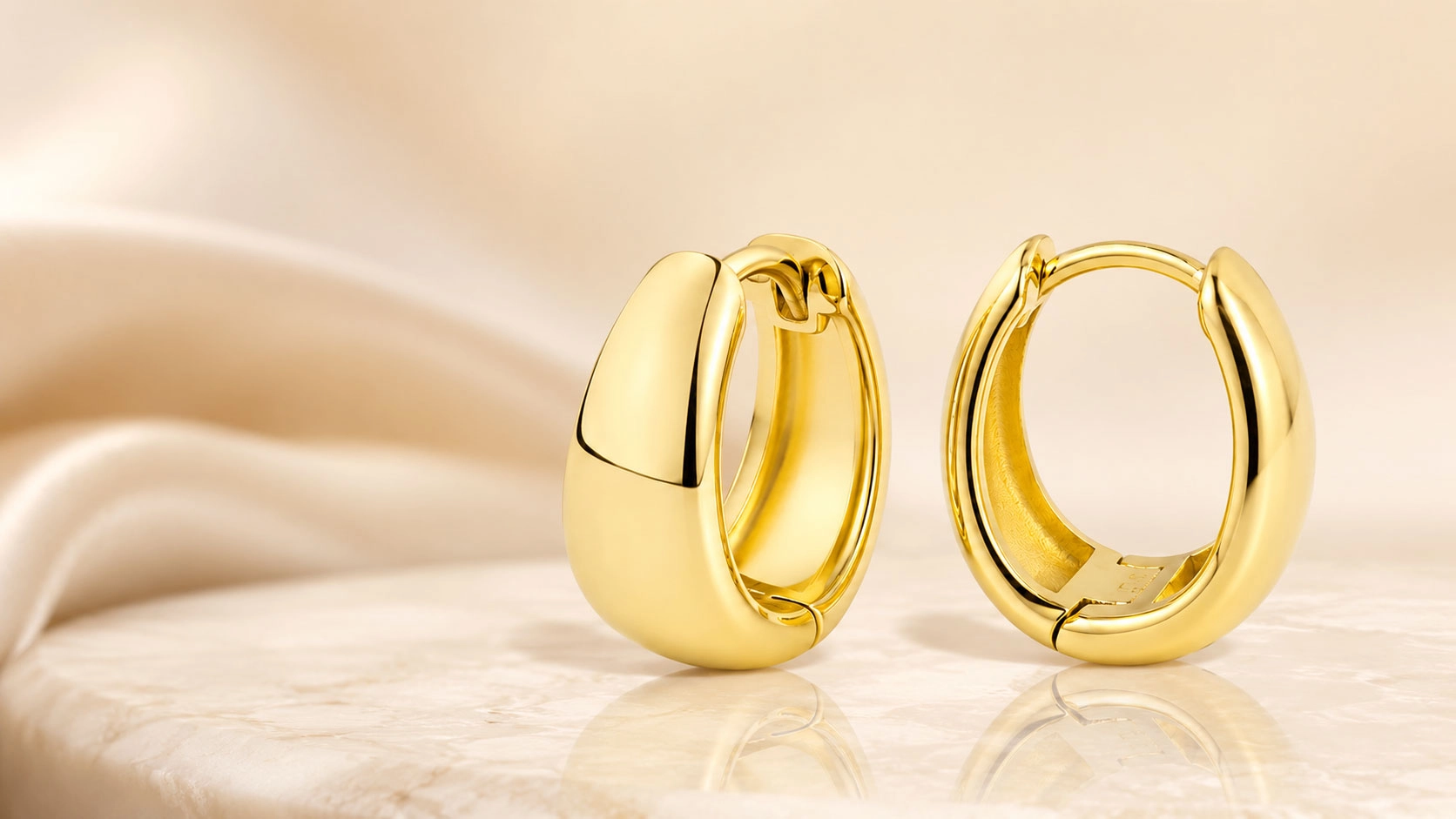
What Is Gold Vermeil Jewelry? A Complete Guide for Brands and Retailers
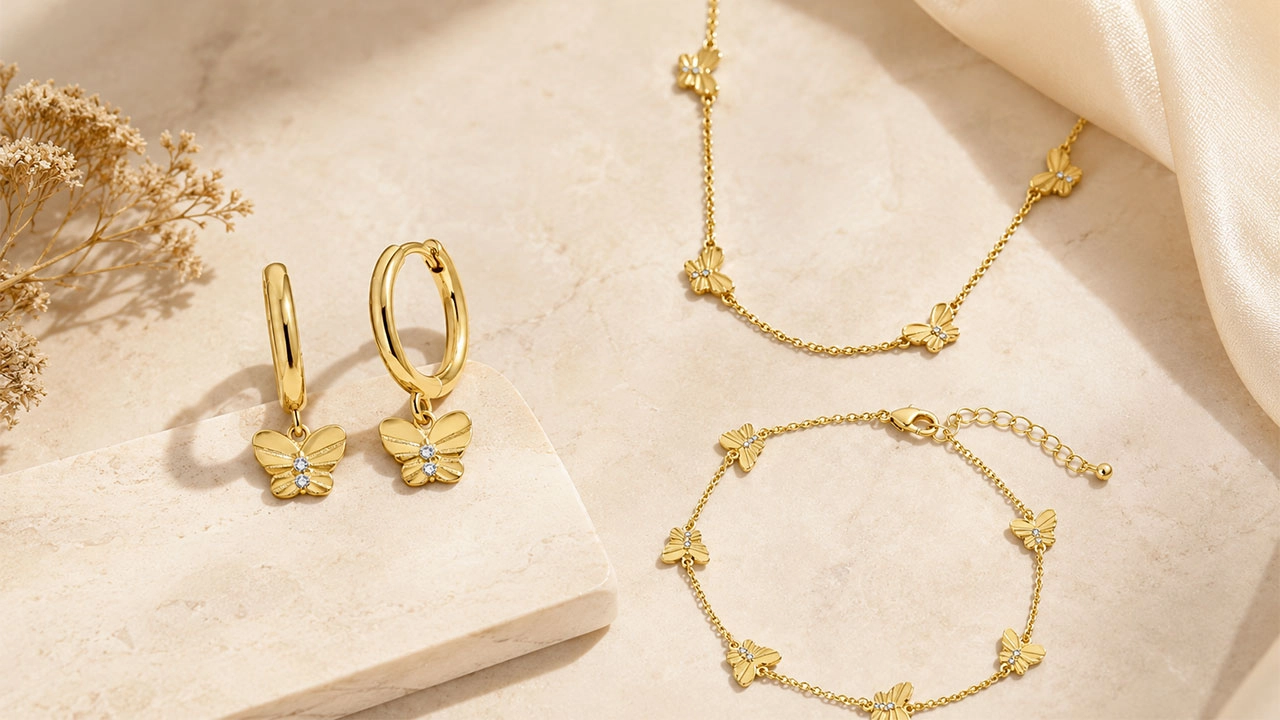
Thick Gold Plated Jewelry Manufacturer for 925 Silver & Brass Jewelry
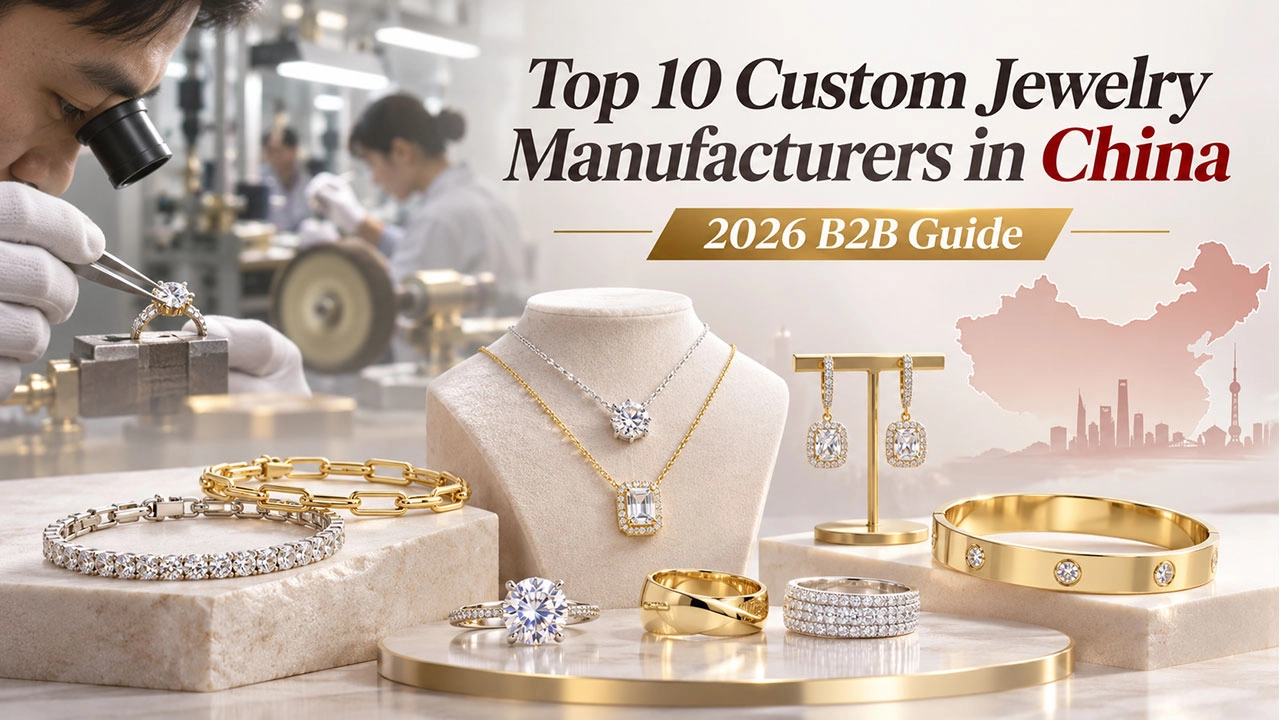
Top 10 Custom Jewelry Manufacturers in China (2026)
How to Choose a Gold Vermeil Jewelry Manufacturer
Gold Vermeil vs. Gold-Plated Jewelry: Which Fits Your Luxury Jewelry Brand?
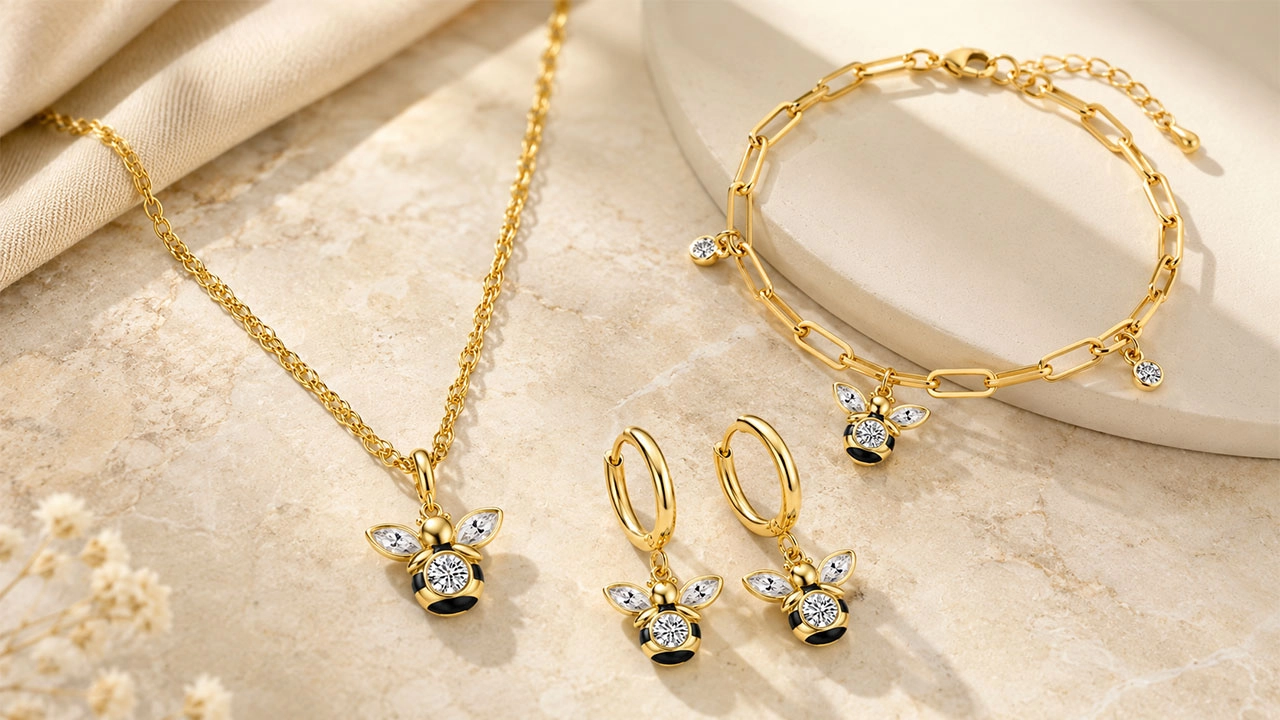
Can Silver or Brass Be PVD Coated? A Professional Guide for Jewelry Brands
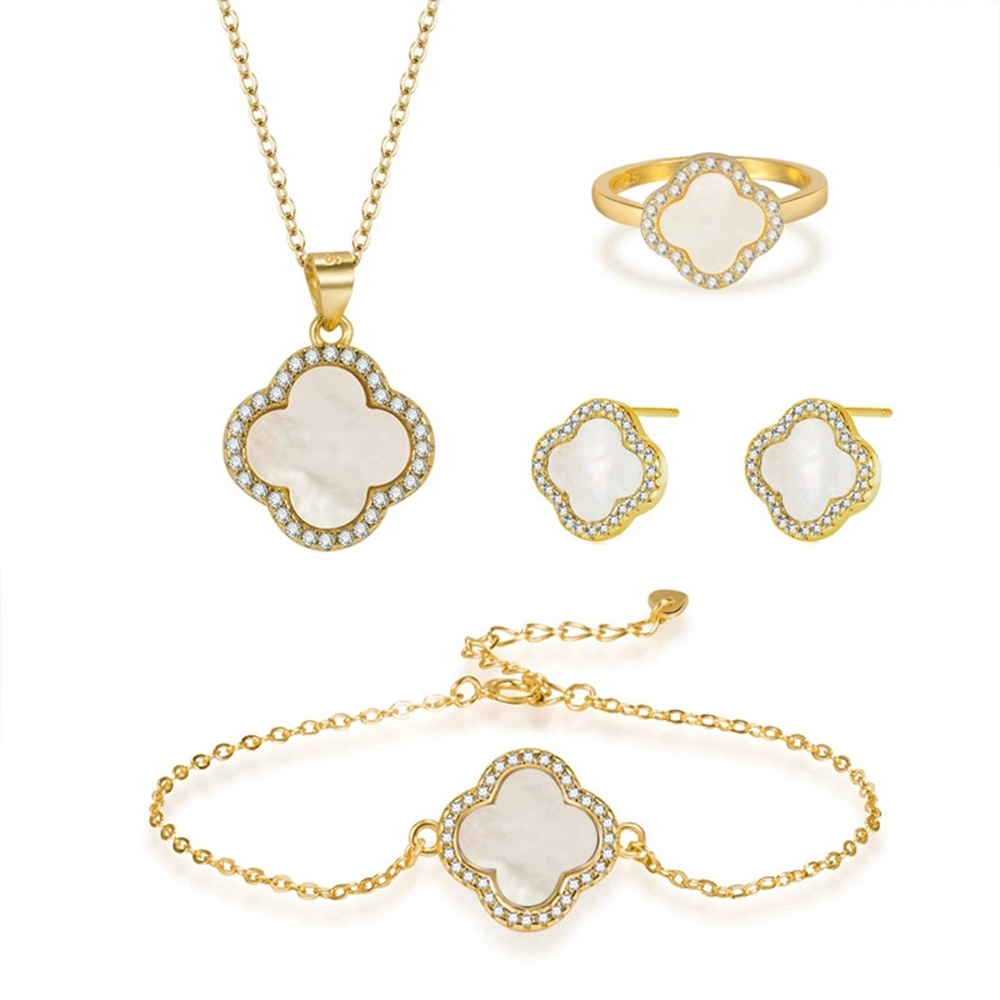
Wholesale Jewelry 925 Sterling Silver Four Leaf Clover Jewelry Sets.
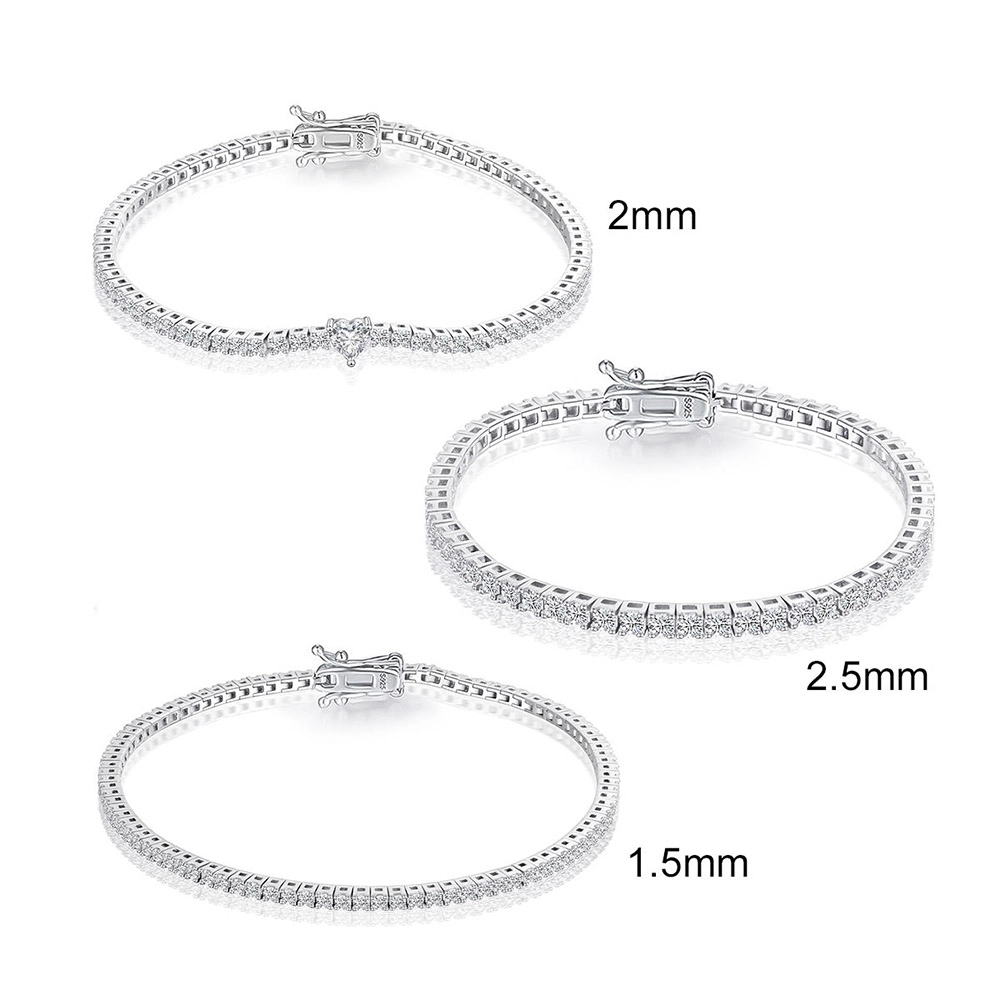
Customizable High-Quality Fashion 925 Sterling Silver AAA Cubic Zirconia Heart-Shaped Open Tennis Bracelet.
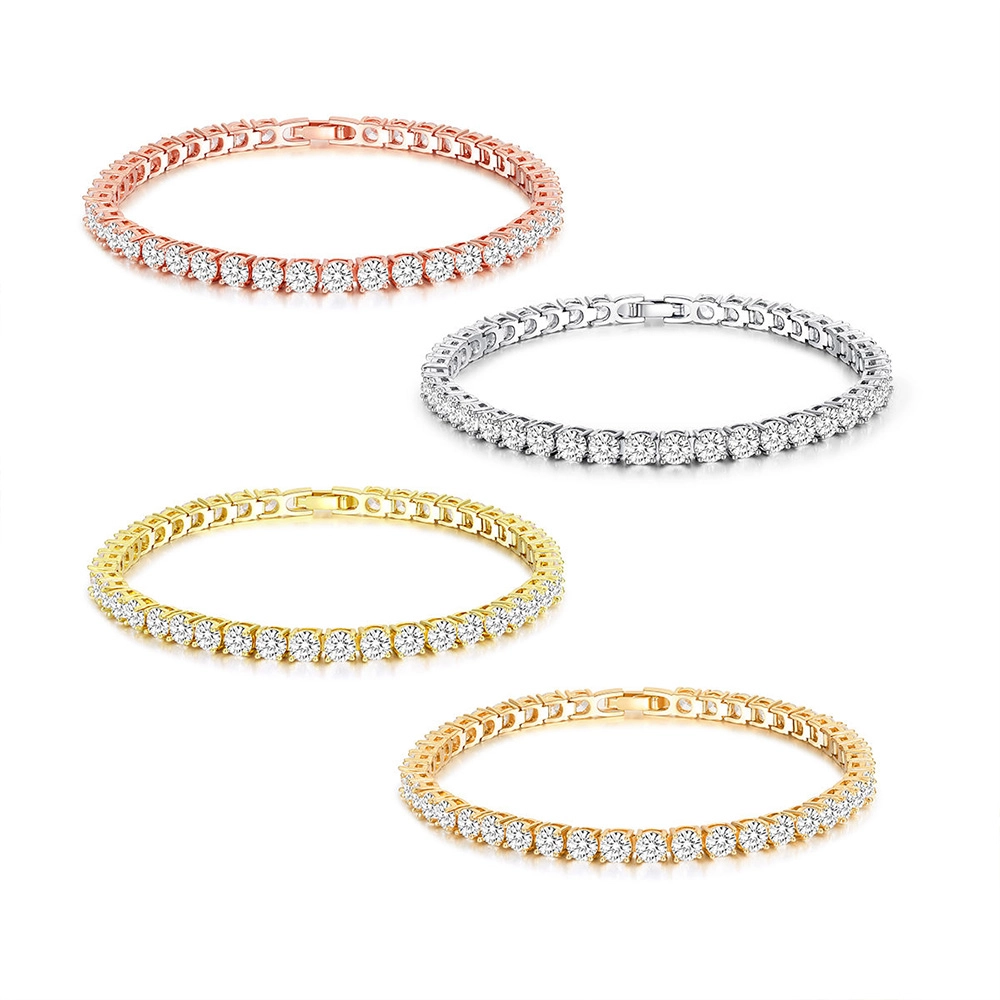
Customizable OEM ODM High-Quality Fashion Brass AAA Cubic Zirconia Classic Tennis Bracelet for Women Wholesale.
925 Sterling Silver Two Tone Flower Huggie Earrings Wholesale
Brass Mother of Pearl Compass Huggie Drop Earrings | 14K 18K Gold Plated Hypoallergenic Jewelry
Custom Hailey Charm Hoop Earrings with Oval CZ in 925 Sterling Silver
Product Categories
Discuss Your Ideas with a Professional Custom Jewelry Manufacturer
We provide personalized jewelry customization services for clients worldwide.
Rest assured that your privacy is important to us, and all information provided will be handled with the utmost confidentiality.
By clicking 'Send Inquiry Now' I agree to ZHEFAN JEWELRY processing my personal data.
To see how to withdraw your consent, how to control your personal data and how we process it, please see our Privacy Policy and Terms of use.
From design to production, ZHEFAN JEWELRY offers a one-stop solution to help you enhance your brand value and market competitiveness.
Get A Quote
Contact
Tel: (+86) 188 1927 7817
© 2026 Zhefan Jewelry. All Rights Reserved.
Facebook
Instagram
YouTube
Whatsapp: +8618819277817