




Email: sales3@zhefanjewelry.com
How to Verify the Authenticity of Gemstones Used by Your OEM Jewelry Manufacturer?
Learn how to check gemstone identity, treatments, reports, and batch traceability before approving an OEM jewelry order, and how to set practical verification requirements with your supplier.
Quick Answer
An OEM jewelry manufacturer should substantiate gemstone identity with traceable stone descriptions, treatment disclosures, and independent gemological testing when the risk warrants it. Request reports tied to the actual stones, then verify report numbers and identifying details before approval. Key checks include species, natural or laboratory-grown status, treatments, origin claims, and lot traceability; the right evidence depends on the stones and project.
How Your Supplier Can Support Gemstone Verification Projects
Ask the supplier to document the agreed gemstone type, whether stones are natural or laboratory-grown, known treatments, and any origin claims being made. Request stone-level reports for individually significant gems and clear lot identification for calibrated or commercial-grade parcels. These documents help establish what was represented, but do not by themselves prove that every stone in a later shipment matches the documentation.
Before sampling or production, confirm the stone specifications, report requirements, inspection method, acceptance criteria, and how nonconforming stones will be handled. Agree whether an independent gemological laboratory is needed and who will arrange and pay for testing. MOQ, lead time, testing scope, and quotation must be confirmed per project because the gemstone type, order size, and verification plan affect them.
Discuss Gemstone Verification for Your Project
Share the target market, gemstone species, natural or laboratory-grown requirement, treatment limits, origin claims, approximate stone size and quantity, and any existing reports or design specifications. These details help define suitable documentation, sampling, independent testing, and approval steps before a bulk order proceeds. Send your project requirements to sales3@zhefanjewelry.com to discuss a practical gemstone verification plan with your OEM supplier.
Gemstone Verification FAQs
How can I confirm a gemstone is natural before production?
Start by defining the exact claim you need verified: gemstone species, natural versus laboratory-grown status, and any detectable treatment. For a valuable or commercially significant stone, request a report from a qualified independent gemological laboratory and check that the report number and stone description match the stone supplied. A report applies to the item examined, not automatically to other stones in the parcel. For calibrated or lower-value goods, agree on lot identification, representative sampling, and an escalation process for questionable stones. Visual appearance and a supplier’s label alone are not reliable proof of natural origin.
What documents prove a colored stone’s origin and treatment?
Request an itemized invoice or packing list describing the stone type and quantity, a written treatment disclosure, and any laboratory report or origin report available for the specific stone. A gemological report may identify the material and state detected treatments; geographic-origin opinions are a separate service and may not be available or conclusive for every stone. Check that the report identifies the submitted stone and that its number can be verified with the issuing laboratory. Commercial documents establish what the seller represented, while a lab report records findings on the examined item; neither should be treated as proof for unrelated stones in a shipment.
Can a supplier’s gem report verify every production batch?
No. A report generally concerns the particular stone or stones submitted for examination; it does not authenticate later production lots unless those lots are separately covered by a clearly defined and credible testing plan. For bulk orders, require parcel or lot identifiers, keep approved reference samples where practical, and set a written sampling method and acceptance criteria before production. If the stones are high value, have varied origins, or carry material treatment or natural-origin claims, consider independent testing of production samples or the finished batch. Confirm chain of custody so tested samples can be connected to the goods being accepted.
How should I sample-check stones in a bulk OEM order?
First separate goods into identifiable lots by supplier, species, size range, and claimed treatment or origin; do not combine unlike parcels for convenience. Agree in writing on who selects samples, how they are selected, the sample quantity, test methods, acceptance thresholds, and what happens if a result fails. Random sampling can reveal inconsistencies but cannot establish that every untested stone is authentic. Increase scrutiny when lots are mixed, claims carry a price premium, or visual variation suggests different materials. Preserve samples and records from approval and delivery, and use an independent laboratory for disputed or consequential findings.
Which tests distinguish lab-grown stones from natural gemstones?
There is no single universal test for all gemstones. Identification depends on the species and may involve microscopy, spectroscopy, chemical analysis, or other laboratory methods that detect growth features or characteristic inclusions. Common gemological instruments can help screen some stones, but a screening result is not necessarily a definitive identification. Some natural and laboratory-grown gems are difficult to distinguish without advanced testing, and treatment can further complicate assessment. Specify the gemstone and the precise question for the laboratory, such as natural versus laboratory-grown or detection of a particular treatment, rather than requesting a vague authenticity test.
What contract terms protect buyers from gemstone substitutions?
Write the required gemstone species, natural or laboratory-grown status, permitted treatments, disclosed origin claims, quality range, and acceptable substitutes into the purchase specification. Require each shipment to carry lot identifiers linked to invoices and agreed documentation, and state whether reports apply to individual stones or only submitted samples. Define pre-production approval, inspection and sampling rights, independent testing for disputes, rejection or replacement remedies, and responsibility for testing costs. For high-value stones, consider sealed or otherwise identifiable reference samples and documented custody from approval through delivery. Have local counsel review terms for the destination market and applicable consumer or product-claim rules.
Recommended for you
What Is Gold Vermeil Jewelry? A Complete Guide for Brands and Retailers
Thick Gold Plated Jewelry Manufacturer for 925 Silver & Brass Jewelry
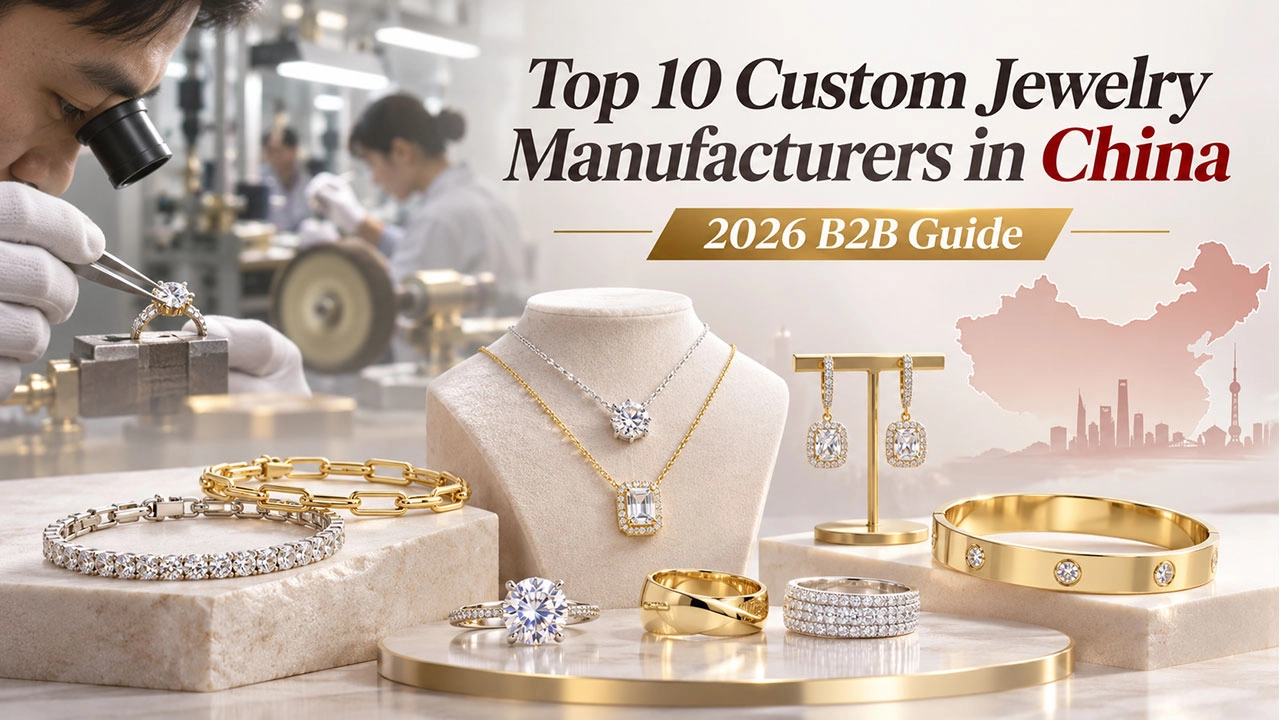
Top 10 Custom Jewelry Manufacturers in China (2026)
How to Choose a Gold Vermeil Jewelry Manufacturer
Gold Vermeil vs. Gold-Plated Jewelry: Which Fits Your Luxury Jewelry Brand?
Can Silver or Brass Be PVD Coated? A Professional Guide for Jewelry Brands
Custom Butterfly Hoop Earrings with Cubic Zirconia | 18K Gold Plated Jewelry
OEM Fish Shaped Necklace with Blue Enamel craft & Cubic Zirconia | 18K Gold Plated Custom Jewelry
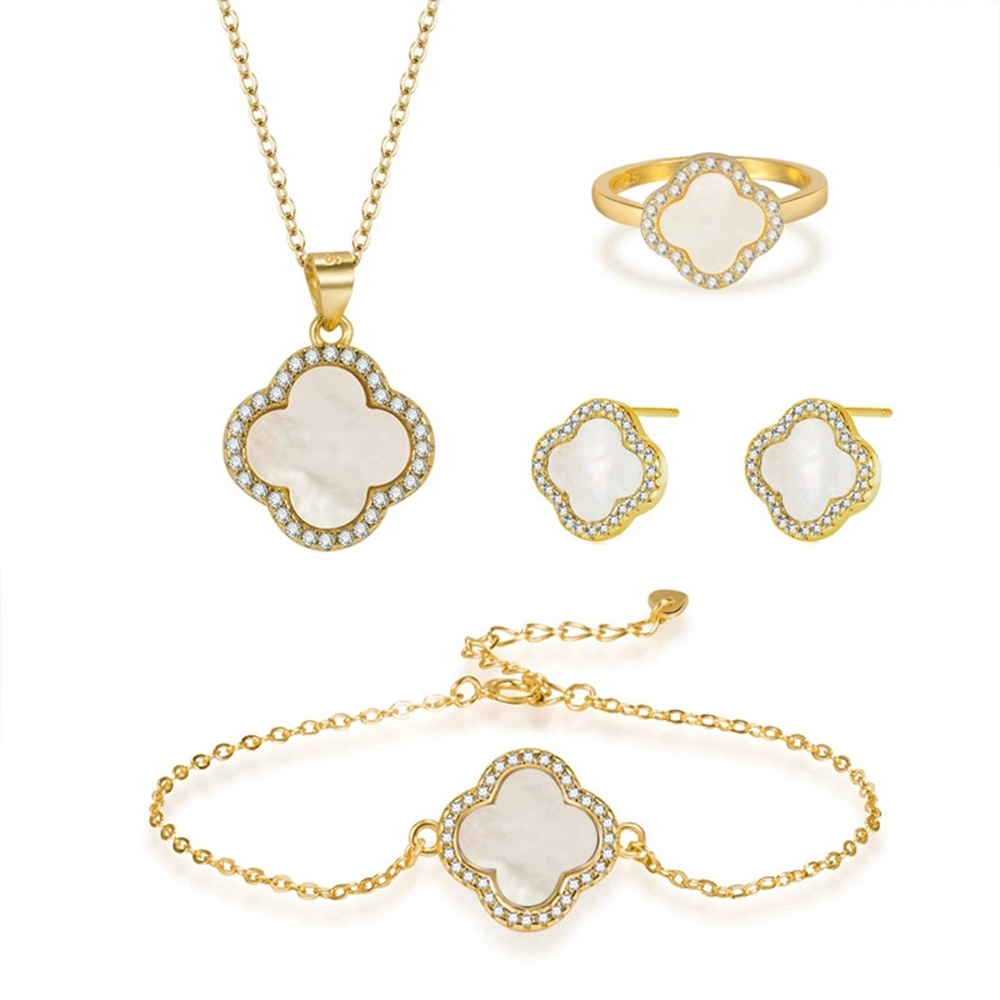
Wholesale Jewelry 925 Sterling Silver Four Leaf Clover Jewelry Sets.
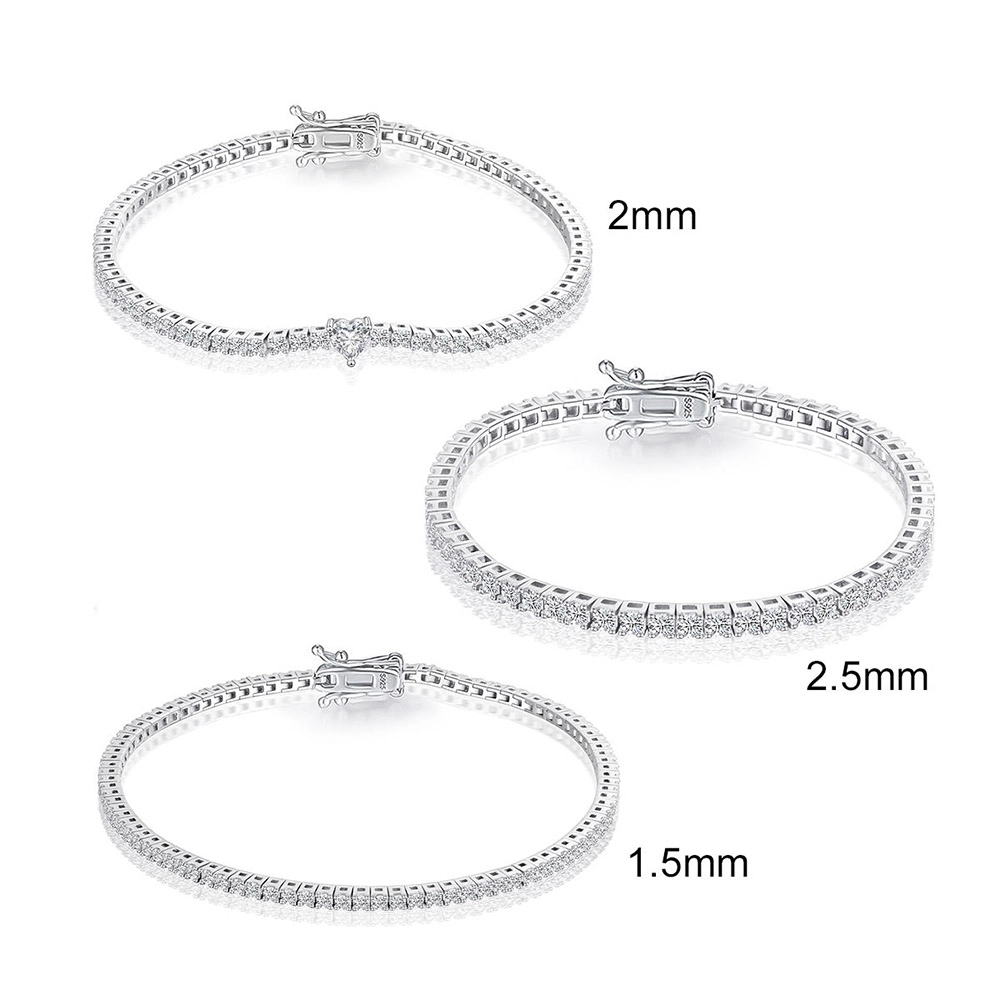
Customizable High-Quality Fashion 925 Sterling Silver AAA Cubic Zirconia Heart-Shaped Open Tennis Bracelet.
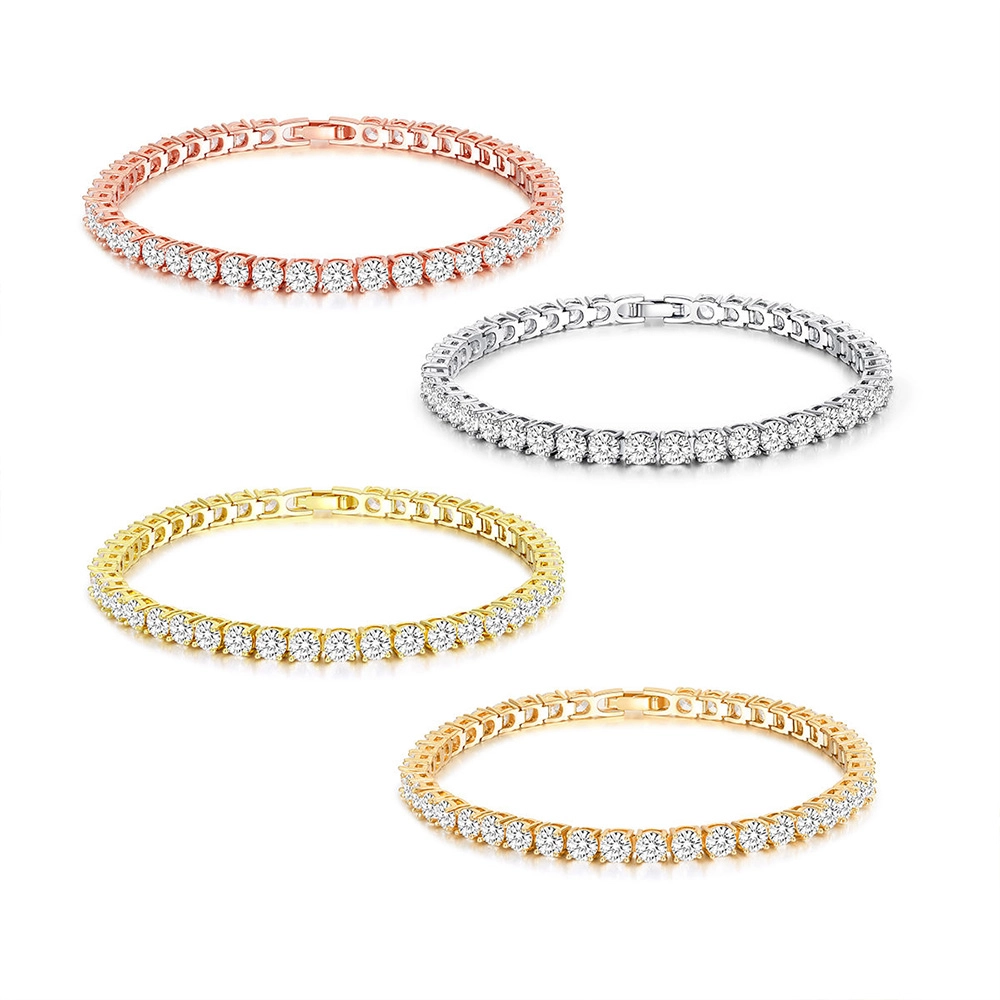
Customizable OEM ODM High-Quality Fashion Brass AAA Cubic Zirconia Classic Tennis Bracelet for Women Wholesale.
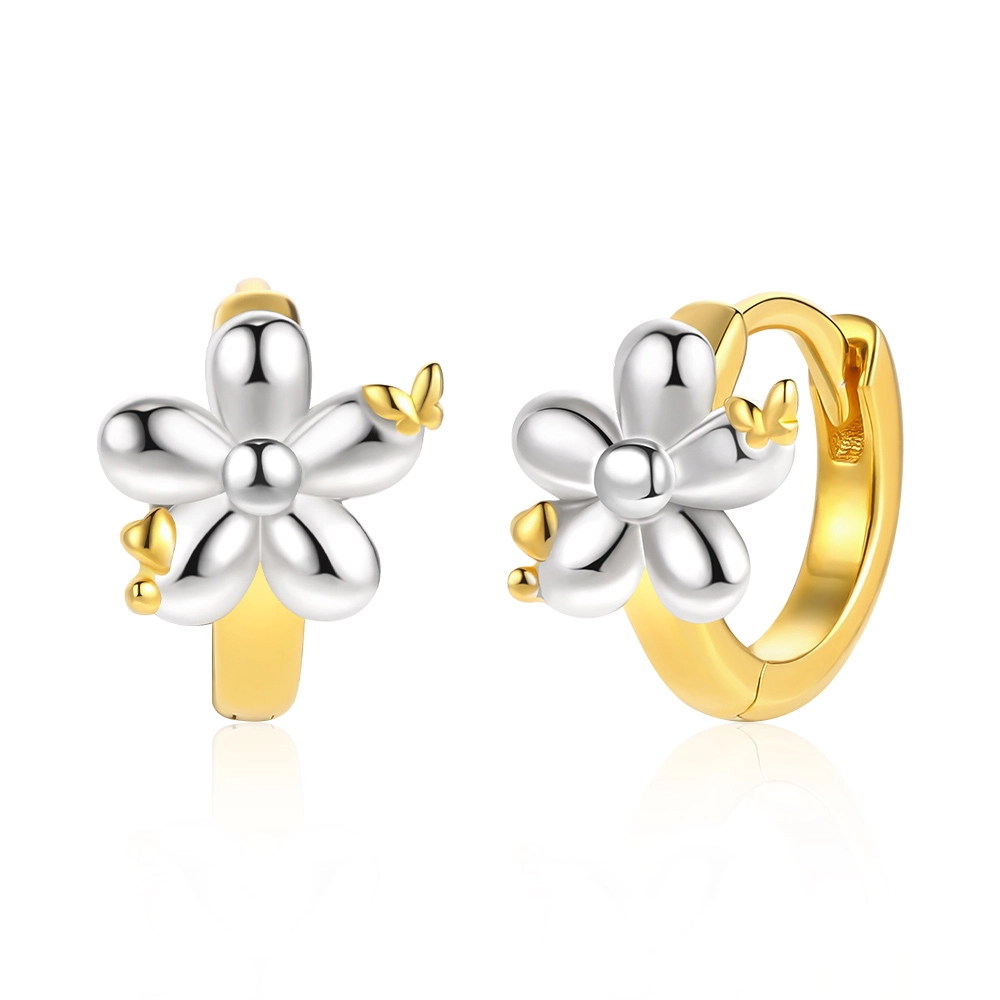
925 Sterling Silver Two Tone Flower Huggie Earrings Wholesale
Product Categories
Discuss Your Ideas with a Professional Custom Jewelry Manufacturer
We provide personalized jewelry customization services for clients worldwide.
Rest assured that your privacy is important to us, and all information provided will be handled with the utmost confidentiality.
By clicking 'Send Inquiry Now' I agree to ZHEFAN JEWELRY processing my personal data.
To see how to withdraw your consent, how to control your personal data and how we process it, please see our Privacy Policy and Terms of use.
From design to production, ZHEFAN JEWELRY offers a one-stop solution to help you enhance your brand value and market competitiveness.
Get A Quote
Contact
Tel: (+86) 188 1927 7817
© 2026 Zhefan Jewelry. All Rights Reserved.
Facebook
Instagram
YouTube
Whatsapp: +8618819277817