





Email: sales3@zhefanjewelry.com
Why Are Pearl Quality and Grading Standards Essential When Choosing a Pearl Jewelry Manufacturer?
Learn why clear, type-specific pearl grading matters for product selection, pricing, quality control, and repeat orders. This guide explains how buyers can compare supplier grading systems, define pearl specifications, verify samples, and document acceptable variation before production.
Why Are Pearl Quality and Grading Standards Essential When Choosing a Pearl Jewelry Manufacturer?
Quick Answer
Pearl quality and grading standards matter because they make product selection, pricing, and repeat-order expectations more consistent. When evaluating a pearl jewelry manufacturer, ask for a written, type-specific grading description and verify it against approved samples. Compare pearl type, luster, surface, shape, size, and matching; final specifications should be settled through project-specific sampling and inspection.
How Buyers Can Assess Manufacturer Support
A supplier should be able to explain how it describes and selects pearls for the proposed design, and provide samples that let buyers assess the stated characteristics. Treat grading terms as supplier-specific unless the supplier defines the scale and the criteria behind each grade. A clear written specification is more useful than an unexplained grade label.
Before proceeding, confirm pearl type and origin information where available, the grading rubric, acceptable variation, sample approval process, and how production lots will be checked against the approved reference. MOQ, lead time, testing scope, and quotation must be confirmed per project; they should not be assumed from a general product description.
Discuss Your Pearl Project Requirements
Share your target market, jewelry design, pearl type, desired size and shape, preferred color and luster, target price range, and expected order quantity. These details help frame a discussion about suitable pearl options, specification wording, sample approval, and production checks. Send your brief to sales3@zhefanjewelry.com to discuss options with a pearl jewelry manufacturer.
Pearl Quality and Grading FAQs
How do pearl grading systems differ between suppliers?
There is no single universally adopted grading scale for all cultured pearls. Suppliers may use letter grades, numbered tiers, or descriptions such as commercial and fine, but the meaning of those labels can differ. The Gemological Institute of America describes seven value factors for cultured pearls: size, shape, color, luster, surface quality, nacre quality, and matching. That framework is useful for discussing value, but it does not make every supplier’s grade label equivalent. Ask for the written criteria behind each grade and confirm which factors are included, how they are assessed, and whether the scale applies to the specific pearl type being offered.
Which pearl traits should buyers include in specifications?
Specify the pearl type and the traits that matter to the design: size range, shape, body color and any relevant overtone, luster, surface characteristics, and matching requirements. For strands or multi-pearl pieces, state how much variation in size, color, shape, and appearance is acceptable across the piece. Nacre quality is also relevant for many cultured pearls, but buyers should ask how a supplier assesses or evidences it rather than assuming a grade label provides a measurement. Include treatment or enhancement disclosure where applicable, and distinguish required characteristics from preferences so suppliers can quote and select consistently.
How can buyers verify pearl grades before bulk production?
Request representative physical samples and a written description of the grade criteria before approving production. Assess samples under consistent lighting and viewing conditions, and compare them with the supplier’s stated attributes rather than relying only on photographs, which can shift apparent color and luster. Record the approved sample or reference images, define acceptable variation, and agree how production will be checked against that reference. For higher-value, disputed, or compliance-sensitive orders, consider independent gemological assessment with a scope suited to the question; a report should not be treated as a substitute for clear product specifications or batch-level acceptance criteria.
Do higher pearl grades always justify a higher price?
Not automatically. A grade label is meaningful only when its criteria are clear, and price reflects more than a broad quality tier. Pearl type, size, shape, color, luster, surface condition, matching, availability, and the design’s requirements can all affect value. A visibly higher grade may not improve the finished piece enough to justify its added cost for a particular market or price point. Compare like with like: request the same pearl type and comparable dimensions, ask which attributes account for the price difference, and evaluate samples against the appearance and durability requirements of the product.
How should pearl matching be assessed in jewelry sets?
Matching means assessing how well pearls work together as a group, not assuming that every pearl is identical. Review size, shape, color, overtone, luster, and surface appearance across the complete strand, pair, or set. Check the actual assembled piece where practical, since individual samples may not reveal how variation appears when worn. Define the acceptable degree of variation in the specification and approve a representative reference. Some designs intentionally use graduated sizes or contrasting colors; in those cases, document the intended pattern so normal design variation is not mistaken for a production inconsistency.
What should a pearl grading report document for reorders?
A useful record identifies the pearl type and the supplier’s grading method, then describes the relevant attributes and acceptable ranges rather than relying on a grade label alone. It should connect the approved description or reference sample to the product design and, where used, the production lot or batch. Record applicable treatment disclosures, measurement conventions, sample approval, and the agreed approach to checking production. This creates a practical comparison point for later orders, but it does not ensure that natural or cultured products from different harvests will be visually identical. Reconfirm the specification and reference sample when placing a reorder.
Recommended for you
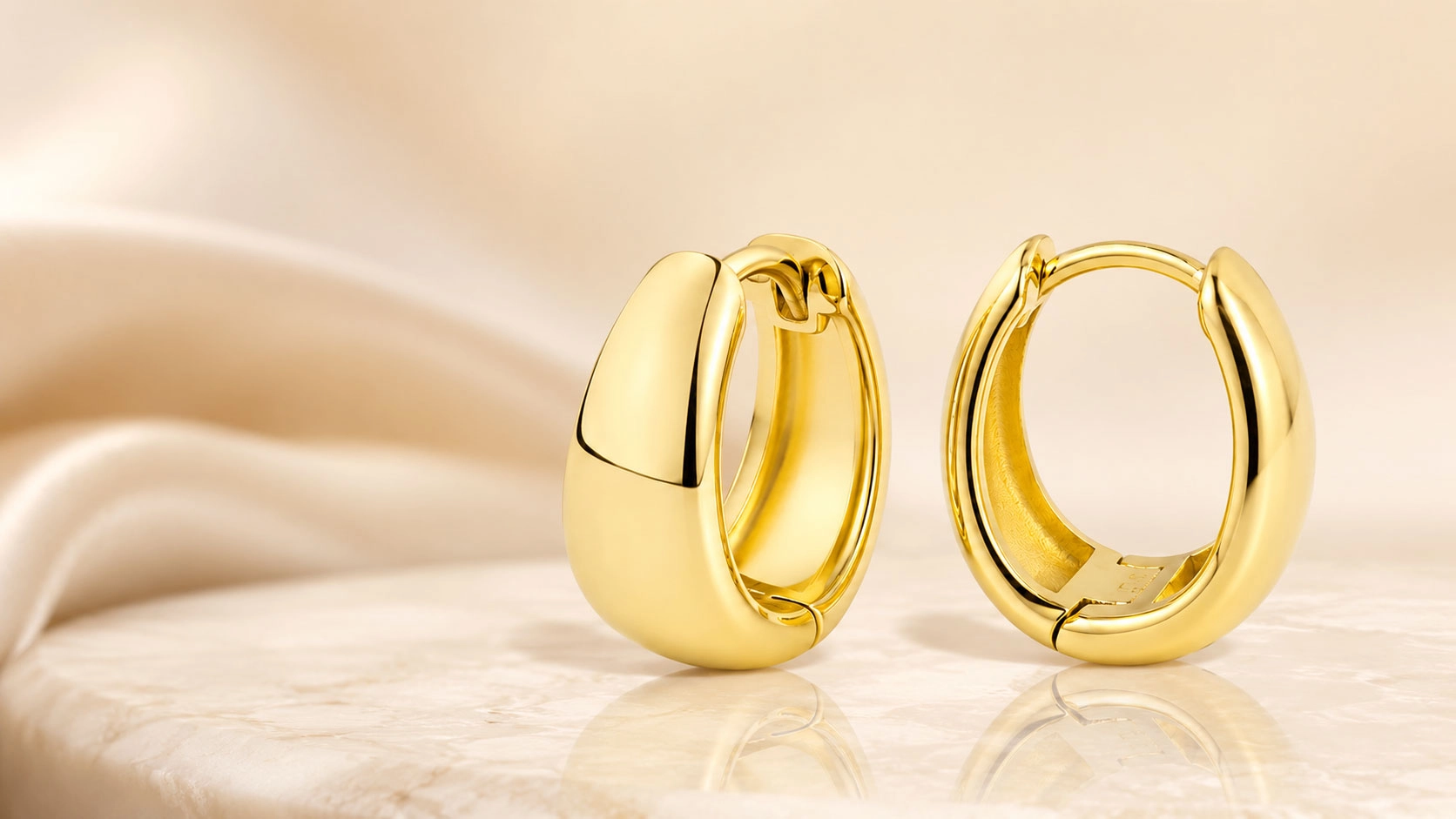
What Is Gold Vermeil Jewelry? A Complete Guide for Brands and Retailers
Thick Gold Plated Jewelry Manufacturer for 925 Silver & Brass Jewelry
Top 10 Custom Jewelry Manufacturers in China (2026)
How to Choose a Gold Vermeil Jewelry Manufacturer
Gold Vermeil vs. Gold-Plated Jewelry: Which Fits Your Luxury Jewelry Brand?
Can Silver or Brass Be PVD Coated? A Professional Guide for Jewelry Brands
Wholesale Jewelry 925 Sterling Silver Four Leaf Clover Jewelry Sets.
Customizable High-Quality Fashion 925 Sterling Silver AAA Cubic Zirconia Heart-Shaped Open Tennis Bracelet.
Customizable OEM ODM High-Quality Fashion Brass AAA Cubic Zirconia Classic Tennis Bracelet for Women Wholesale.
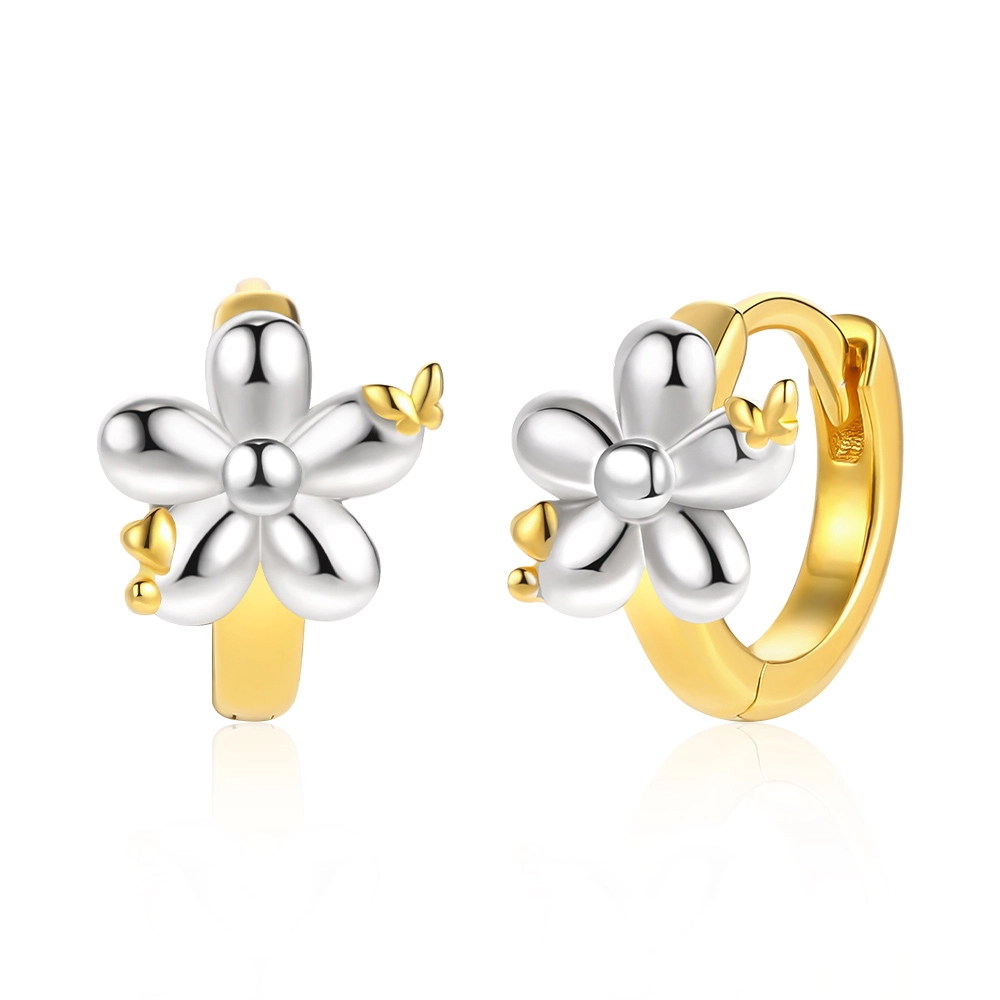
925 Sterling Silver Two Tone Flower Huggie Earrings Wholesale
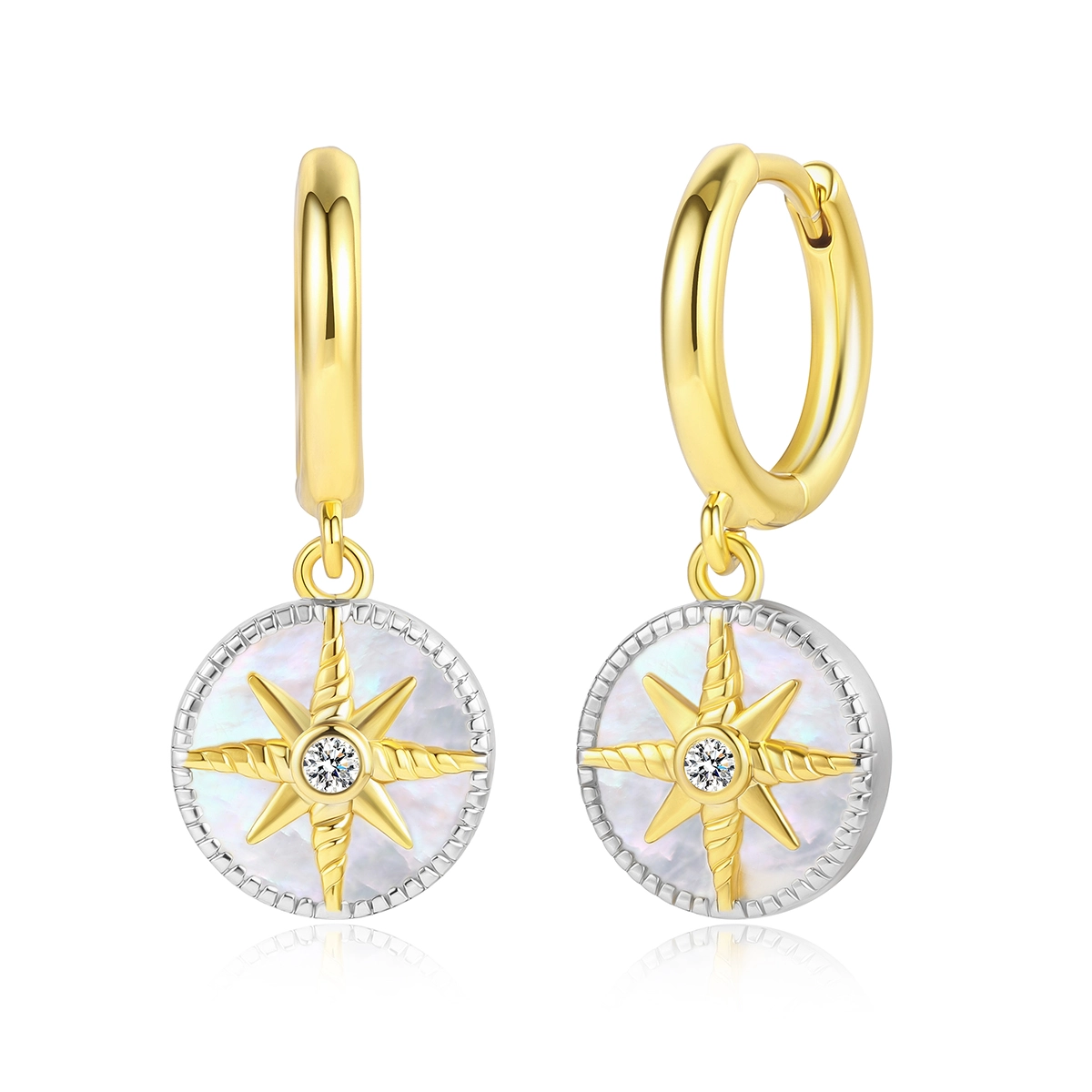
Brass Mother of Pearl Compass Huggie Drop Earrings | 14K 18K Gold Plated Hypoallergenic Jewelry
Custom Hailey Charm Hoop Earrings with Oval CZ in 925 Sterling Silver
Product Categories
Discuss Your Ideas with a Professional Custom Jewelry Manufacturer
We provide personalized jewelry customization services for clients worldwide.
Rest assured that your privacy is important to us, and all information provided will be handled with the utmost confidentiality.
By clicking 'Send Inquiry Now' I agree to ZHEFAN JEWELRY processing my personal data.
To see how to withdraw your consent, how to control your personal data and how we process it, please see our Privacy Policy and Terms of use.
From design to production, ZHEFAN JEWELRY offers a one-stop solution to help you enhance your brand value and market competitiveness.
Get A Quote
Contact
Tel: (+86) 188 1927 7817
© 2026 Zhefan Jewelry. All Rights Reserved.
Facebook
Instagram
YouTube
Whatsapp: +8618819277817