








Email: sales3@zhefanjewelry.com
What Are the Critical Quality Control Standards for a Professional OEM Jewelry Manufacturer?
Learn how to assess material verification, inspection sampling, plating performance, nickel-release compliance, final inspection, and corrective-action records when qualifying an OEM jewelry supplier.
Quick Answer
A professional oem jewelry manufacturer should control documented specifications, material identity and fineness, in-process workmanship, finished-product inspection, and risk-based testing. Buyers should request traceable records and agreed acceptance criteria rather than rely on a generic quality-checked claim. Key variables include alloy, finish, dimensions, wear exposure, and destination-market rules; final controls depend on the design and required testing.
How an OEM Manufacturer Supports Projects
No brand or company profile was provided, so specific factory equipment, certifications, testing facilities, or past performance cannot be verified. For supplier qualification, request a controlled drawing or specification, material and process traceability, first-article approval, documented inspection records, and a defined nonconformance process; verify these against a sample order rather than treating them as assumed capabilities.
Confirm the alloy and fineness method, dimensional tolerances, finish and plating criteria, cosmetic defect limits, sample size and acceptance rules, and destination-market compliance. Set acceptance criteria before purchase-order approval and state who pays for outside testing. MOQ, lead time, testing scope, and quotation must be confirmed per project because they depend on design, volume, and requested controls.
Discuss Your Jewelry Quality Control Requirements
To scope a QC plan, provide your target market, product drawings or dimensions, material preference, finish requirements, order quantity, intended use, and any required test methods or buyer standards. These details help define inspection criteria, sample steps, and the records to request from a supplier. For a project-specific QC discussion, email sales3@zhefanjewelry.com.
Critical Quality Control FAQs for OEM Jewelry
How should incoming metal purity be verified before production?
Start by requiring the purchase specification to identify the alloy, claimed precious-metal fineness, applicable tolerances, and lot identification. Match incoming material to its supplier documentation and retain a record linking each batch to the production order. A certificate alone does not establish that the delivered lot matches the claim. X-ray fluorescence can provide a useful screening result, but it is a surface-oriented method and may not resolve every alloy or plating issue. If the result is disputed or the risk warrants it, agree on representative sampling and a suitable laboratory assay method. ISO 9202 specifies fineness grades for precious-metal alloys, while methods such as cupellation for gold are covered by standards including ISO 11426. Specify the method, sample handling, and decision rule before testing; some assay methods are destructive.
Which inspection sampling plan suits a small jewelry bulk order?
Choose the plan according to defect severity, lot size, process history, inspection cost, and the consequences of a defect—not by copying an AQL value without context. ISO 2859-1 provides attribute-sampling plans indexed by AQL, inspection level, and lot size. An AQL is a parameter used to select a sampling plan; it is not a promise that a lot contains that percentage of defects or proof that every item is acceptable. Define the lot, inspection level, defect classifications, sample size, and acceptance and rejection numbers in the purchase specification. For small or high-risk orders, consider 100% checks for straightforward visible or functional characteristics, while recognizing that destructive tests still require sampling. Record the selected plan and results so both parties apply the same criteria.
How can plating thickness and wear resistance be checked reliably?
First define the coating system, required thickness, measurement locations, substrate, and acceptable variation. Thickness can be assessed using an appropriate method such as X-ray fluorescence, coulometric measurement, or cross-section analysis; suitability depends on the coating, base material, geometry, and instrument setup. A visual appearance check cannot establish coating thickness. Test representative finished pieces and record where measurements were taken, since readings from one accessible flat area may not represent edges, recesses, or high-wear points. Wear resistance is a separate performance question: agree on a repeatable wear or corrosion procedure and acceptance criteria that reflect intended use. For relevant European nickel-release assessment of coated articles, EN 12472 is used for simulated wear and corrosion before the EN 1811 nickel-release test. Do not treat a thickness result as proof of wear performance.
What nickel release tests apply to skin-contact jewelry sold in Europe?
For applicable articles intended for direct and prolonged skin contact in the EU, REACH Annex XVII restriction 27 sets a nickel-release limit of 0.5 μg/cm²/week. For post assemblies inserted into pierced ears or other pierced parts of the human body, the limit is 0.2 μg/cm²/week. EN 1811 provides a reference test method for determining nickel release; coated articles may require simulated wear and corrosion under EN 12472 before testing. Confirm that the product falls within the relevant scope and check current legal requirements for the destination market, since product construction and use affect applicability. Request test reports that identify the tested sample, construction, preparation, method, and result. A material label such as nickel-free is not a substitute for evidence of compliance with the applicable release requirement.
Which dimensional and functional defects should final inspection catch?
Translate the approved drawing and sample into measurable checks before production, including critical dimensions, component alignment, closure operation, stone security, joint integrity, and surface finish. The precise list depends on the design: a clasp should open and close as specified, while a set stone should be checked for movement and visible setting defects. Inspect for sharp edges, cracks, incomplete soldering, scratches, plating skips, color mismatch, and assembly errors against agreed reference samples and defect definitions. Use suitable gauges or fixtures for dimensions and repeatable functional checks; visual inspection alone cannot verify hidden structural integrity. Separate critical safety or use-related defects from major and minor cosmetic defects, and define acceptance limits in the inspection plan. Retain records tied to the lot and approved design revision.
How should an OEM supplier document corrective actions for recurring defects?
A useful corrective-action record identifies the affected product and lot, defect evidence, quantity at risk, immediate containment, cause investigation, planned action, responsible owner, and verification of effectiveness. Link the record to the relevant drawing or specification revision, production date, inspection results, and disposition of affected stock. Sorting or reworking a defective batch may contain the immediate problem, but it does not by itself establish or correct the underlying cause. Ask the supplier to show how recurrence is checked in later production and how changes to process instructions or inspection criteria are controlled. Agree on notification timelines and approval rules for rework or replacement in the purchase terms. For recurring failures, trend defect data by type and process step rather than closing each case as an isolated complaint.
Recommended for you
What Is Gold Vermeil Jewelry? A Complete Guide for Brands and Retailers
Thick Gold Plated Jewelry Manufacturer for 925 Silver & Brass Jewelry
Top 10 Custom Jewelry Manufacturers in China (2026)
How to Choose a Gold Vermeil Jewelry Manufacturer
Gold Vermeil vs. Gold-Plated Jewelry: Which Fits Your Luxury Jewelry Brand?
Can Silver or Brass Be PVD Coated? A Professional Guide for Jewelry Brands
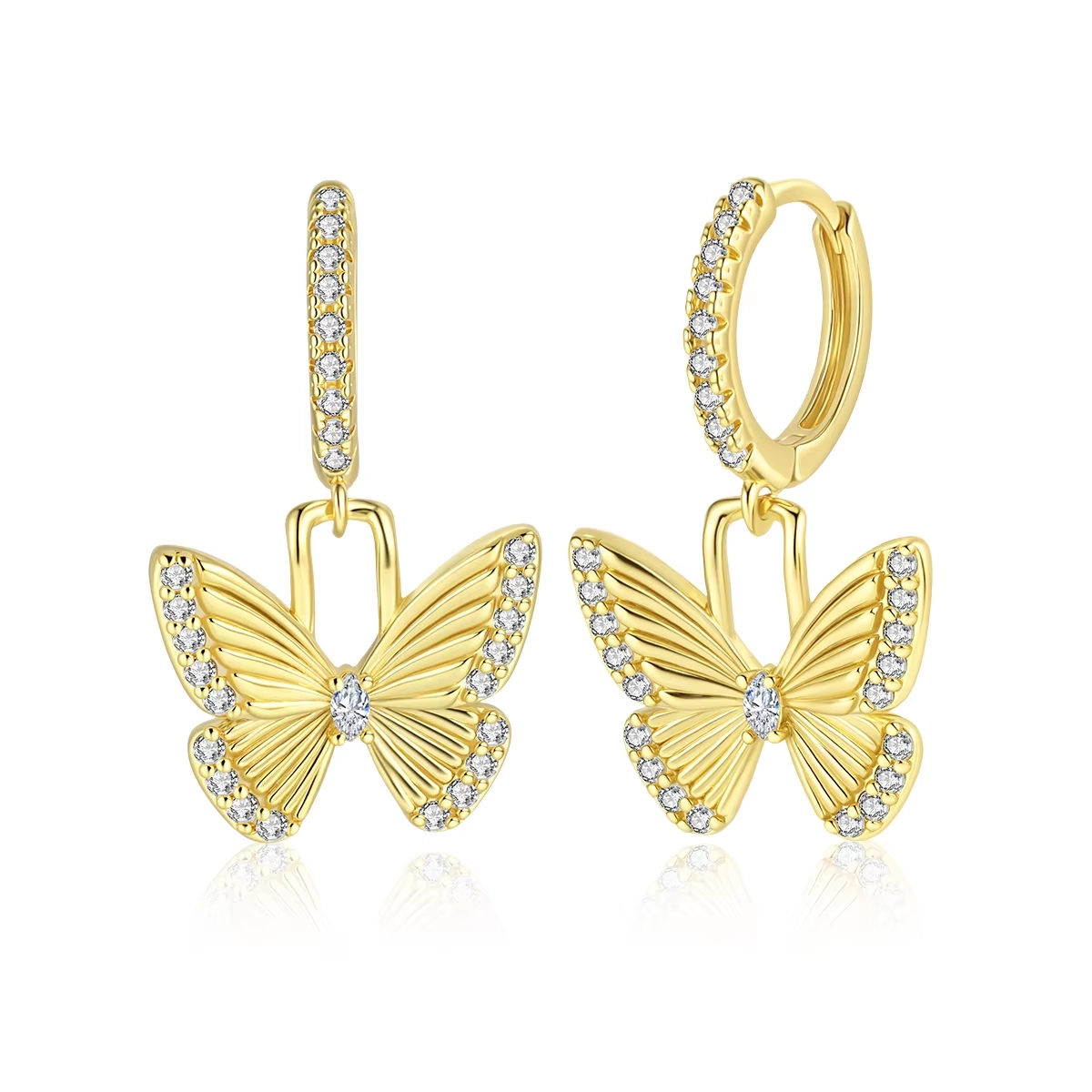
Custom Butterfly Hoop Earrings with Cubic Zirconia | 18K Gold Plated Jewelry
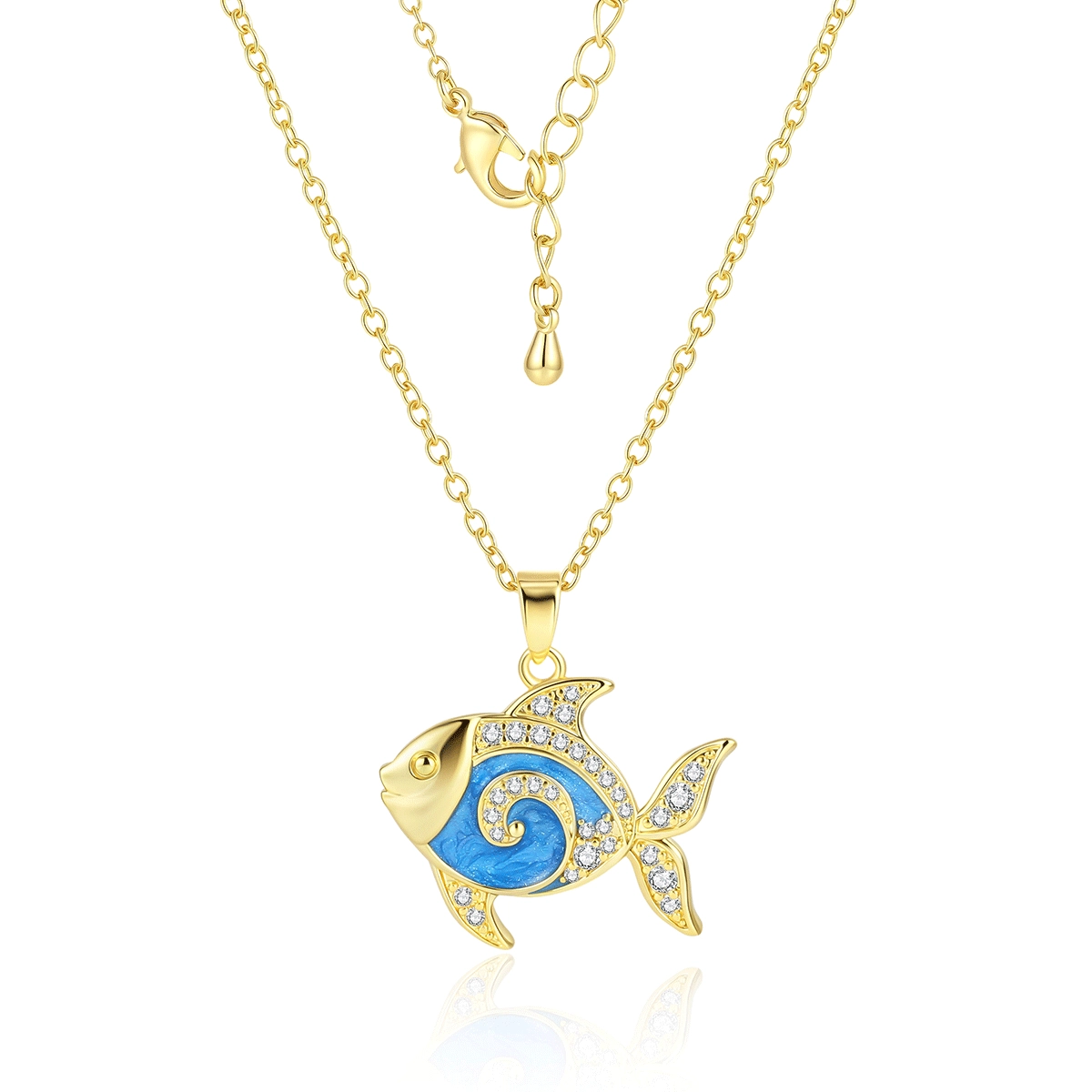
OEM Fish Shaped Necklace with Blue Enamel craft & Cubic Zirconia | 18K Gold Plated Custom Jewelry

Wholesale Jewelry 925 Sterling Silver Four Leaf Clover Jewelry Sets.

Customizable High-Quality Fashion 925 Sterling Silver AAA Cubic Zirconia Heart-Shaped Open Tennis Bracelet.

Customizable OEM ODM High-Quality Fashion Brass AAA Cubic Zirconia Classic Tennis Bracelet for Women Wholesale.

925 Sterling Silver Two Tone Flower Huggie Earrings Wholesale
Product Categories
Discuss Your Ideas with a Professional Custom Jewelry Manufacturer
We provide personalized jewelry customization services for clients worldwide.
Rest assured that your privacy is important to us, and all information provided will be handled with the utmost confidentiality.
By clicking 'Send Inquiry Now' I agree to ZHEFAN JEWELRY processing my personal data.
To see how to withdraw your consent, how to control your personal data and how we process it, please see our Privacy Policy and Terms of use.
From design to production, ZHEFAN JEWELRY offers a one-stop solution to help you enhance your brand value and market competitiveness.
Get A Quote
Contact
Tel: (+86) 188 1927 7817
© 2026 Zhefan Jewelry. All Rights Reserved.
Facebook
Instagram
YouTube
Whatsapp: +8618819277817