








Email: sales3@zhefanjewelry.com
How an OEM Jewelry Manufacturer Supports Long-Term Inventory Consistency and Quality?
Learn how controlled product specifications, sample approvals, change management, and inspection records can help buyers maintain consistent jewelry inventory across repeat orders.
Quick Answer
An OEM jewelry manufacturer supports long-term inventory consistency by controlling the approved specification, production references, and inspection criteria used for repeat orders. Buyers should assess sample approval, material and finish definitions, change control, and batch inspection records. Since no company profile or product details were supplied, specific capabilities cannot be verified; final controls depend on the design, testing, and market requirements.
How an OEM Jewelry Manufacturer Supports Projects
No brand name, company profile, or product catalog was provided, so supplier-specific OEM/ODM, traceability, inspection, or sampling capabilities cannot be confirmed. When assessing an oem jewelry manufacturer, request controlled drawings or specifications, approved reference samples, relevant material documentation, and written inspection criteria. Treat these as evidence to review, not services to assume.
Before ordering, confirm the applicable product version, dimensions and tolerances, material and finish definitions, gemstone acceptance criteria, packaging, and how proposed changes will be approved. Ask how inspection findings and production revisions are recorded and shared. MOQ, lead time, testing scope, and quotation must be confirmed for each project; none can be established from the information provided here.
Discuss Your Jewelry Reorder Requirements
Share your target market, design files or drawings, key dimensions and tolerances, preferred materials and finishes, gemstone requirements, expected reorder volume, and packaging or inspection needs. These details can support a discussion of suitable specification controls, sample approval steps, and questions to resolve before a bulk order. Send your project brief to sales3@zhefanjewelry.com to discuss a practical plan for consistent repeat production.
Long-Term Inventory Consistency and Quality FAQs
How can approved samples prevent variation across repeat jewelry orders?
An approved sample gives the buyer and factory a physical reference for appearance, construction, finish, and details that may be difficult to communicate through a short description. It does not, by itself, define acceptable production variation or prove that every later batch will match. Pair it with a dated drawing or specification that identifies dimensions, materials, finishes, components, and agreed tolerances. Keep the approval record, sample identification, and any later revisions together. For each reorder, confirm which approved version applies and whether the reference sample remains representative. If a component or process changes, request disclosure and approval before production rather than treating the original sample as blanket approval for all future versions.
Which production records help match metal color between batches?
A useful record set identifies the metal specification, supplier or grade where relevant, finish description, color reference, process specification, approved sample, and revision date. For plated or coated items, define the finish and any agreed measurable requirements with the supplier; visual color alone may not fully describe the coating or its performance. Keep dated photographs under consistent lighting as supplementary references, not as a substitute for physical or technical criteria. Buyers should also ask the factory to document approved substitutions and process changes. Color can appear different under different lighting, so agree on the viewing conditions and the acceptance method before production. Check local product and labeling rules for the intended market.
How should buyers manage gemstone differences in recurring collections?
Natural gemstones can vary in color, clarity, inclusions, and dimensions, so an exact visual match across separate purchases may not be realistic. Define acceptable ranges and selection priorities in writing, such as a color family, size range, cut, or permitted visible characteristics. Where close matching matters, approve a representative set or lot and clarify whether replacements require buyer approval. For treated, synthetic, or imitation stones, state the required type and any disclosure or documentation needed for the target market. Avoid relying on a single photograph to define a stone: image settings and lighting can change perceived color. Ask for a sample or production images when the design or price point makes variation commercially important.
What inspection checkpoints catch defects before bulk jewelry shipment?
A practical quality plan can include incoming checks for components, a first-piece or pre-production review, in-process checks for recurring assembly or finishing issues, and final inspection against the approved specification. Select checkpoints based on product risks: for example, examine closures and joints for function, dimensions for fit, and surfaces for visible defects. Write down defect classifications, acceptance criteria, inspection method, and who may release or reject goods. Sampling can make inspection more efficient, but a sample-based result does not establish that every unit is defect-free. ISO 2859-1 describes sampling procedures for inspection by attributes; it is not jewelry-specific, and any sampling plan should be agreed rather than assumed.
How do tolerances affect fit and appearance in repeat production?
A tolerance states how far a measured feature may vary from its specified value while still being acceptable. Without agreed tolerances, terms such as “about this size” leave room for disputes over ring fit, chain length, component alignment, stone setting, and visual symmetry. Specify critical dimensions, units, measurement points, and the method or tool used where practical. Distinguish critical-to-function features from cosmetic preferences, and review whether the proposed tolerance is feasible for the design and production method. Do not copy tolerances from an unrelated product: small changes can affect assembly or fit differently across designs. Approve the specification and sample together, then use the same revision for reorder checks.
What should change when a material or supplier changes?
Treat a change in material source, grade, component, finish process, or subcontractor as a controlled revision, not an informal substitution. Ask the supplier to identify what changed, why, which products and lots are affected, and what evidence supports continued fit and performance. Reassess properties relevant to the design, such as appearance, dimensions, assembly, wear, or applicable market compliance. Depending on the change, this may call for a revised sample, targeted testing, updated documentation, or buyer approval before production. Record the decision and effective date so future orders reference the correct version. The required review depends on the material, product claims, risk, and destination market; a supplier change does not automatically mean the product is equivalent.
Recommended for you
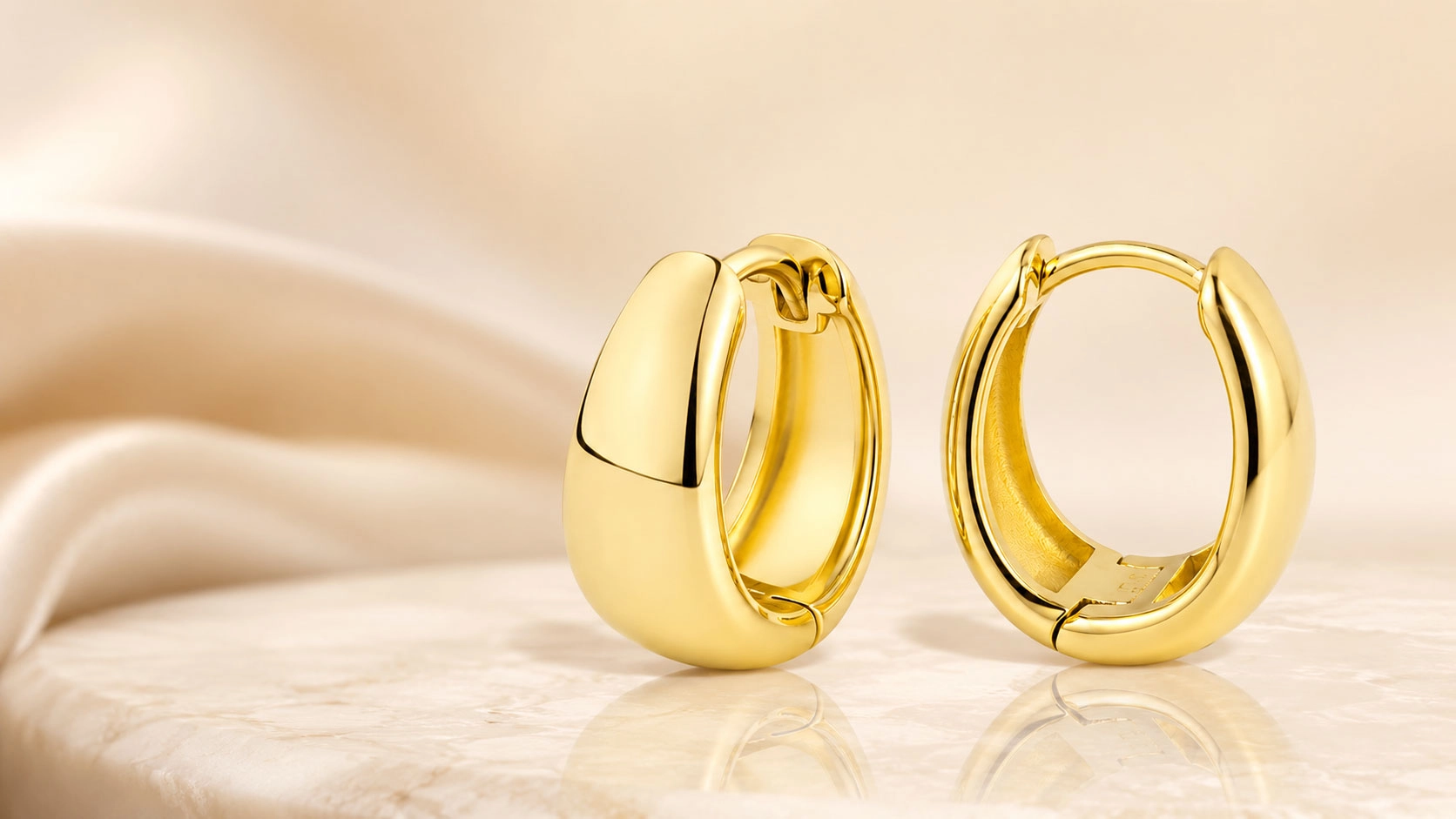
What Is Gold Vermeil Jewelry? A Complete Guide for Brands and Retailers
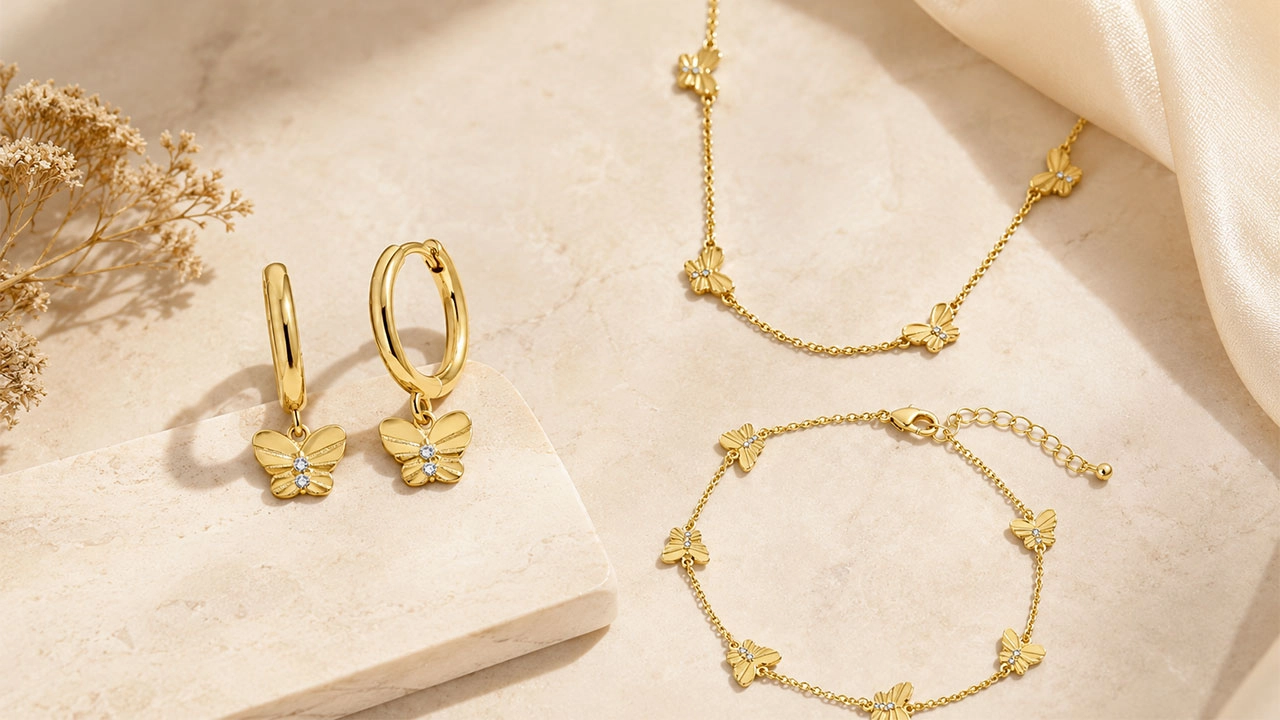
Thick Gold Plated Jewelry Manufacturer for 925 Silver & Brass Jewelry
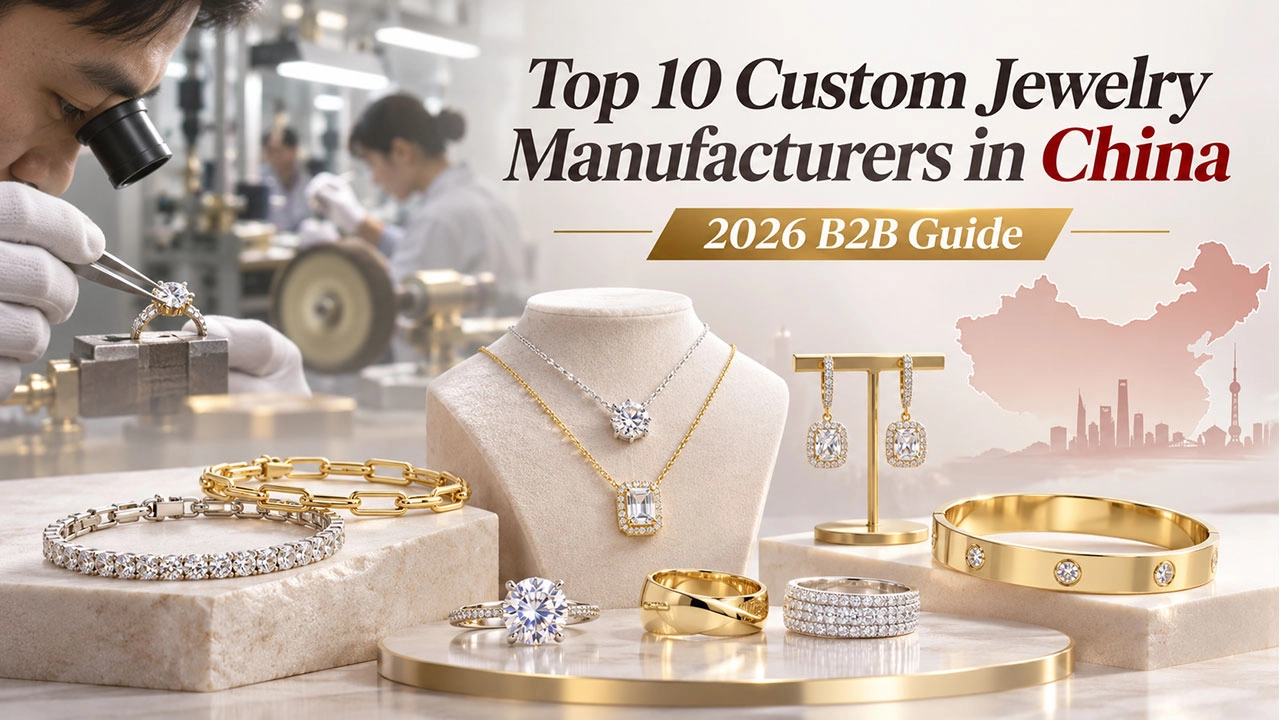
Top 10 Custom Jewelry Manufacturers in China (2026)
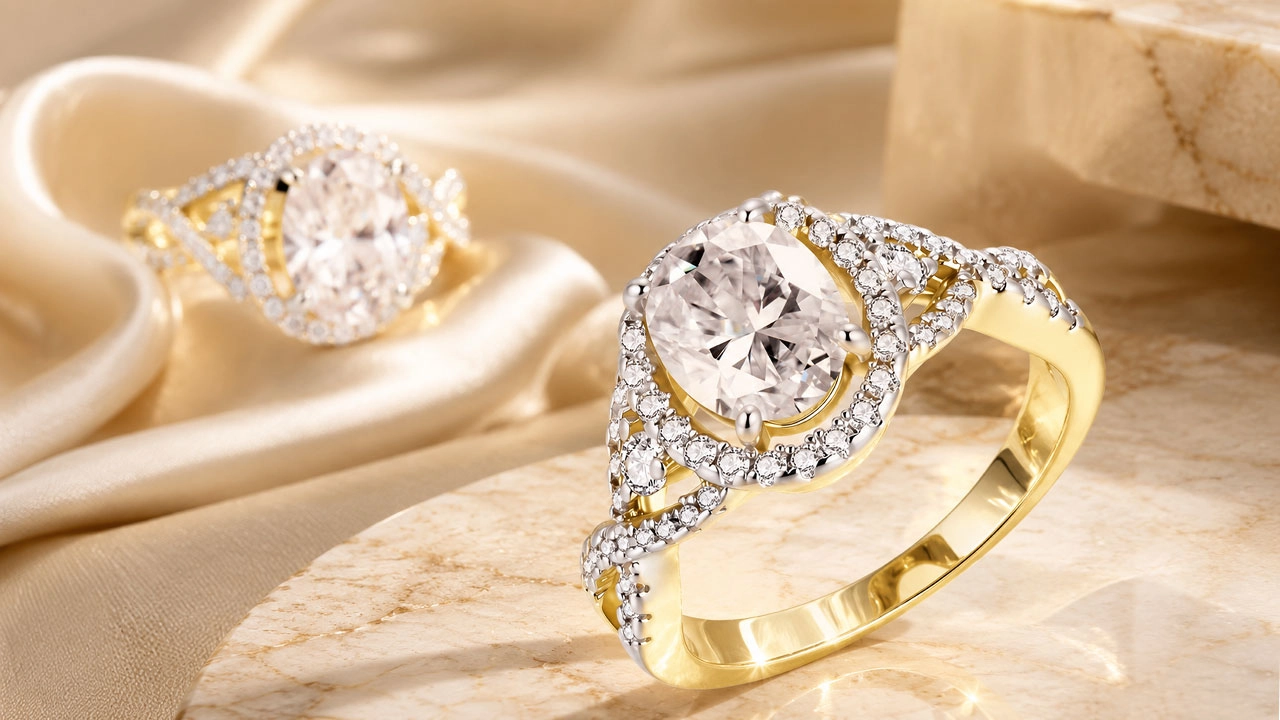
How to Choose a Gold Vermeil Jewelry Manufacturer
Gold Vermeil vs. Gold-Plated Jewelry: Which Fits Your Luxury Jewelry Brand?
Can Silver or Brass Be PVD Coated? A Professional Guide for Jewelry Brands
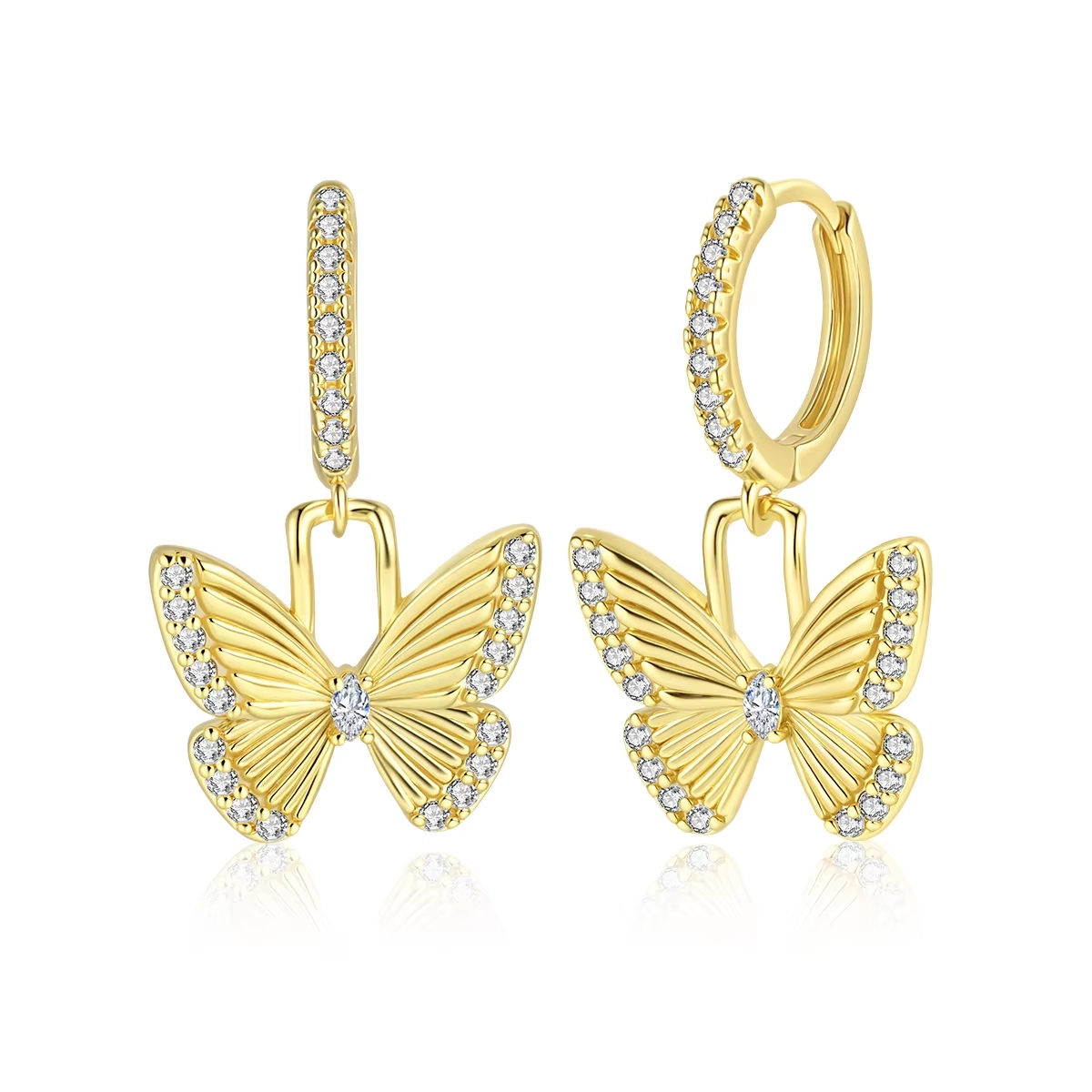
Custom Butterfly Hoop Earrings with Cubic Zirconia | 18K Gold Plated Jewelry
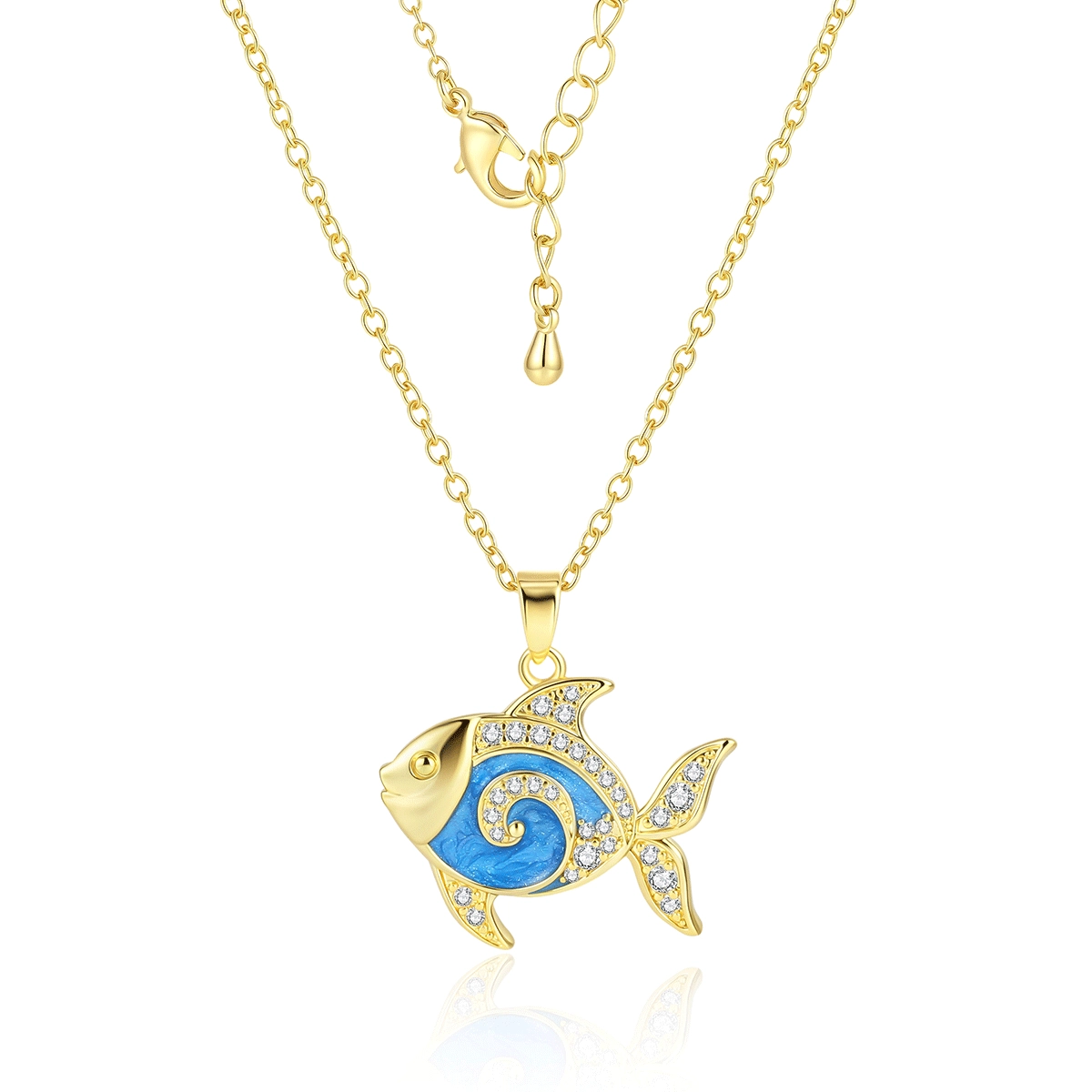
OEM Fish Shaped Necklace with Blue Enamel craft & Cubic Zirconia | 18K Gold Plated Custom Jewelry

Wholesale Jewelry 925 Sterling Silver Four Leaf Clover Jewelry Sets.

Customizable High-Quality Fashion 925 Sterling Silver AAA Cubic Zirconia Heart-Shaped Open Tennis Bracelet.

Customizable OEM ODM High-Quality Fashion Brass AAA Cubic Zirconia Classic Tennis Bracelet for Women Wholesale.

925 Sterling Silver Two Tone Flower Huggie Earrings Wholesale
Product Categories
Discuss Your Ideas with a Professional Custom Jewelry Manufacturer
We provide personalized jewelry customization services for clients worldwide.
Rest assured that your privacy is important to us, and all information provided will be handled with the utmost confidentiality.
By clicking 'Send Inquiry Now' I agree to ZHEFAN JEWELRY processing my personal data.
To see how to withdraw your consent, how to control your personal data and how we process it, please see our Privacy Policy and Terms of use.
From design to production, ZHEFAN JEWELRY offers a one-stop solution to help you enhance your brand value and market competitiveness.
Get A Quote
Contact
Tel: (+86) 188 1927 7817
© 2026 Zhefan Jewelry. All Rights Reserved.
Facebook
Instagram
YouTube
Whatsapp: +8618819277817