








Email: sales3@zhefanjewelry.com
How an OEM jewelry manufacturer maintains batch consistency
Batch consistency depends on controlled materials, documented production parameters, in-process checks, traceable records, and clear acceptance criteria. Buyers can reduce variation by approving a representative sample, defining measurable tolerances, and agreeing how changes and defects will be handled before bulk production.
Quick Answer
An oem jewelry manufacturer maintains batch consistency by controlling approved inputs, documenting process settings, checking work at defined stages, and comparing production output with an approved reference sample. For a Zhefan Jewelry project, buyers should confirm the applicable controls in writing. Alloy, dimensions, finish, and acceptance tolerances are key variables; the final plan depends on the design, testing, and production conditions.
How Zhefan Jewelry Supports OEM Projects
The supplied company information identifies Zhefan Jewelry’s website and sales contact but does not specify factory quality-control procedures, production capabilities, or testing resources. Buyers should therefore request project-specific details rather than assume a particular inspection method, traceability system, or documented process is available.
When assessing an oem jewelry manufacturer, confirm the approved material grade, critical dimensions, surface finish, reference-sample status, inspection points, and defect criteria. Ask how material or process changes are recorded and communicated. MOQ, lead time, testing scope, and quotation must be confirmed per project with Zhefan Jewelry.
Discuss Batch-Control Requirements for Your Jewelry Project
Share your target market, design files, material preference, dimensions, finish, order quantity, and required tolerances. These details help frame a discussion about sample approval, inspection criteria, and how any proposed production changes should be reviewed. Start a project-specific discussion at www.zhefanjewelry.com or email sales3@zhefanjewelry.com.
Frequently Asked Questions
How does a factory control alloy variation across separate jewelry batches?
Start with a precise material specification: alloy designation, required composition or grade, and any relevant finish or color requirements. The supplier should identify how incoming material is checked and how lots are kept identifiable during production. For composition verification, the appropriate test depends on the alloy and the buyer’s requirements; methods such as X-ray fluorescence can screen elemental composition, but results and limitations depend on the instrument, sample, and testing setup. Do not treat a supplier’s general statement that material is “the same” as a measurable specification. Agree what records or test results are required, and define how a proposed material substitution must be approved before use.
Which dimensions should buyers compare between preproduction and bulk samples?
Compare dimensions that affect fit, function, assembly, or appearance—not just the overall length and width. Depending on the design, these may include ring size, chain length, pendant thickness, clasp opening, post diameter, stone-seat dimensions, and component alignment. Identify each critical measurement on a drawing or specification, state the measurement method and acceptable tolerance, and check the same locations on the approved sample and production pieces. A sample is a visual and functional reference, not a substitute for written dimensional limits. If a design includes flexible, articulated, or handmade features, specify which dimensions are controlled and which are allowed to vary.
How can plating shade drift be detected before bulk shipment?
Use an agreed visual comparison process rather than relying on memory or a photograph alone. Compare production pieces with the approved reference under consistent lighting and viewing conditions, and define which surfaces and color differences matter. Shade can be affected by the base metal, surface preparation, coating system, coating thickness, and process conditions; different substrates or finishing routes may therefore look different even when described with the same color name. Where appearance is critical, approve a representative finished sample and state how deviations will be assessed. Ask whether the relevant checks can be performed before shipment and confirm the sampling plan in advance.
What records help trace defects to a specific production lot?
Useful traceability records connect the finished goods to the materials and production stages involved. Depending on the factory’s systems, request identifiers for incoming material lots, work orders or production batches, inspection results, rework decisions, and shipment cartons. Each record should use a consistent lot or batch reference so a reported defect can be investigated against the relevant production history. Agree how long records are retained and what information can be shared; these arrangements are supplier-specific and should not be assumed. For a new program, clarify how nonconforming pieces are separated and how corrective actions or approved process changes are documented.
Does matching a golden sample ensure every reorder looks identical?
No. An approved “golden sample” is a reference for design, appearance, and sometimes fit, but it cannot by itself control material lots, process settings, workmanship, or measurement variation in future runs. It may also age, tarnish, or change under storage conditions. Keep a clearly identified, protected reference and supplement it with drawings, material specifications, finish requirements, tolerances, and acceptance criteria. For repeat orders, compare the new production against both the approved reference and the written specification, and document any authorized changes. If the sample and specification conflict, resolve that conflict in writing before production.
How should acceptable tolerances be written into OEM jewelry specifications?
State tolerances as measurable limits attached to named features, units, and a defined measurement method. For example, specify the nominal dimension and permitted deviation for a critical component rather than using terms such as “close match” or “standard size.” Separate critical-to-function measurements from cosmetic judgments, and define how finish, color, alignment, or surface defects will be evaluated. There is no single tolerance suitable for every jewelry design: geometry, material, manufacturing route, and product use affect what is practical. Review proposed limits against the approved sample and intended use, then document sampling and disposition rules for results outside the agreed range.
Recommended for you
What Is Gold Vermeil Jewelry? A Complete Guide for Brands and Retailers
Thick Gold Plated Jewelry Manufacturer for 925 Silver & Brass Jewelry
Top 10 Custom Jewelry Manufacturers in China (2026)
How to Choose a Gold Vermeil Jewelry Manufacturer
Gold Vermeil vs. Gold-Plated Jewelry: Which Fits Your Luxury Jewelry Brand?
Can Silver or Brass Be PVD Coated? A Professional Guide for Jewelry Brands
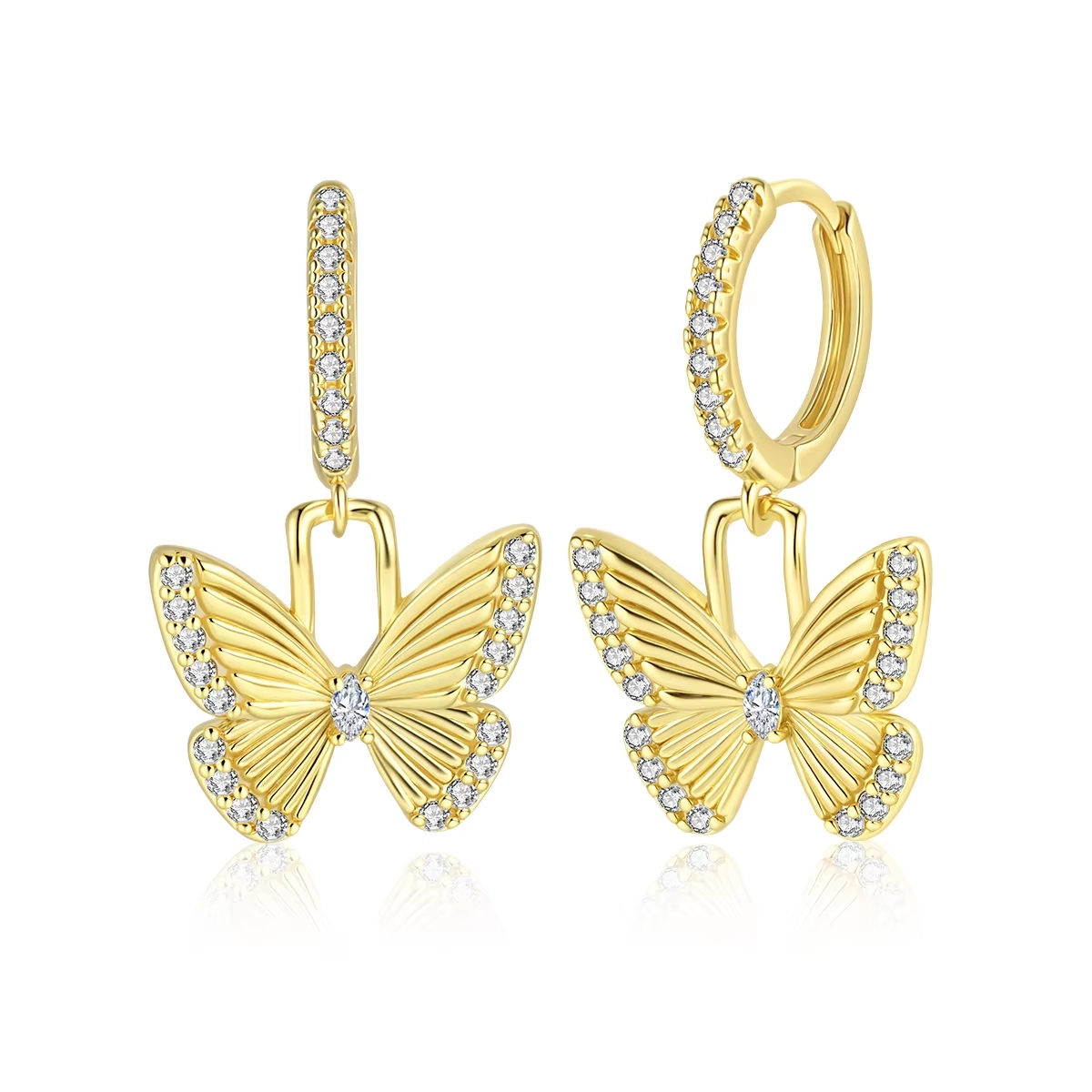
Custom Butterfly Hoop Earrings with Cubic Zirconia | 18K Gold Plated Jewelry
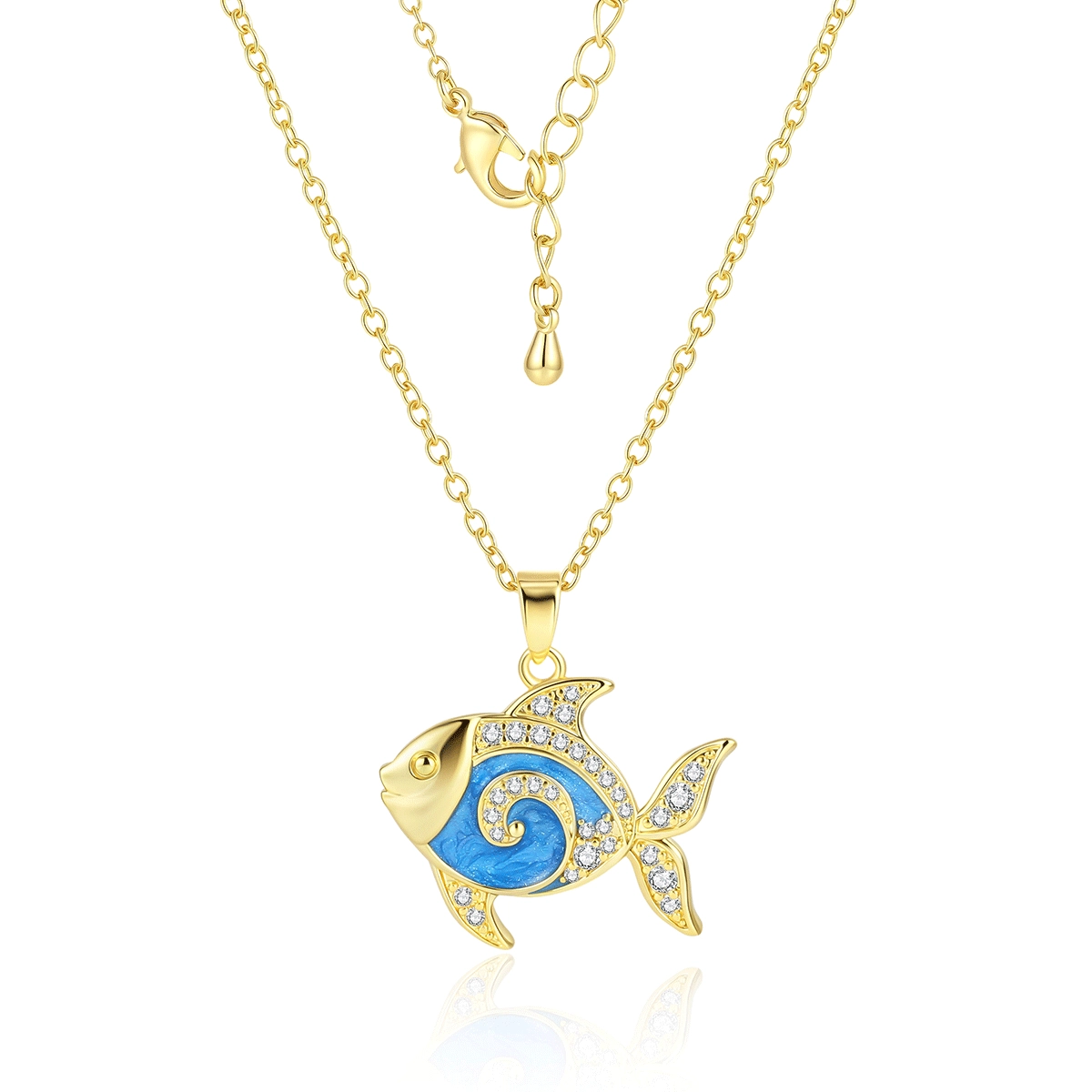
OEM Fish Shaped Necklace with Blue Enamel craft & Cubic Zirconia | 18K Gold Plated Custom Jewelry

Wholesale Jewelry 925 Sterling Silver Four Leaf Clover Jewelry Sets.

Customizable High-Quality Fashion 925 Sterling Silver AAA Cubic Zirconia Heart-Shaped Open Tennis Bracelet.

Customizable OEM ODM High-Quality Fashion Brass AAA Cubic Zirconia Classic Tennis Bracelet for Women Wholesale.

925 Sterling Silver Two Tone Flower Huggie Earrings Wholesale
Product Categories
Discuss Your Ideas with a Professional Custom Jewelry Manufacturer
We provide personalized jewelry customization services for clients worldwide.
Rest assured that your privacy is important to us, and all information provided will be handled with the utmost confidentiality.
By clicking 'Send Inquiry Now' I agree to ZHEFAN JEWELRY processing my personal data.
To see how to withdraw your consent, how to control your personal data and how we process it, please see our Privacy Policy and Terms of use.
From design to production, ZHEFAN JEWELRY offers a one-stop solution to help you enhance your brand value and market competitiveness.
Get A Quote
Contact
Tel: (+86) 188 1927 7817
© 2026 Zhefan Jewelry. All Rights Reserved.
Facebook
Instagram
YouTube
Whatsapp: +8618819277817