






Email: sales3@zhefanjewelry.com
How to negotiate better pricing with brass manufacturers?
A practical B2B framework for negotiating brass earring pricing through specification control, volume planning, tooling transparency, payment terms, and sample validation.
Quick Answer
Better pricing comes from negotiating total specification cost—not simply requesting a lower unit price. A brass earrings manufacturer can quote more accurately when you define order volume, alloy, dimensions, finish, and delivery terms. Zhefan Jewelry supports OEM/ODM evaluation with production experience, six polishing rounds, and six quality inspections; final solutions depend on samples, testing, and project requirements.
How Zhefan Jewelry Supports Projects
Zhefan Jewelry can review OEM and ODM earring specifications against brass construction, dimensions, surface finish, and expected order volume before a commercial quote is compared. Its Guangzhou and Meizhou factories support production planning, while six rounds of precision polishing and six quality inspections provide defined checkpoints for appearance and workmanship. Materials are described as RoHS/REACH-compliant eco-friendly options, subject to project confirmation.
To negotiate responsibly, buyers should request an itemized quote covering tooling, sampling, finishing, packaging, freight terms, and any testing requested for the destination market. Zhefan Jewelry can discuss suitable construction and sample steps, but MOQ, lead time, testing scope, and the final quotation must be confirmed for each project.
Discuss Your Brass Earring Pricing Requirements
Share your target market, order volume, dimensions, brass preference, surface finish, packaging needs, and required delivery window. These details allow a supplier to compare practical options, identify cost drivers, and outline sample and approval steps before bulk production. Request a project review at www.zhefanjewelry.com or sales3@zhefanjewelry.com.
Brass Manufacturer Pricing FAQs
How does order volume change brass earring pricing?
Order volume affects more than the raw material cost. A larger run can spread mold preparation, setup, purchasing, quality-control, and packaging work across more units. However, the lowest unit price is not automatically the best commercial result if it creates excess inventory, storage expense, or outdated stock. Ask for tiered pricing at realistic quantities, such as the initial order, a repeat order, and a planned annual volume. Confirm whether each tier uses the same alloy, dimensions, finish, packaging, inspection scope, and delivery terms. Otherwise, a lower quote may reflect reduced specifications rather than genuine manufacturing efficiency. Request both unit pricing and total order value, then compare the cash commitment, usable yield, and expected reorder frequency.
Which specifications create hidden costs in brass earrings?
The main hidden cost drivers are usually specification changes that are absent from a short product description. Complex geometry can require additional tooling or slower production. Larger surface area increases polishing and plating work, while tight dimensional tolerances may raise inspection and rejection risk. A multilayer finish, special color, protective coating, branded components, custom packaging, and individual retail presentation can also change the price. Buyers should request a costed specification sheet identifying the base construction, alloy requirement, dimensions, weight tolerance, finish sequence, packaging level, and accepted defect standard. Comparing quotes is meaningful only when these inputs match. A cheaper offer may simply omit packaging, sampling, testing, or freight-related charges that appear later.
Should buyers negotiate MOQ or unit price first?
Start with the commercial structure, including MOQ, forecasted demand, and repeat-order plan, before pressing for a lower unit price. MOQ influences purchasing quantities, material planning, production scheduling, and the supplier’s ability to recover setup costs. If the required quantity is below the factory’s efficient run size, a unit-price reduction may be unrealistic; a more useful discussion may involve a staged order, shared tooling, or a repeat-order schedule. Ask whether the quoted MOQ applies per style, color, finish, or combined order. Then negotiate unit price within a confirmed quantity band. This approach prevents a nominal discount from being offset by excess inventory or an MOQ that your sales channel cannot absorb.
How can tooling fees be compared fairly?
Compare tooling on ownership, scope, durability, revision policy, and amortization—not only on the initial fee. Confirm whether the charge covers one mold, a mold set, revisions, or separate components for different sizes. Ask who owns the tooling after payment, where it is stored, and whether future orders include a replacement or maintenance condition. A supplier may quote a lower unit price while recovering tooling through a higher minimum quantity or a long-term production condition. Request a written explanation of when the fee is due and whether it can be distributed across an agreed production run. For a new design, approve a sample or prototype before final mold commitment, because late geometry changes can create additional tooling work.
What payment terms improve a wholesale jewelry quote?
Payment terms affect supplier cash flow and perceived order risk, so they can influence the commercial discussion, but they should not be treated as a guaranteed discount mechanism. Clarify the deposit percentage, balance trigger, payment method, currency, bank charges, and consequences of an approved quality issue. A buyer with a consistent reorder history may have stronger grounds to request revised terms than a first-time purchaser. Compare the value of a small unit-price reduction against the working capital tied up in a larger deposit. Keep payment terms separate from product acceptance: define when goods are considered conforming, which documents are provided, and how unresolved discrepancies are handled. This creates a clearer negotiation than trading payment protection for an unverified price concession.
How do samples prevent costly brass production disputes?
A signed or otherwise documented pre-production sample converts subjective expectations into a reference for bulk manufacturing. Record dimensions, weight range, construction, color, surface appearance, logo placement, clasp or post details, packaging, and acceptable cosmetic variation. Photographs alone may not capture texture, color under different lighting, or the feel of an assembled component, so physical approval is useful when those attributes matter. Keep the approved sample, specification sheet, and revision history linked to the purchase order. If testing is required for the destination market, agree on the testing scope and sample basis before production. Sampling does not remove every production risk, but it reduces ambiguity about what the quoted price is actually intended to deliver.
Recommended for you

What Is Gold Vermeil Jewelry? A Complete Guide for Brands and Retailers

Thick Gold Plated Jewelry Manufacturer for 925 Silver & Brass Jewelry
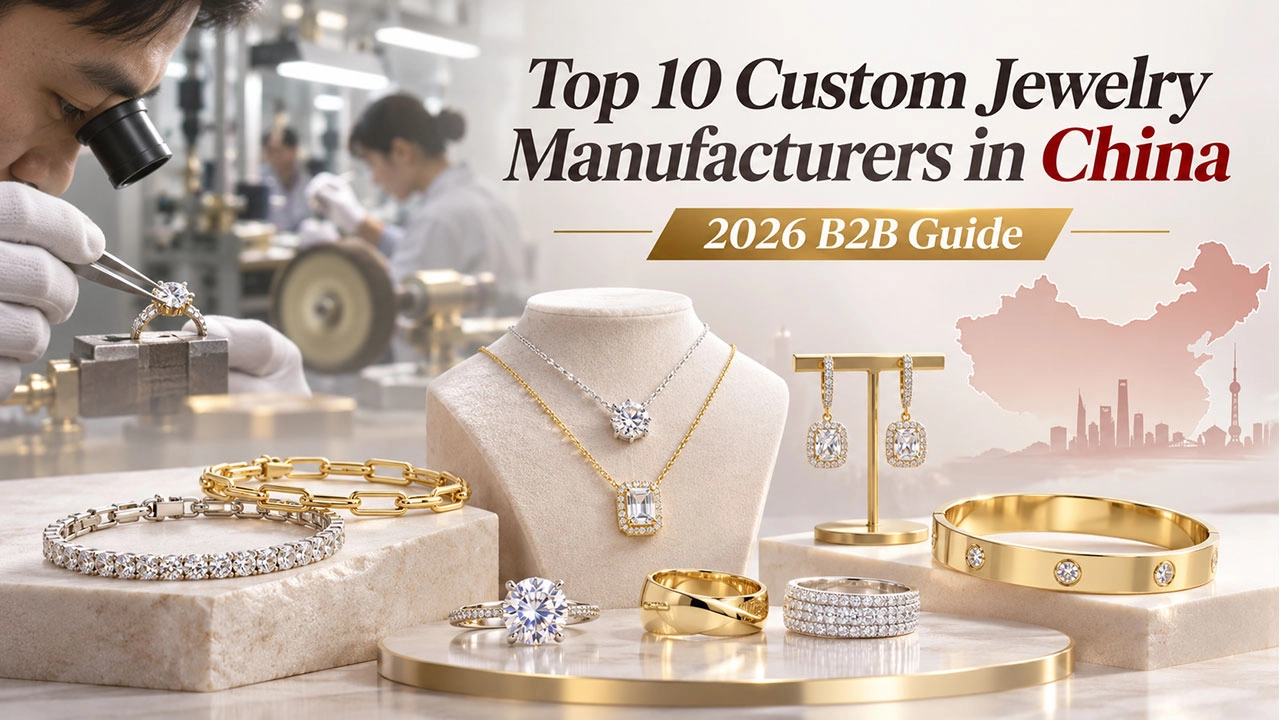
Top 10 Custom Jewelry Manufacturers in China (2026)

How to Choose a Gold Vermeil Jewelry Manufacturer

Gold Vermeil vs. Gold-Plated Jewelry: Which Fits Your Luxury Jewelry Brand?

Can Silver or Brass Be PVD Coated? A Professional Guide for Jewelry Brands

Cute Kid Jewelry Oil Stud Earrings

Chunky Hoop Earrings Gold Plated Jewelry

Vintage Heart Personalized Photo Zircon Earrings

Customized Brass Mother of Pearl Huggie Earrings

Natural Rose Quartz Stone Earrings | Handcrafted Gemstone Jewelry
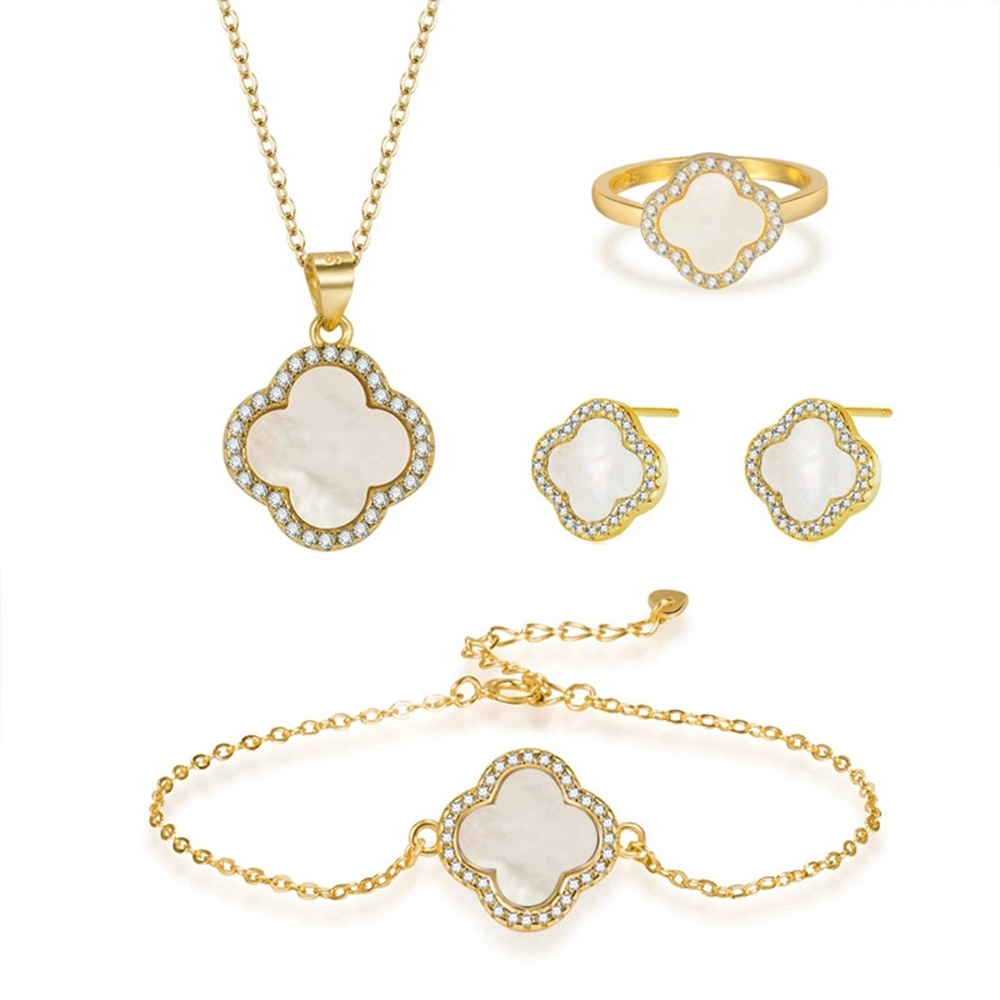
Wholesale Jewelry 925 Sterling Silver Four Leaf Clover Jewelry Sets.
Product Categories
Discuss Your Ideas with a Professional Custom Jewelry Manufacturer
We provide personalized jewelry customization services for clients worldwide.
Rest assured that your privacy is important to us, and all information provided will be handled with the utmost confidentiality.
By clicking 'Send Inquiry Now' I agree to ZHEFAN JEWELRY processing my personal data.
To see how to withdraw your consent, how to control your personal data and how we process it, please see our Privacy Policy and Terms of use.
From design to production, ZHEFAN JEWELRY offers a one-stop solution to help you enhance your brand value and market competitiveness.
Get A Quote
Contact
Tel: (+86) 188 1927 7817
© 2026 Zhefan Jewelry. All Rights Reserved.
Facebook
Instagram
YouTube
Whatsapp: +8618819277817