






Email: sales3@zhefanjewelry.com
The Impact of Material Sourcing Transparency on Your Partnership with an OEM Jewelry Manufacturer.
Learn how sourcing records, traceability limits, recycled-material claims, subcontractor controls, and contract terms shape a more accountable OEM jewelry partnership.
Quick Answer
Material sourcing transparency makes an OEM partnership more manageable by showing what materials enter production, what evidence supports origin or recycled-content claims, and how substitutions are controlled. Ask for lot-level records and change approval before sampling. Key review factors are material identity, chain-of-custody scope, documentation, substitution rules, and testing needs; final requirements depend on the design and target market.
How an OEM Jewelry Manufacturer Supports Sourcing Projects
A sourcing-ready OEM jewelry manufacturer should explain which records it can share for each material and whether traceability reaches the processor, refiner, trader, or mine. Ask it to distinguish supplier declarations from independently audited or scheme-based evidence; these are not equivalent. For recycled content, confirm the claim’s definition and any mass-balance method rather than assuming the finished piece can be linked to specific scrap.
At project kickoff, agree on material specifications, approved suppliers, acceptable evidence, change-control approval, and how records map to purchase orders and production lots. MOQ, lead time, testing scope, and quotation must be confirmed per project because they depend on the design and sourcing route. Do not assume supplier-specific certifications or audit capabilities without current documents that establish their scope.
Discuss Material Traceability for Your Jewelry Project
Share your target market, design or drawings, metal and gemstone preferences, sourcing claims, expected order volume, required documentation, and launch timeline. These details help frame which evidence to request and whether material alternatives or additional review should be discussed. Send your project brief to sales3@zhefanjewelry.com to discuss suitable sourcing options and practical next steps.
Material Sourcing Transparency FAQs
What sourcing documents should an OEM jewelry manufacturer provide?
Request records that connect the material purchased to the material used in production: supplier invoices or purchase records, material specifications, supplier declarations, and batch or lot identifiers. For precious metals, ask what processor or refiner documentation is available and what chain-of-custody scope it covers. For gemstones, request the available supplier and parcel records, while recognizing that documentation may not establish mine-level origin. If a certificate is provided, check its issuer, date, covered material, facility, and scope; a certificate for a supplier or facility does not automatically certify every finished piece. Commercially sensitive details may be redacted, but the remaining evidence should still let you follow the material through relevant production lots.
How can I verify recycled metal claims before production?
First define the claim: recycled content can refer to pre-consumer or post-consumer material, and the claim should specify which is meant and how it is calculated. Ask for the supplier’s supporting records and whether the chain-of-custody approach physically segregates material or uses a mass-balance accounting method. Those systems support different kinds of claims, so do not treat them as interchangeable. An assay can help confirm alloy composition or metal fineness, but it cannot by itself prove recycled origin. Agree in writing on the permitted product wording and evidence before approving packaging or marketing. The OECD Due Diligence Guidance and relevant responsible-sourcing standards offer frameworks for assessing supply-chain processes, but their applicability and scope should be checked rather than assumed.
Who is responsible for tracing gemstones through subcontractors?
Responsibility should be allocated in the purchase agreement, but the direct supplier is usually the practical point of accountability for disclosing its subcontractors and maintaining records for the material it supplies. Ask for a written map of relevant tiers, the records each tier provides, and any known gaps. If the supplier cannot identify upstream parties, treat that as a traceability limitation rather than evidence of a particular origin. The Kimberley Process Certification Scheme concerns international trade in rough diamonds and does not establish mine origin for every gemstone or certify all finished jewelry. For other stones, request evidence specific to the stone, supplier, and claim, and avoid origin language that the available records cannot substantiate.
What happens when a supplier cannot disclose mine origin?
A supplier may be unable to disclose mine origin because records stop at a trader, processor, or exporter, or because upstream information is commercially restricted. Ask which tier can be substantiated, why the gap exists, and whether confidential review or redacted evidence is possible. Do not convert an unknown origin into a country-of-origin claim, and do not assume that a supplier declaration alone resolves the gap. Assess the limitation against your target-market rules, customer commitments, and sourcing policy. Depending on the risk and the claim you intend to make, options may include using a better-documented source, removing the origin claim, or pausing the material pending further review.
How do material origin changes affect sampling and bulk orders?
A change in supplier, mine, refiner, or material route can change the evidence supporting an origin or recycled-content claim, even if the material specification appears unchanged. Build a change-control step into the project: require advance notice, updated supporting records, written approval, and confirmation that the new material meets the agreed specification. Check whether the change affects color, alloy composition, stone characteristics, price, availability, or delivery timing. A sample made with one source does not automatically validate a later bulk lot from another source. Identify which differences require a new sample, testing, or claim review before production starts.
Which sourcing risks should an OEM contract define clearly?
Define the material specification and permitted sources, what sourcing claims may be made, the evidence required to support those claims, and how long records must be retained. Set rules for subcontractor disclosure, material substitutions, advance notice, and written approval. Clarify how either party can raise a documentation gap, request corrective action, or reject material that does not meet the agreed requirements. If audits or access to records are expected, define their scope and confidentiality protections rather than relying on a general promise of transparency. The contract should also state who approves revised claims and packaging when sourcing changes. Align these terms with the target market and obtain appropriate legal or compliance review where needed.
Recommended for you

What Is Gold Vermeil Jewelry? A Complete Guide for Brands and Retailers

Thick Gold Plated Jewelry Manufacturer for 925 Silver & Brass Jewelry
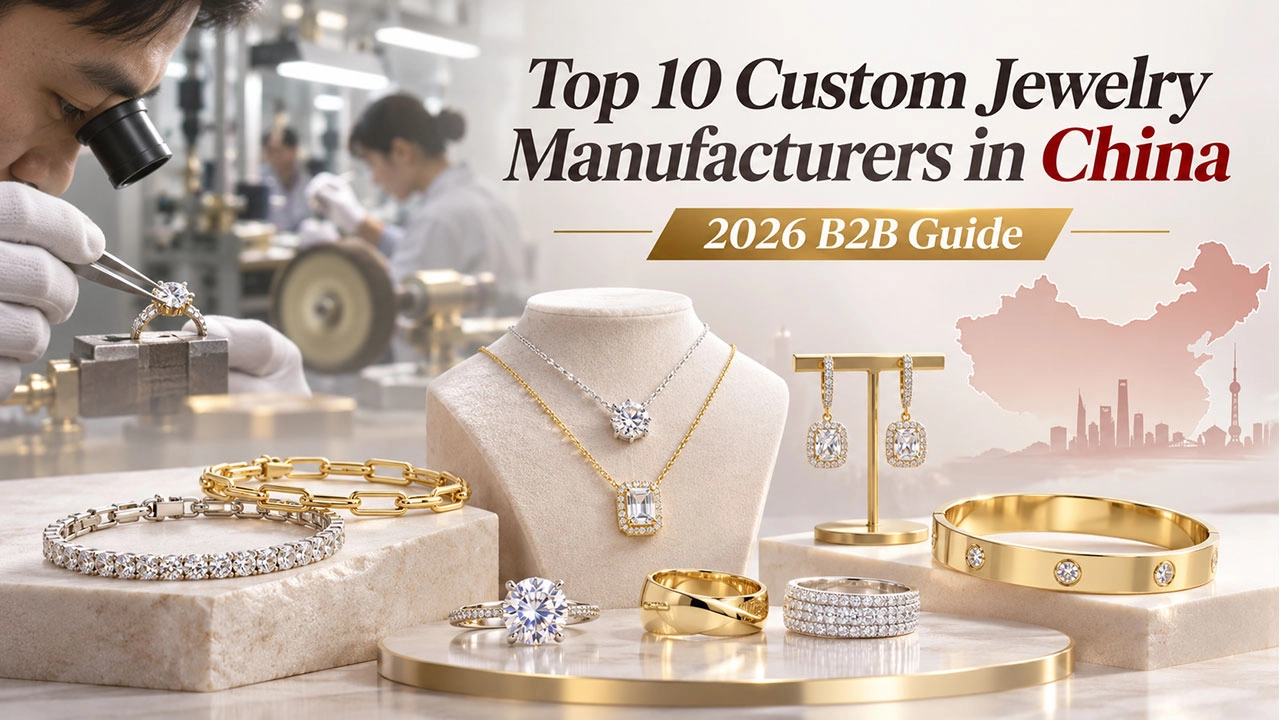
Top 10 Custom Jewelry Manufacturers in China (2026)

How to Choose a Gold Vermeil Jewelry Manufacturer

Gold Vermeil vs. Gold-Plated Jewelry: Which Fits Your Luxury Jewelry Brand?

Can Silver or Brass Be PVD Coated? A Professional Guide for Jewelry Brands

Custom Butterfly Hoop Earrings with Cubic Zirconia | 18K Gold Plated Jewelry

OEM Fish Shaped Necklace with Blue Enamel craft & Cubic Zirconia | 18K Gold Plated Custom Jewelry
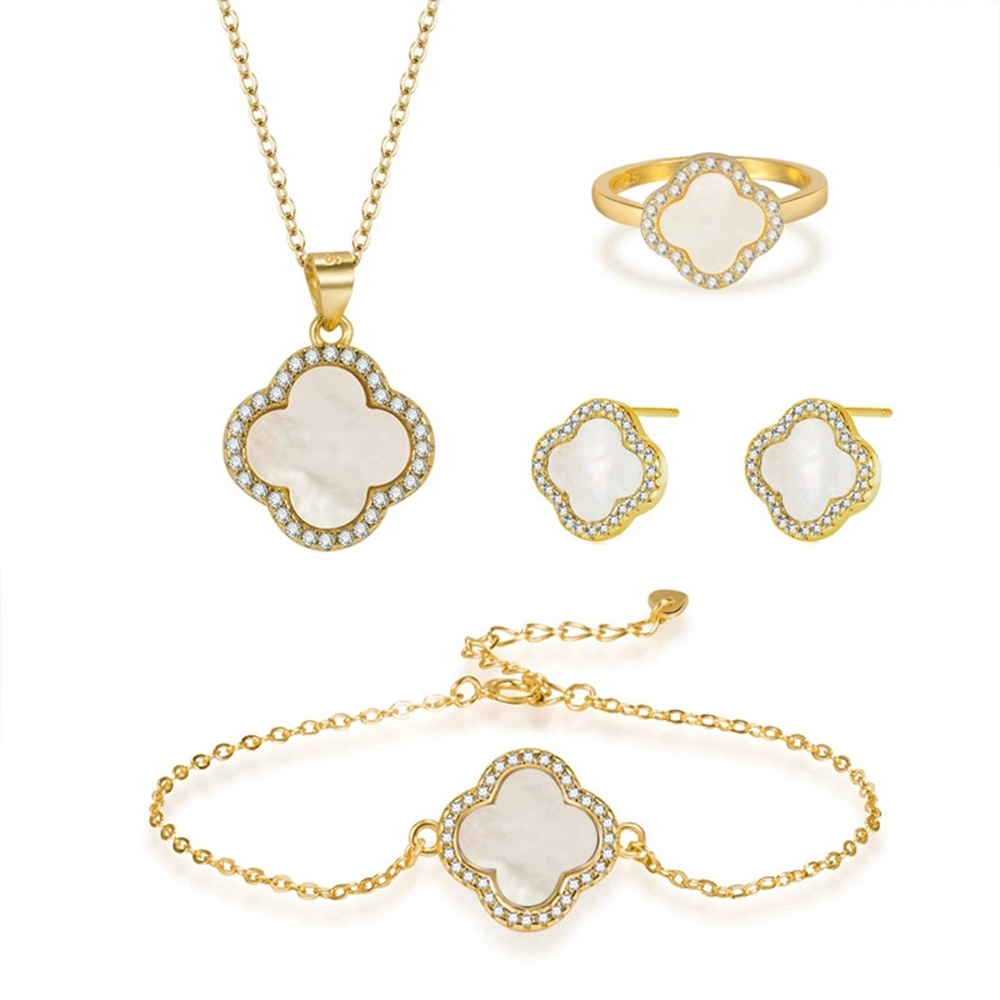
Wholesale Jewelry 925 Sterling Silver Four Leaf Clover Jewelry Sets.
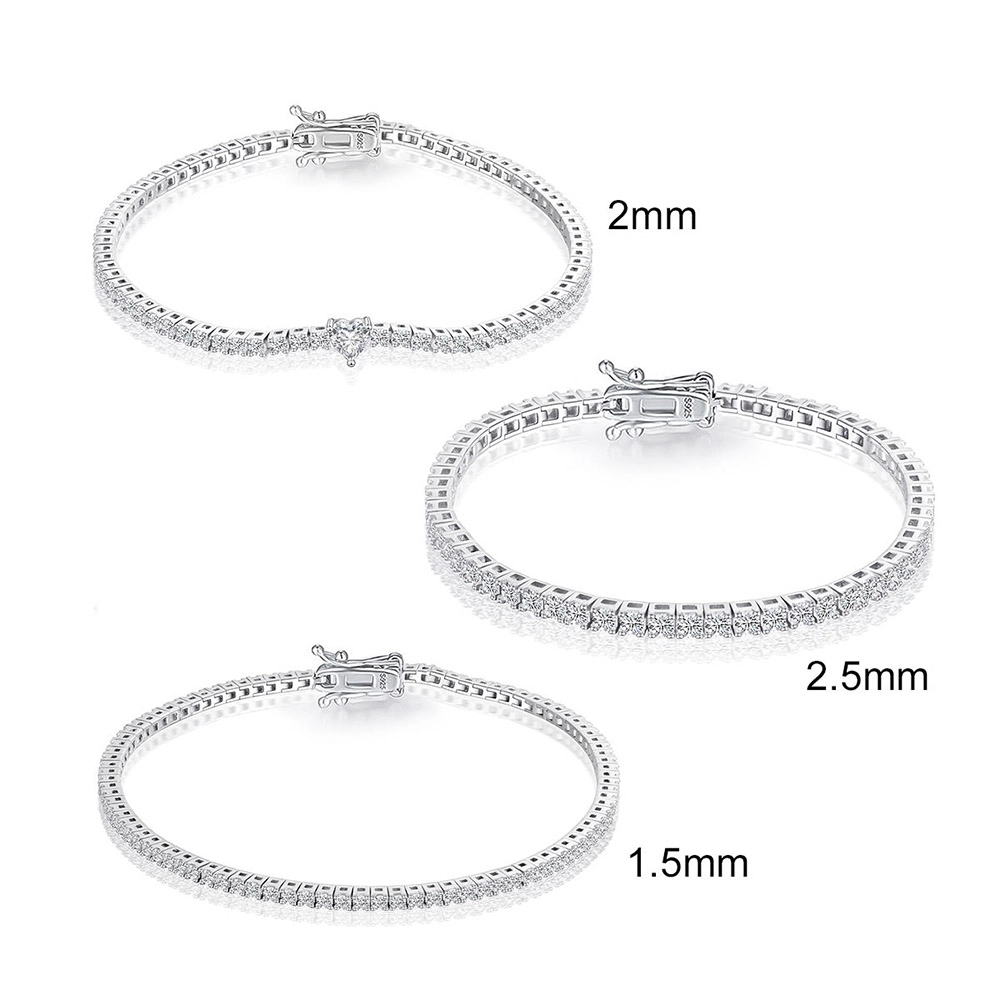
Customizable High-Quality Fashion 925 Sterling Silver AAA Cubic Zirconia Heart-Shaped Open Tennis Bracelet.
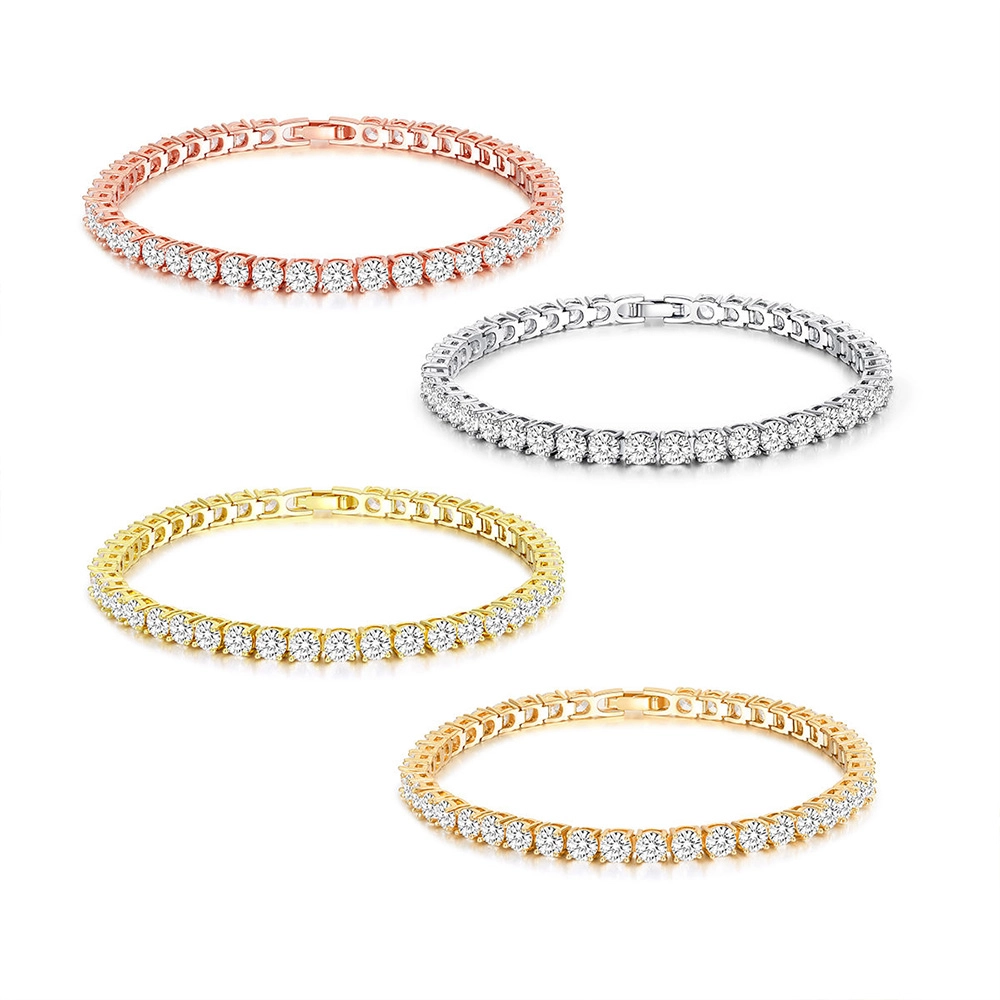
Customizable OEM ODM High-Quality Fashion Brass AAA Cubic Zirconia Classic Tennis Bracelet for Women Wholesale.

925 Sterling Silver Two Tone Flower Huggie Earrings Wholesale
Product Categories
Discuss Your Ideas with a Professional Custom Jewelry Manufacturer
We provide personalized jewelry customization services for clients worldwide.
Rest assured that your privacy is important to us, and all information provided will be handled with the utmost confidentiality.
By clicking 'Send Inquiry Now' I agree to ZHEFAN JEWELRY processing my personal data.
To see how to withdraw your consent, how to control your personal data and how we process it, please see our Privacy Policy and Terms of use.
From design to production, ZHEFAN JEWELRY offers a one-stop solution to help you enhance your brand value and market competitiveness.
Get A Quote
Contact
Tel: (+86) 188 1927 7817
© 2026 Zhefan Jewelry. All Rights Reserved.
Facebook
Instagram
YouTube
Whatsapp: +8618819277817