




Email: sales3@zhefanjewelry.com
Why Should You Consider Gold Vermeil Instead of Gold-Plated Jewelry for Custom Collections?
Gold vermeil can give custom jewelry a thicker gold coating over sterling silver, but its suitability depends on the market’s labeling rules, the written coating specification, design, wear conditions, and sample testing. Learn what to confirm with a supplier before choosing vermeil over standard gold plating.
Quick Answer
A gold vermeil jewelry manufacturer can help build a custom collection with a thicker gold layer over sterling silver than many standard plated specifications, creating a more substantial precious-metal finish. Vermeil is not automatically more durable in every design: layer thickness, gold fineness, surface preparation, wear conditions, and applicable labeling rules matter. Confirm the specification and test samples before approving production; the right choice depends on your project and market.
How a Gold Vermeil Jewelry Manufacturer Supports Custom Projects
For a custom program, ask the supplier to confirm whether it can specify the sterling-silver alloy, gold karat and coating thickness, prepare OEM/ODM samples, and maintain written inspection criteria for finish and dimensions. Request the declared vermeil standard for each sales market; terminology and legal thresholds are not universal.
Before comparing quotes, align the design’s plated surface area, color, sample approval criteria, expected wear, order quantity, packaging, and any market compliance tests. MOQ, lead time, testing scope, and quotation must be confirmed per project with the chosen supplier; no capability or certification should be assumed without supporting documentation.
Discuss Gold Vermeil Specifications for Your Custom Collection
Share your target market, design files or sketches, dimensions, sterling-silver alloy preference, desired gold karat and thickness, expected order quantity, and intended use. The supplier can then discuss specification trade-offs, sample approval steps, and tests relevant to your market before a bulk order is placed. Send your brief to the gold vermeil jewelry manufacturer at sales3@zhefanjewelry.com to start a project-specific discussion.
Frequently Asked Questions
How thick must vermeil gold layers be for durable custom jewelry?
There is no single thickness that makes every design durable: wear depends on exposed surface area, contact and friction, coating quality, finishing, and how the piece is used and cared for. For U.S. labeling, the FTC Jewelry Guides describe vermeil as sterling silver covered with gold or a gold alloy of at least 10-karat fineness, with a minimum thickness of 2.5 microns. Other markets may apply different rules. Put the required thickness and karat in the purchase specification, and ask how the supplier verifies coating thickness on the actual product. A stated minimum is a specification, not a promise of a particular service life.
Does vermeil qualify as gold plated under labeling rules?
Vermeil is produced by applying a gold coating to a base metal, so it is a form of gold plating in the broad technical sense. However, the term can have a more specific meaning in jewelry labeling. In the United States, the FTC Jewelry Guides reserve “vermeil” for gold or gold-alloy coating meeting the stated fineness and thickness requirements over a sterling-silver base. A gold-plated item on brass, for example, does not meet that U.S. definition. Labeling rules vary by market, so confirm the destination country’s requirements and ensure product descriptions match the base metal and coating actually used.
How do base metals affect vermeil wear and skin response?
For vermeil, the base is sterling silver; its alloy composition and surface condition affect how the coating is prepared and how the piece behaves if wear exposes the substrate. Sterling silver commonly contains copper, but exact alloy composition should be confirmed rather than assumed. Skin reactions can arise from several metals and individual sensitivities, so a vermeil label alone does not establish that a piece is hypoallergenic. Ask for the base-metal specification and review applicable nickel, lead, and cadmium restrictions for the intended market. For pieces with prolonged skin contact, assess the finished item and its intended use rather than relying only on the coating description.
What tests should buyers request before approving vermeil samples?
Start by checking that the sample matches the written specification for base metal, gold fineness, coating thickness, color, dimensions, and finish. Ask how coating thickness is measured and whether the method is suitable for the part’s geometry; X-ray fluorescence can be useful, but readings depend on calibration, coating structure, and measurement location. Agree on representative measurement points and acceptable variation before production. For wear-related assessment, define a repeatable abrasion or exposure protocol that reflects the product’s intended use, rather than treating an unspecified test as proof of a fixed lifespan. Add market-specific restricted-substance testing where required, and document sample approval criteria.
How should vermeil pricing compare with standard gold plating?
Compare like-for-like specifications, not just the coating names. Vermeil pricing can reflect a sterling-silver base, the amount and fineness of gold used, coated surface area, part geometry, preparation and finishing steps, production yield, order quantity, and testing or documentation requirements. A complex design may require more process control than a flat component, while larger quantities can affect unit economics. Ask for a quotation that separates the base material, coating specification, sampling, testing, and packaging where possible. Also confirm whether the quoted thickness is a minimum or target and how it is checked; otherwise, apparently similar prices may describe materially different products.
Can vermeil designs be repaired or replated after wear?
Often a jeweler can refinish and replate a vermeil piece, but feasibility depends on construction, damage, stone settings, soldered areas, and the remaining condition of the silver base. Replating may require removing old coatings and preparing the surface; polishing can also remove metal or soften fine details, so repeated restoration is not impact-free. Ask the original supplier whether the design can be serviced and what repair method is appropriate. For a collection, consider access to surfaces that need coating, stone and component compatibility, and whether replacement parts or a documented finish specification will be available. Do not assume every local repair shop can reproduce the original color or thickness.
Recommended for you
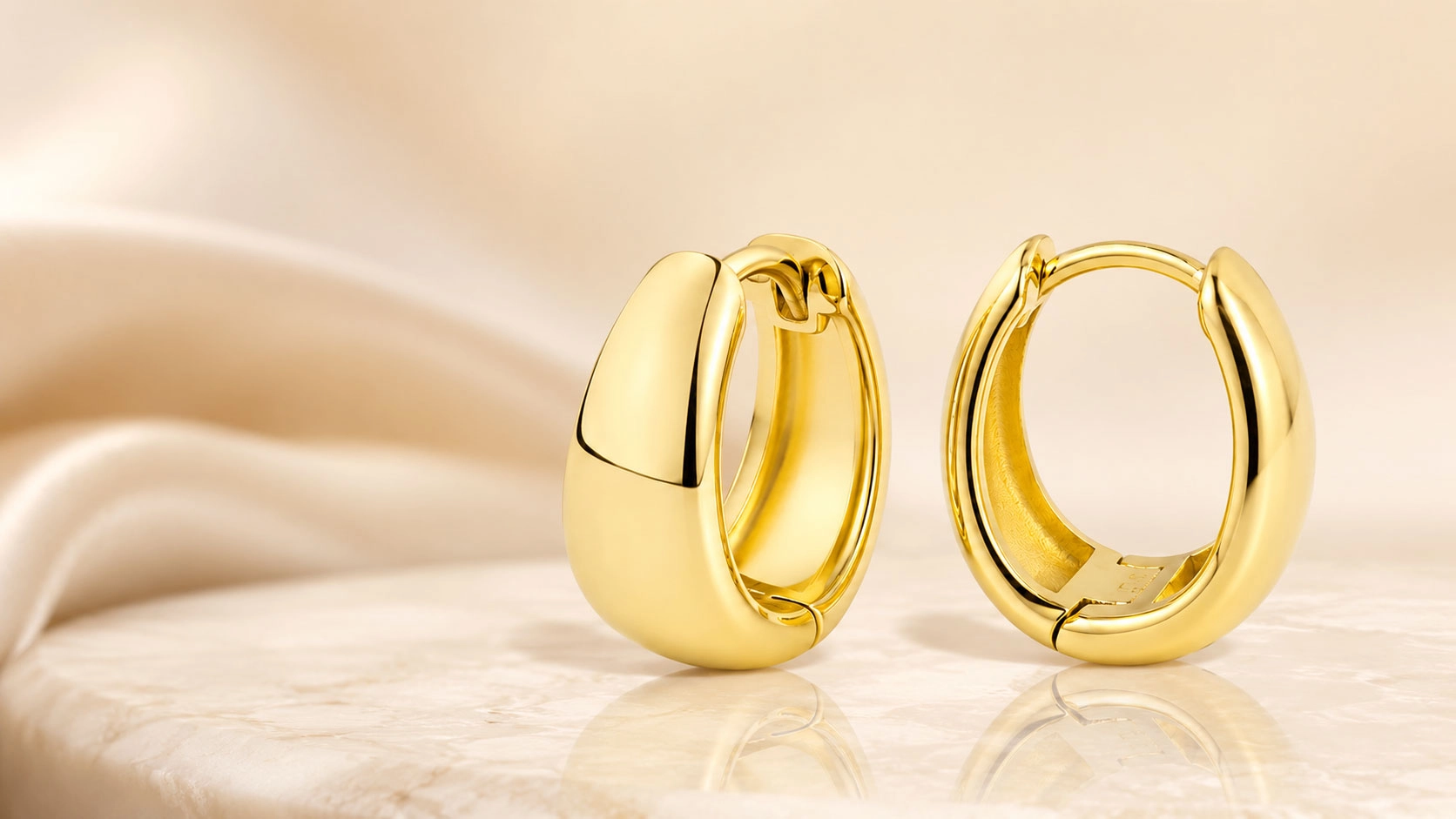
What Is Gold Vermeil Jewelry? A Complete Guide for Brands and Retailers
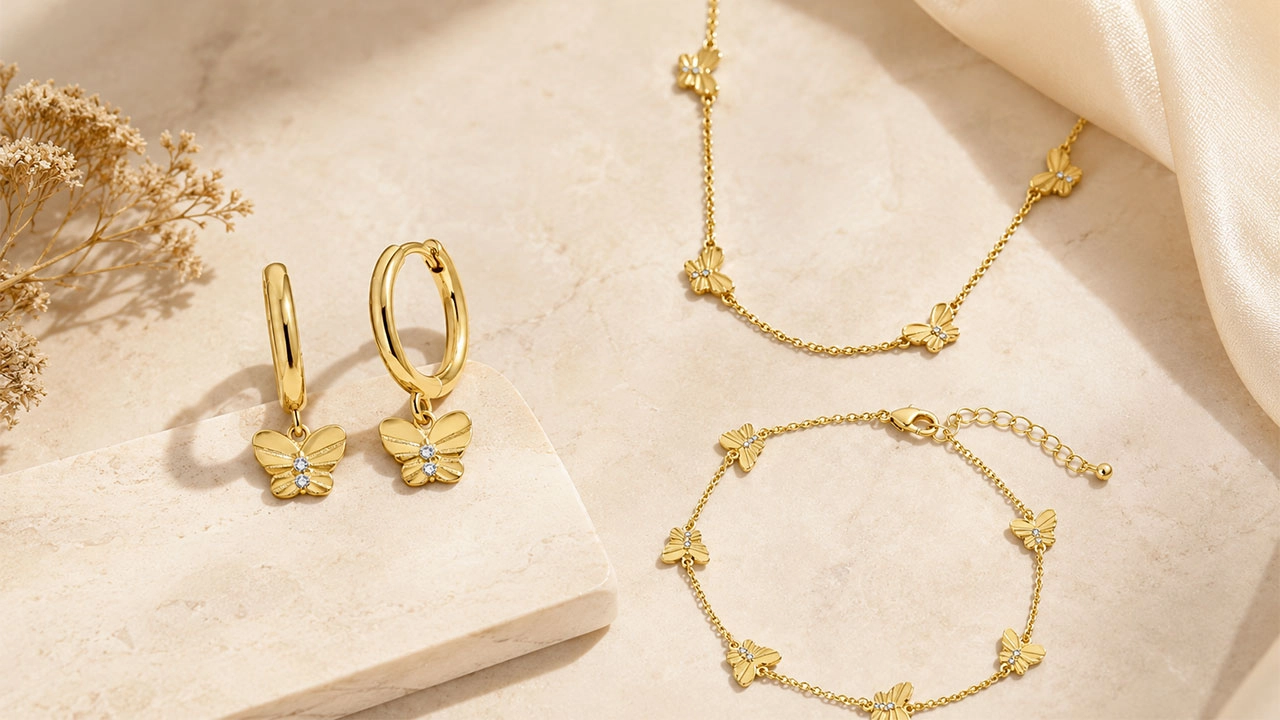
Thick Gold Plated Jewelry Manufacturer for 925 Silver & Brass Jewelry
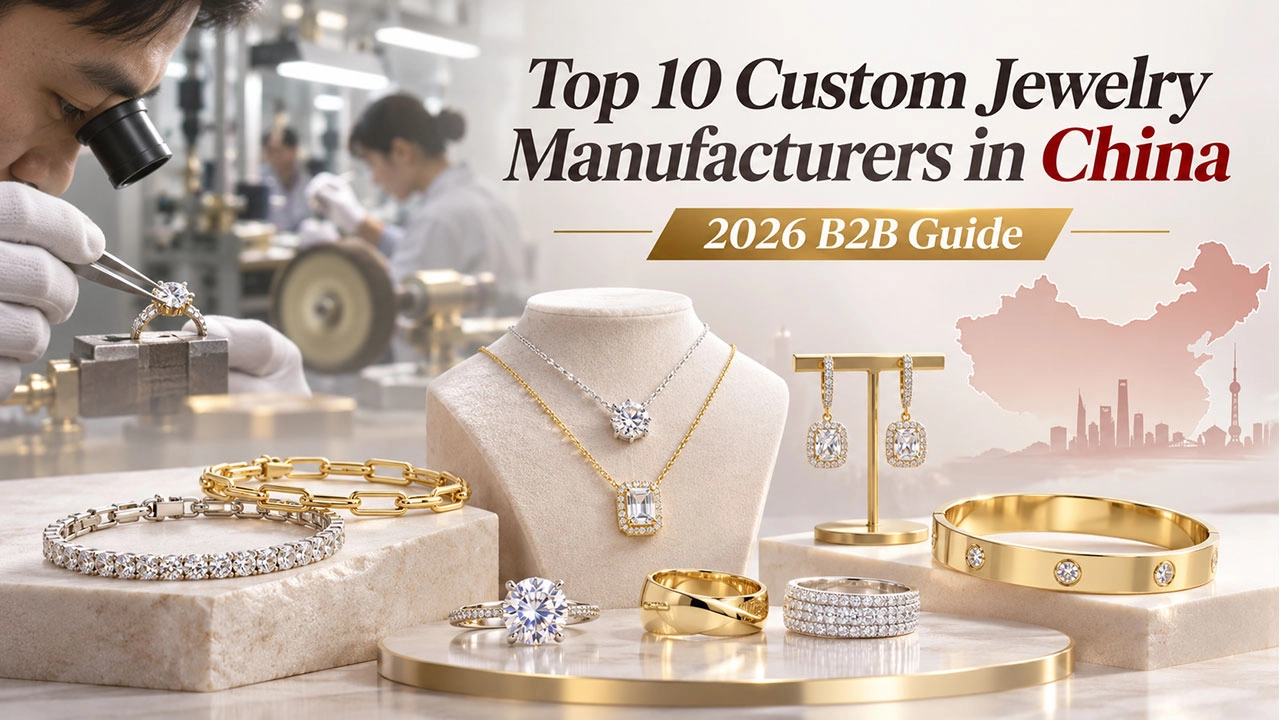
Top 10 Custom Jewelry Manufacturers in China (2026)
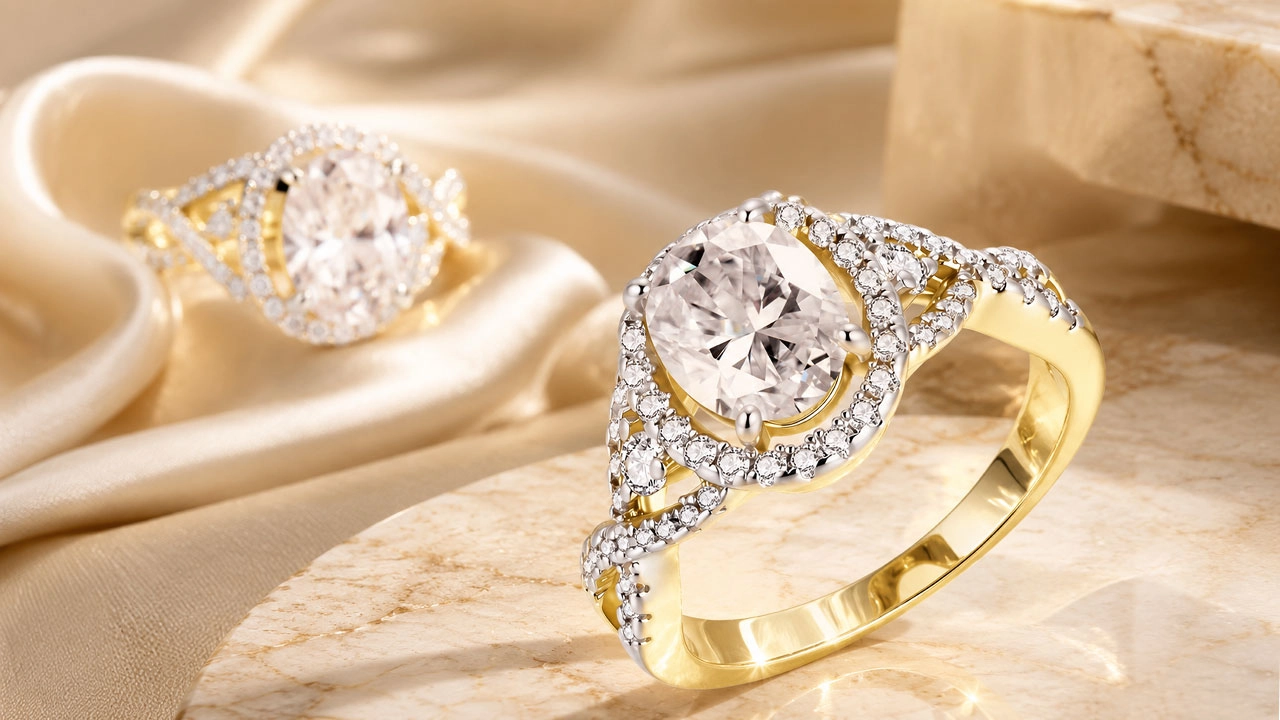
How to Choose a Gold Vermeil Jewelry Manufacturer
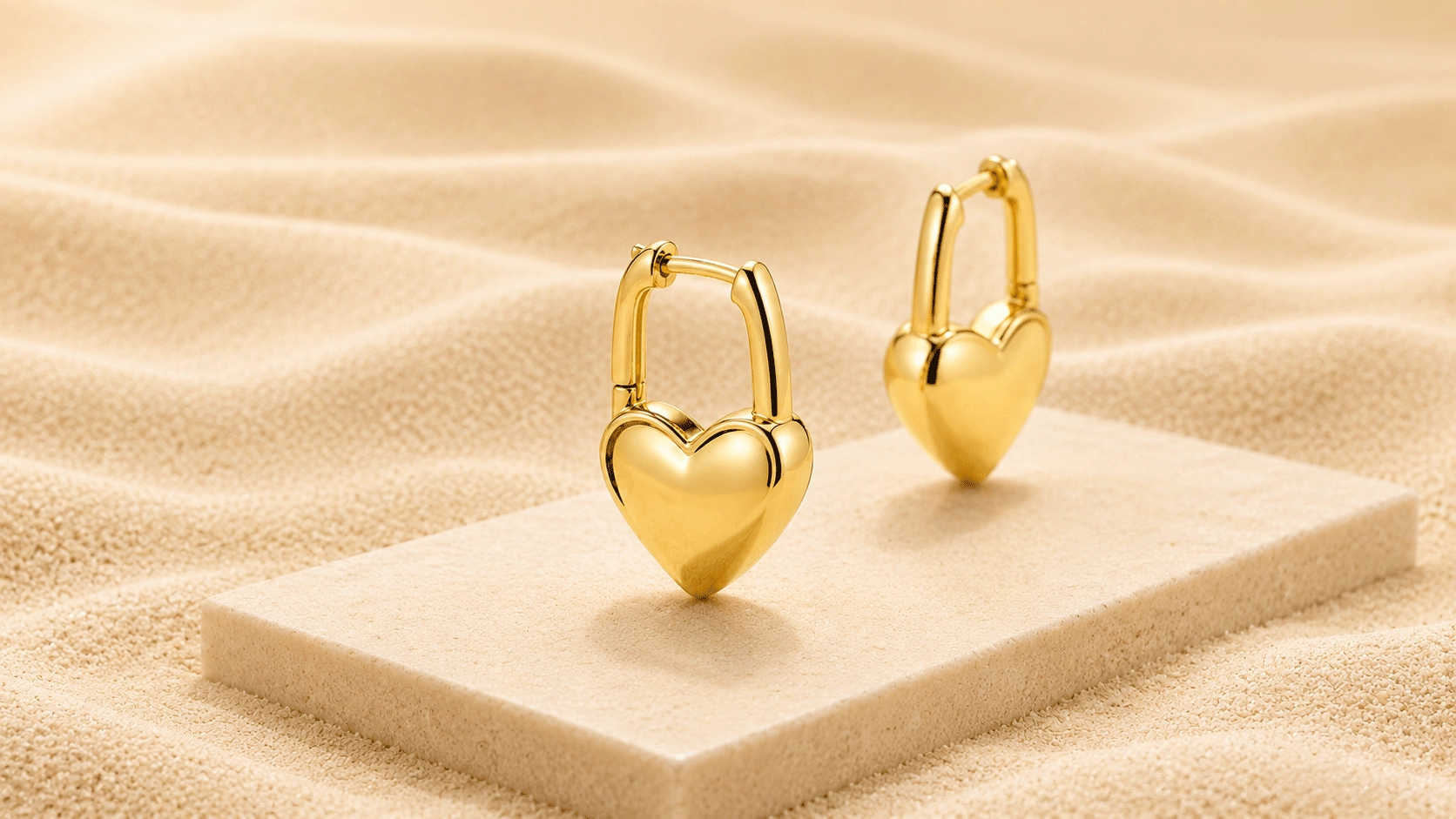
Gold Vermeil vs. Gold-Plated Jewelry: Which Fits Your Luxury Jewelry Brand?
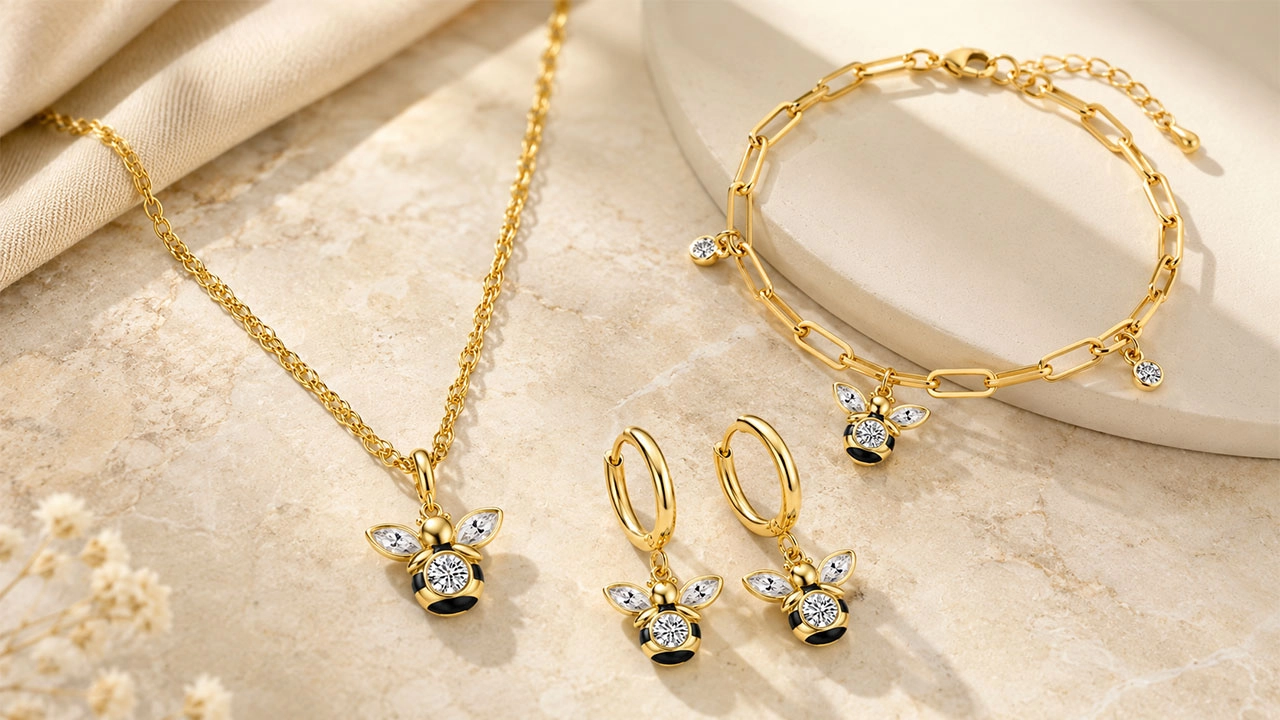
Can Silver or Brass Be PVD Coated? A Professional Guide for Jewelry Brands
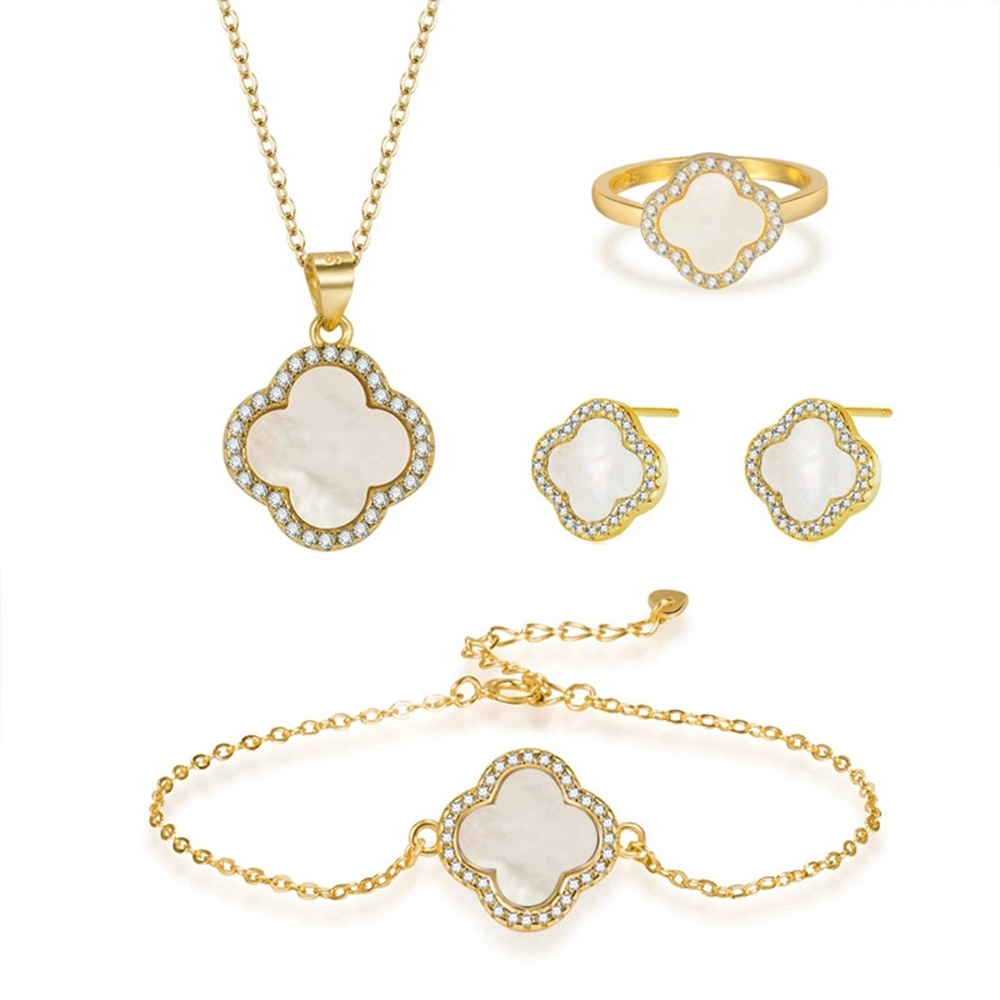
Wholesale Jewelry 925 Sterling Silver Four Leaf Clover Jewelry Sets.
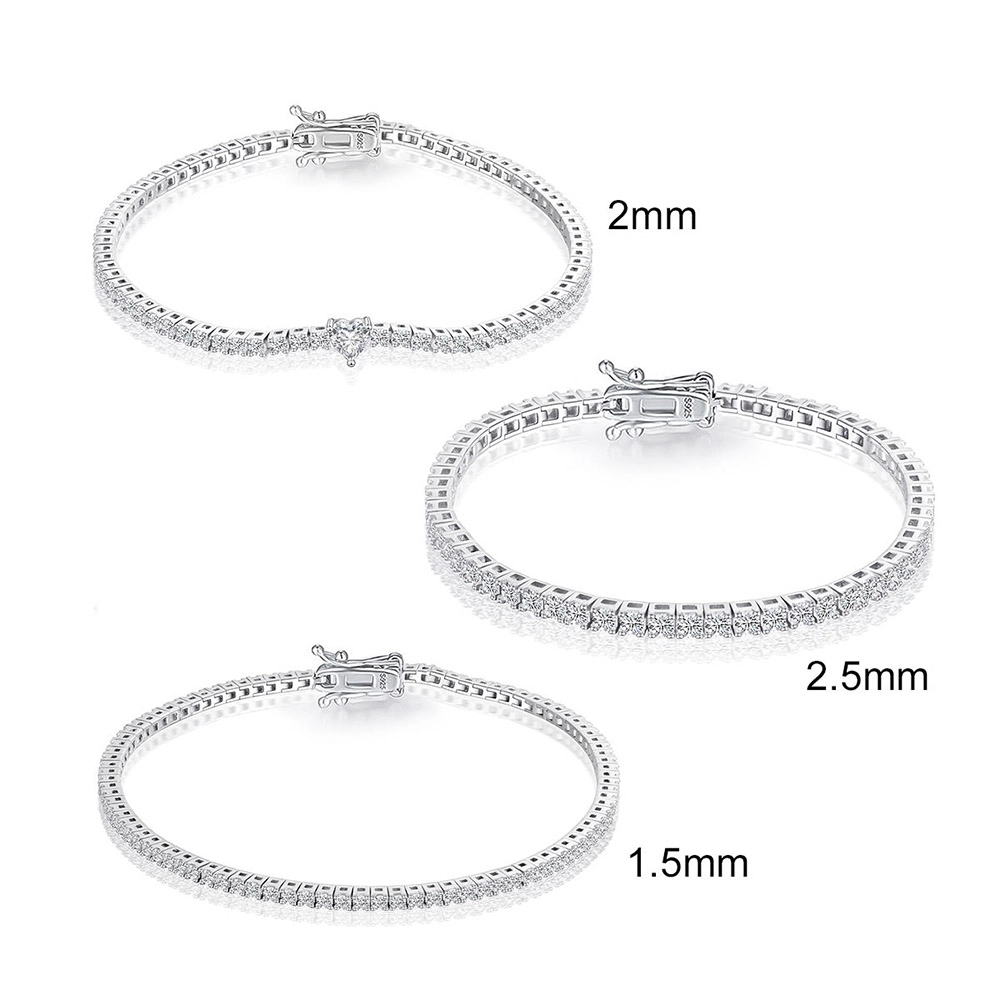
Customizable High-Quality Fashion 925 Sterling Silver AAA Cubic Zirconia Heart-Shaped Open Tennis Bracelet.
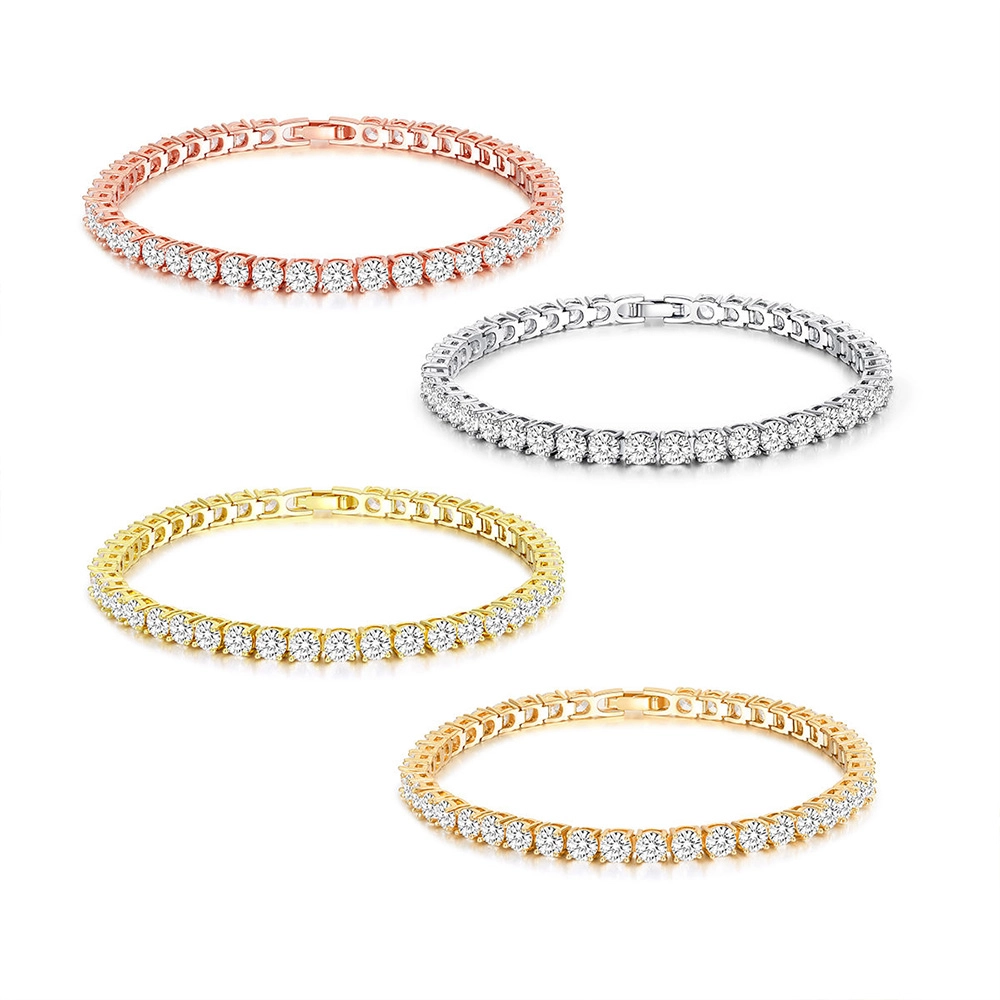
Customizable OEM ODM High-Quality Fashion Brass AAA Cubic Zirconia Classic Tennis Bracelet for Women Wholesale.
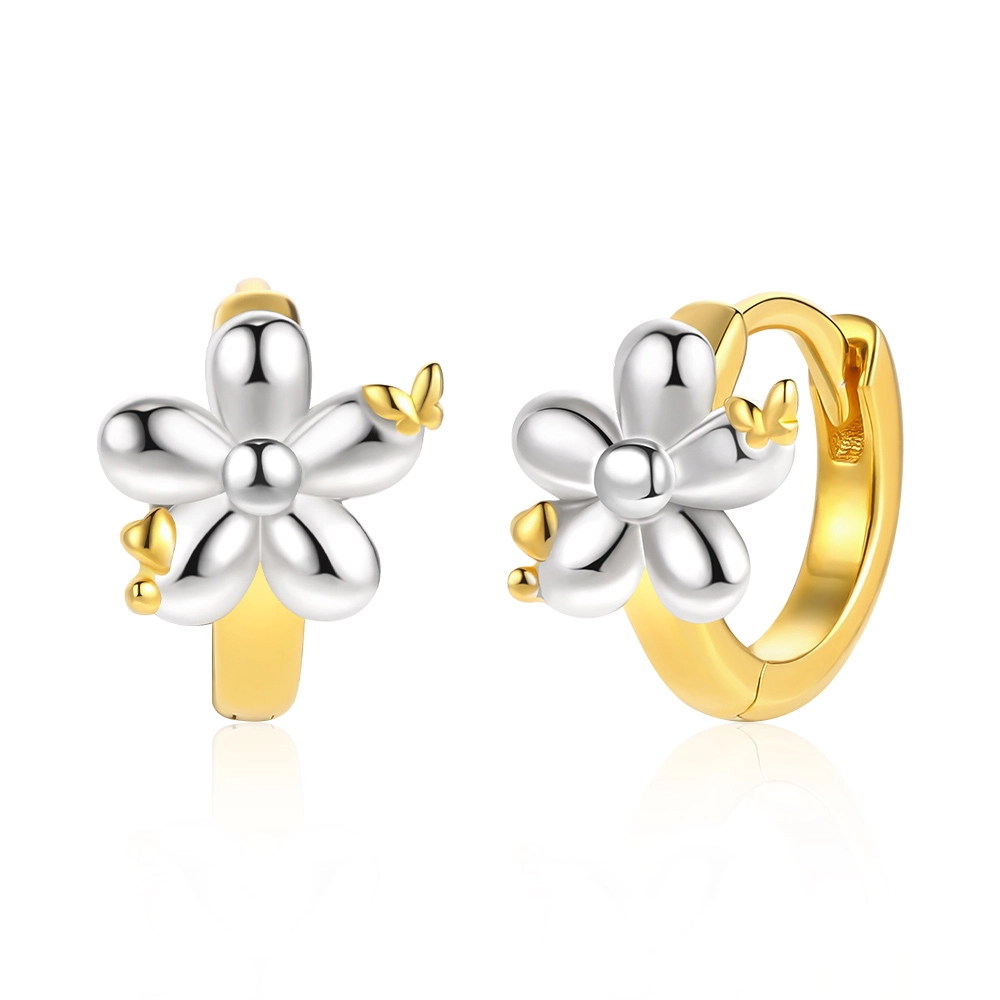
925 Sterling Silver Two Tone Flower Huggie Earrings Wholesale
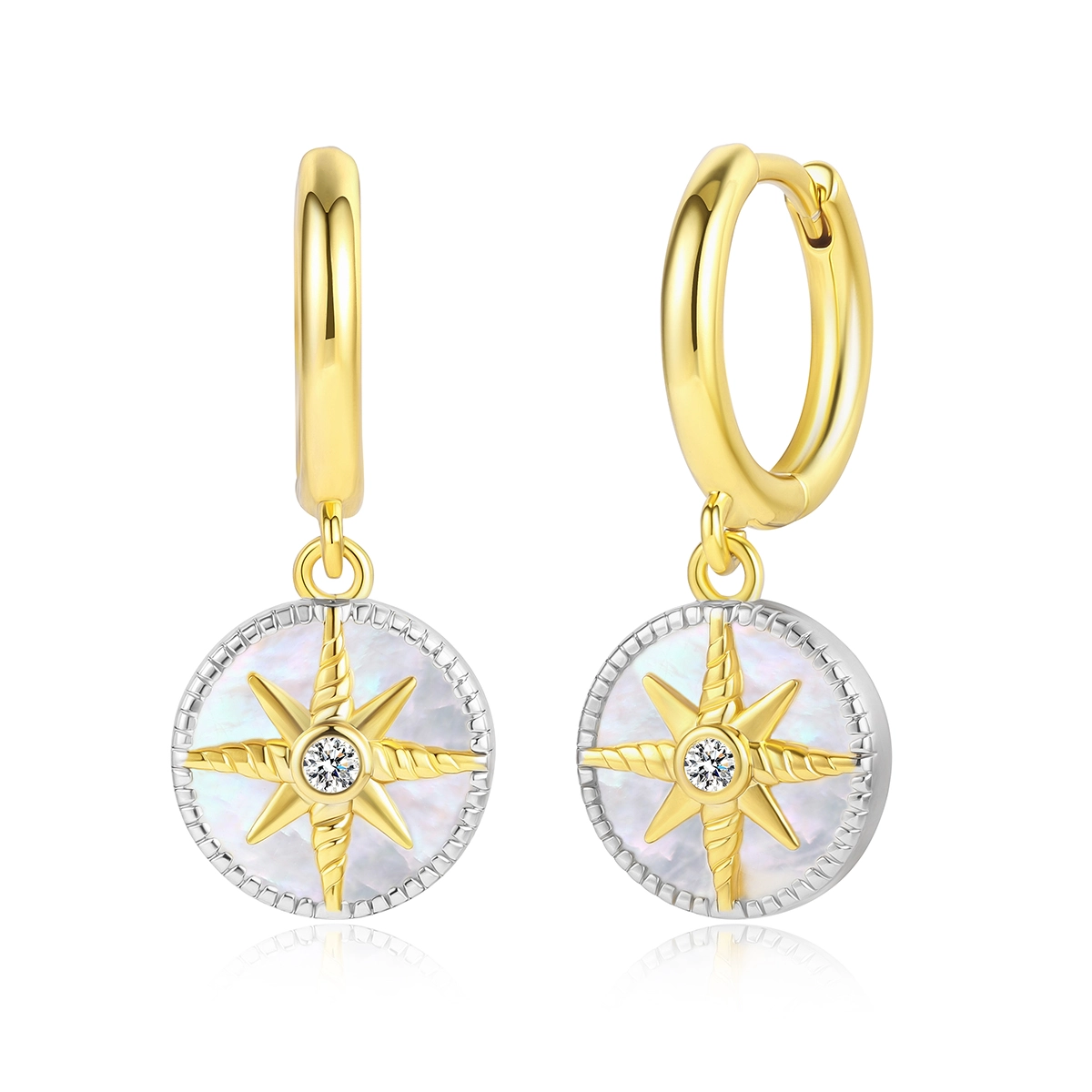
Brass Mother of Pearl Compass Huggie Drop Earrings | 14K 18K Gold Plated Hypoallergenic Jewelry
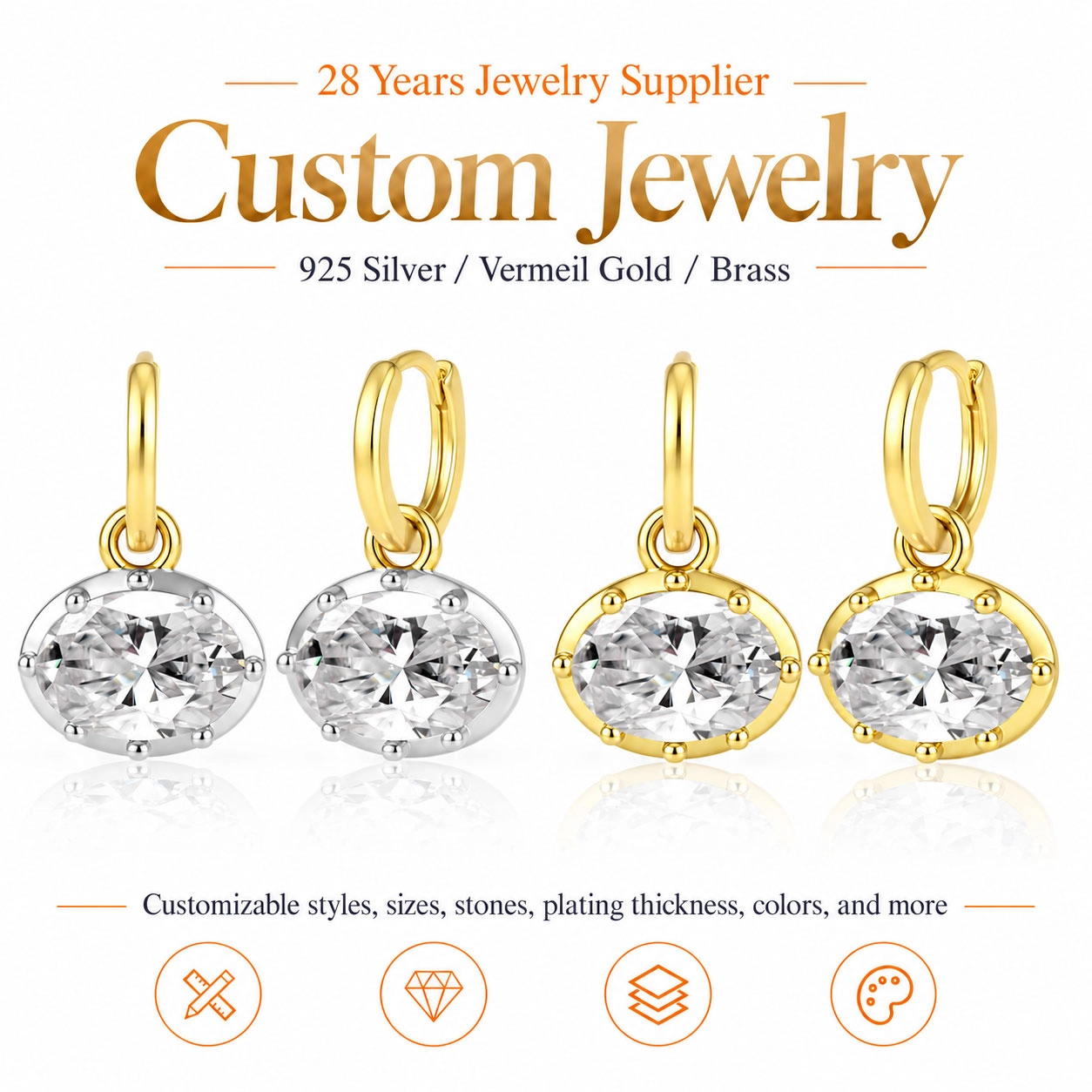
Custom Hailey Charm Hoop Earrings with Oval CZ in 925 Sterling Silver
Product Categories
Discuss Your Ideas with a Professional Custom Jewelry Manufacturer
We provide personalized jewelry customization services for clients worldwide.
Rest assured that your privacy is important to us, and all information provided will be handled with the utmost confidentiality.
By clicking 'Send Inquiry Now' I agree to ZHEFAN JEWELRY processing my personal data.
To see how to withdraw your consent, how to control your personal data and how we process it, please see our Privacy Policy and Terms of use.
From design to production, ZHEFAN JEWELRY offers a one-stop solution to help you enhance your brand value and market competitiveness.
Get A Quote
Contact
Tel: (+86) 188 1927 7817
© 2026 Zhefan Jewelry. All Rights Reserved.
Facebook
Instagram
YouTube
Whatsapp: +8618819277817