








Email: sales3@zhefanjewelry.com
How Can a Gold Vermeil Jewelry Manufacturer Improve Tarnish Resistance and Jewelry Longevity?
Learn how surface preparation, gold-layer specifications, design details, protective coatings, and realistic testing influence tarnish resistance and wear life in gold vermeil jewelry.
Quick Answer
A gold vermeil jewelry manufacturer can improve tarnish resistance by controlling sterling-silver surface preparation, applying an even gold layer, and checking adhesion and wear against the intended use. Buyers should assess the silver base and finish, gold karat and thickness, coverage at edges, any compatible protective coating, and inspection criteria. The right specification depends on the design, wear profile, and project-specific validation.
How a Manufacturer Supports Projects
No company-specific manufacturing capabilities were supplied for this article, so buyers should verify processes rather than assume a supplier offers particular plating or testing services. Ask the manufacturer to document the sterling-silver specification, surface-preparation steps, gold-layer requirements, coverage expectations, and the inspection method used for the finished piece.
Before an OEM or ODM order, confirm how samples will be assessed and whether any proposed coating is compatible with the design, finish, and intended wear. Establish the target market, gold karat and thickness, acceptance criteria, and test scope in writing. MOQ, lead time, testing scope, and quotation must be confirmed for each project.
Discuss Your Vermeil Durability Requirements
Share the target market, drawings or reference images, dimensions, sterling-silver alloy preference, desired gold karat and thickness, expected wear conditions, and estimated order volume. With this brief, a supplier can discuss feasible specifications, sample evaluation steps, and the evidence to review before a bulk order. Send your project brief to sales3@zhefanjewelry.com to discuss a practical vermeil specification.
Deep-Dive FAQs
How thick should vermeil gold plating be for daily wear?
For vermeil sold in the United States, the Federal Trade Commission’s Jewelry Guides describe a gold layer of at least 2.5 microns over sterling silver, with gold fineness of at least 10 karats. That is a product-definition threshold, not a promise of a particular service life. Daily wear brings abrasion from skin, clothing, surfaces, and cleaning, so buyers should specify the layer thickness, karat, coverage on edges and recesses, and intended use. Ask for the specification to be documented and evaluated on the actual design; a thicker layer alone cannot compensate for poor adhesion or high-friction geometry.
Which base-metal details most affect tarnish beneath vermeil?
Vermeil uses sterling silver as its base. Sterling silver contains copper as part of the alloy, and exposed silver can react with sulfur-containing compounds in air and in some products, forming a dark tarnish layer. The alloy standard, cleanliness, surface roughness, polishing residues, and time between preparation and plating can therefore matter. Tarnish usually becomes visible where the gold layer is thin, porous, scratched, or worn through; it is misleading to treat every dark spot as tarnish passing through an intact, uniform gold film. Ask the supplier to identify the silver specification and explain how the surface is cleaned and prepared before plating.
Can a protective topcoat extend gold vermeil jewelry life?
A compatible clear coating may reduce direct contact with moisture, cosmetics, or contaminants and can slow some forms of surface change. It is not a substitute for a properly applied gold layer, and it can scratch, wear, alter gloss or color, or affect the feel of the piece. Results depend on the coating chemistry, substrate preparation, application, and design. Request sample evaluation on the actual finish, including areas that contact skin or rub against clothing. Confirm that any coating is suitable for the intended market and that product descriptions accurately disclose the construction; do not assume a topcoat makes jewelry waterproof or maintenance-free.
How should manufacturers test vermeil tarnish resistance before bulk production?
Start with representative finished samples, not flat test coupons alone: settings, joints, edges, and recessed details can plate differently from broad surfaces. Agree on the failure criteria before testing, such as visible discoloration, coating loss, or unacceptable change in appearance. Combine inspection of layer coverage and adhesion with exposure conditions relevant to the product’s intended use, such as controlled humidity or contact with common personal-care products where appropriate. Accelerated testing can help compare samples, but it does not translate directly into a guaranteed number of years in use. Request the method, sample count, observations, and limitations in the report; no single test establishes performance in every wearer’s environment.
Why does vermeil discolor despite meeting minimum thickness requirements?
Minimum thickness does not ensure uniform coverage, strong adhesion, or resistance to abrasion. Discoloration can occur if the silver is exposed at pores, corners, settings, scratches, or worn contact points; surface contamination or unsuitable polishing residues can also undermine plating adhesion. Environmental sulfur compounds, sweat, cosmetics, and cleaning products may affect exposed silver or change the appearance of coatings. Check whether the defect is localized wear, tarnished exposed base metal, residue, or a change in the gold surface before choosing a remedy. Compare affected pieces with an unworn sample and review the documented layer specification and process controls.
What care instructions reduce wear on vermeil jewelry?
Recommend removing pieces before swimming, bathing, exercising, or applying cosmetics and perfumes, since moisture, abrasion, and product residues can accelerate wear or affect the finish. Store items separately in a dry place to limit scratching and exposure to air pollutants. Clean gently with a soft, dry cloth; avoid abrasive polishing cloths, chemical dips, and household cleaners unless the supplier has confirmed they are appropriate for the specific coating. Care advice should reflect the actual construction and finish. It can reduce avoidable damage, but it cannot prevent eventual wear of a thin surface layer.
Recommended for you
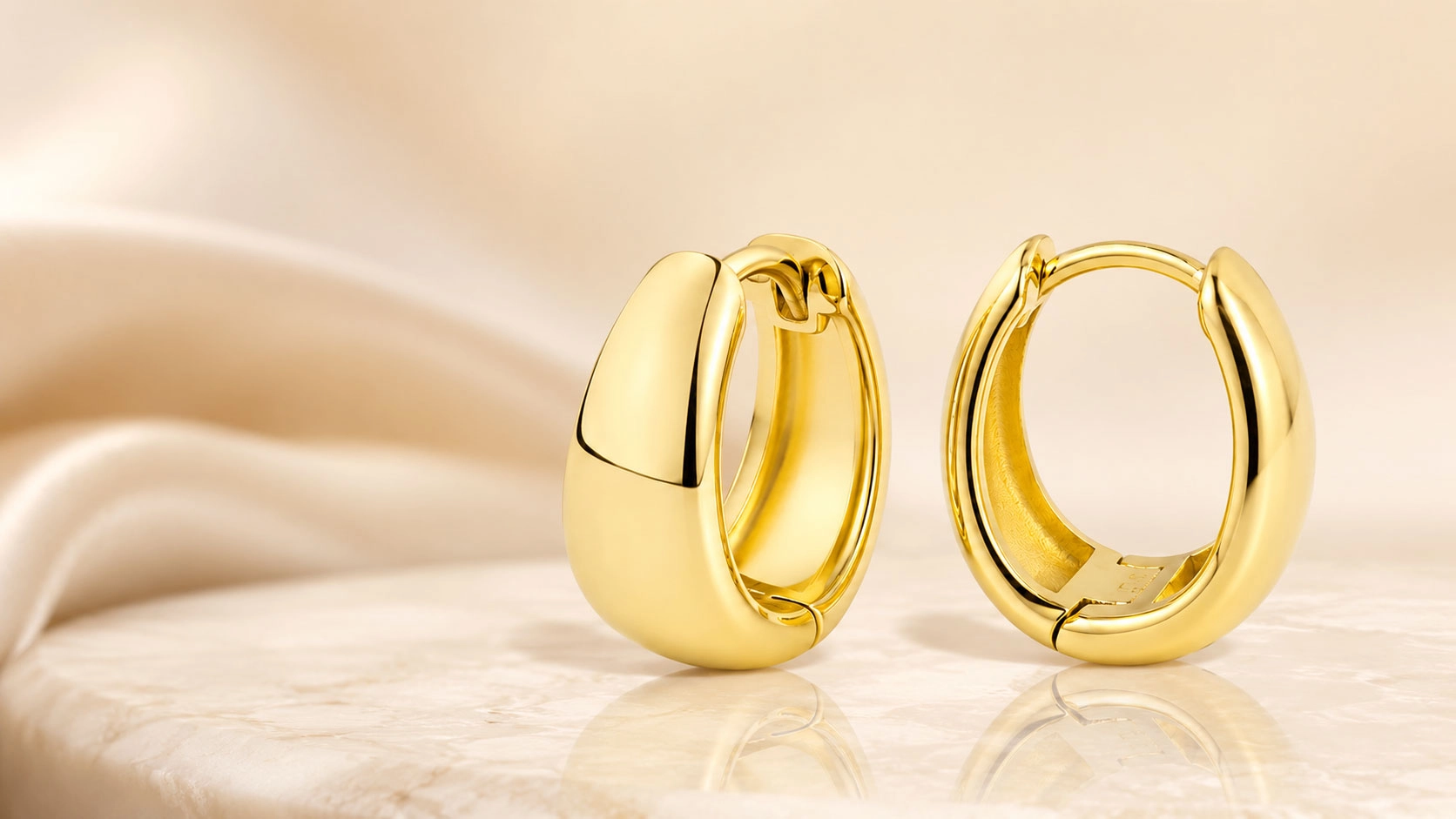
What Is Gold Vermeil Jewelry? A Complete Guide for Brands and Retailers
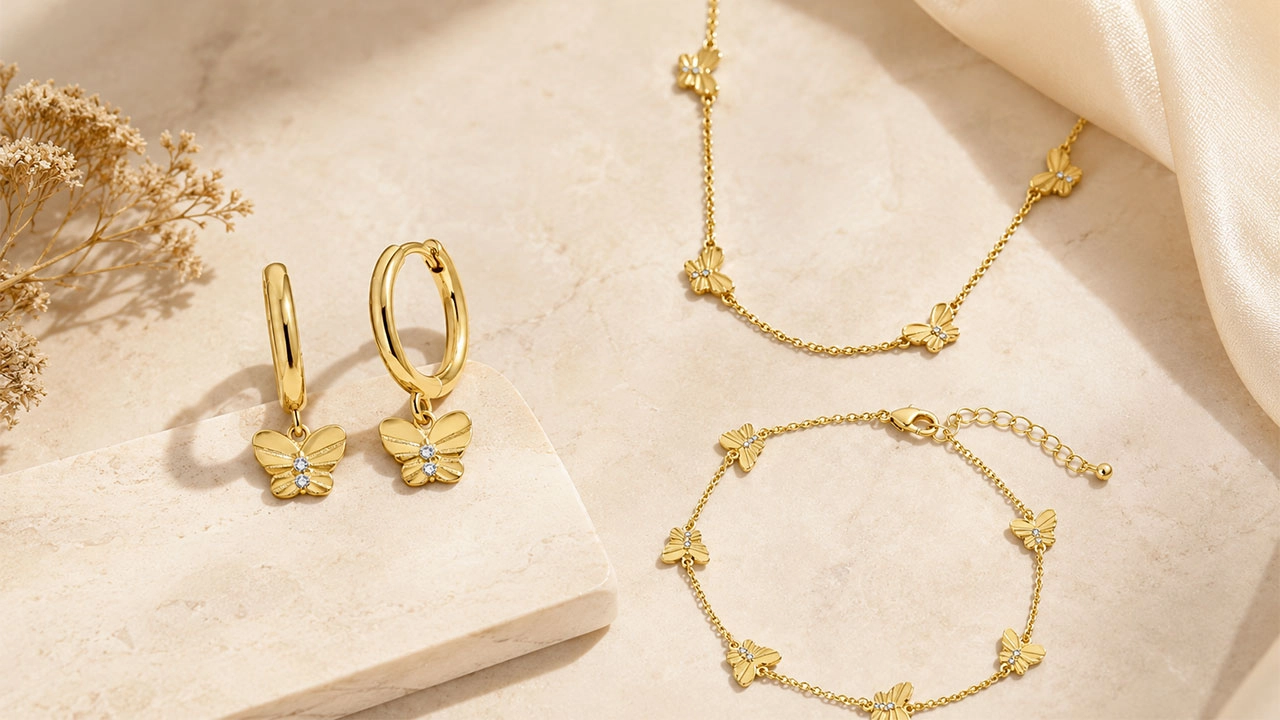
Thick Gold Plated Jewelry Manufacturer for 925 Silver & Brass Jewelry
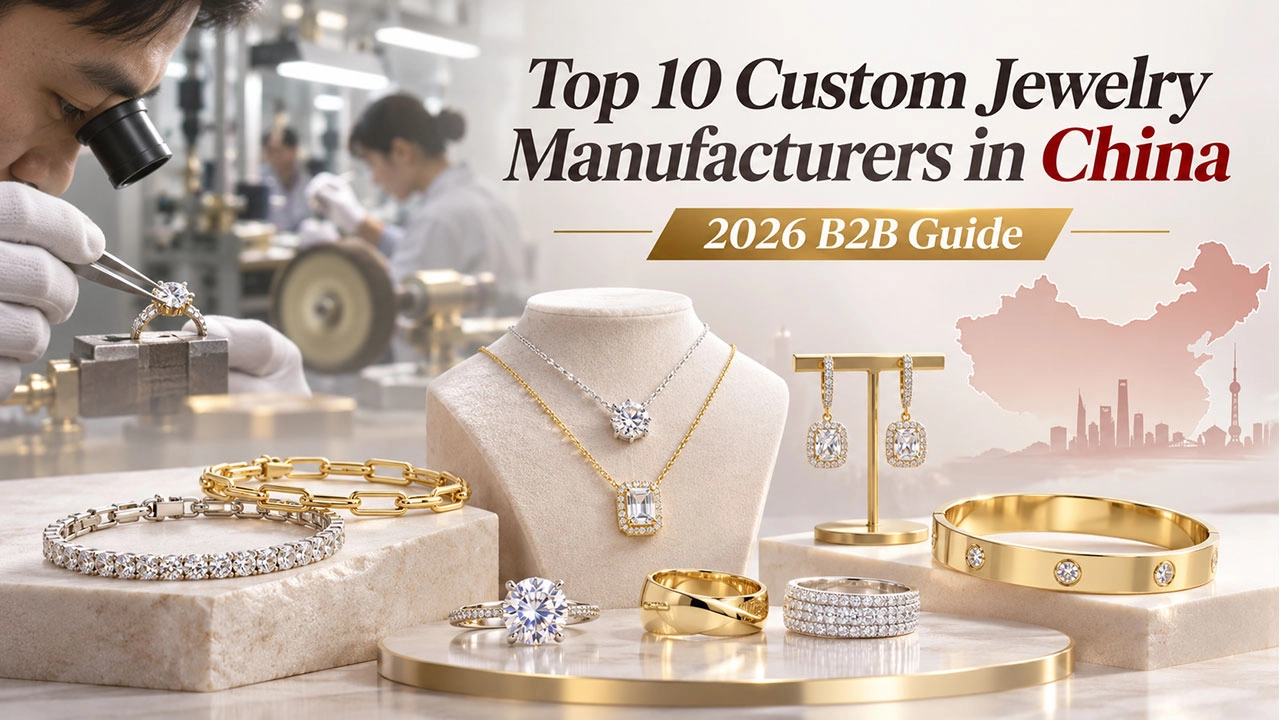
Top 10 Custom Jewelry Manufacturers in China (2026)
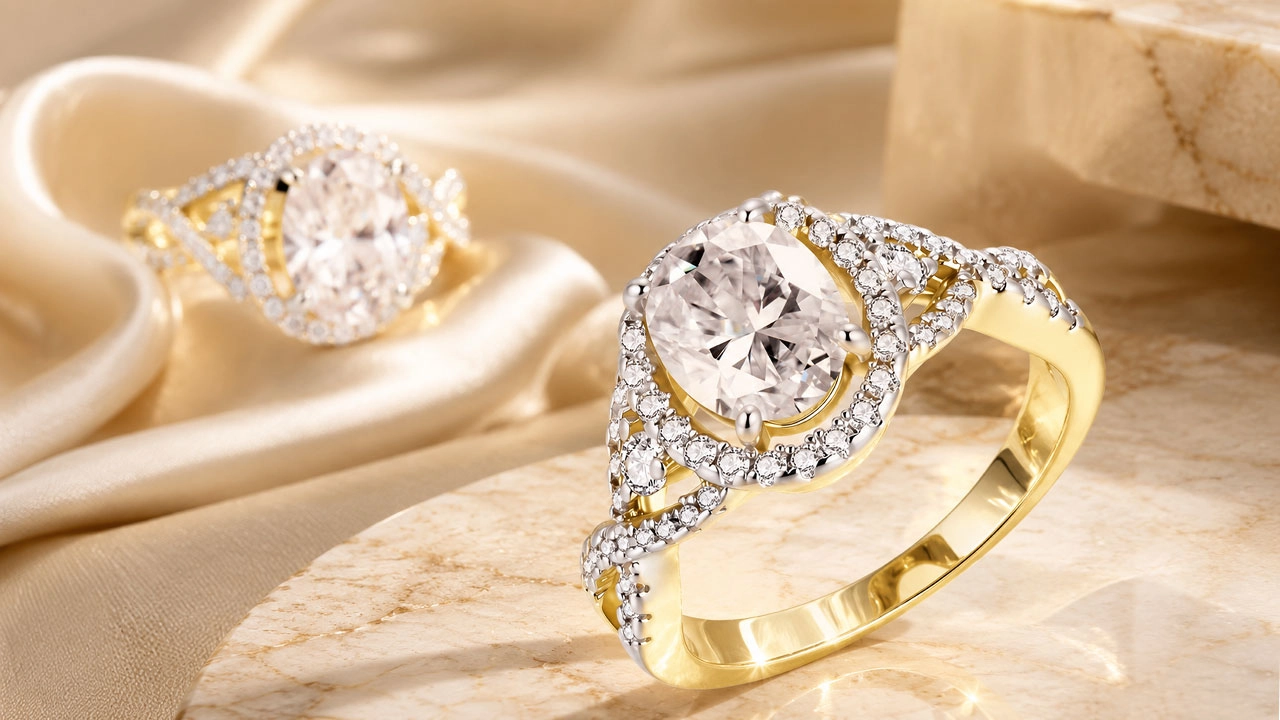
How to Choose a Gold Vermeil Jewelry Manufacturer
Gold Vermeil vs. Gold-Plated Jewelry: Which Fits Your Luxury Jewelry Brand?
Can Silver or Brass Be PVD Coated? A Professional Guide for Jewelry Brands

Wholesale Jewelry 925 Sterling Silver Four Leaf Clover Jewelry Sets.

Customizable High-Quality Fashion 925 Sterling Silver AAA Cubic Zirconia Heart-Shaped Open Tennis Bracelet.

Customizable OEM ODM High-Quality Fashion Brass AAA Cubic Zirconia Classic Tennis Bracelet for Women Wholesale.

925 Sterling Silver Two Tone Flower Huggie Earrings Wholesale
Brass Mother of Pearl Compass Huggie Drop Earrings | 14K 18K Gold Plated Hypoallergenic Jewelry
Custom Hailey Charm Hoop Earrings with Oval CZ in 925 Sterling Silver
Product Categories
Discuss Your Ideas with a Professional Custom Jewelry Manufacturer
We provide personalized jewelry customization services for clients worldwide.
Rest assured that your privacy is important to us, and all information provided will be handled with the utmost confidentiality.
By clicking 'Send Inquiry Now' I agree to ZHEFAN JEWELRY processing my personal data.
To see how to withdraw your consent, how to control your personal data and how we process it, please see our Privacy Policy and Terms of use.
From design to production, ZHEFAN JEWELRY offers a one-stop solution to help you enhance your brand value and market competitiveness.
Get A Quote
Contact
Tel: (+86) 188 1927 7817
© 2026 Zhefan Jewelry. All Rights Reserved.
Facebook
Instagram
YouTube
Whatsapp: +8618819277817