








Email: sales3@zhefanjewelry.com
How Can a Gold Vermeil Jewelry Manufacturer Ensure Consistency Across an Entire Jewelry Collection?
Learn how documented specifications, representative sampling, coating controls, traceable production records, and risk-based inspection help keep gold vermeil jewelry collections consistent across designs and production runs.
Quick Answer
A gold vermeil jewelry manufacturer can improve collection consistency by controlling the shared design specification, silver substrate, surface preparation, gold alloy, coating thickness, and inspection criteria. The most useful controls are a master color reference, approved samples, documented process settings, and batch-level checks; the right plan depends on the designs, target market, and validation testing.
How a Manufacturer Supports Collection Projects
For any supplier under consideration, ask how it will translate the collection brief into controlled specifications for each SKU, including base-metal grade, finish, target color, and coating requirements. A gold vermeil jewelry manufacturer should be able to explain its sampling, production records, and inspection approach; verify the actual scope rather than assuming a particular capability.
Buyers should confirm how samples represent different shapes and production positions, how deviations are handled, and which checks are documented for repeat orders. MOQ, lead time, testing scope, and quotation must be confirmed per project, along with the applicable market definition of vermeil and the agreed acceptance criteria.
Discuss Collection Consistency Requirements
Share the target market, design files or drawings, SKU list, dimensions, sterling-silver requirements, preferred gold tone, intended wear conditions, and expected order quantities. These details help frame suitable specification options, representative sample approvals, and a practical inspection plan. Send your collection brief to sales3@zhefanjewelry.com to discuss project-specific requirements with a gold vermeil jewelry manufacturer.
Collection Consistency FAQs
How can plating thickness stay consistent across every jewelry design?
Start with a written coating specification that identifies the required gold thickness, the measurement method, and the locations to be checked on each representative design. A single reading on a flat surface may not describe coverage on edges, recesses, or complex forms; geometry and fixture position can affect deposition. Ask the supplier to define sampling locations and retain results by production lot. For the US market, the FTC Jewelry Guides define vermeil as gold of at least 10 karat applied to sterling silver at a minimum thickness of 2.5 microns. Other markets or customer specifications may differ, so confirm the applicable requirement rather than treating the US definition as universal.
Which sample tests reveal color variation before a bulk order?
Approve samples that represent the collection’s different shapes, sizes, and surface finishes, not only one easy-to-plate pendant. Compare them under consistent lighting against an agreed master reference; instrumental color measurement can make comparisons more repeatable when the parties agree on the instrument, geometry, and reporting method. A thickness check, such as X-ray fluorescence where suitable and correctly calibrated for the part, addresses coating thickness rather than color by itself. Check several locations on complex pieces and record results. Agree in advance on acceptable visual or measured variation, sample identification, and who approves the final pre-production standard.
How should stone settings affect vermeil coating process controls?
Decide with the manufacturer whether coating occurs before or after stones are set, based on the stone, setting construction, and process compatibility. Some stones or treatments may be sensitive to heat, chemicals, or handling, while plating after setting can leave shielded areas with limited coating. The production specification should identify stones and treatments, areas that must be coated or masked, and the inspection points for settings and surfaces. Approve a representative sample with the actual setting sequence. Do not assume every gemstone can safely pass through the same finishing process; obtain stone-specific handling guidance when composition or treatment is uncertain.
What records help reproduce the same gold tone later?
Keep an approved, identifiable color reference and a controlled record of the design revision, sterling-silver substrate, surface finish, gold alloy or bath specification, process route, and production date or lot. Record the lighting or instrument conditions used for color assessment, measurement locations, coating-thickness results, and any approved deviation. Ask the supplier how it links those records to repeat orders and how it manages changes to materials or process inputs. Gold tone can shift with alloy composition, surface preparation, and process conditions, so a color name alone is not a sufficiently precise repeat-order specification.
How can mixed-sized pieces receive comparable wear resistance?
Treat wear performance as a design-and-use requirement, not as a direct synonym for nominal coating thickness. Edges, protrusions, recesses, and contact points can experience different coating coverage or abrasion, and larger or differently shaped parts may behave differently in production. Identify likely wear zones for each design family, inspect representative locations, and agree on a test method and acceptance criteria that reflect intended use. Compare samples from the smallest, largest, and most geometrically challenging pieces. Do not infer equal service life from a shared finish description; wear depends on construction, coating, use, and care.
Which inspection checks catch defects across a full collection?
Use a documented plan that combines design-specific checks with shared collection standards. Depending on the agreed specification, inspect appearance and color under controlled viewing conditions, verify coating thickness at defined locations, and check for exposed substrate, pits, stains, or damage around settings and edges. Confirm dimensions and finish details against approved drawings or samples, and record results by SKU and production lot. A sampling plan should reflect order size, design complexity, and defect risk; define the sample quantity and escalation process before production. Visual inspection alone cannot establish coating thickness, so use an appropriate measurement method when thickness compliance is required.
Recommended for you
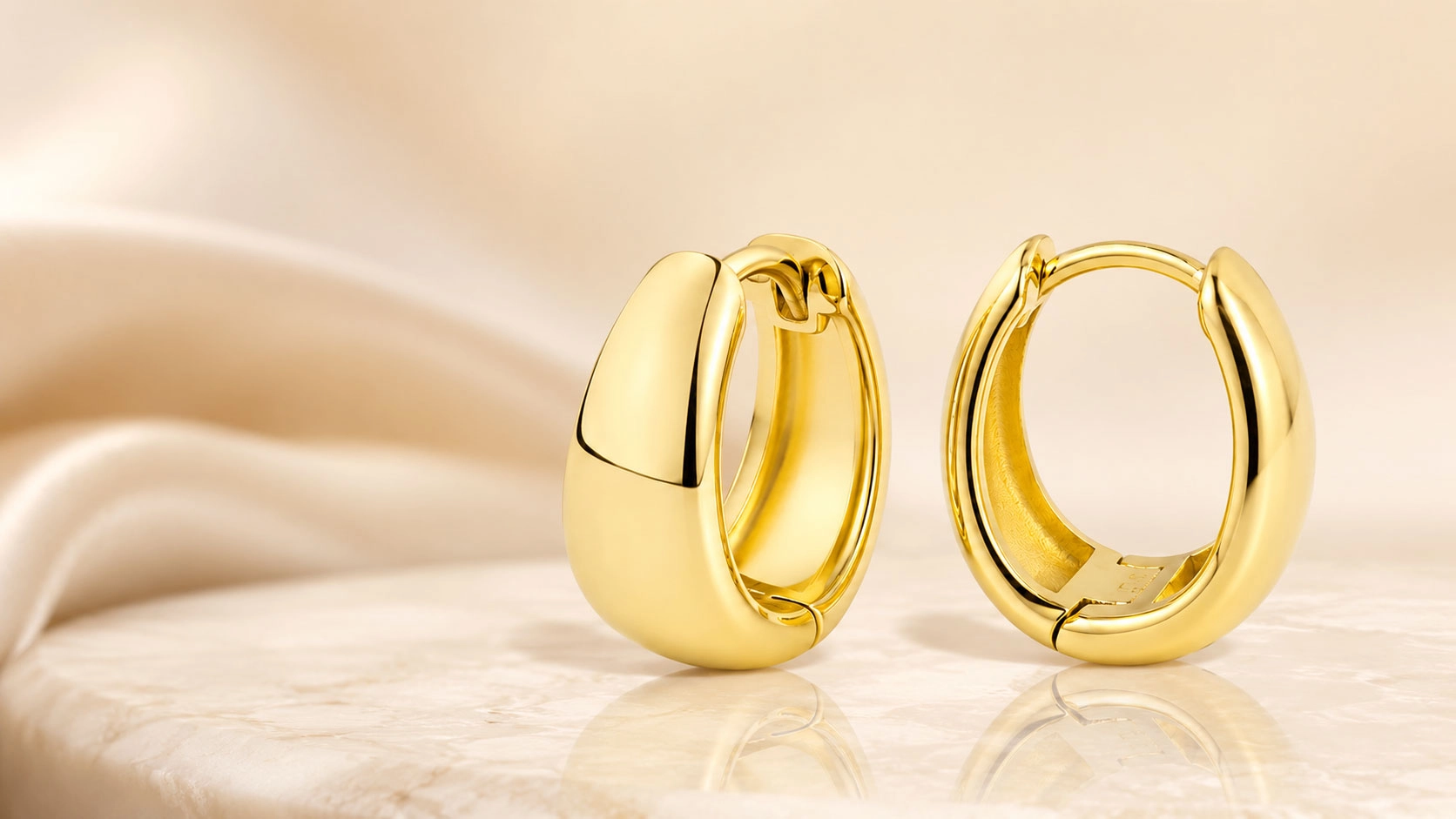
What Is Gold Vermeil Jewelry? A Complete Guide for Brands and Retailers
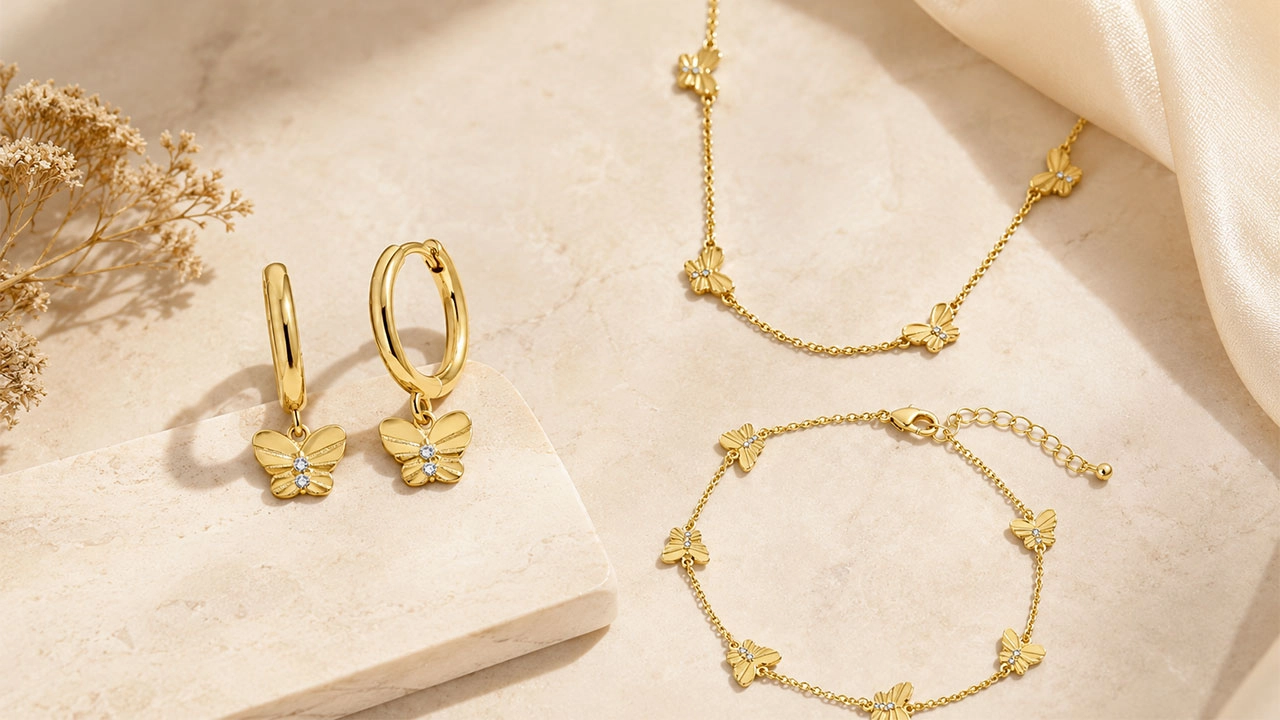
Thick Gold Plated Jewelry Manufacturer for 925 Silver & Brass Jewelry
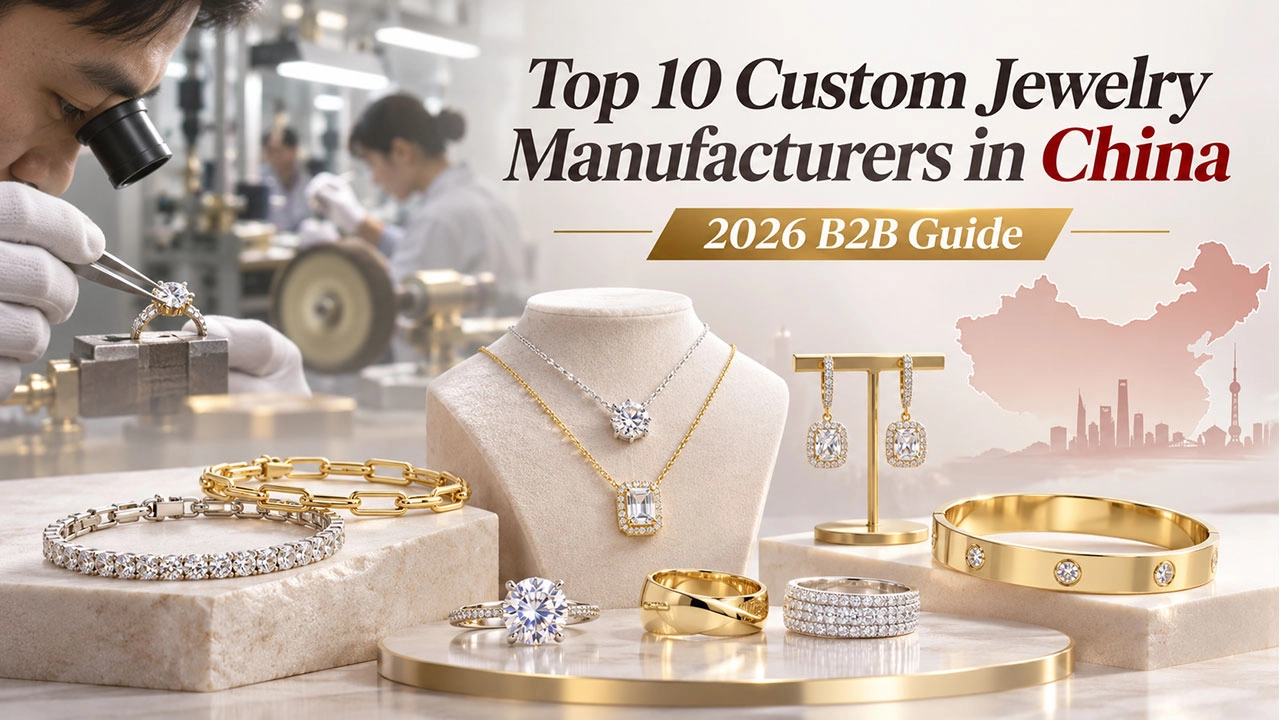
Top 10 Custom Jewelry Manufacturers in China (2026)
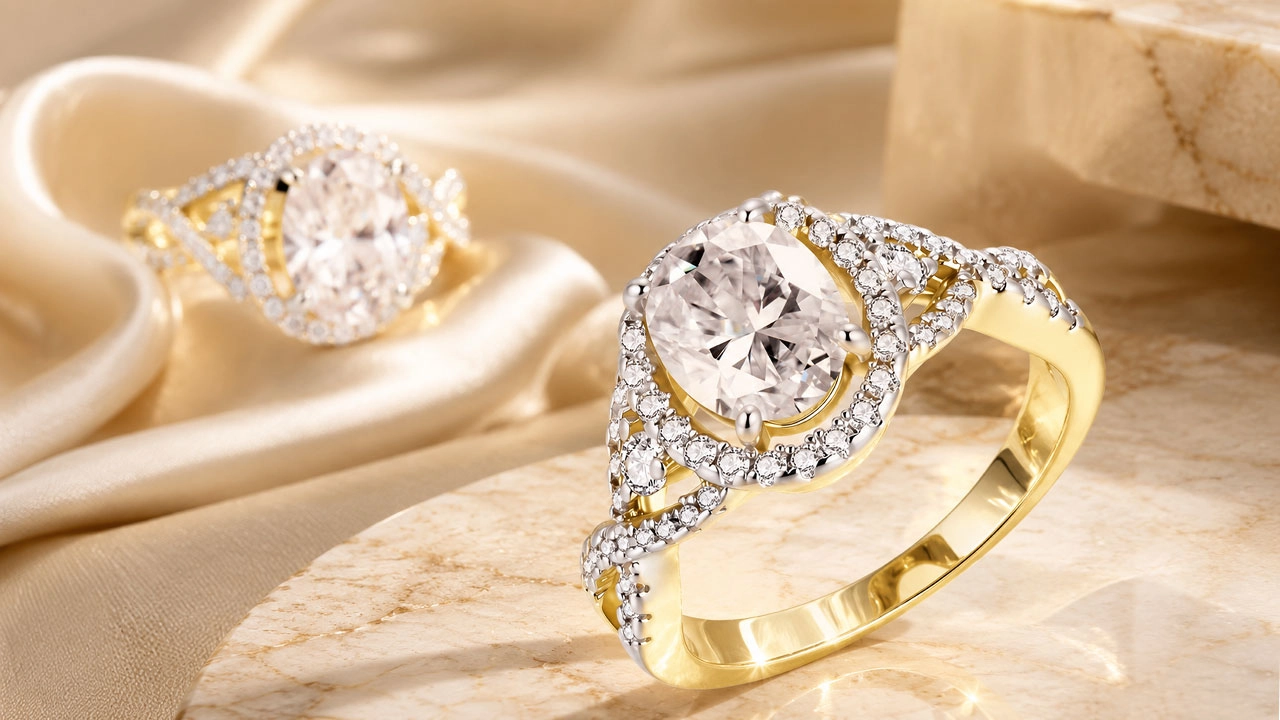
How to Choose a Gold Vermeil Jewelry Manufacturer
Gold Vermeil vs. Gold-Plated Jewelry: Which Fits Your Luxury Jewelry Brand?
Can Silver or Brass Be PVD Coated? A Professional Guide for Jewelry Brands

Wholesale Jewelry 925 Sterling Silver Four Leaf Clover Jewelry Sets.

Customizable High-Quality Fashion 925 Sterling Silver AAA Cubic Zirconia Heart-Shaped Open Tennis Bracelet.

Customizable OEM ODM High-Quality Fashion Brass AAA Cubic Zirconia Classic Tennis Bracelet for Women Wholesale.

925 Sterling Silver Two Tone Flower Huggie Earrings Wholesale
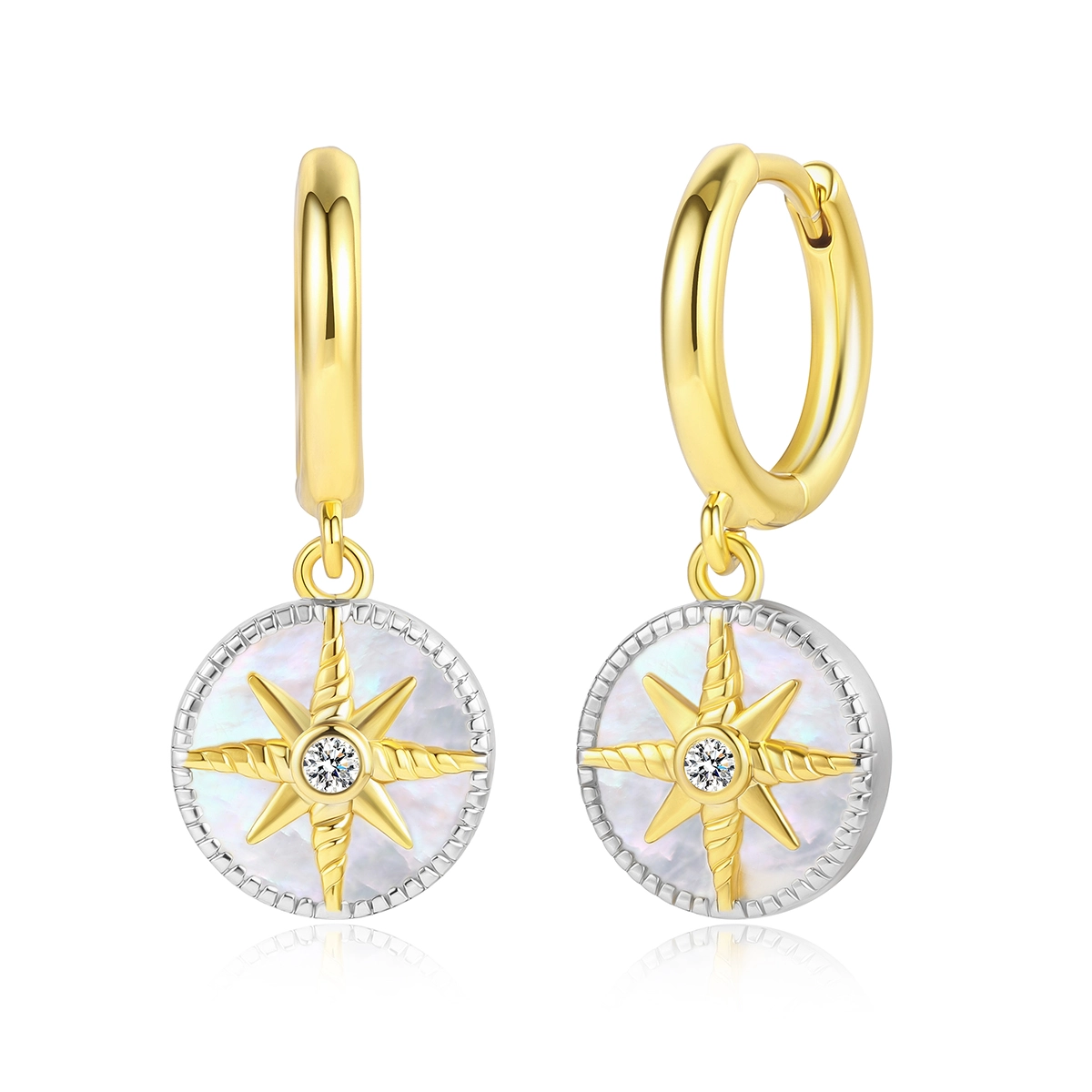
Brass Mother of Pearl Compass Huggie Drop Earrings | 14K 18K Gold Plated Hypoallergenic Jewelry
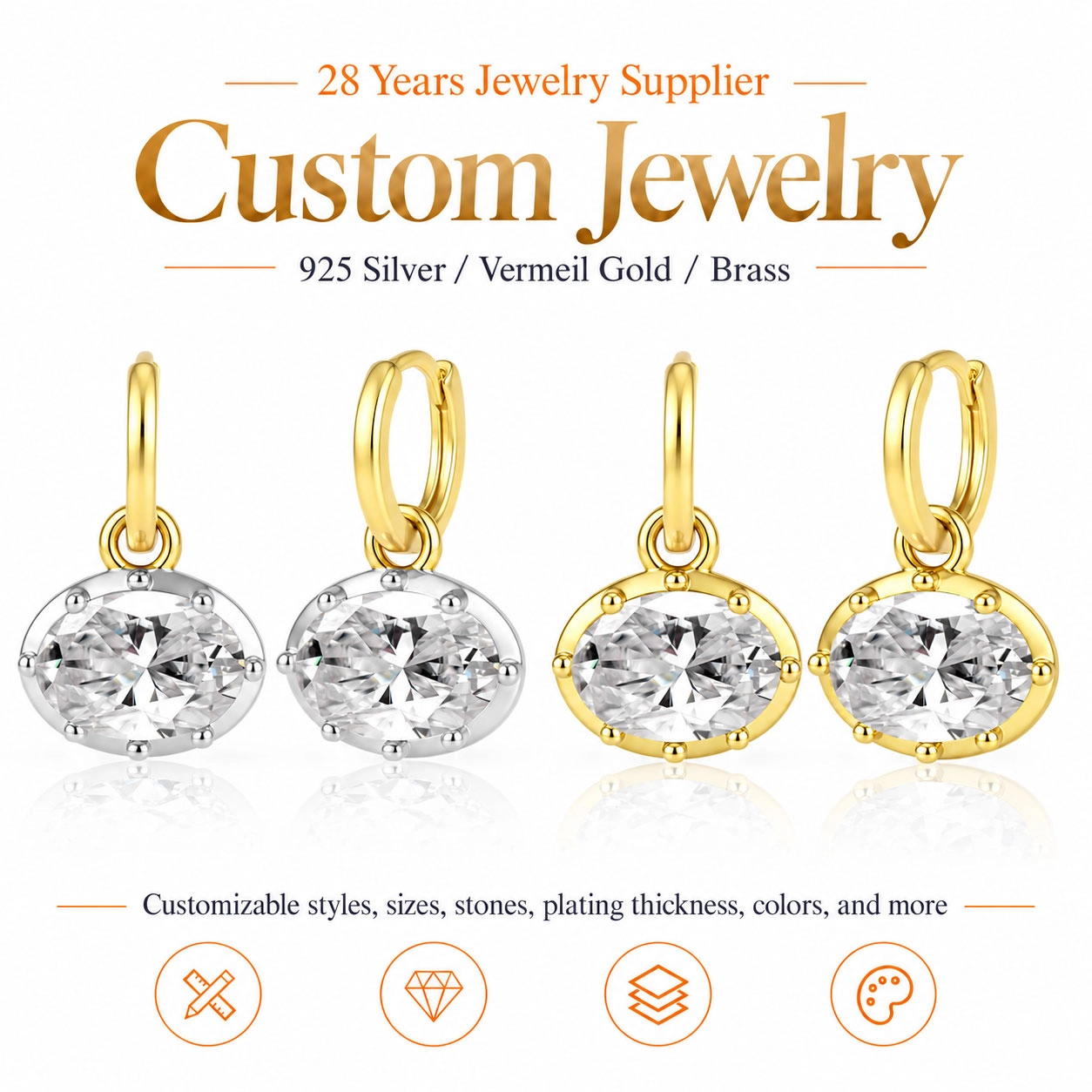
Custom Hailey Charm Hoop Earrings with Oval CZ in 925 Sterling Silver
Product Categories
Discuss Your Ideas with a Professional Custom Jewelry Manufacturer
We provide personalized jewelry customization services for clients worldwide.
Rest assured that your privacy is important to us, and all information provided will be handled with the utmost confidentiality.
By clicking 'Send Inquiry Now' I agree to ZHEFAN JEWELRY processing my personal data.
To see how to withdraw your consent, how to control your personal data and how we process it, please see our Privacy Policy and Terms of use.
From design to production, ZHEFAN JEWELRY offers a one-stop solution to help you enhance your brand value and market competitiveness.
Get A Quote
Contact
Tel: (+86) 188 1927 7817
© 2026 Zhefan Jewelry. All Rights Reserved.
Facebook
Instagram
YouTube
Whatsapp: +8618819277817