



Email: sales3@zhefanjewelry.com
Why Should Jewelry Brands Evaluate Metal Quality When Partnering With a Pearl Jewelry Manufacturer?
Metal quality affects pearl jewelry’s durability, skin-contact suitability, appearance, repairability, and compliance. Learn how to assess alloy composition, plating, testing evidence, and supplier documentation before approving samples or bulk production.
Why Should Jewelry Brands Evaluate Metal Quality When Partnering With a Pearl Jewelry Manufacturer?
Quick Answer
Jewelry brands should evaluate metal quality because alloy composition and construction affect durability, skin-contact suitability, appearance, and compliance. A pearl jewelry manufacturer should be assessed against the project’s metal specification, plating requirements, test evidence, and destination-market rules. Confirm these factors before approving samples; final choices depend on the design, intended use, testing scope, and applicable regulations.
How Supplier Support Should Be Evaluated
Supplier-specific capabilities were not provided, so confirm what the factory can document rather than assuming it offers particular testing or production services. Ask whether it can identify the proposed alloy, explain plating and finishing details, keep material records linked to production batches, and arrange relevant testing through an appropriate provider.
Before sampling, align on base-metal composition, surface finish, plating specification, skin-contact requirements, and acceptable evidence. Ask how design changes or component substitutions are approved. MOQ, lead time, testing scope, and quotation must be confirmed per project; do not treat a sample result as proof that every later batch is identical.
Discuss Metal Requirements for Your Pearl Jewelry Project
Share your target market, design drawings or reference images, pearl type and dimensions, preferred metal or alloy, finish and plating expectations, order quantity, and any testing or compliance requirements. These details can help frame a discussion about suitable options, sample evaluation, and documentation to request. To discuss your project, email sales3@zhefanjewelry.com.
Metal Quality FAQs for Pearl Jewelry Brands
How can brands verify metal composition in pearl jewelry samples?
Request a written specification identifying the base alloy and any plated layers, then check that the sample matches it. X-ray fluorescence (XRF) can screen many metals non-destructively, but it generally assesses the surface and may not establish the composition of every layer or the full bulk alloy. For a disputed or legally consequential result, ask a qualified testing provider which method is suitable; some methods require a destructive sample. Keep the report tied to the exact sample or production lot rather than treating a generic supplier document as proof.
Which metal tests matter before approving a pearl jewelry bulk order?
The right tests depend on the alloy, construction, intended skin contact, and destination market. Composition analysis can check whether an alloy matches its specification; where relevant, nickel-release testing evaluates release from an item rather than simply whether nickel is present. Plating-thickness or adhesion checks may be useful when a finish is part of the product claim. Agree on the test method, sample selection, acceptance criteria, and responsible testing party before production. A single test cannot establish every aspect of metal quality or product compliance.
How does plating thickness affect pearl jewelry wear and repair?
A plated finish can wear through at contact points, edges, and areas exposed to repeated friction, revealing the underlying metal and changing the appearance. Thickness is one factor, but adhesion, substrate preparation, alloy, geometry, use, and care also influence wear; a thickness figure alone does not predict service life. Ask for the specified layer and measurement method, and assess representative finished samples under realistic handling. Repair or refinishing can require removing or protecting pearls, so confirm the repair approach before committing to a construction.
Can nickel-free claims vary across pearl jewelry target markets?
Yes. The meaning and evidence expected for a nickel-related claim can differ by jurisdiction and product type. Some rules focus on nickel release from articles in prolonged skin contact, which is not the same as proving that no nickel exists anywhere in the materials. Brands should define the claim precisely, check the current requirements for each destination market, and request evidence using an applicable test method. Avoid repeating broad claims from a supplier without checking whether the supporting documents cover the actual finished item and its components.
Why can metal alloys change pearl setting durability over time?
Alloys differ in properties such as hardness, strength, and workability, and those differences affect how a setting holds its shape under wear. A design that works with one alloy may need adjustment for another; thin prongs, joints, and high-stress areas deserve particular attention. Metal choice is only part of the outcome: setting geometry, workmanship, pearl dimensions, and use also matter. Review the finished sample for secure pearl retention and ask how any proposed alloy substitution changes the design or repair process.
What metal documents should brands request from a pearl jewelry supplier?
Request a material specification naming the base alloy and finish, available test reports for the relevant claims, and batch or lot identification connecting the evidence to the supplied goods. For plated items, ask for the layer specification and the method used to assess it. Also request records of approved material substitutions and the applicable production sample reference. Documents should identify their scope and test method; a certificate with no traceable link to the product, batch, or requirement may not answer the brand’s compliance question.
Recommended for you
What Is Gold Vermeil Jewelry? A Complete Guide for Brands and Retailers
Thick Gold Plated Jewelry Manufacturer for 925 Silver & Brass Jewelry
Top 10 Custom Jewelry Manufacturers in China (2026)
How to Choose a Gold Vermeil Jewelry Manufacturer
Gold Vermeil vs. Gold-Plated Jewelry: Which Fits Your Luxury Jewelry Brand?
Can Silver or Brass Be PVD Coated? A Professional Guide for Jewelry Brands
Wholesale Jewelry 925 Sterling Silver Four Leaf Clover Jewelry Sets.
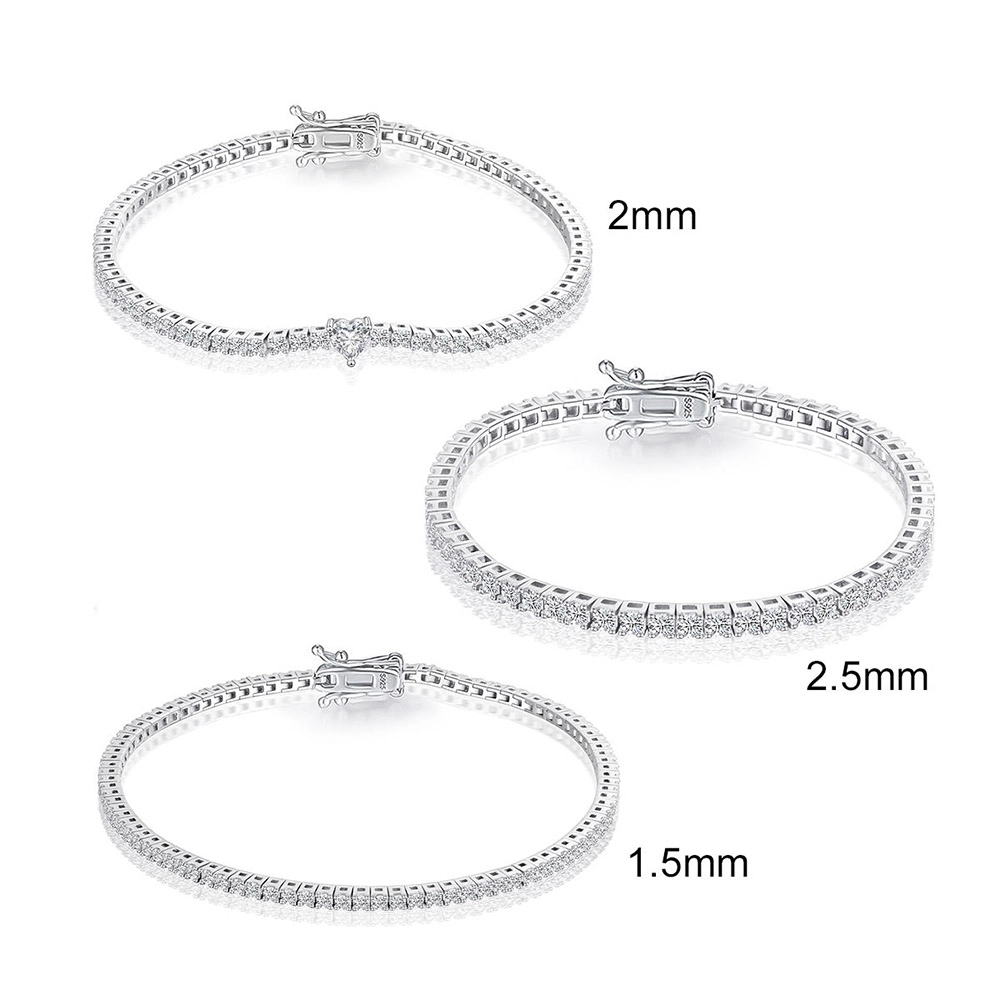
Customizable High-Quality Fashion 925 Sterling Silver AAA Cubic Zirconia Heart-Shaped Open Tennis Bracelet.
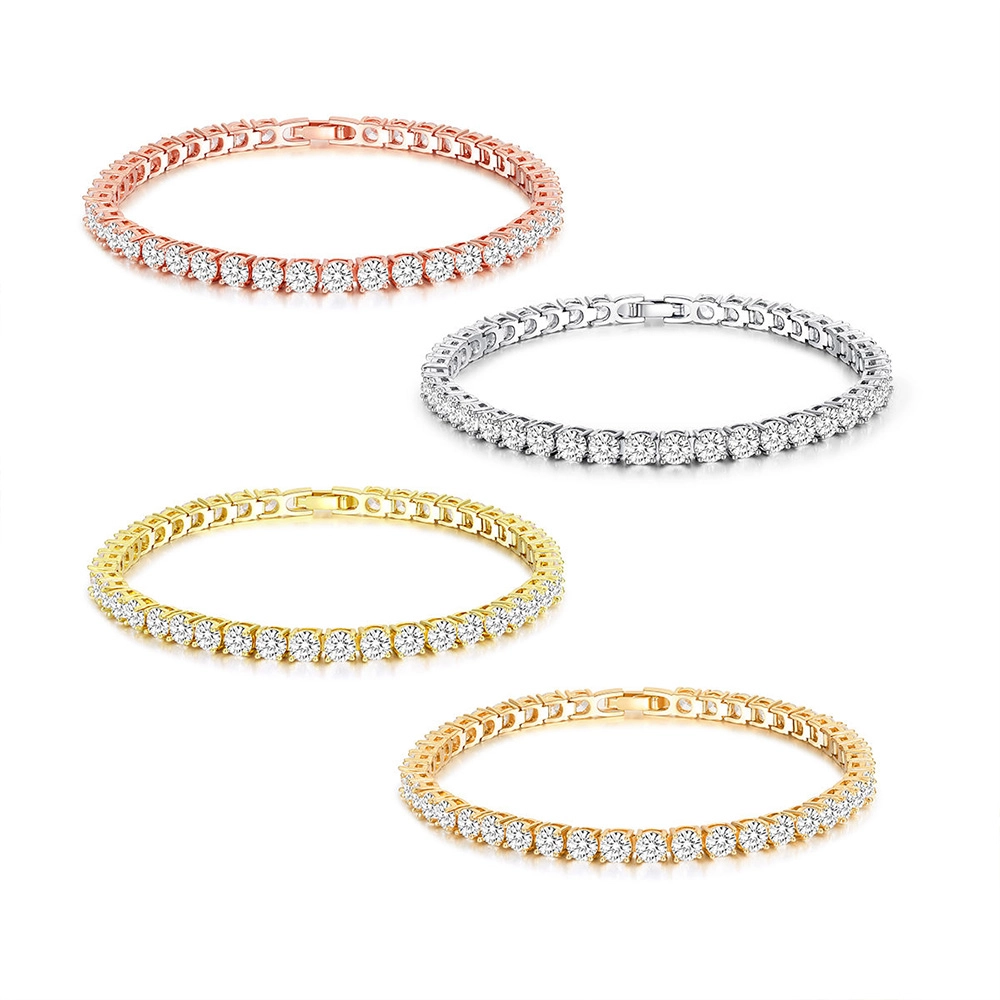
Customizable OEM ODM High-Quality Fashion Brass AAA Cubic Zirconia Classic Tennis Bracelet for Women Wholesale.
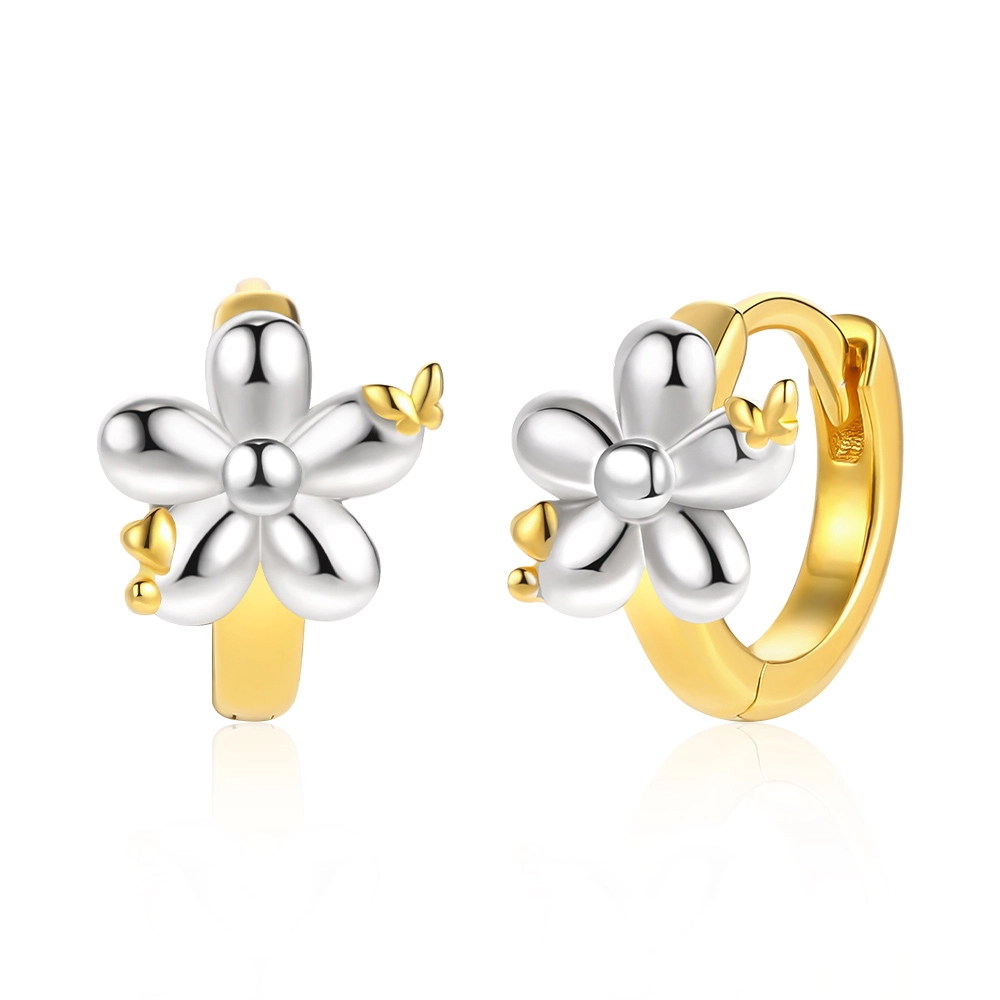
925 Sterling Silver Two Tone Flower Huggie Earrings Wholesale
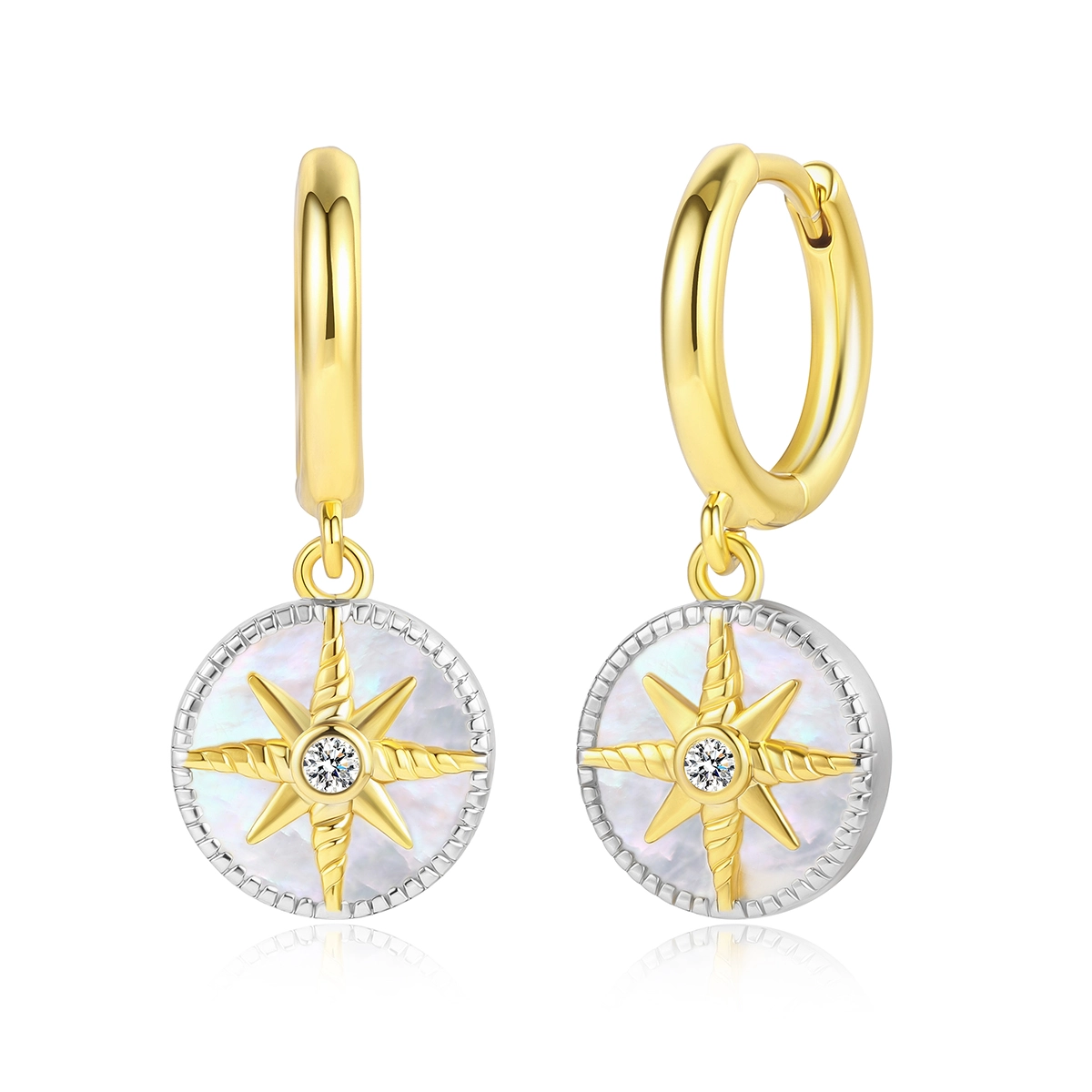
Brass Mother of Pearl Compass Huggie Drop Earrings | 14K 18K Gold Plated Hypoallergenic Jewelry
Custom Hailey Charm Hoop Earrings with Oval CZ in 925 Sterling Silver
Product Categories
Discuss Your Ideas with a Professional Custom Jewelry Manufacturer
We provide personalized jewelry customization services for clients worldwide.
Rest assured that your privacy is important to us, and all information provided will be handled with the utmost confidentiality.
By clicking 'Send Inquiry Now' I agree to ZHEFAN JEWELRY processing my personal data.
To see how to withdraw your consent, how to control your personal data and how we process it, please see our Privacy Policy and Terms of use.
From design to production, ZHEFAN JEWELRY offers a one-stop solution to help you enhance your brand value and market competitiveness.
Get A Quote
Contact
Tel: (+86) 188 1927 7817
© 2026 Zhefan Jewelry. All Rights Reserved.
Facebook
Instagram
YouTube
Whatsapp: +8618819277817