








Email: sales3@zhefanjewelry.com
How Can a Private Label Jewelry Manufacturer Create Strong Collections?
Learn how to build a cohesive, commercially practical jewelry collection through clear design direction, purposeful product roles, consistent specifications, sample validation, and launch planning.
Quick Answer
A strong jewelry collection connects a clear design idea to a balanced product assortment and consistent production specifications. A private label jewelry manufacturer can develop that foundation with a brand by aligning design direction, target customer, materials, finishes, and price positioning. The final collection plan depends on the product brief, sample review, testing needs, and manufacturing conditions.
How a Manufacturer Supports Collection Projects
Collection development works best as a documented collaboration, not a sequence of isolated product requests. Share the brand’s design references, customer profile, intended retail prices, and channel requirements so a supplier can assess which items belong together and identify specification questions early. Since no company capability profile was provided, confirm directly whether the supplier offers design adaptation, OEM or ODM development, sample revisions, and production quality checks.
Before development proceeds, agree on the product list, materials, dimensions, finish references, packaging needs, and acceptance criteria. Ask how revisions and approved samples will be recorded and how any material or component substitutions are handled. MOQ, lead time, testing scope, and quotation must be confirmed for each project; they can vary by design, materials, order mix, and production requirements.
Discuss Your Jewelry Collection Brief
Share your target market, customer profile, collection concept, preferred materials, approximate product count, target retail price range, and expected launch timing. With that context, you can discuss suitable product roles, specification questions, sample steps, and the information needed for a project quotation. Send your brief to sales3@zhefanjewelry.com and visit www.zhefanjewelry.com to begin a collection-specific discussion.
Collection-Planning FAQs
How should beginners define a collection's unifying design concept?
Start with a short design brief that identifies the intended customer, occasion or use, visual references, and the feeling the collection should communicate. Convert that direction into practical rules, such as silhouette, scale, motif, surface treatment, and color palette. A concept should guide choices without forcing every item to look identical. Check each proposed design against the brief: if its shape, finish, or use cannot be explained as part of the same story, it may belong in another collection. Use references for direction, but specify original dimensions and details rather than assuming an image alone is a production-ready design.
Which product mix makes a jewelry collection commercially coherent?
Build the assortment around distinct customer uses and price points, rather than adding items simply to increase the SKU count. A collection can include recognizable signature pieces, easier-to-wear supporting styles, and complementary items that help customers create a coordinated look. Decide the role of each item before development: which piece expresses the concept, which offers a lower-commitment entry point, and which adds styling or gifting options? Then review the range for duplicated functions, inconsistent design language, and gaps in sizes or wear occasions. Validate the final mix against channel, inventory, and margin assumptions; there is no universal product count that suits every brand.
How can suppliers balance signature designs with proven bestsellers?
Treat signature designs and familiar commercial forms as different assortment roles, not competing design strategies. A signature piece can establish distinctiveness, while more recognizable shapes may make the collection easier to understand and style. Keep the shared design language visible through recurring proportions, motifs, finishes, or details, but avoid copying another brand’s protected design. Use your own sales, customer feedback, and channel data to assess which familiar forms deserve development; category-wide assumptions are not a substitute for brand evidence. For new concepts, evaluate sample feedback and cost implications before committing to a bulk order, and make sure each style has a clear reason to be included.
What technical details prevent mismatched finishes across collection SKUs?
Create a written specification for every style and identify which finish characteristics must match across the range. Record the base material, finish or coating description, color reference, visible surface texture, and relevant dimensions; for plated products, confirm the agreed plating specification with the supplier rather than relying on a color name alone. Define which components should share the same appearance, since different base materials or production processes can affect the final look. Approve representative samples under consistent lighting and retain a dated reference sample or documented approval. Ask how production batches are checked against that reference and what variation is considered acceptable for the project.
How should brands validate samples before placing bulk orders?
Review samples against the approved brief and specification, not just whether they look attractive in a photograph. Check dimensions, weight where relevant, closures, movement, symmetry, finish consistency, comfort, and any required markings or packaging. Wear or handle the item in the way a customer would, and test only according to the product’s intended use and applicable market requirements. Record issues precisely with photographs, measurements, and requested changes, then confirm whether a revised sample is needed. A pre-production sample can reveal design or specification gaps, but it does not by itself establish that every production unit will be identical; agree on production inspection and acceptance criteria separately.
How do MOQ and lead time affect collection launch planning?
MOQ can apply per style, material, finish, or order configuration, so ask how the supplier calculates it before finalizing the assortment. A large number of low-volume SKUs may create a different purchasing commitment from fewer styles ordered in deeper quantities. Lead time also depends on project-specific factors such as design approval, material availability, sample revisions, production scheduling, and packaging. Build the launch calendar backward from the date inventory must be available, allowing time for approvals and any required testing or corrective work. Confirm the current MOQ, lead time, quotation validity, and order assumptions in writing; do not base a launch promise on an unconfirmed estimate.
Recommended for you
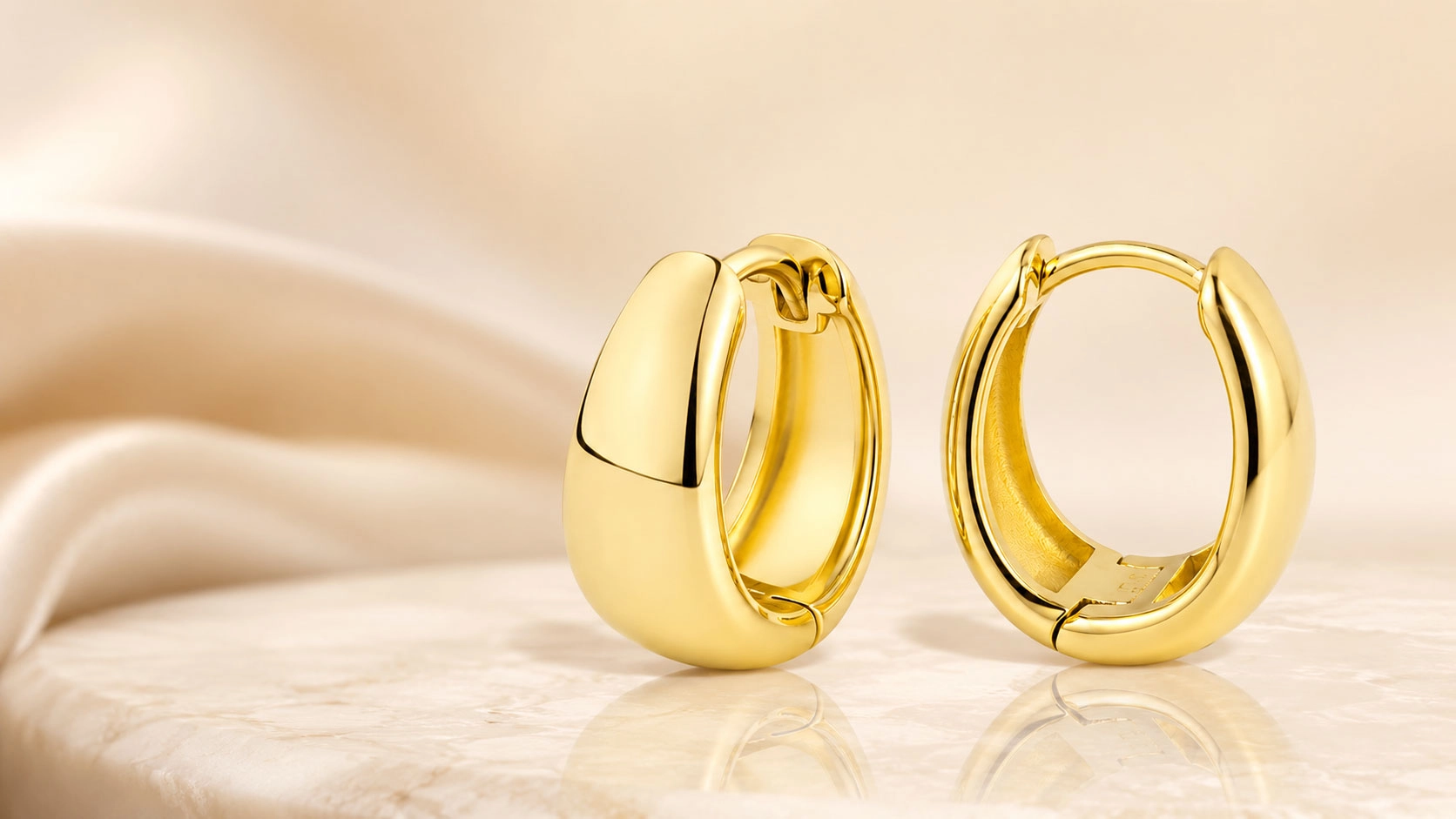
What Is Gold Vermeil Jewelry? A Complete Guide for Brands and Retailers
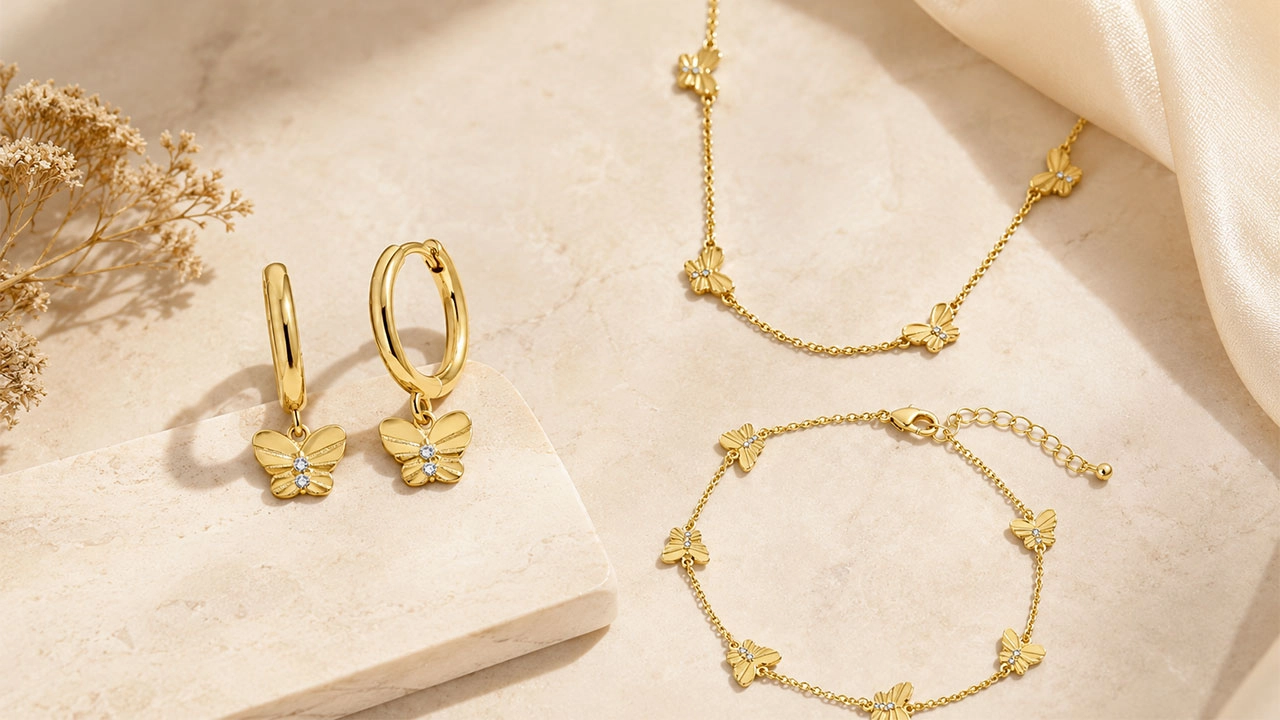
Thick Gold Plated Jewelry Manufacturer for 925 Silver & Brass Jewelry
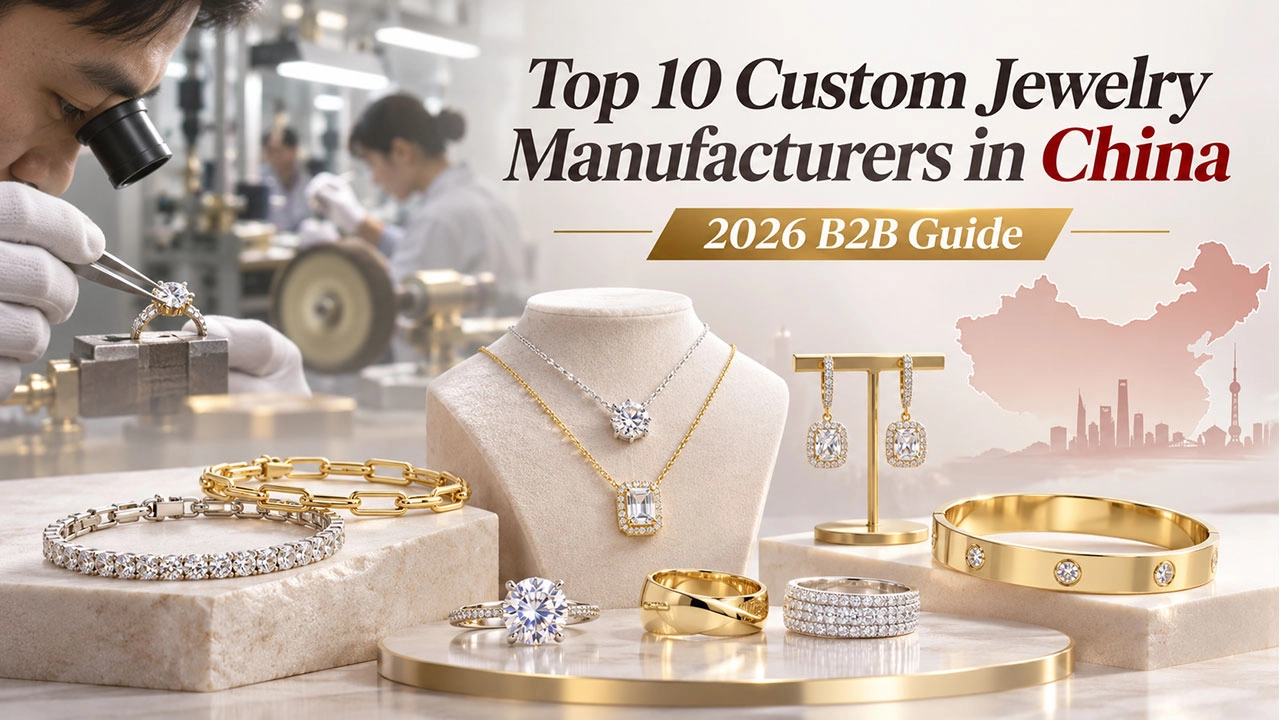
Top 10 Custom Jewelry Manufacturers in China (2026)
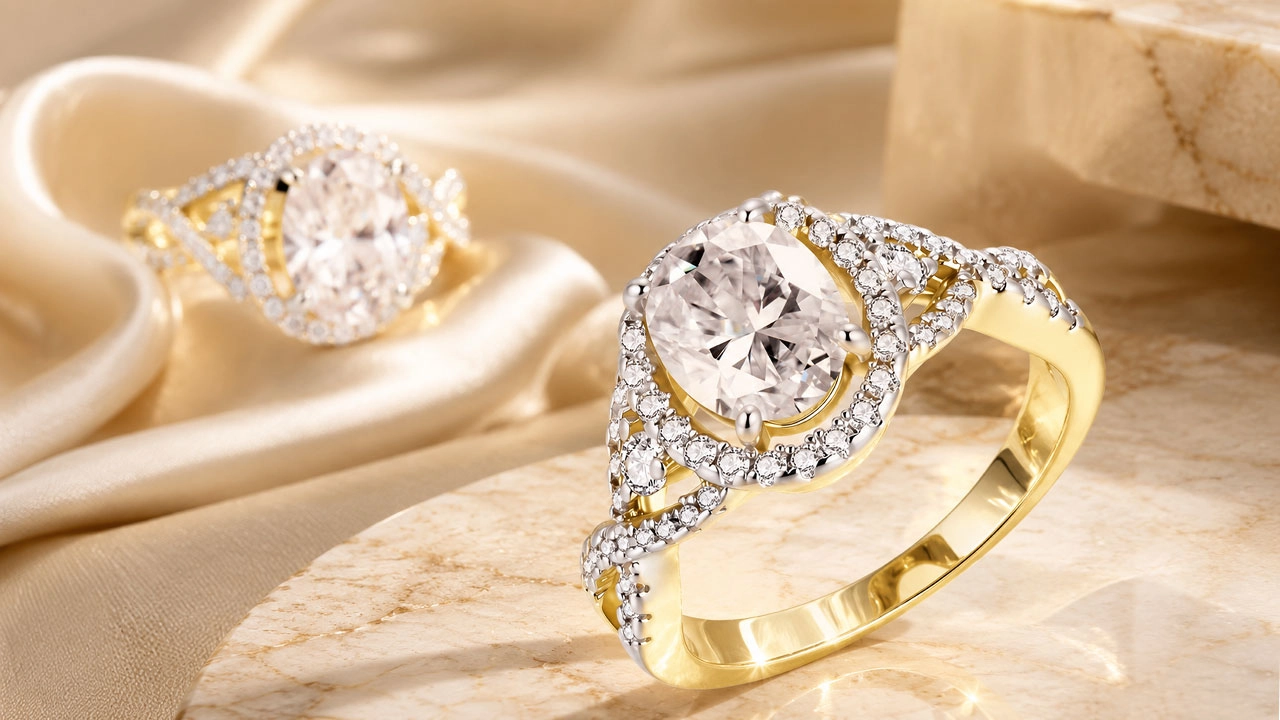
How to Choose a Gold Vermeil Jewelry Manufacturer
Gold Vermeil vs. Gold-Plated Jewelry: Which Fits Your Luxury Jewelry Brand?
Can Silver or Brass Be PVD Coated? A Professional Guide for Jewelry Brands

Wholesale Jewelry 925 Sterling Silver Four Leaf Clover Jewelry Sets.

Customizable High-Quality Fashion 925 Sterling Silver AAA Cubic Zirconia Heart-Shaped Open Tennis Bracelet.

Customizable OEM ODM High-Quality Fashion Brass AAA Cubic Zirconia Classic Tennis Bracelet for Women Wholesale.

925 Sterling Silver Two Tone Flower Huggie Earrings Wholesale
Brass Mother of Pearl Compass Huggie Drop Earrings | 14K 18K Gold Plated Hypoallergenic Jewelry
Custom Hailey Charm Hoop Earrings with Oval CZ in 925 Sterling Silver
Product Categories
Discuss Your Ideas with a Professional Custom Jewelry Manufacturer
We provide personalized jewelry customization services for clients worldwide.
Rest assured that your privacy is important to us, and all information provided will be handled with the utmost confidentiality.
By clicking 'Send Inquiry Now' I agree to ZHEFAN JEWELRY processing my personal data.
To see how to withdraw your consent, how to control your personal data and how we process it, please see our Privacy Policy and Terms of use.
From design to production, ZHEFAN JEWELRY offers a one-stop solution to help you enhance your brand value and market competitiveness.
Get A Quote
Contact
Tel: (+86) 188 1927 7817
© 2026 Zhefan Jewelry. All Rights Reserved.
Facebook
Instagram
YouTube
Whatsapp: +8618819277817