








Email: sales3@zhefanjewelry.com
How to Assess the Sustainability Practices of Your Global OEM Jewelry Manufacturer?
Learn how to assess a global jewelry supplier using site-specific evidence for material traceability, labor conditions, environmental controls, subcontractors, and corrective actions.
Quick Answer
Assess a supplier through site-specific, dated evidence—not sustainability claims or logos alone. An oem jewelry manufacturer should be evaluated for material traceability, labor conditions, chemical and wastewater controls, subcontractor oversight, and corrective-action records. Zhefan Jewelry’s specific sustainability capabilities were not provided, so no certification or control is assumed here; the evidence required and final assessment depend on the product, production site, and testing scope.
How Supplier Due Diligence Supports OEM Projects
With no company profile or verified capability statement provided, no certification, factory control, or traceability system can responsibly be attributed to a named supplier. Apply this evidence-led review to each proposed production site: request current environmental and labor records, identify subcontractors, and match every claim to the product, process, and location.
For sampling or bulk production, define material and recycled-content claims, chain-of-custody evidence, chemical and wastewater controls, worker protections, and corrective-action status. Confirm record ownership and update frequency; MOQ, lead time, testing scope, and quotation must be confirmed per project. Assess evidence against applicable standards and local law, rather than relying on logos or policy statements.
Discuss Sustainability Requirements for Your Jewelry Project
For a project-specific review, share your target market, product type, material preferences, relevant manufacturing processes, sourcing requirements, expected order volume, and planned launch timing. These details help frame document requests, traceability checks, and practical next steps for samples. Send your project brief to sales3@zhefanjewelry.com to discuss the evidence and assessment scope relevant to your order.
Sustainability Assessment FAQs
How can I verify recycled metal claims from an overseas jewelry supplier?
Ask for records that connect the recycled-content claim to the specific metal used in your order, such as supplier declarations, purchase and processing records, and applicable chain-of-custody documents. Check that the documents identify the material, facility, period, and claimed percentage, and reconcile them with the product specification and invoices. A general sustainability policy or recycled-material logo does not establish that a particular batch contains recycled metal. If independent certification is cited, verify its current validity, scope, covered sites, and product applicability with the issuing program.
What documents prove a jewelry factory's responsible gold sourcing?
There is no single document that proves responsible sourcing across every gold supply chain. Request the gold supplier and refiner identities, transaction and chain-of-custody records relevant to the order, sourcing-risk assessments, and documented due-diligence steps. Compare the evidence with the OECD Due Diligence Guidance for Responsible Supply Chains of Minerals from Conflict-Affected and High-Risk Areas, which sets out a risk-based framework rather than a blanket guarantee. If a refiner cites a program such as the LBMA Responsible Gold Guidance, verify the refiner’s current status and the scope of the assurance; that status alone does not prove the origin of every finished item.
How do I compare factory audit reports across countries?
Compare the audit scope before comparing scores. Confirm the report date, facility address, processes and workers covered, audit methodology, auditor identity, worker-interview approach, findings, severity ratings, and corrective-action closure evidence. Check whether the report covers the actual production site and any subcontractors used for your order. Local law differs by country, so assess legal compliance against the applicable jurisdiction while also checking relevant international standards. A passed audit is a time-bound snapshot, not proof that conditions remain unchanged; request updates and follow-up evidence for significant findings.
Which wastewater and chemical records should a jewelry buyer request?
Request the site’s applicable discharge permits or regulatory approvals, recent wastewater monitoring results, sampling dates and locations, test methods, and records showing how exceedances were addressed. For chemicals, ask for a current process-chemical inventory, safety data sheets, handling and storage procedures, and evidence that controls match the processes actually used at the site. Parameters depend on local permit conditions and manufacturing operations, so avoid assuming one universal test panel. Where results come from an external laboratory, check its competence and whether the relevant methods fall within its ISO/IEC 17025-accredited scope. Compare records with the site and production period associated with your order.
How can I check labor conditions beyond a social audit?
Triangulate audit findings with evidence from different sources: confidential worker interviews, payroll and time records, contracts, grievance records, and documented corrective actions. Confirm that workers can raise concerns without retaliation and that interview methods account for language and privacy. Check whether labor brokers, temporary workers, and subcontracted operations are included in the review. The UN Guiding Principles on Business and Human Rights emphasize ongoing human-rights due diligence, not reliance on a one-time audit. Treat an audit as one evidence source, and seek follow-up verification where serious or repeated risks appear.
What sustainability terms should an OEM jewelry contract define?
Define the precise claims and evidence required rather than using broad terms such as “ethical” or “sustainable” without agreed meanings. Specify material composition and recycled-content calculation, acceptable sourcing records, approved production sites and subcontractors, applicable labor and environmental requirements, record-retention periods, and notification duties for changes. Include audit or document-review rights, corrective-action timelines, escalation steps, and how nonconformities affect shipments or payment. Align the clauses with the laws and standards applicable to the markets and facilities involved, and have qualified counsel review the final contract. Clear definitions make claims easier to verify and reduce disputes over what a supplier agreed to provide.
Recommended for you
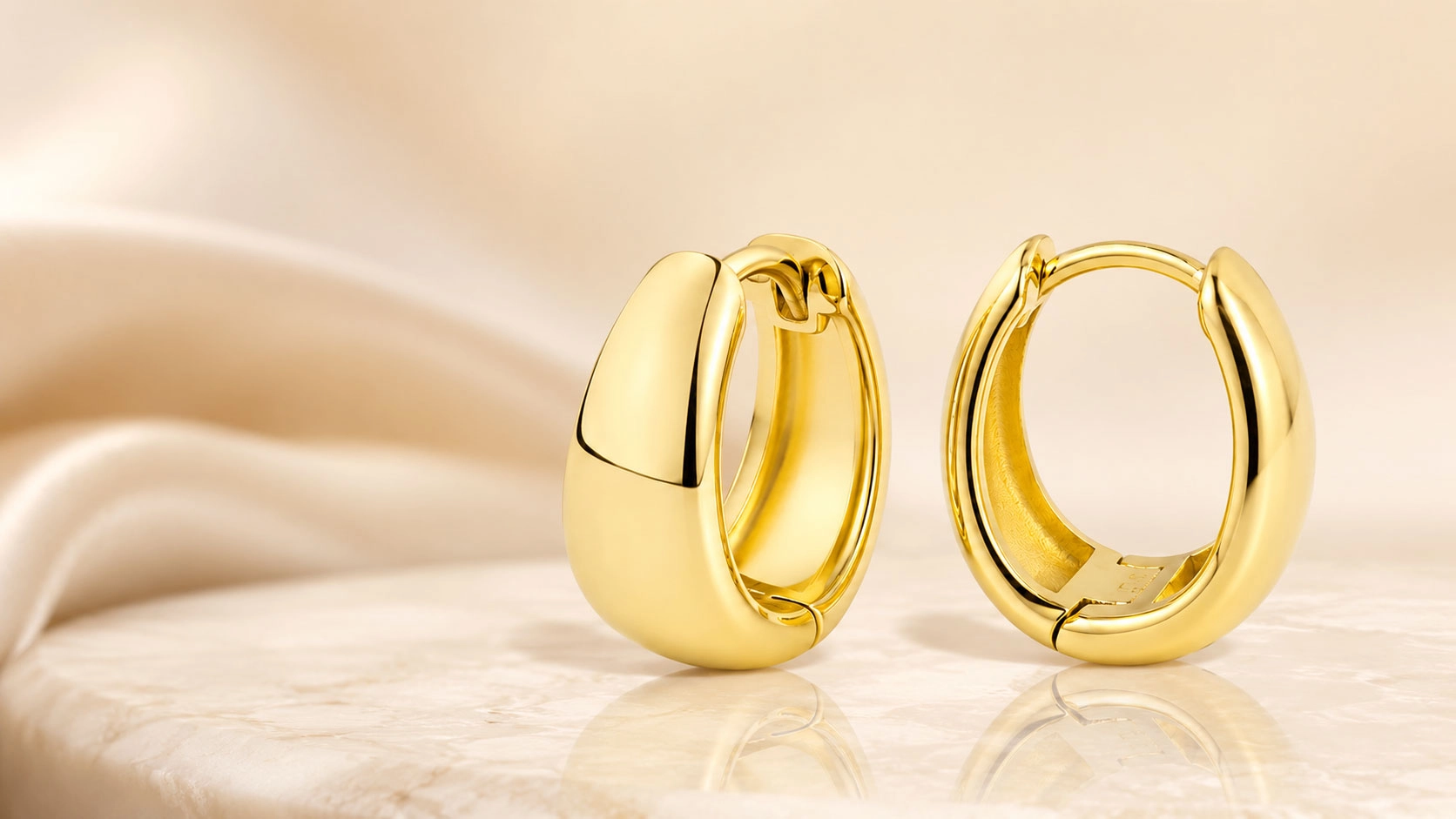
What Is Gold Vermeil Jewelry? A Complete Guide for Brands and Retailers
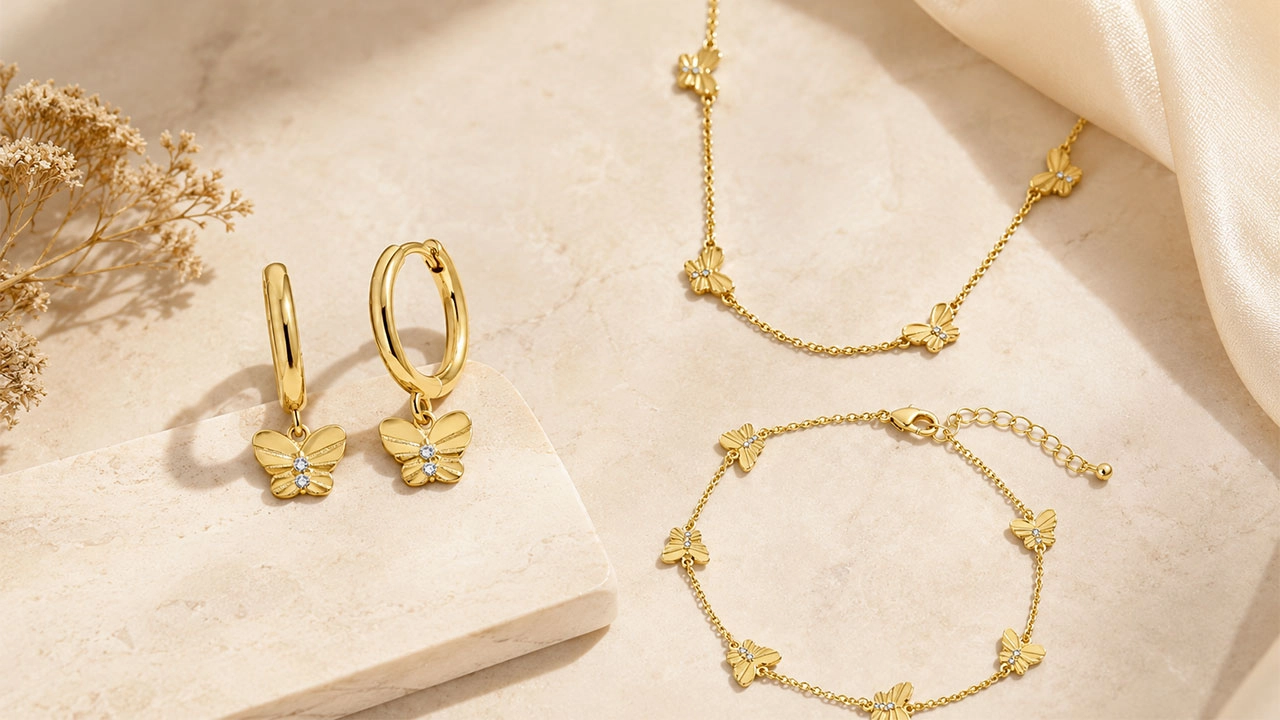
Thick Gold Plated Jewelry Manufacturer for 925 Silver & Brass Jewelry
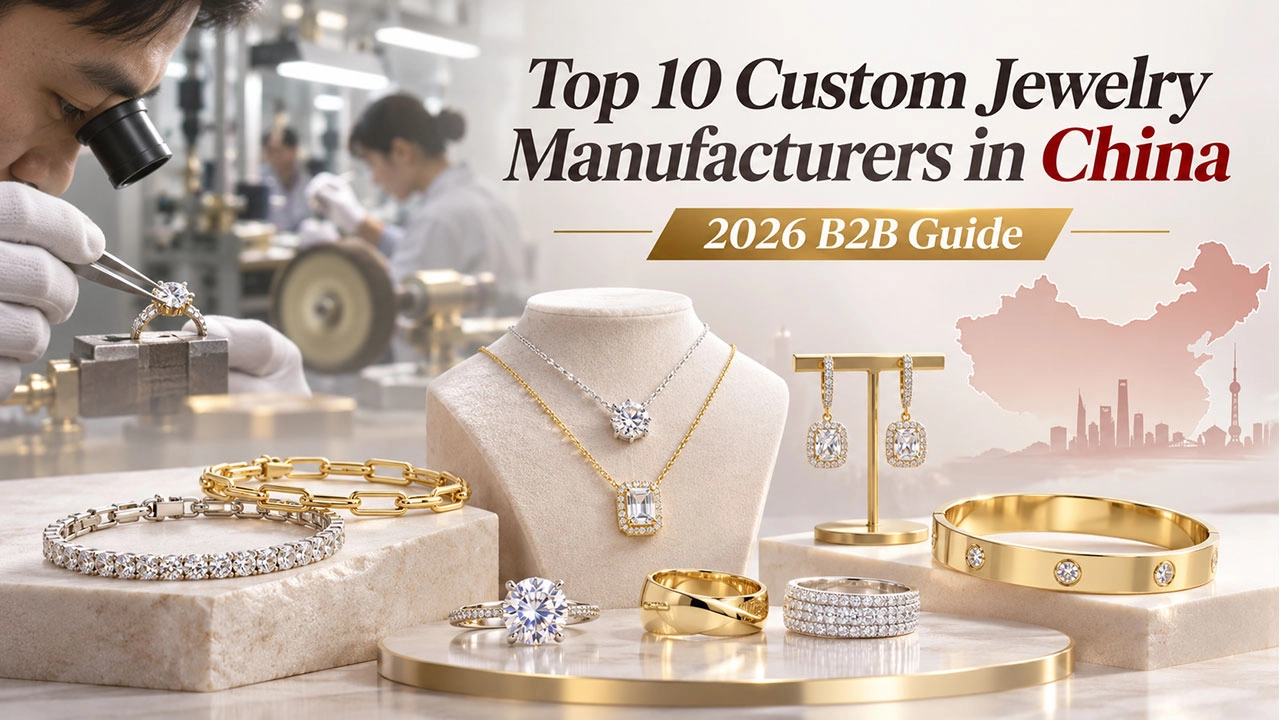
Top 10 Custom Jewelry Manufacturers in China (2026)
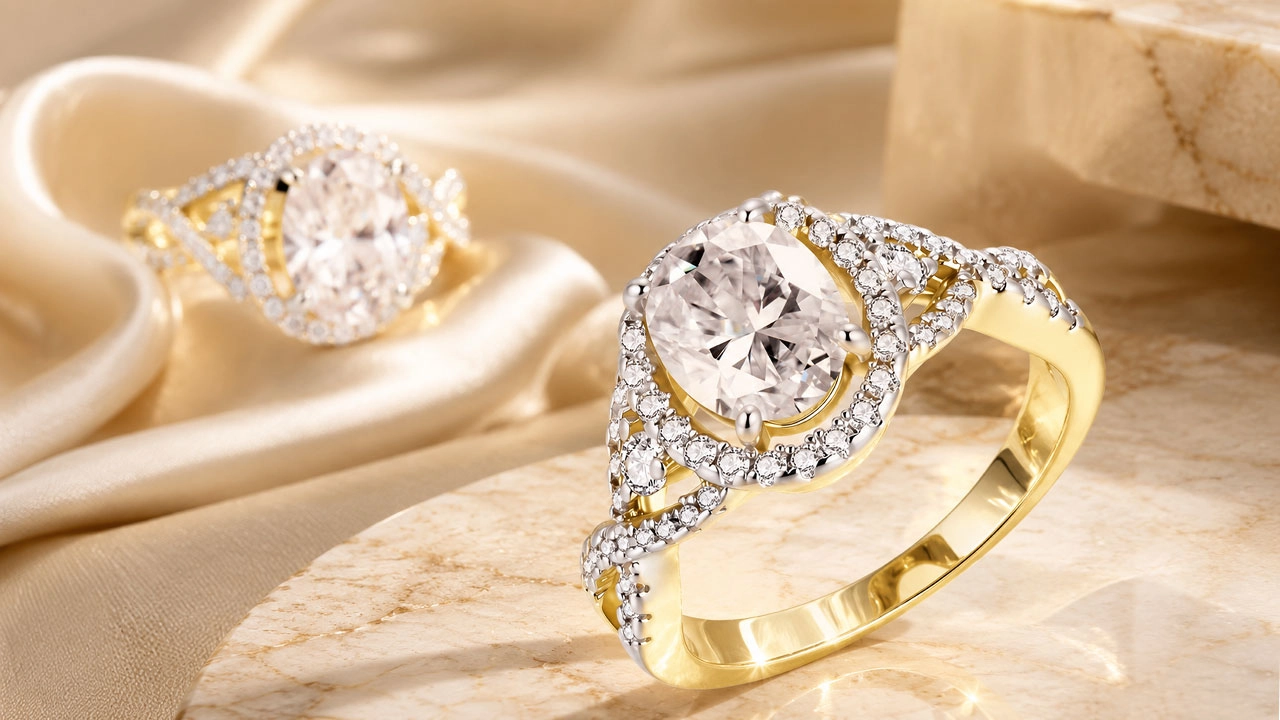
How to Choose a Gold Vermeil Jewelry Manufacturer
Gold Vermeil vs. Gold-Plated Jewelry: Which Fits Your Luxury Jewelry Brand?
Can Silver or Brass Be PVD Coated? A Professional Guide for Jewelry Brands
Custom Butterfly Hoop Earrings with Cubic Zirconia | 18K Gold Plated Jewelry
OEM Fish Shaped Necklace with Blue Enamel craft & Cubic Zirconia | 18K Gold Plated Custom Jewelry

Wholesale Jewelry 925 Sterling Silver Four Leaf Clover Jewelry Sets.

Customizable High-Quality Fashion 925 Sterling Silver AAA Cubic Zirconia Heart-Shaped Open Tennis Bracelet.

Customizable OEM ODM High-Quality Fashion Brass AAA Cubic Zirconia Classic Tennis Bracelet for Women Wholesale.

925 Sterling Silver Two Tone Flower Huggie Earrings Wholesale
Product Categories
Discuss Your Ideas with a Professional Custom Jewelry Manufacturer
We provide personalized jewelry customization services for clients worldwide.
Rest assured that your privacy is important to us, and all information provided will be handled with the utmost confidentiality.
By clicking 'Send Inquiry Now' I agree to ZHEFAN JEWELRY processing my personal data.
To see how to withdraw your consent, how to control your personal data and how we process it, please see our Privacy Policy and Terms of use.
From design to production, ZHEFAN JEWELRY offers a one-stop solution to help you enhance your brand value and market competitiveness.
Get A Quote
Contact
Tel: (+86) 188 1927 7817
© 2026 Zhefan Jewelry. All Rights Reserved.
Facebook
Instagram
YouTube
Whatsapp: +8618819277817