




Email: sales3@zhefanjewelry.com
How to Align Your Brand’s Aesthetic with the Craftsmanship of an OEM Jewelry Manufacturer?
Learn how to translate a brand aesthetic into production-ready jewelry requirements, review samples, assess finish consistency, and preserve design intent through OEM production revisions.
Quick Answer
An OEM jewelry manufacturer can reproduce a brand aesthetic only when visual direction is translated into measurable design and finish requirements. Compare the approved reference, dimensional tolerances, surface finish, stone setting, and sample-to-bulk consistency. Supplier capabilities are not documented in the information provided, so confirm them directly; final choices depend on project requirements and sample evaluation.
How an OEM Partner Supports Brand Projects
The supplied company profile does not identify specific design, sampling, production, or quality-control capabilities, so none can be verified here. Before selecting a supplier, ask how it handles design files, sample revisions, finish references, and inspection criteria. Request clear examples or records relevant to your product rather than assuming a capability from a general OEM description.
Confirm the approved design version, material and component specifications, dimensions and tolerances, finish standard, stone-setting details, and acceptance criteria. Agree how sample changes will be documented and who approves each revision. MOQ, lead time, testing scope, and quotation must be confirmed per project because the supplied information does not establish those terms.
Discuss Your Jewelry Design Requirements
Share your target market, reference images, design files or sketches, preferred metal and stones, dimensions, finish, expected order quantity, and packaging requirements. These details help frame a review of design translation, sample revisions, and production questions; confirm what the supplier can support before committing. Send your brief to sales3@zhefanjewelry.com to discuss the project.
OEM Jewelry Aesthetic and Craftsmanship FAQs
How can I translate a sketch into production-ready jewelry specifications?
Treat a sketch as a design reference, not a complete manufacturing specification. Add dimensioned views, target dimensions and acceptable tolerances, material and component details, stone sizes and settings, closure or connection details, and finish references. Mark which features are essential to the design and which may be adjusted for manufacturability. For a complex form, request a CAD rendering or technical drawing for review before sampling. Confirm that the drawing version, sample, and later production documents all refer to the same approved revision; otherwise, a visually similar interpretation may differ in fit, proportion, or detailing.
Which sample details reveal whether craftsmanship matches my brand aesthetic?
Evaluate the sample against a written reference, not just an overall impression. Check silhouette and proportions, symmetry, edge definition, surface texture and sheen, stone alignment, setting profile, closures, and the appearance of joins or transitions. Inspect the piece under consistent lighting and, where relevant, compare it with the approved color or finish reference. Record each deviation with a marked photograph or drawing and classify it as a required correction, an acceptable variation, or a design change. A single approved prototype demonstrates that one sample was accepted; it does not by itself establish how consistently later units will match.
How should I assess finish consistency before approving a bulk order?
Define the finish with a physical reference or sufficiently clear visual standard, including the intended sheen, texture, color appearance, and visible areas that matter to the design. Ask how the supplier will inspect those characteristics and what variation it considers acceptable; do not assume that terms such as polished, matte, or brushed mean the same thing to every party. Review samples from the proposed production process when available, and document any acceptable differences. For color-sensitive finishes, assess samples under consistent lighting and specify the comparison method. Agree on a written approval and escalation process before authorizing production.
What should I do when a prototype looks unlike my design?
Pause approval and identify the specific mismatch before requesting another sample. Compare the prototype with the latest approved drawing or reference, then describe the difference in observable terms: for example, a proportion, edge, surface, setting height, or component position. Use annotated images and state whether the change is a correction to the agreed design or a new design direction. Ask the supplier to explain any manufacturing constraint and show the proposed adjustment for approval. Keep a dated revision record so outdated drawings do not guide later work. Avoid relying on vague feedback such as “make it more premium,” which leaves the required change open to interpretation.
How do material choices change the appearance and production feasibility?
Material selection affects color, surface appearance, weight, durability, finishing options, component compatibility, and the production methods available for a design. A visually similar substitute may not behave or age in the same way, and a change can affect dimensions, setting details, or the feel of the finished piece. Specify the exact material or an agreed alternative, including relevant grade or composition where applicable, and ask the supplier to identify implications before sampling. Check any applicable market rules for material disclosure and product claims; requirements depend on the destination market and product category. Approve substitutions in writing rather than treating them as equivalent by default.
How can I protect design intent during OEM production revisions?
Use controlled revisions: assign each drawing or specification a version and date, record requested changes, and obtain written approval for the revised sample or document before it becomes the production reference. Keep a change log that identifies what changed, why it changed, and which components or finishes are affected. Separate manufacturing adjustments from brand-led design changes so that cost, timing, and appearance implications can be reviewed independently. Clarify ownership and permitted use of design files and tooling in the supplier agreement, and limit distribution of sensitive files to what the project requires. Do not assume that sharing a design automatically defines intellectual-property ownership or confidentiality terms.
Recommended for you
What Is Gold Vermeil Jewelry? A Complete Guide for Brands and Retailers
Thick Gold Plated Jewelry Manufacturer for 925 Silver & Brass Jewelry
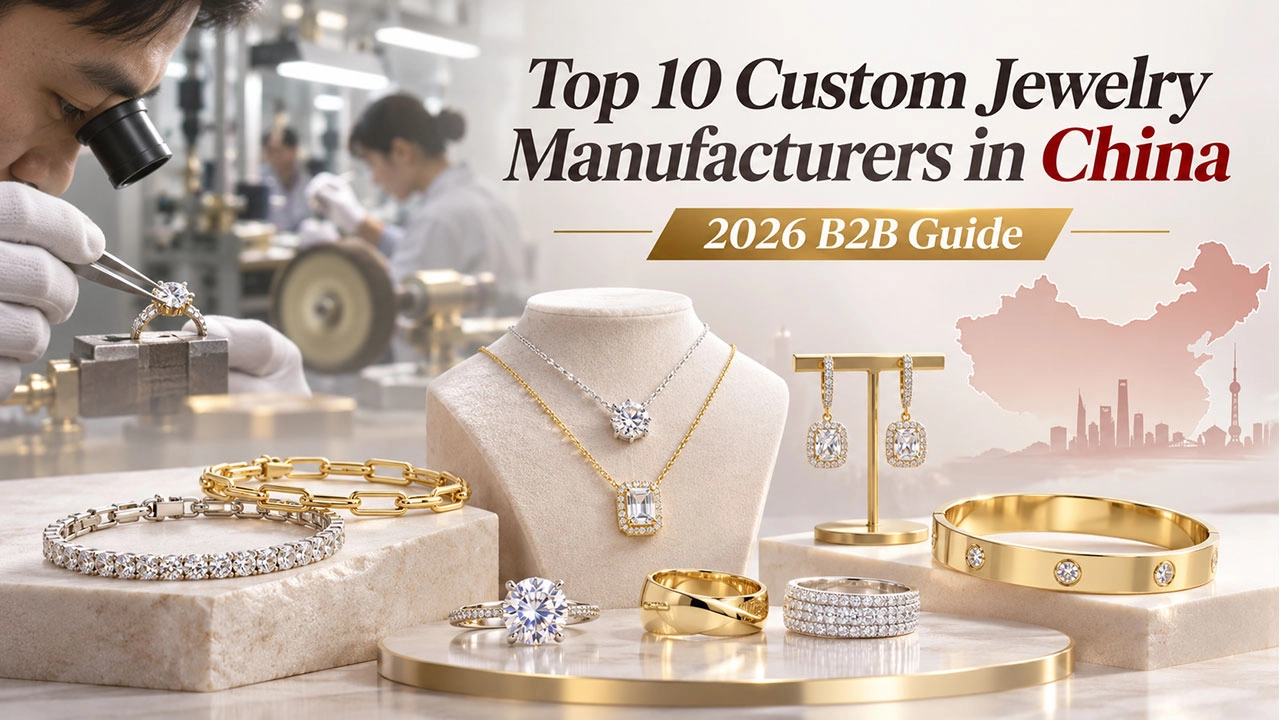
Top 10 Custom Jewelry Manufacturers in China (2026)
How to Choose a Gold Vermeil Jewelry Manufacturer
Gold Vermeil vs. Gold-Plated Jewelry: Which Fits Your Luxury Jewelry Brand?
Can Silver or Brass Be PVD Coated? A Professional Guide for Jewelry Brands
Custom Butterfly Hoop Earrings with Cubic Zirconia | 18K Gold Plated Jewelry
OEM Fish Shaped Necklace with Blue Enamel craft & Cubic Zirconia | 18K Gold Plated Custom Jewelry
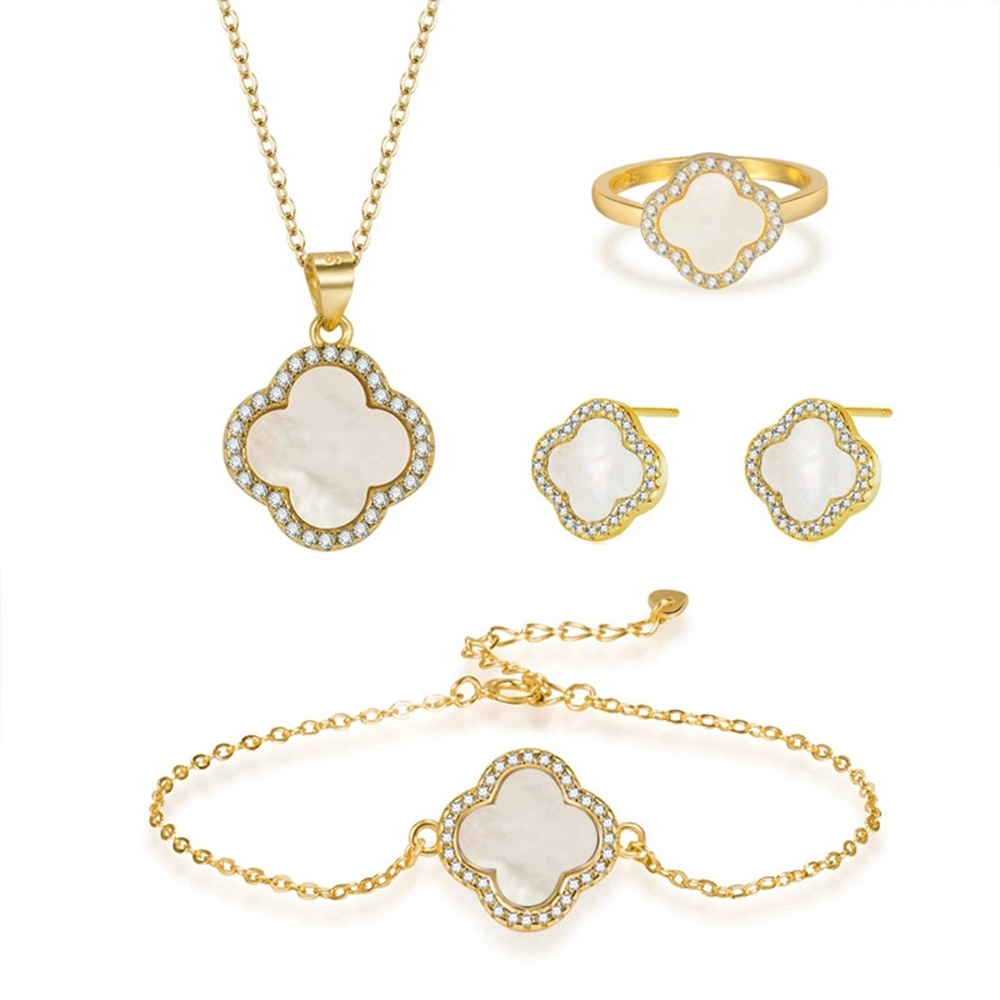
Wholesale Jewelry 925 Sterling Silver Four Leaf Clover Jewelry Sets.
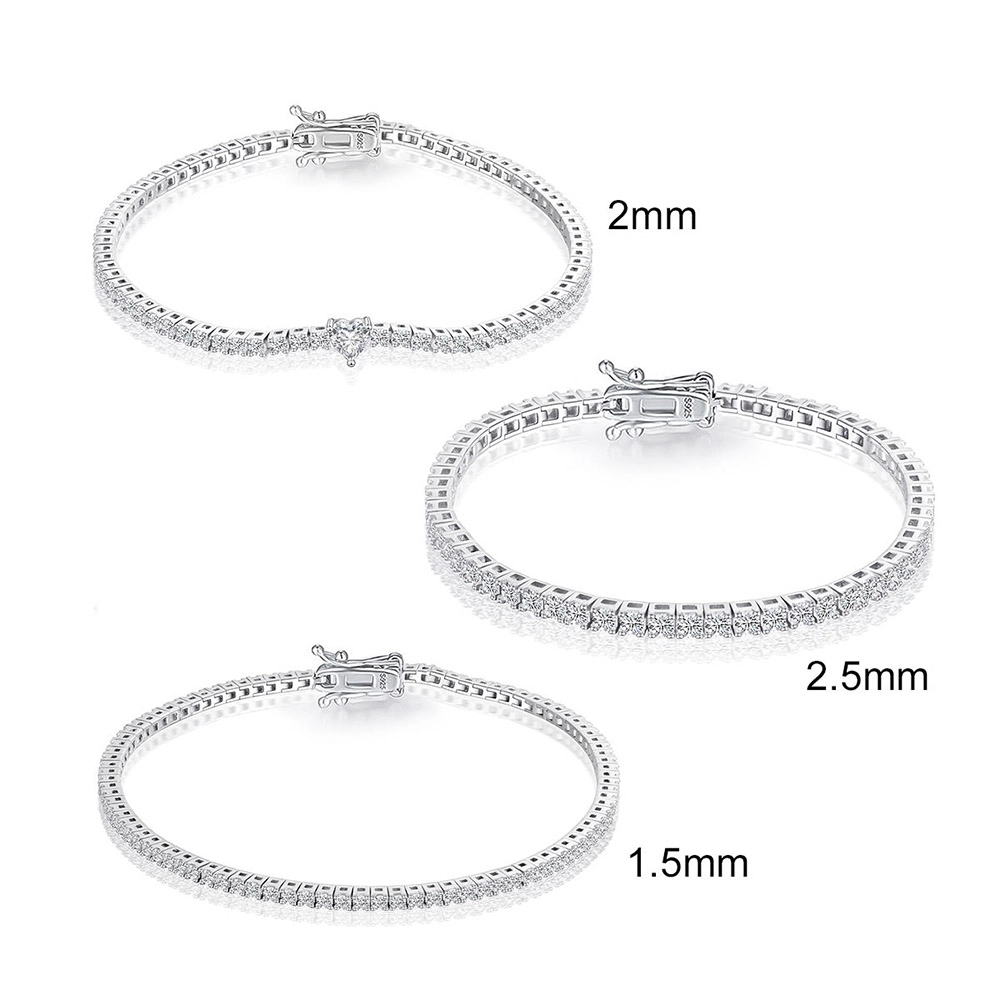
Customizable High-Quality Fashion 925 Sterling Silver AAA Cubic Zirconia Heart-Shaped Open Tennis Bracelet.
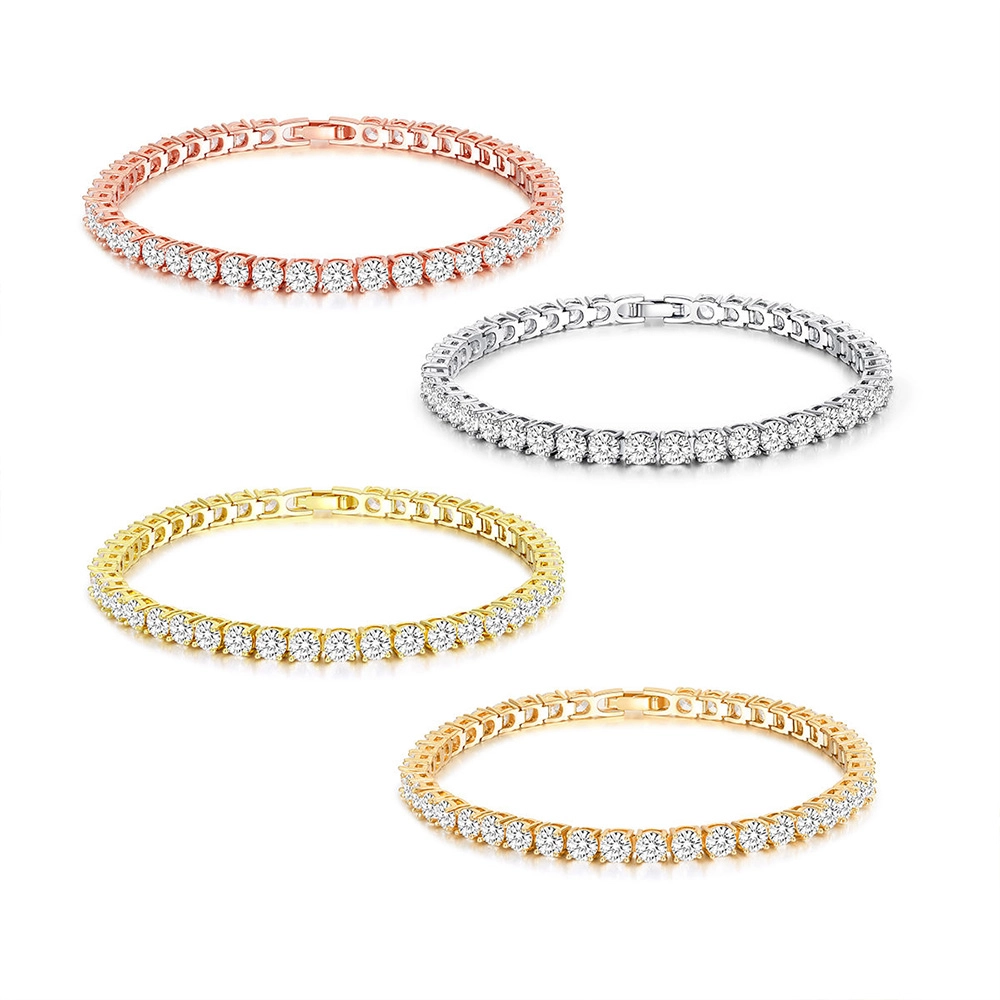
Customizable OEM ODM High-Quality Fashion Brass AAA Cubic Zirconia Classic Tennis Bracelet for Women Wholesale.
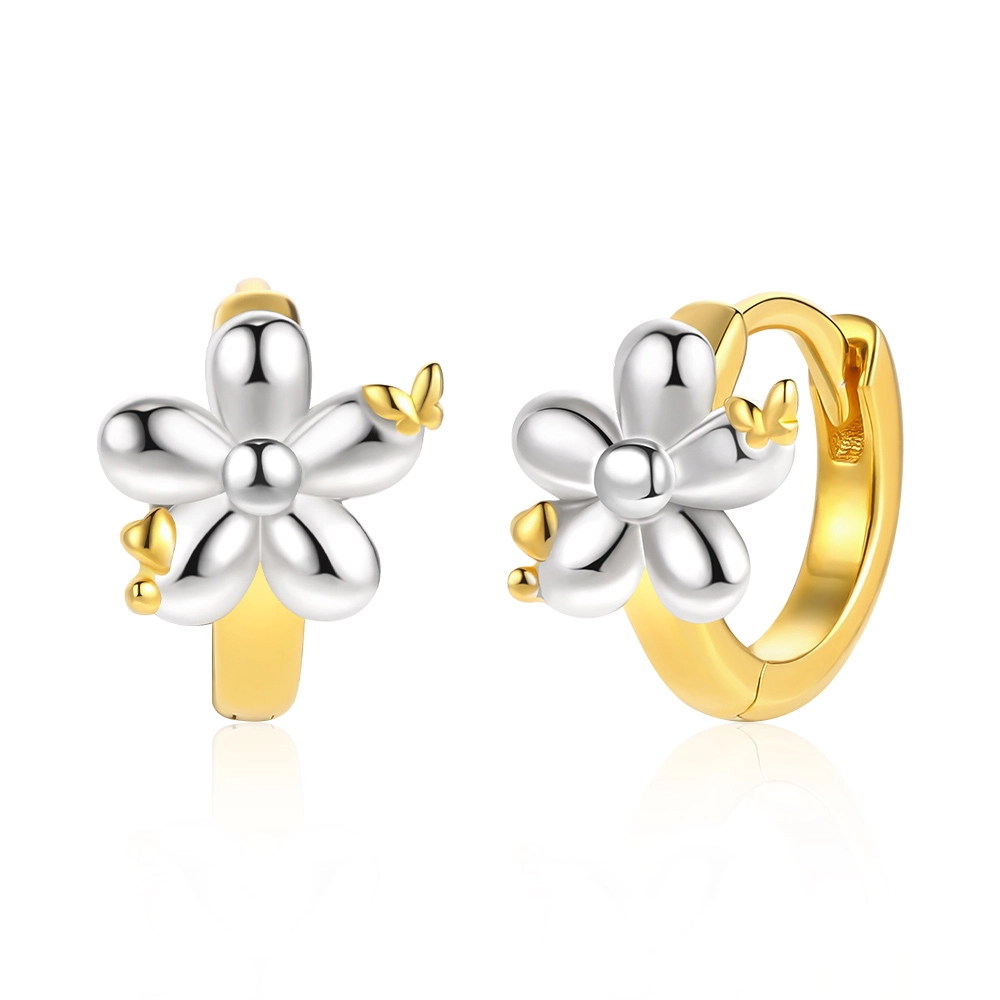
925 Sterling Silver Two Tone Flower Huggie Earrings Wholesale
Product Categories
Discuss Your Ideas with a Professional Custom Jewelry Manufacturer
We provide personalized jewelry customization services for clients worldwide.
Rest assured that your privacy is important to us, and all information provided will be handled with the utmost confidentiality.
By clicking 'Send Inquiry Now' I agree to ZHEFAN JEWELRY processing my personal data.
To see how to withdraw your consent, how to control your personal data and how we process it, please see our Privacy Policy and Terms of use.
From design to production, ZHEFAN JEWELRY offers a one-stop solution to help you enhance your brand value and market competitiveness.
Get A Quote
Contact
Tel: (+86) 188 1927 7817
© 2026 Zhefan Jewelry. All Rights Reserved.
Facebook
Instagram
YouTube
Whatsapp: +8618819277817