







Email: sales3@zhefanjewelry.com
Why Does Tennis Jewelry Flip? 6 Manufacturing Factors Jewelry Brands Should Check
Why does tennis jewelry flip even when it looks perfectly aligned in product photography? The cause is often structural rather than cosmetic. This guide explains how setting geometry, link articulation, stone proportions, weight distribution, clasp integration and finished fit affect tennis necklaces and bracelets, how brands can diagnose different flipping patterns, and which measurable specifications should be locked before bulk production.
- Quick Answer: What Causes Tennis Jewelry to Flip?
- Start With the Flipping Pattern, Not a Generic “Anti-Flip” Solution
- 1. Setting Geometry Changes Rotational Balance
- 2. Good Articulation Controls Direction Instead of Maximizing Flexibility
- 3. Stone Size and Setting Architecture Have to Be Approved Together
- 4. Weight Distribution Matters More Than “Make It Heavier”
- 5. The Clasp Is Part of the Structure, Not an Afterthought
- 6. Finished Fit Changes the Forces Acting on the Product
- Real-Wear Test: Does a Tennis Necklace Flip During Movement?
- What Do These Tests Demonstrate?
- Convert the Approved Sample Into Measurable CTQs
- From CAD to Master Sample to Bulk Production
- What Manufacturing Can—and Cannot—Control
- How Zhefan Can Apply This Framework to Custom Tennis Jewelry
- Why This Matters Commercially
- Conclusion: Diagnose First, Then Engineer the Solution
- FAQ
A tennis necklace or bracelet can look flawless in a product photograph and still behave very differently once it is worn.
Sometimes the entire stone line gradually rolls toward the skin. Sometimes only three or four links twist. In other cases, the instability repeatedly starts next to the clasp. A bracelet may appear perfectly straight on an inspection tray but rotate after several minutes of normal wrist movement.
To the wearer, these situations may all feel like the same problem: the tennis jewelry keeps flipping.
From a manufacturing perspective, however, they do not necessarily have the same cause.
That distinction matters. Tightening every connector may reduce rotation but make the piece too rigid. Lowering every setting may change the visual profile without addressing a clasp-driven problem. Adding more metal may increase total weight without improving the balance of the structure.
The more useful approach is to diagnose where the instability begins, which construction variable is influencing it, and whether the corrected structure can be reproduced consistently from the approved sample into bulk production.
Tennis jewelry should therefore be evaluated as a moving system rather than simply as a continuous line of stones.
Quick Answer: What Causes Tennis Jewelry to Flip?
Tennis jewelry usually flips when its settings or connected sections can rotate more easily than the complete piece can stabilize against the body.
Six manufacturing variables deserve the most attention: setting geometry, link articulation, stone-to-setting proportions, weight distribution, clasp integration, and finished fit.
The visible pattern also provides useful clues. A full strand that gradually rolls inward may point toward overall setting balance, while a local twist may indicate connector or assembly variation. Rotation that repeatedly begins beside the clasp should lead the development team to examine the clasp and end-link transition before redesigning the entire stone line.
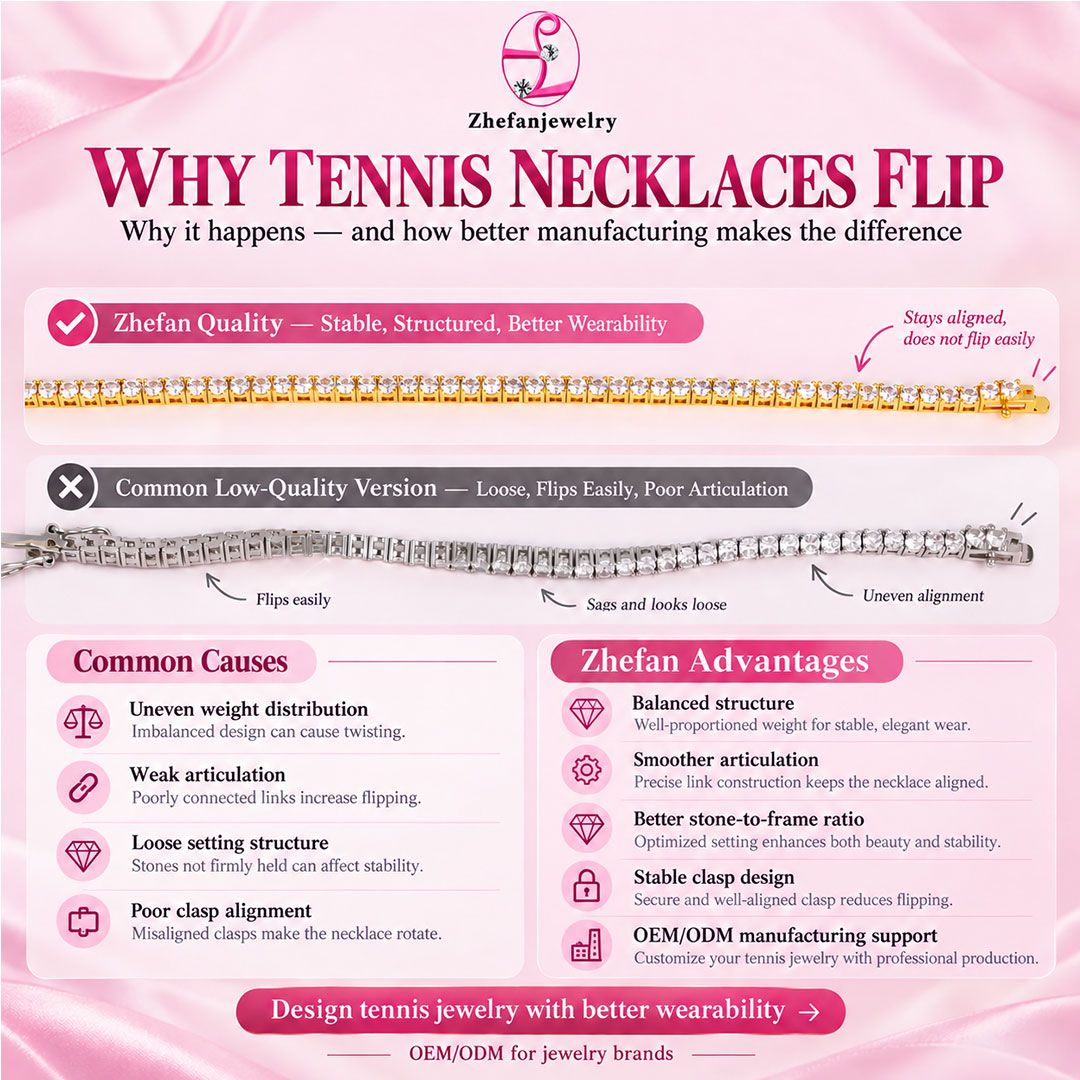
Start With the Flipping Pattern, Not a Generic “Anti-Flip” Solution
Before changing a CAD drawing, it is useful to identify what the product is actually doing during wear.
|
What Happens During Wear |
First Area to Investigate |
What to Compare |
|
Most of the stone line gradually rolls inward. |
Overall setting balance |
Side profile, setting height, base width, and center of gravity |
|
One local section repeatedly twists |
Connector or assembly consistency |
Link clearance, symmetry, and local articulation |
|
Rotation repeatedly begins beside the clasp. |
Clasp and end-link transition |
Clasp weight, stiffness, and connection geometry |
|
The larger-stone version flips while the smaller version remains stable. |
Stone-to-setting proportion |
Stone diameter, basket dimensions, and supporting metal |
|
The bracelet rotates freely around the wrist. |
Fit and articulation |
Finished length, wearing ease, and link movement |
|
The approved sample is stable, but some bulk pieces behave differently. |
Production variation |
Critical dimensions versus the retained master sample |
This diagnosis prevents unnecessary redesign.
Review My Tennis Jewelry Design
If only one section repeatedly twists, changing every basket in the necklace may solve the wrong problem. If the entire stone line consistently rolls inward, a local connector adjustment alone is unlikely to address the complete behavior.
The pattern is not a final diagnosis by itself, but it tells the development team where to begin measuring.
1. Setting Geometry Changes Rotational Balance
Two tennis pieces can look nearly identical from the front and still have very different side profiles.
That difference matters because the stone, basket, supporting metal, and connector positions determine how mass is distributed around the setting.
When too much of the structure sits high above a relatively narrow base, the setting may have more leverage to rotate once it follows the curved surface of a neck or wrist.
This does not mean a high setting automatically flips, nor does it mean the lowest possible setting is always better.
A successful setting still needs enough metal for stone security, sufficient space for the required stone shape, an appropriate visual profile, and comfortable contact with the wearer.
The practical question during CAD review is therefore not simply
How low is the setting?
It is:
Is the stone-and-setting structure balanced around the way the link is expected to move?
This becomes particularly important when a brand develops one tennis design in several stone sizes.
A construction that performs well around a 2 mm stone should not automatically be enlarged for a 4 mm version while every other proportion remains effectively unchanged. As the stone diameter increases, basket dimensions, setting height, metal distribution, and connector position may all need to be reviewed again.
2. Good Articulation Controls Direction Instead of Maximizing Flexibility
Tennis jewelry needs movement.
A necklace has to follow the changing curvature of the neck, while a bracelet needs to move naturally around the wrist.
But a piece can be flexible and still be poorly controlled.
A properly developed connector allows neighboring settings to articulate in the direction required for drape while limiting unnecessary rotation around other axes.
Too much clearance can allow a setting to roll instead of simply bending with the next link. When the same condition exists across several consecutive links, a small local movement can develop into a visible twisted section.
Too little movement creates a different problem. A rigid section may resist the natural curve of the body, lift away from the skin, and create another point of instability.
The development target is therefore not maximum flexibility.
It is controlled articulation.
CAD can show where the connections are positioned and what movement is intended. The physical sample determines whether that movement still performs as expected after casting, polishing, stone setting, and assembly.
3. Stone Size and Setting Architecture Have to Be Approved Together
Stone size is usually discussed as an aesthetic, merchandising, or price decision.
Mechanically, it also changes the product.
Increasing the stone diameter changes the dimensions and often the weight of every repeated unit in the tennis line. If the supporting basket, metal distribution, and connector geometry are not reassessed, the balance that worked in the smaller version may no longer be the same.
This is why a 2 mm, 3 mm, and 4 mm collection can share the same visual identity without necessarily sharing one identical engineering specification.
Stone type can introduce another variable because stones with similar face-up measurements can still differ in depth and proportion.
For a scalable collection, the technical file should therefore connect the selected stone directly to its approved setting architecture rather than treating them as independent specifications.
That approach also helps with stone security and repeat orders: the factory is reproducing an approved stone-setting system, not simply inserting the requested diameter into a visually similar basket.
4. Weight Distribution Matters More Than “Make It Heavier”
Adding metal is sometimes suggested as a simple way to make tennis jewelry more stable.
That can miss the real problem.
Total gram weight does not explain where the mass sits relative to the point around which the setting can rotate.
A comparatively heavy piece may still be unstable if much of its mass is concentrated high in the structure. A lighter design may perform better if the weight is distributed more effectively through the supporting metal.
Graduated tennis necklaces illustrate the issue clearly.
A graduated design intentionally moves from larger stones near the center to smaller stones toward the sides. The resulting changes in stone size, metal structure, and weight are part of the design rather than defects.
What matters is how smoothly those mechanical changes transition through the necklace.
The same principle applies to logo components, decorative center sections, or other elements whose mass differs significantly from surrounding links.
For product-development teams, finished weight should therefore be reviewed as both a costing parameter and a performance parameter.
5. The Clasp Is Part of the Structure, Not an Afterthought
A clasp is usually reviewed for security, appearance, and ease of use.
Its effect on balance is just as relevant.
The clasp has its own weight, width, stiffness, and articulation. When those characteristics differ substantially from the tennis line, the end section can behave differently from the rest of the piece.
A heavier necklace clasp may gradually migrate toward a lower position. On a bracelet, a substantial closure may influence where the piece naturally settles around the wrist.
The transition between the final stone-set link and the clasp therefore deserves its own review.
A sudden change from a highly articulated tennis section to a rigid or asymmetrical connection can create a local starting point for rotation.
Branded box clasps, hidden closures, and customized safety structures can still work well. The important point is that they should be engineered together with the tennis line instead of being selected only after the rest of the product has been developed.
6. Finished Fit Changes the Forces Acting on the Product
The same tennis design will not behave identically on every body.
For a necklace, finished length changes where the product meets the neck and collarbone and how tightly it needs to follow the body's curvature.
For a bracelet, the difference between the wrist circumference and finished bracelet length determines how much freedom the piece has to move.
A loose bracelet has more room to rotate. An excessively tight design may create discomfort and place unwanted stress on the links.
This is also why “never flips” is an unrealistic universal manufacturing promise.
The factory can control the product's geometry, dimensions, articulation, and assembly, but it cannot control every wearer's anatomy, posture, clothing, or movement.
A more useful engineering objective is:
Reduce unnecessary rotation through balanced construction and validate the result under realistic wear conditions.
Real-Wear Test: Does a Tennis Necklace Flip During Movement?
A tennis necklace may look perfectly aligned in product photos, but how does it perform during actual movement?
At Zhefan Jewelry, we evaluate tennis necklace stability through real-wear testing, including running and jumping rope.
Video 1: Tennis Necklace Running Test
Watch how the necklace stays aligned while the wearer runs.
Video 2: Tennis Necklace Jump Rope Test
See how the necklace performs during repeated jumping movements.
What Do These Tests Demonstrate?
These real-wear tests show how the tested tennis necklace maintains its stone-facing position during movement without visible flipping.
At Zhefan Jewelry, we focus on link articulation, setting geometry, weight distribution, and structural stability to help jewelry brands reduce unwanted necklace rotation.
Convert the Approved Sample Into Measurable CTQs
One of the weaknesses in many sample approvals is the use of descriptions such as “good flexibility,” “same as sample” or “make it more stable.”
Those statements communicate an intention, but they are difficult to reproduce.
A stronger approach is to identify the Critical-to-Quality parameters, or CTQs, that influence the approved product's structure.
|
CTQ Parameter |
Unit |
Why It Matters |
How It Should Be Controlled |
|
Stone diameter |
mm |
Changes the size and mass of each repeated setting |
Lock by SKU and stone specification |
|
Setting height |
mm |
Influences the side profile and rotational leverage |
Measure against approved CAD/master sample |
|
Setting/base width |
mm |
Affects support beneath the stone |
Lock critical dimensions in technical drawing |
|
Connector clearance |
mm |
Influences articulation and rotational freedom |
Define after physical sample approval |
|
Finished length |
cm/mm |
Changes drape and wearing ease |
Measure finished piece under agreed method |
|
Clasp weight |
g |
May alter end-section balance |
Record for custom or unusually heavy closures |
|
Total finished weight |
g |
Helps identify unexpected production variation |
Compare against approved sample/specification |
|
Clasp/end-link dimensions |
mm |
Affect the transition between rigid and flexible sections |
Confirm in CAD and master sample |
There is no universal setting height, connector gap or weight that guarantees a piece will not flip. Those targets depend on the actual design.
That is precisely why measurable CTQs are more useful than a generic “anti-flip specification.”
For example, current Zhefan tennis-bracelet configurations already span different commercial dimensions: selected styles offer stone sizes from approximately 1.5 mm to 4.0 mm, fixed-length options such as 16–20 cm, and different clasp structures. Another current product specification shows finished weights varying approximately 3–8 g depending on size, stone quantity and material. These are not universal anti-flip targets; they illustrate why a stable 2 mm configuration should not automatically be assumed to behave identically after it is converted into a larger, heavier SKU. Zhefan Jewelry
This gives a brand something far more useful than “please make the bulk the same.”
It defines what needs to stay the same.
From CAD to Master Sample to Bulk Production
CAD, physical sampling and bulk production answer three different questions.
CAD helps identify structural risk before metal is produced. The development team can examine the setting profile, basket proportions, connector location, clasp transition and critical dimensions.
The physical sample then shows how those decisions interact after casting, polishing, setting and assembly. This is where the product should be observed around the neck or wrist rather than only lying flat on an inspection tray.
If the same area repeatedly rotates, the location itself becomes useful evidence. The team can compare that section with neighboring links and with the CAD instead of making random changes throughout the design.
Once the sample performs as intended, it becomes the master reference.
The next challenge is no longer design correction. It is repeatability.
Tennis jewelry can contain dozens of repeated links, which means a small difference in connector clearance or setting dimensions may have little visual effect in one location but become more significant when repeated throughout the product.
The bulk-control question is therefore:
Which dimensions and functional characteristics made the master sample work, and are those characteristics still within the approved specification?
This merges wear performance and production consistency into one control system rather than treating them as separate problems.
What Manufacturing Can—and Cannot—Control
A professional manufacturer should be precise about the boundary between product engineering and wearer behavior.
Manufacturing can control setting geometry, link dimensions, connector construction, stone specification, clasp integration, finished length and production tolerance.
It can develop prototypes, compare revisions and preserve the approved construction through a master sample and technical file.
It cannot guarantee that a flexible necklace will sit identically on every neck or that a bracelet will behave the same on every wrist.
That distinction does not weaken a quality claim.
For a professional buying team, it makes the claim more credible.
Instead of promising:
“This jewelry will never flip.”
a manufacturer can demonstrate:
“The construction has been revised to reduce unnecessary rotation, validated on the approved physical sample and translated into measurable production specifications.”
The second statement gives a brand something it can actually audit.
How Zhefan Can Apply This Framework to Custom Tennis Jewelry
Zhefan Jewelry already produces customizable tennis-jewelry programs with variation in stone size, length, clasp structure, material and finish. Current Zhefan product pages show multiple stone-size and length configurations rather than treating tennis jewelry as one fixed specification. Zhefan Jewelry
For a project where flipping or rotational stability is a concern, the standard quality process should be supplemented with project-specific CTQs.
That distinction is important.
Zhefan's published quality-control process includes six rounds of polishing and six inspection stages throughout production. Those controls support surface finish, stone security and manufacturing consistency, but a functional issue such as flipping still needs its own measurable project requirements—such as setting height, connector behavior, finished length and clasp transition—locked against the approved sample. Zhefan Jewelry
For a larger brand, this creates a clearer development sequence:
diagnose the movement → revise the relevant structure → approve the physical sample → lock measurable CTQs → compare bulk production against the master standard.
The value is not a universal anti-flip claim.
The value is a repeatable engineering and production-control method.
Why This Matters Commercially
Customers do not experience tennis jewelry as a CAD file, a stone grade and a plating specification.
They experience the complete product while wearing it.
When the visible stone line repeatedly turns toward the skin, the jewelry no longer presents itself in the same way as it did in product photography. When a bracelet continually needs to be repositioned, the customer may perceive the product as less refined even if its individual materials meet specification.
For premium and demi-fine brands, that gap between visual quality and wearing quality can matter as much as color, brilliance or surface finish.
It is also far easier to investigate during development than after a commercial quantity has entered the market.
Flipping should therefore be treated as a product-performance issue, not merely a cosmetic complaint.
Conclusion: Diagnose First, Then Engineer the Solution
There is no single dimension, clasp or setting style that prevents every tennis necklace and bracelet from flipping.
The important variables interact.
Setting geometry affects balance. Connector design controls movement. Stone size changes the architecture of each repeated unit. Weight needs to be distributed rather than simply increased. The clasp changes the behavior of the end section, while fit determines how the finished structure interacts with the body.
That is why the first question should not be:
“How do we make this anti-flip?”
It should be:
“Where is the rotation starting, which measurable variable is influencing it, and can the corrected structure be reproduced consistently?”
For brands moving from prototype to commercial production, that creates a stronger approval standard:
Does it look right, wear right and remain measurable enough to reproduce at scale?
When all three conditions are met, tennis jewelry is much closer to being ready for reliable bulk production.
FAQ
Why does tennis jewelry flip?
Tennis jewelry can flip when the settings or connected links have more rotational freedom than the complete piece can naturally stabilize against the body. Setting geometry, connector movement, stone proportions, weight distribution, clasp integration, and finished fit can all influence the result.
How do you stop a tennis necklace from flipping?
There is no universal single fix. The first step is to identify whether the whole necklace rolls, one local section twists, or the movement begins near the clasp. The relevant setting profile, connector geometry, weight distribution, clasp transition, and finished length can then be compared with a stable reference sample. A structural change should be validated through a new physical sample before bulk production.
Why does a tennis bracelet turn over on the wrist?
A tennis bracelet may rotate because the fit is too loose, the settings are unbalanced, the links allow excessive rotational movement, or the clasp changes the balance of the piece. The bracelet should be evaluated during natural wrist movement rather than only while lying flat.
Does a lower setting prevent tennis jewelry from flipping?
Not by itself. A lower profile can reduce rotational leverage in some constructions, but base width, connector position, stone size, metal distribution, and link articulation also affect stability. The complete structure should be reviewed together.
Can larger stones make tennis jewelry flip more easily?
They can change the risk if the setting is not redesigned accordingly. Larger stones alter the dimensions and mass of every repeated unit, so the supporting basket, connector, and metal distribution may need to be rebalanced. Each important stone-size SKU should be validated rather than assumed to behave like a scaled version of the smaller design.
How should a jewelry brand test tennis jewelry before bulk production?
The sample should be reviewed visually and under realistic wear conditions. The team should record where any rotation starts, compare setting dimensions and connector movement with the CAD, check the clasp transition and finished fit, and then lock the relevant CTQs against the approved master sample before bulk production.
Can an existing tennis necklace or bracelet be redesigned to reduce flipping?
Yes. An existing physical sample, CAD file, or technical drawing can be reviewed to identify likely structural causes. A manufacturer may revise the setting profile, connector geometry, clasp transition, fit, or other relevant variables, but the revised construction should be confirmed through physical sampling rather than assumed to work from CAD alone.
Can a manufacturer guarantee that tennis jewelry will never flip?
A universal guarantee is not realistic because wearer anatomy, fit, clothing, and movement also influence how flexible jewelry behaves. Manufacturing can reduce unnecessary rotation by controlling measurable product variables and validating the physical sample. For professional sourcing, that is a more credible standard than an absolute “never flips” claim.
Recommended for you
What Is Gold Vermeil Jewelry? A Complete Guide for Brands and Retailers
Thick Gold Plated Jewelry Manufacturer for 925 Silver & Brass Jewelry
Top 10 Custom Jewelry Manufacturers in China (2026)
How to Choose a Gold Vermeil Jewelry Manufacturer
Gold Vermeil vs. Gold-Plated Jewelry: Which Fits Your Luxury Jewelry Brand?
Can Silver or Brass Be PVD Coated? A Professional Guide for Jewelry Brands
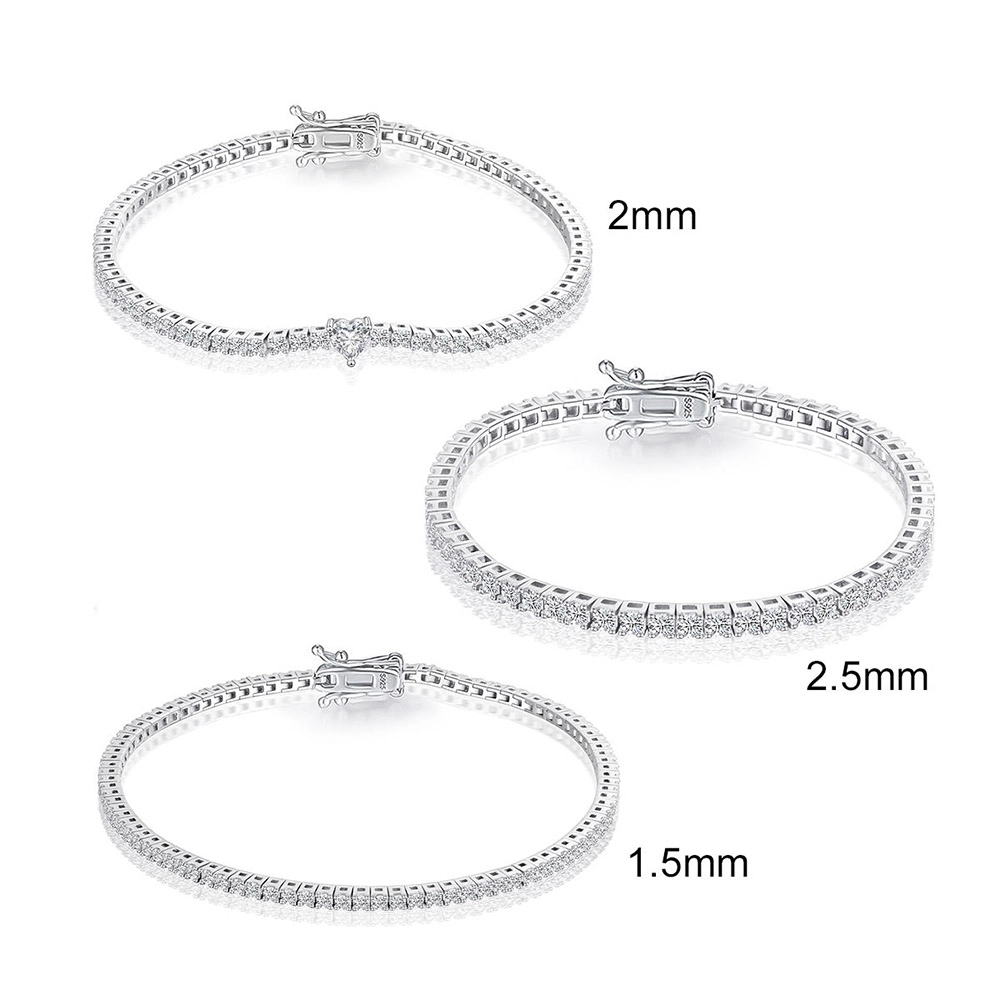
Customizable High-Quality Fashion 925 Sterling Silver AAA Cubic Zirconia Heart-Shaped Open Tennis Bracelet.
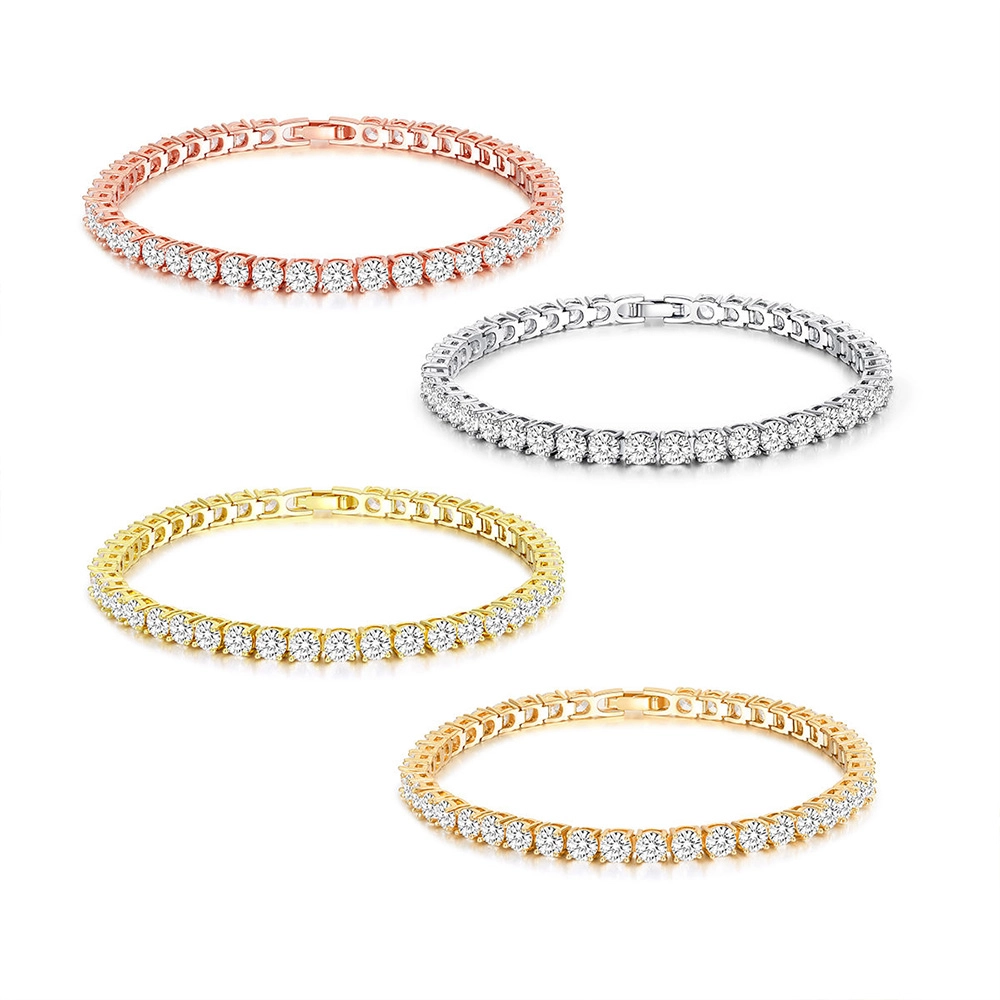
Customizable OEM ODM High-Quality Fashion Brass AAA Cubic Zirconia Classic Tennis Bracelet for Women Wholesale.
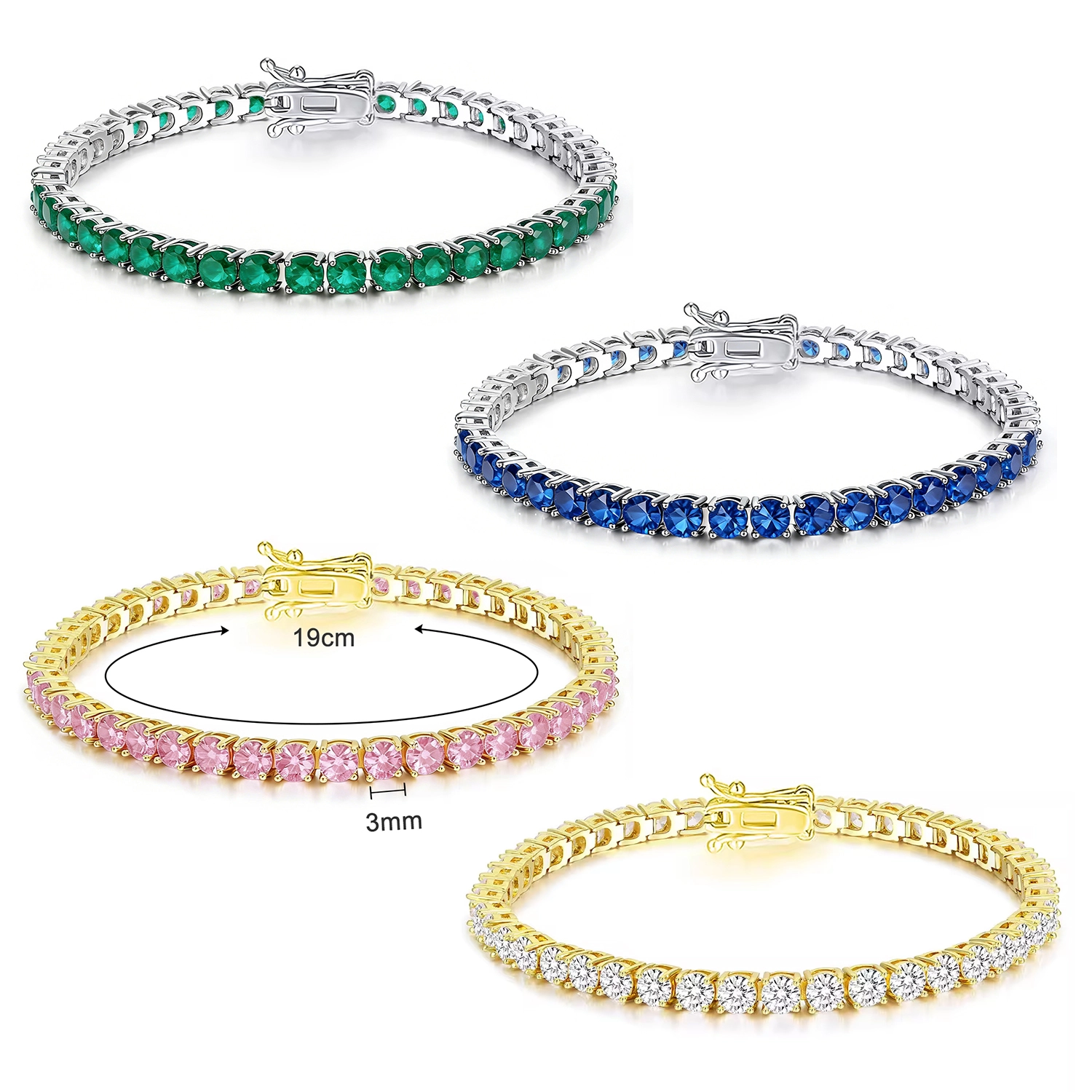
Custom CZ Tennis Bracelet in 925 Sterling Silver or Brass | Zhefanjewelry Manufacturer
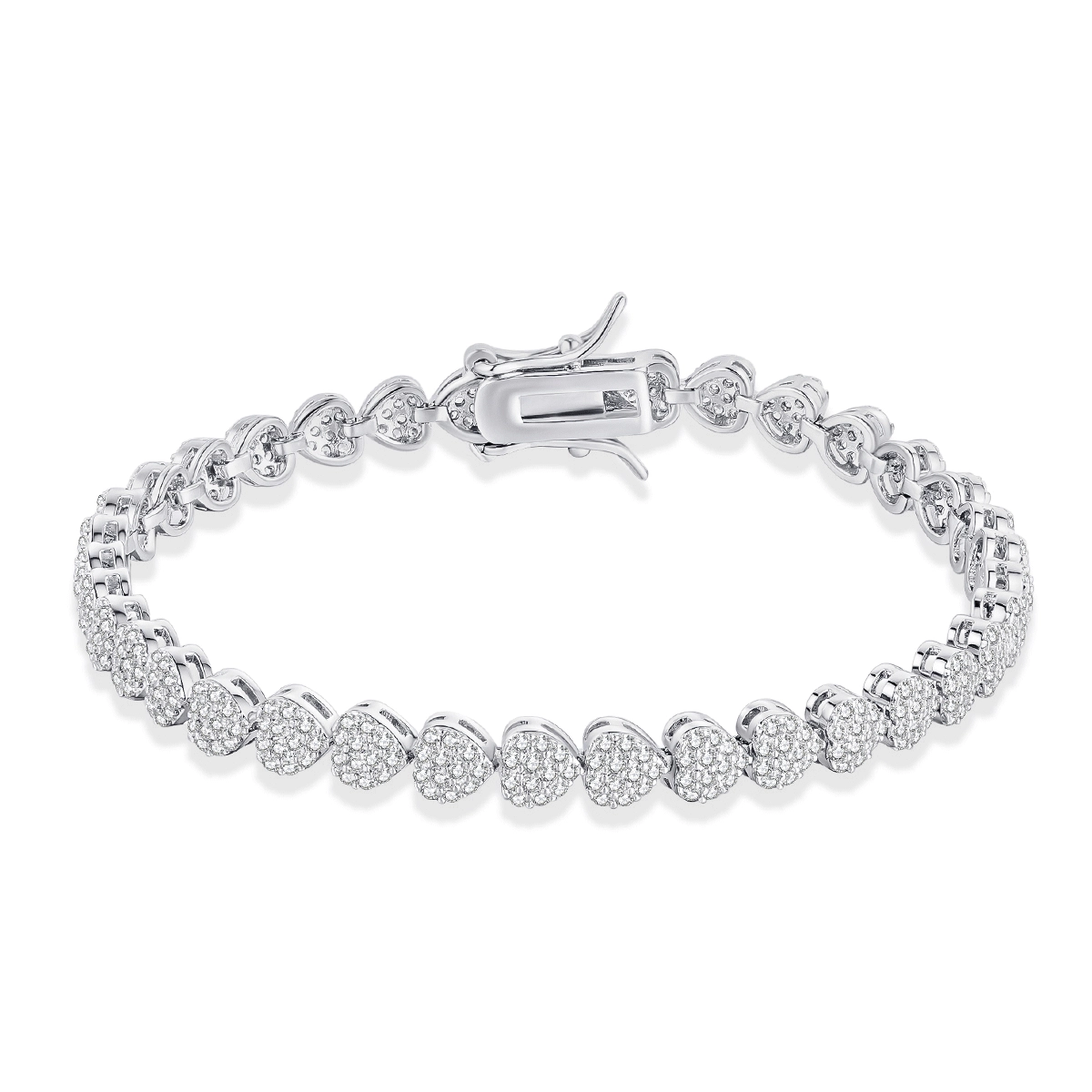
Heart Tennis Bracelet in Sterling Silver with AAA CZ Factory Supply
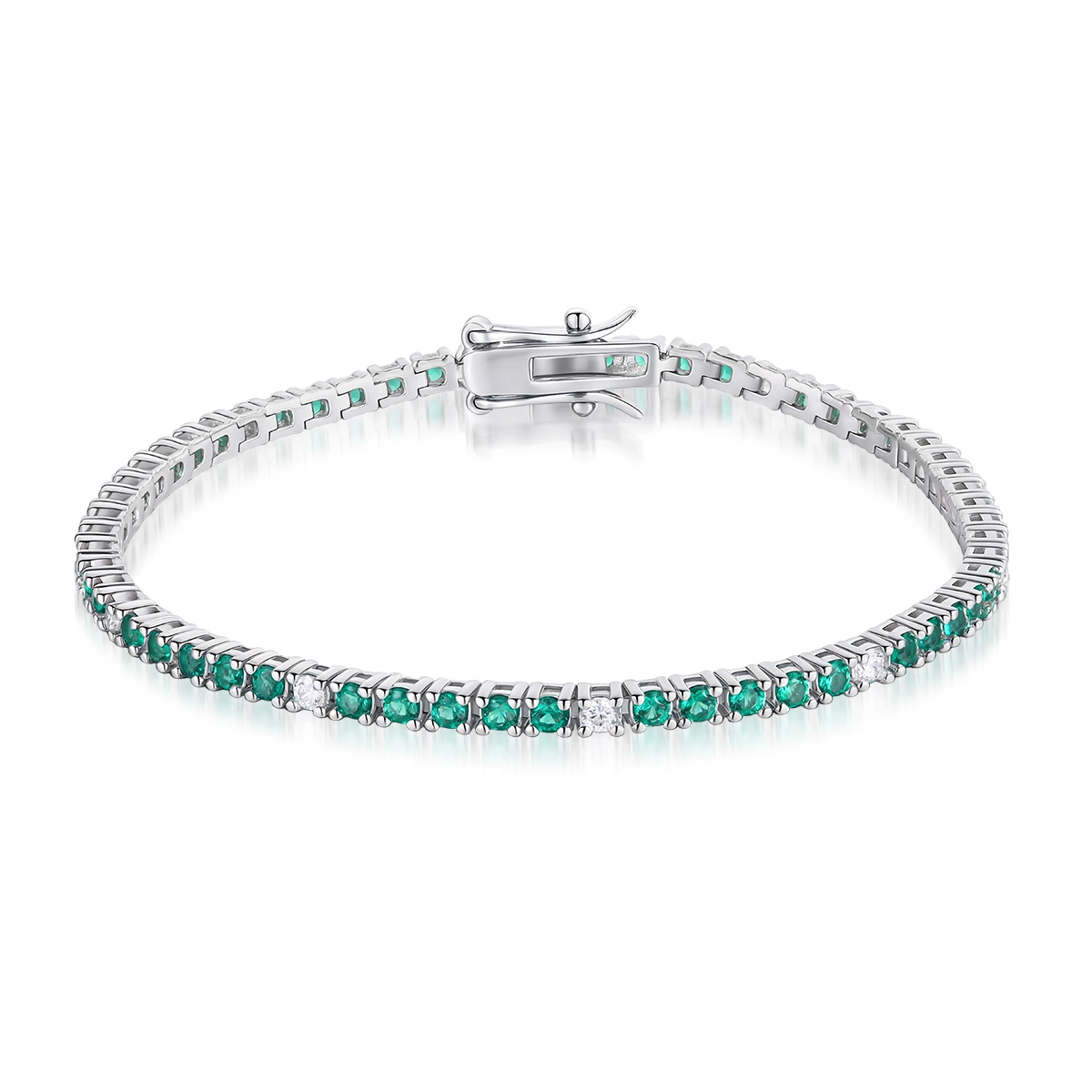
Custom 925 Silver Green CZ Tennis Bracelet Wholesale Supplier
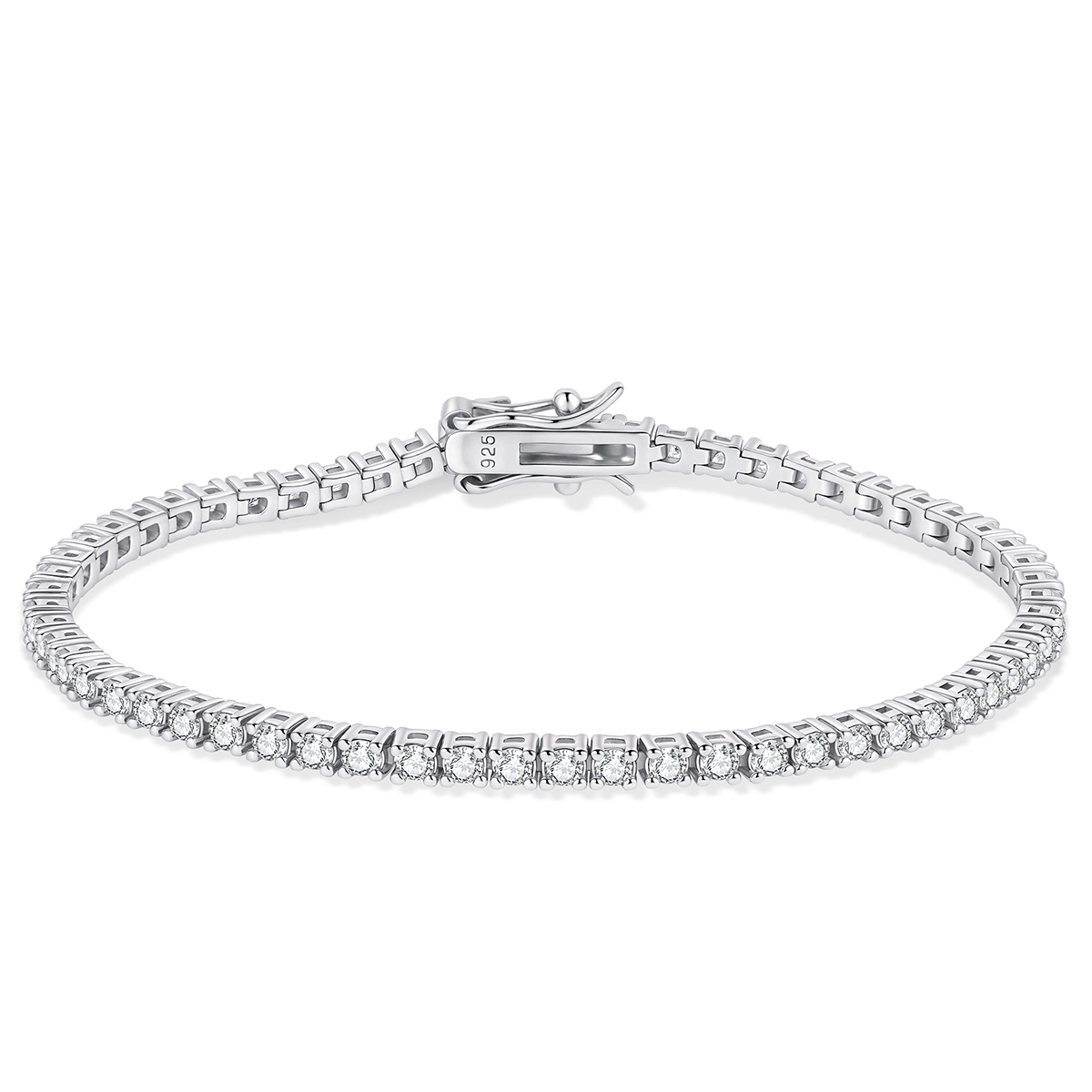
Custom 925 Sterling Silver CZ Tennis Bracelet Manufacturer
Product Categories
Discuss Your Ideas with a Professional Custom Jewelry Manufacturer
We provide personalized jewelry customization services for clients worldwide.
Rest assured that your privacy is important to us, and all information provided will be handled with the utmost confidentiality.
By clicking 'Send Inquiry Now' I agree to ZHEFAN JEWELRY processing my personal data.
To see how to withdraw your consent, how to control your personal data and how we process it, please see our Privacy Policy and Terms of use.
From design to production, ZHEFAN JEWELRY offers a one-stop solution to help you enhance your brand value and market competitiveness.
Get A Quote
Contact
Tel: (+86) 188 1927 7817
© 2026 Zhefan Jewelry. All Rights Reserved.
Facebook
Instagram
YouTube
Whatsapp: +8618819277817