








Email: sales3@zhefanjewelry.com
How Jewelry Brands Develop Signature Enamel Collections with an OEM Manufacturer
For established jewelry and fashion brands, signature enamel collections offer a way to transform distinctive colors and design motifs into recognizable products. Learn how an OEM jewelry manufacturer supports brand-led development, custom color approval, coordinated product collections, and consistent manufacturing for long-term retail success.
- Quick Answer: How Can Brands Develop a Signature Enamel Jewelry Collection?
- Introduction: Turning Brand Identity into Distinctive Jewelry
- 1. Why Signature Enamel Jewelry Matters for Brand Differentiation
- 2. Establish a Clear Design Language Before Product Development
- From Brand Concept to Manufacturing Specification
- 3. How Can OEM Manufacturers Match Signature Enamel Colors?
- Why Physical Color References Matter
- 4. Develop Coordinated Necklaces, Earrings, and Bracelets
- How a Signature Design Can Extend Across Jewelry Categories
- 5. Preserve the Creative Concept Through OEM Design Development
- Connecting CAD Development with Physical Samples
- 6. Coordinate Enamel with Brass, Sterling Silver, and Metal Finishes
- 7. Protect Exclusive Designs and Confidential Product Development
- 8. Maintain Collection Consistency During Bulk Production and Reorders
- What Should Remain Consistent During Repeat Orders?
- 9. How Zhefan Jewelry Supports Signature Enamel Collection Development
- Develop Your Custom Enamel Collection with Zhefan Jewelry
- FAQ
Quick Answer: How Can Brands Develop a Signature Enamel Jewelry Collection?
Jewelry brands develop signature enamel collections by translating their visual identity into coordinated product designs, approved color references, and manufacturable specifications. An experienced OEM jewelry manufacturer can support material selection, technical development, sampling, and production planning. The goal is to maintain recognizable design elements across necklaces, earrings, bracelets, and future collection extensions without compromising the brand's creative control.
Introduction: Turning Brand Identity into Distinctive Jewelry
For established jewelry and fashion brands, a successful collection is more than a group of attractive products. It represents a recognizable design identity that customers can associate with the brand.
Enamel jewelry provides a distinctive opportunity to express that identity through color.
A signature blue, a delicate pink, or a recognizable combination of enamel and gold-tone metal can become a recurring element across necklaces, earrings, bracelets, and charms.
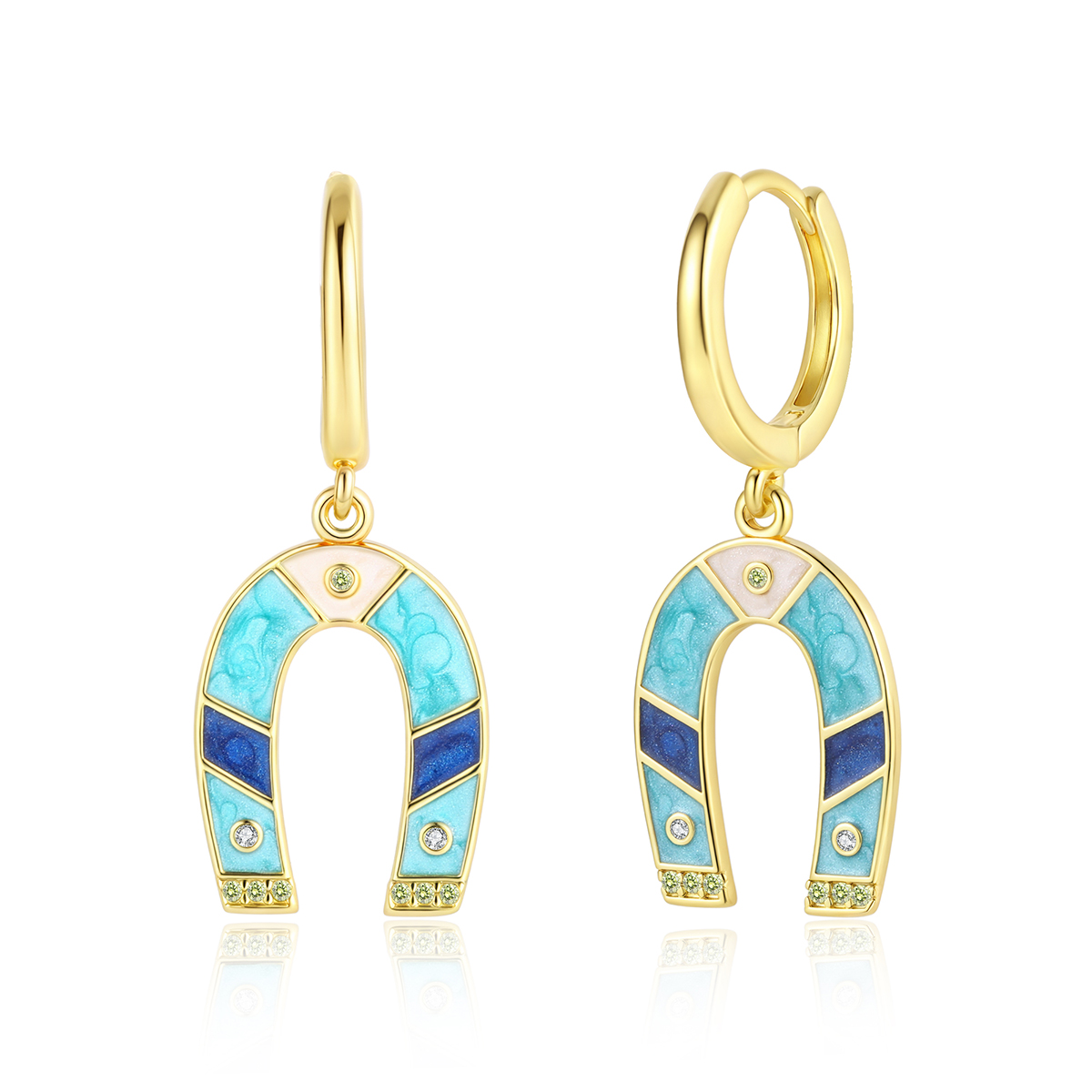
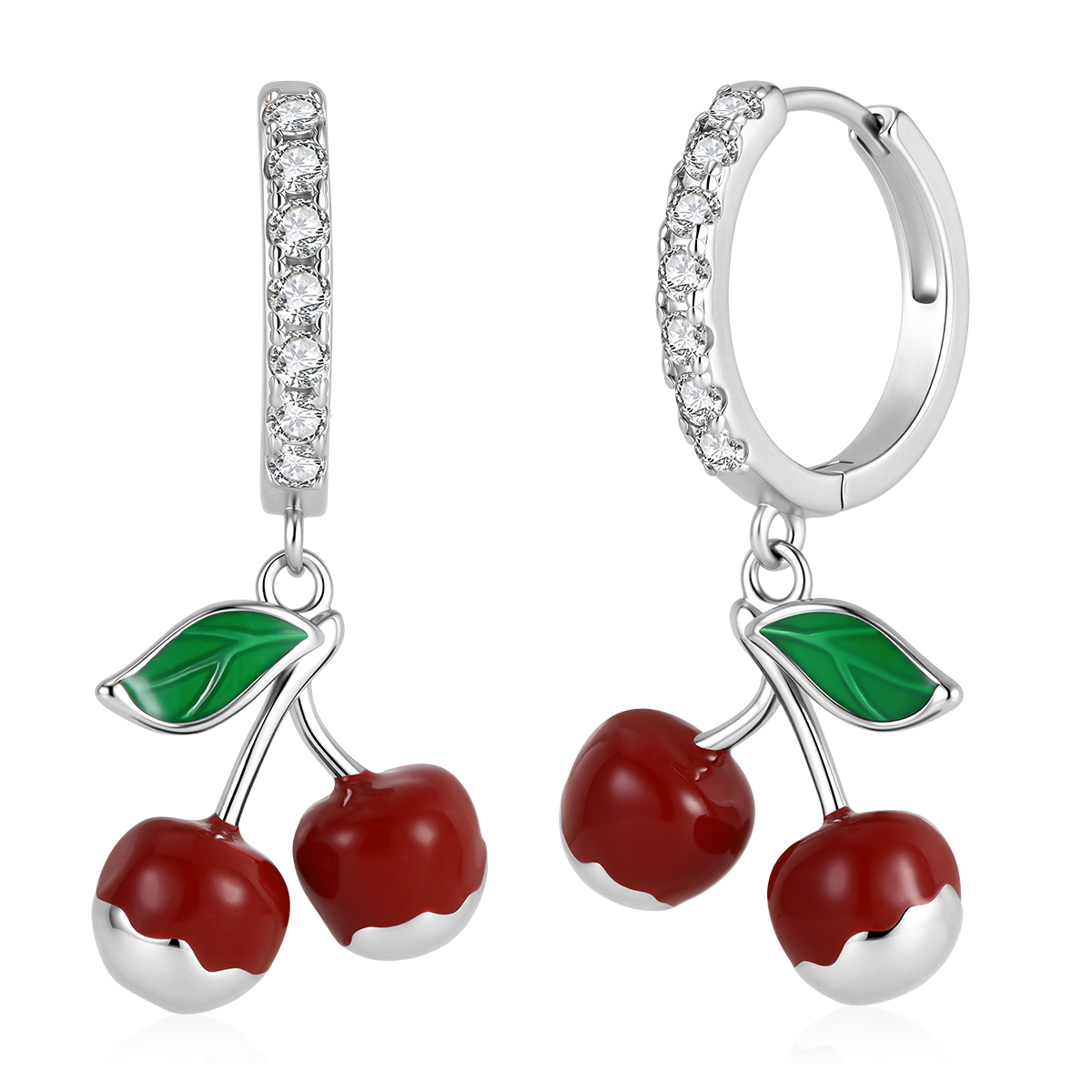
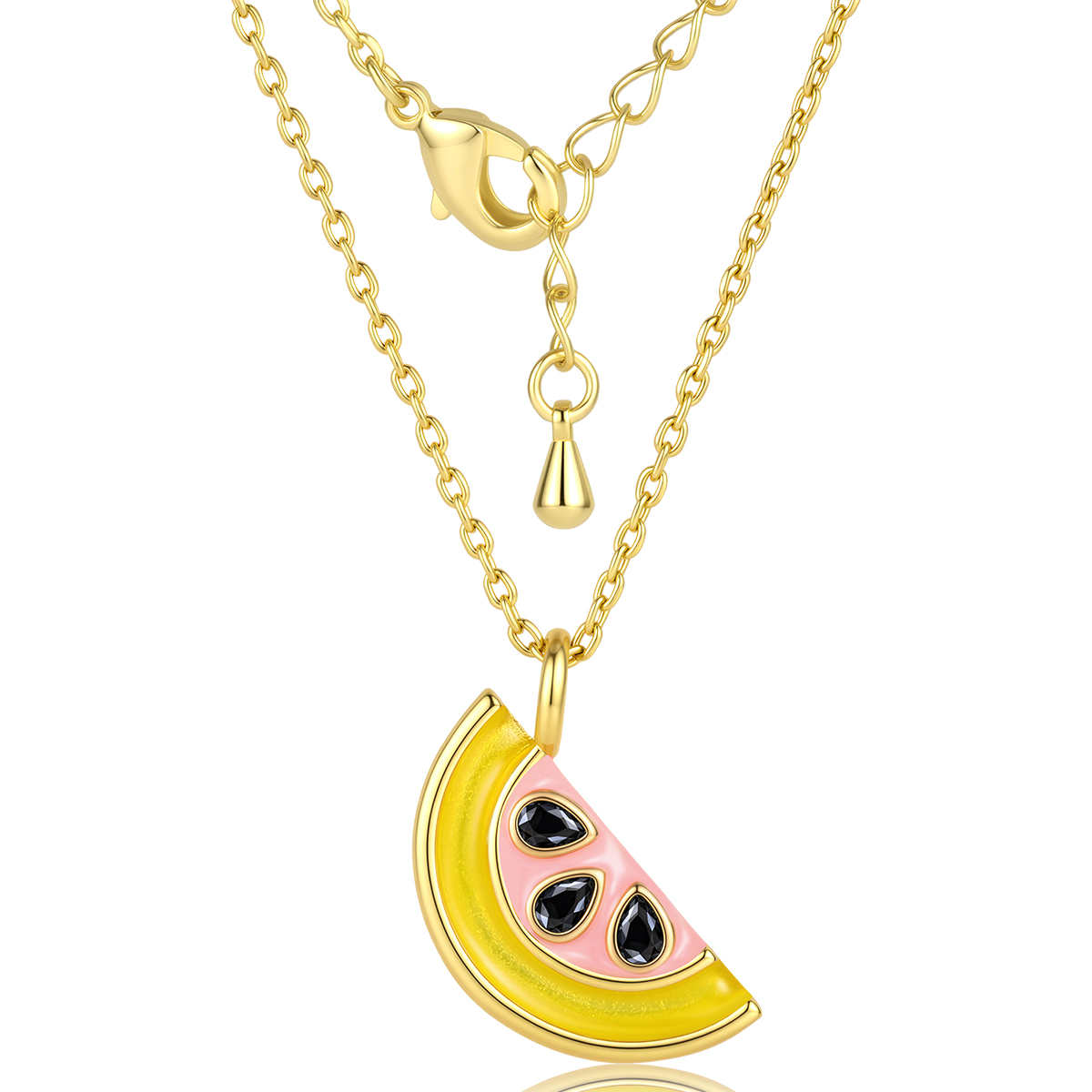
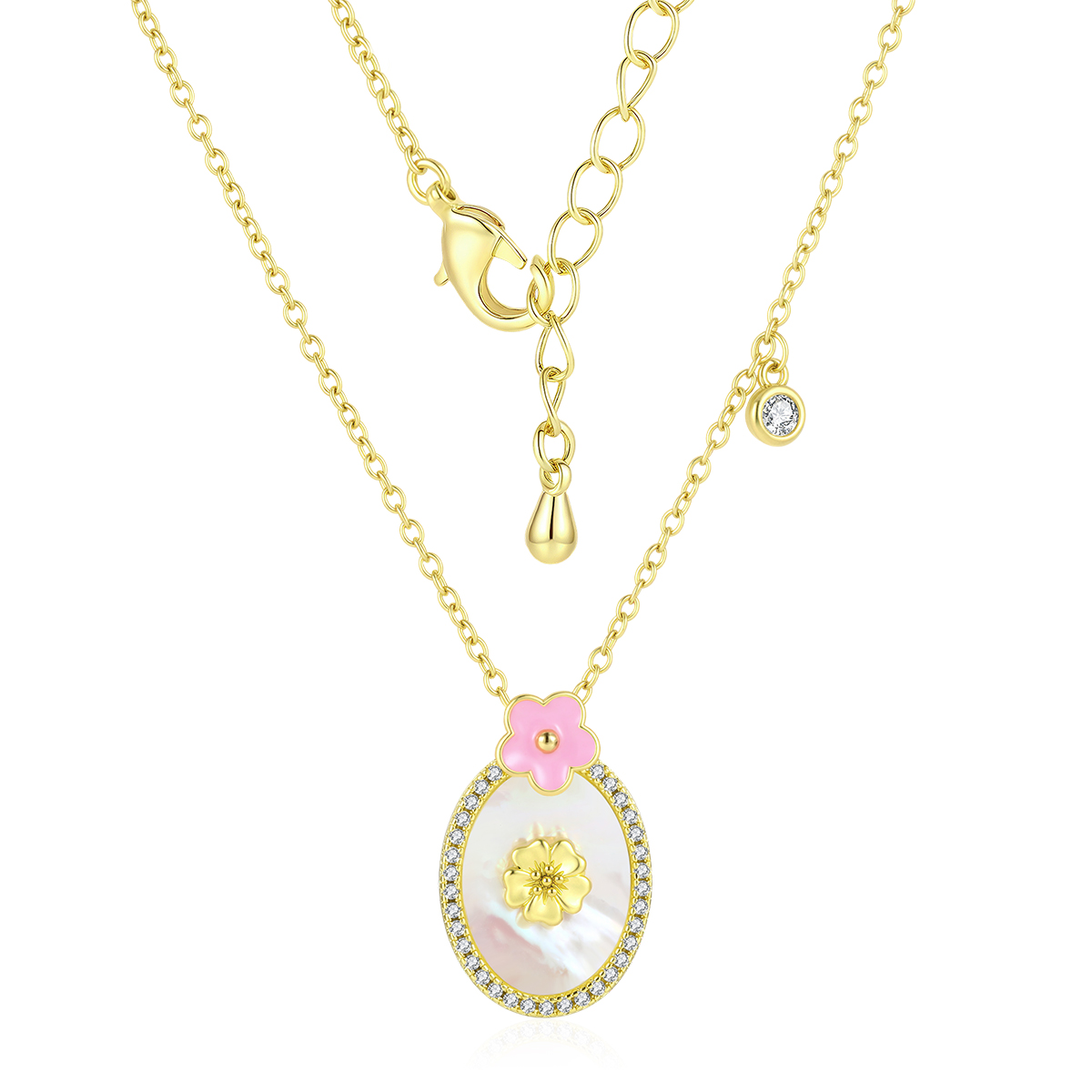
However, producing a cohesive enamel collection requires more than applying similar colors to different designs.
The challenge is to preserve a consistent visual language while adapting each product to its intended size, structure, materials, and wearing experience.
A pendant necklace and a pair of hoop earrings may share the same decorative theme, but their construction and manufacturing requirements can be very different.
This is where collaboration with an OEM jewelry manufacturer becomes valuable.
The objective is not simply to reproduce individual jewelry designs. It is to transform a brand's creative identity into a coordinated collection that can be developed, manufactured, and maintained consistently over time.
For international brands planning distinctive product lines, this approach connects creative direction with long-term commercial requirements.
1. Why Signature Enamel Jewelry Matters for Brand Differentiation
In a competitive jewelry market, recognizable design elements help brands establish a consistent identity.
While gemstones, metal finishes, and product silhouettes all contribute to a collection's appearance, enamel introduces something particularly distinctive: controlled areas of color that can become part of the jewelry itself.
For a fashion brand with an established visual identity, this creates opportunities to extend familiar colors and motifs into jewelry.
A floral design may appear on an enamel pendant, then reappear in a smaller form on matching earrings. A recognizable blue-and-gold combination might connect several products without requiring them to have identical shapes.
The commercial value lies in creating a collection that feels connected.
Customers should be able to recognize the relationship between products even when the designs serve different functions or price positions.
For brands, this supports collection storytelling, coordinated product presentation, and future assortment development.
An OEM jewelry manufacturer contributes by helping translate these visual elements into product specifications that are appropriate for the intended designs.
Rather than focusing only on the appearance of a single sample, the development process should consider how each product contributes to the identity of the collection.
2. Establish a Clear Design Language Before Product Development
A signature enamel collection begins with a clear understanding of the brand's defining design elements.
These may include a specific color palette, recurring motifs, distinctive metal proportions, or characteristic decorative details.
Not every element needs to appear in every product.
Instead, the brand should identify which features are essential to recognition and which can be adapted according to product category.
For example, an enamel flower motif used on a necklace may need to be simplified for a smaller earring. The dimensions may change, but the relationship between the flower shape, enamel color, and surrounding metal should remain recognizable.
An OEM manufacturer should understand these design priorities before recommending technical changes.
From Brand Concept to Manufacturing Specification
|
Brand design element |
What the brand should define |
OEM development consideration |
|
Signature colors |
Main shades, combinations, visual references |
Enamel color samples and material compatibility |
|
Design motifs |
Recognizable shapes and decorative features |
Proportions, dimensions, and manufacturability |
|
Metal appearance |
Gold-tone, silver-tone, or other approved finishes |
Plating specifications and finished appearance |
|
Product categories |
Necklaces, earrings, bracelets, and charms |
Category-specific construction |
|
Decorative details |
Stones, pearls, enamel, and other accents |
Placement, attachment, and process compatibility |
|
Brand exclusivity |
Original artwork and protected designs |
Confidentiality and agreed intellectual-property terms |
This framework helps the brand communicate its creative intentions without requiring every product to be manufactured in exactly the same way.
It also allows the manufacturing team to identify design features that may need adjustment before sampling.
For established brands, this reduces the risk of losing distinctive visual elements during the transition from artwork to physical jewelry.
3. How Can OEM Manufacturers Match Signature Enamel Colors?
Color is often the most recognizable feature of enamel jewelry.
However, reproducing a brand's signature color on a finished jewelry surface requires more than selecting a shade from a digital color chart.
The appearance of enamel may be influenced by the material system, application thickness, surface texture, lighting, and surrounding metal finish.
For example, the same nominal blue may appear different when used inside a small pendant recess compared with a larger curved earring surface.
A warm gold-tone border can also influence how the enamel color is perceived.
For this reason, established brands should approve the color on representative finished products rather than relying exclusively on digital images.
Why Physical Color References Matter
A Pantone reference can provide a useful starting point during product development. Nevertheless, it does not guarantee that the same appearance can be reproduced exactly with every enamel material or manufacturing process.
A physical approved sample establishes a more relevant reference for the actual product.
Where a collection includes several enamel colors, each approved shade should be associated with the appropriate design or SKU.
For brands planning repeat orders, these references can also help evaluate whether later products remain visually consistent with the original collection.
Color consistency is not simply about producing an attractive first sample. It is about establishing a reference that can support future manufacturing decisions.
Brands should also confirm the specific enamel material system being proposed. Resin-based decorative enamel and fired vitreous enamel involve different manufacturing requirements and should not be treated as interchangeable.
4. Develop Coordinated Necklaces, Earrings, and Bracelets
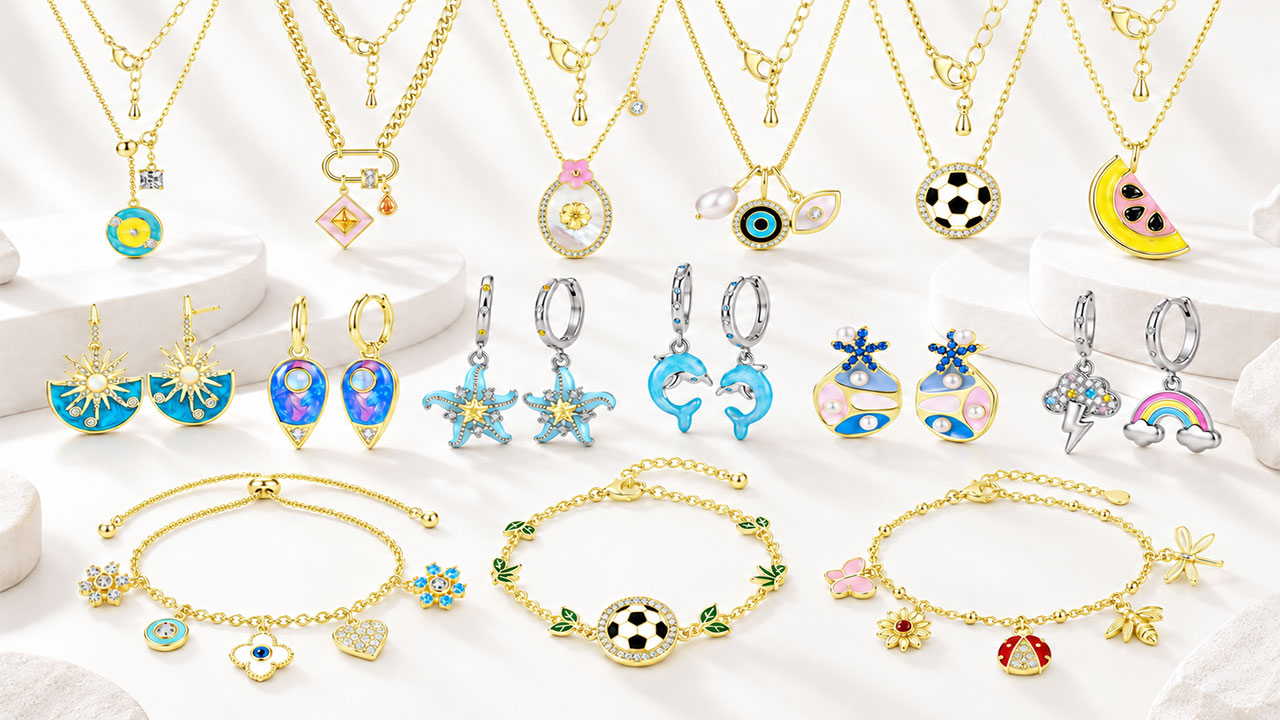
A signature enamel collection should maintain a recognizable identity while allowing each product to express its own design.
This requires a balance between consistency and adaptation.
A necklace pendant may provide enough surface area for a detailed enamel motif. A small hoop earring may require a simplified interpretation, while a charm bracelet may repeat several related decorative elements.
These differences are normal.
The goal is not to reproduce the same artwork at different sizes without modification.
It is to create a coordinated product family.
How a Signature Design Can Extend Across Jewelry Categories
|
Jewelry category |
Possible design application |
Important development consideration |
|
Pendant necklaces |
Signature enamel centerpiece |
Pendant proportions, weight, and chain connection |
|
Charm earrings |
Smaller interpretation of the brand motif |
Weight balance, movement, and wearing comfort |
|
Hoop earrings |
Enamel charm or decorative attachment |
Closure construction and charm clearance |
|
Charm bracelets |
Repeated enamel designs and complementary details |
Charm spacing, movement, and attachment security |
|
Coordinated jewelry sets |
Shared colors, motifs, and metal finishes |
Visual consistency across different product types |
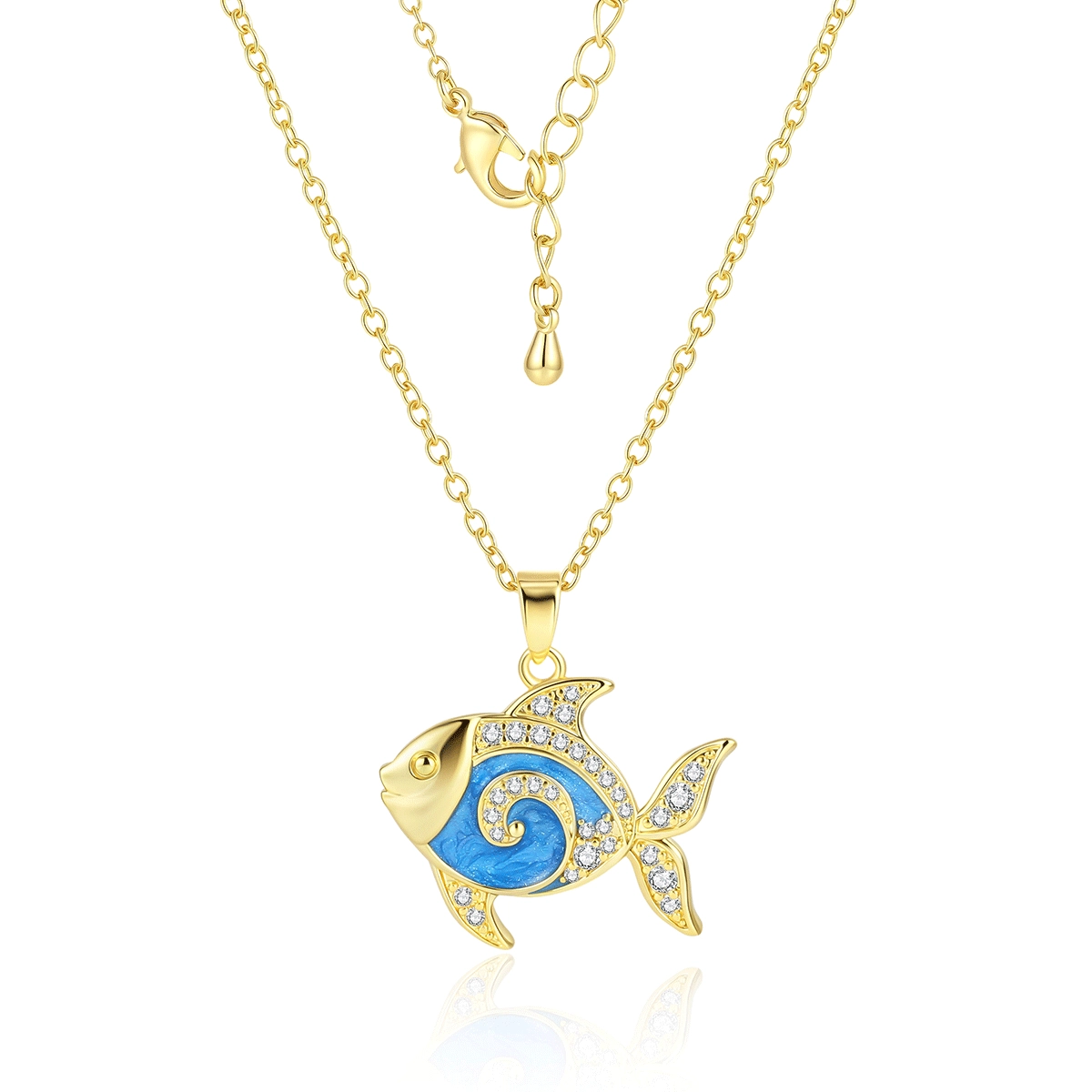
For example, Zhefan Jewelry's product references include colorful enamel necklaces, decorative earrings, and charm bracelets featuring floral, ocean-inspired, and other expressive motifs.
These examples illustrate the range of visual approaches that can be considered for customized collections. They should not be presented as one client's exclusive collection unless that relationship has been verified and authorized for publication.
For established brands, developing a coordinated product family can also support future collection extensions.
A successful necklace design may become the starting point for complementary earrings or bracelets, while still requiring individual technical evaluation.
5. Preserve the Creative Concept Through OEM Design Development
A jewelry concept may look complete in an illustration but still require technical adjustment before production.
Enamel designs can include small decorative regions, narrow metal boundaries, curved surfaces, and combinations of different materials.
These details affect whether a product can be manufactured reliably.
For example, an intricate motif may lose definition when reduced to a very small charm. A colored decorative area positioned near a moving component may require additional structural consideration.
The role of an OEM manufacturer is to identify these manufacturing challenges while respecting the original creative direction.
A professional development discussion should distinguish between essential brand features and technical details that can be adjusted without changing the overall identity.
Connecting CAD Development with Physical Samples
CAD drawings and technical specifications can help translate approved artwork into a manufacturable product.
They provide an opportunity to review dimensions, component proportions, decorative boundaries, and potential construction constraints before committing to production tooling.
Physical samples then allow the brand to evaluate the actual appearance, scale, finish, and wearing characteristics.
When the original design requires modification, the proposed adjustment should be reviewed and approved through the agreed development process.
For established brands, this protects creative authority while allowing manufacturing expertise to contribute to a more practical final product.
A successful OEM partnership does not replace the brand's design vision. It helps make that vision manufacturable.
6. Coordinate Enamel with Brass, Sterling Silver, and Metal Finishes
The base material and metal finish contribute significantly to the overall appearance of enamel jewelry.
Brass is widely used in customized fashion jewelry because it supports a variety of product shapes and decorative designs.
925 sterling silver offers a different material platform and may be appropriate for collections positioned within another retail segment.
Gold vermeil can be considered for suitable sterling silver jewelry when the finished product meets the applicable market definition and agreed specifications.
However, different material platforms should not automatically be treated as interchangeable.
A design developed in brass may require additional technical review before being adapted to sterling silver.
The surrounding plating color also matters.
An enamel motif may look different against a warm gold-tone surface, a lighter gold finish, or a silver-tone setting.
For professional brand collections, the final appearance should be approved on representative samples.
Where metallic coating thickness is specified, an appropriate method such as X-ray fluorescence (XRF) may support verification of the plating thickness.
However, plating thickness measurement does not independently establish enamel adhesion, stone security, or long-term wear performance.
These characteristics require separate consideration according to the finished design.
The manufacturing objective is to achieve a material and finish combination that supports the intended collection identity while meeting the project's technical and commercial requirements.
7. Protect Exclusive Designs and Confidential Product Development
For established jewelry and fashion brands, original product designs represent a valuable commercial asset.
An unreleased enamel collection may involve distinctive artwork, exclusive motifs, color references, technical drawings, and confidential launch plans.
Manufacturers may need access to this information during product development.
The brand should therefore establish clear expectations regarding confidentiality, permitted use of design files, and ownership of relevant intellectual property.
A non-disclosure agreement can help protect confidential information, but it should not be confused with an agreement that automatically determines design ownership.
The relevant rights and responsibilities should be addressed explicitly.
Where specialist external processes are involved, the parties should also consider how confidential materials will be protected throughout the manufacturing arrangement.
For high-end and established brands, this is particularly important when developing recognizable, exclusive design elements.
A reliable manufacturing partner should be able to demonstrate its capabilities without disclosing another customer's protected designs.
At Zhefan Jewelry, confidential project arrangements can be discussed for proprietary development work. Customer-exclusive designs should not be publicly displayed without authorization.
8. Maintain Collection Consistency During Bulk Production and Reorders
A signature enamel collection is often developed for more than one retail season.
Successful products may require repeat manufacturing, while new designs may be introduced as extensions of the original collection.
This creates a long-term responsibility to preserve the brand's approved visual standards.
A later production batch should not introduce an unintended enamel color change or a noticeably different metal appearance simply because materials, suppliers, or processing conditions have changed.
For professional retail programs, the manufacturer and brand should maintain appropriate product references and review modifications that could affect the finished result.
What Should Remain Consistent During Repeat Orders?
|
Product characteristic |
Why it matters for the brand |
Recommended reference |
|
Enamel color and gloss |
Maintains recognizable brand appearance |
Approved finished color sample |
|
Metal finish |
Supports coordinated collection presentation |
Approved metal finish sample and specification |
|
Motif proportions |
Preserves the original design language |
Approved drawing and product reference |
|
Decorative attachments |
Supports appearance and function |
Agreed construction specification |
|
Product presentation |
Keeps replenishment aligned with existing inventory |
Approved finished product and packaging requirements |
The specific checks should reflect the actual product and the manufacturer's agreed quality arrangements.
For established brands, continuity is not simply a manufacturing preference.
It protects product recognition, retail presentation, and customer expectations.
It can also make future collection development more efficient because new designs can be evaluated against established references rather than starting from an entirely new interpretation of the brand's identity.
9. How Zhefan Jewelry Supports Signature Enamel Collection Development
Zhefan Jewelry supports international jewelry brands, retailers, and wholesalers with custom jewelry development and OEM/ODM manufacturing.
Our principal material capabilities include brass and 925 sterling silver, with customization options covering design, dimensions, stones, decorative details, plating color, and coating thickness.
Our existing jewelry product references include colorful enamel-style decorative necklaces, earrings, and charm bracelets featuring a variety of motifs and combinations of metal finishes and stone accents.
These products demonstrate potential directions for custom jewelry development. The feasibility of a new design, enamel material, or manufacturing process is assessed according to the project's individual requirements.
For brands developing an original collection, our team can discuss design specifications, CAD and sampling requirements, preferred materials, enamel color references, and manufacturing considerations.
Relevant material and plating documentation can also be reviewed according to agreed technical requirements and intended markets.
We understand the importance of maintaining confidentiality during proprietary product development and welcome professional discussions concerning design protection and manufacturing responsibilities.
Customers are welcome to arrange visits to our Guangzhou office and showroom for product discussions and sample reviews. Factory visits in Meizhou can also be arranged in advance.
Develop Your Custom Enamel Collection with Zhefan Jewelry
Whether your brand is introducing a signature enamel design, extending an established product family, or evaluating a manufacturing partner for an upcoming retail collection, Zhefan Jewelry welcomes the opportunity to discuss your project.
Share your design artwork, proposed product categories, enamel color references, preferred materials, estimated order quantities, and target launch schedule.
Our team can review your requirements and discuss suitable next steps for custom OEM/ODM development.
Website: WhatsApp: https://wa.me/8618819277817
Discuss Your Enamel Jewelry Project with Zhefan Jewelry
FAQ
How do jewelry brands develop a signature enamel jewelry collection?
Brands begin by defining recognizable colors, motifs, and design elements. An OEM manufacturer can help translate those references into technical specifications, samples, and product-specific constructions. The goal is to maintain a coherent design identity across different jewelry categories and future collection extensions.
Can an OEM manufacturer customize enamel colors for jewelry brands?
Yes, subject to the manufacturer's capabilities and the selected enamel system. Brands can provide color references and request physical samples for approval. The achievable appearance depends on the enamel material, product geometry, surrounding finish, and manufacturing method.
What is the difference between OEM and ODM enamel jewelry?
OEM manufacturing generally involves producing jewelry according to customer-provided designs or specifications. ODM may involve selecting or adapting manufacturer-developed designs under agreed commercial terms. Confidentiality, design ownership, and exclusivity should be defined in the relevant agreements.
Which materials are suitable for custom enamel jewelry?
Brass and 925 sterling silver may be used for custom enamel jewelry, depending on product construction and the enamel system. The manufacturer should assess compatibility between the base material, surface finishing, decorative elements, and intended manufacturing process before final specifications are approved.
How can brands maintain enamel color consistency in repeat orders?
Brands should use approved physical samples and clear product specifications as references. Changes to enamel materials, formulations, finishing methods, or production conditions that may affect the finished appearance should be reviewed. Any measurable color tolerances should be appropriate to the product and validated method.
How can a brand protect its exclusive enamel jewelry designs?
Appropriate confidentiality and intellectual-property agreements can clarify permitted use, disclosure restrictions, ownership, and responsibilities. Brands should also manage access to confidential drawings, CAD files, original artwork, and unreleased collection information.
Can Zhefan Jewelry support custom enamel jewelry development for established brands?
Zhefan Jewelry supports OEM/ODM development for brass and 925 sterling silver jewelry, including designs with customized decorative details and proposed enamel requirements. Customers can submit their concepts and specifications for a project-specific manufacturing feasibility discussion.
Recommended for you
Why Does Tennis Jewelry Flip? 6 Manufacturing Factors Jewelry Brands Should Check
Thick Gold-Plated Brass Jewelry vs Gold Vermeil: A B2B Material Strategy for Jewelry Brands
Gold-Plated Brass Jewelry for Scalable Brand Programs: Building a Finish Specification That Holds in Production
Sustainable Jewelry Sourcing from China: A Compliance-First Manufacturing Framework for Global Brands
OEM Fish Shaped Necklace with Blue Enamel craft & Cubic Zirconia | 18K Gold Plated Custom Jewelry
Custom Christmas Jewelry Collection for Brands & Wholesalers
Cute Kid Jewelry Oil Stud Earrings
Product Categories
Discuss Your Ideas with a Professional Custom Jewelry Manufacturer
We provide personalized jewelry customization services for clients worldwide.
Rest assured that your privacy is important to us, and all information provided will be handled with the utmost confidentiality.
By clicking 'Send Inquiry Now' I agree to ZHEFAN JEWELRY processing my personal data.
To see how to withdraw your consent, how to control your personal data and how we process it, please see our Privacy Policy and Terms of use.
From design to production, ZHEFAN JEWELRY offers a one-stop solution to help you enhance your brand value and market competitiveness.
Get A Quote
Contact
Tel: (+86) 188 1927 7817
© 2026 Zhefan Jewelry. All Rights Reserved.
Facebook
Instagram
YouTube
Whatsapp: +8618819277817