






Email: sales3@zhefanjewelry.com
Why Choose Our Pearl Jewelry Manufacturer for Your Next Collection
Selecting a pearl jewelry production partner affects product consistency, material disclosure, delivery planning, and collection profitability. This guide explains how to evaluate pearl sourcing, design development, quality control, customization, and supplier communication, with practical comparisons of natural, cultured, and imitation pearls. It also outlines how our jewelry range can support coordinated collections across pearl, brass, sterling silver, 925 silver, and gold vermeil designs.
- How to Evaluate a Pearl Jewelry Production Partner
- Verify pearl identity, sourcing, and disclosure
- Assess grading language and sample approval controls
- Compare Materials and Production Requirements Before Ordering
- Choose pearl categories to match the collection position
- Specify metal, findings, and construction alongside the pearl
- Build a Reliable Development and Quality-Control Process
- Use stage gates from design brief to shipment
- Agree on inspection criteria and corrective action
- How Our Jewelry Capabilities Can Support Your Next Collection
- Coordinate pearl designs with complementary product categories
- Keep specifications and commercial decisions connected
- Frequently Asked Questions
Choosing a pearl jewelry manufacturer is a strategic sourcing decision, not simply a search for attractive samples. Brand owners and distributors need a production partner that can explain pearl type and grading, translate designs into repeatable specifications, manage metal and component choices, inspect finished pieces, and communicate realistic costs and lead times. A disciplined evaluation process helps buyers reduce quality variation, avoid misleading product descriptions, and build a collection suited to their target market. This guide covers the questions to ask, the evidence to request, and the production considerations that matter when developing pearl jewelry for retail or wholesale.
How to Evaluate a Pearl Jewelry Production Partner
Verify pearl identity, sourcing, and disclosure
The word “pearl” can describe products with different origins and construction. Natural pearls form without human intervention, while cultured pearls grow after deliberate human intervention; imitation pearls are manufactured to resemble pearls but are not formed in the same way. These distinctions influence product positioning, pricing, customer expectations, and the information required for accurate catalog copy. Buyers can review the Gemological Institute of America’s pearl education resources to understand pearl types and the factors commonly considered when evaluating them.
Before approving a supplier, request written details for the proposed pearl material, including whether it is natural, cultured, or imitation, and ask how the supplier records that information against each style or purchase order. For cultured pearls, clarify the type offered and whether the production team can maintain the agreed description across samples, bulk orders, packaging, and online product data. In the United States, the Federal Trade Commission’s Jewelry Guides address truthful descriptions of pearl products, including the use of terms such as cultured and imitation. Requirements vary by market, so brands should confirm applicable local labeling and advertising rules before launch.
Assess grading language and sample approval controls
Pearl quality is not captured by one universal grade that guarantees identical appearance across suppliers. Luster, surface characteristics, shape, size, color, and matching are useful specification points, but grading terms may be applied differently between vendors. Buyers should define observable acceptance criteria rather than relying on an unexplained grade label. A product brief might state the acceptable size range, color family, shape, visible surface tolerance, and matching standard for a pair or multi-pearl design.
Ask how a supplier handles sample approval and bulk production control. A signed or documented reference sample, product photographs under consistent lighting, and a written tolerance sheet give both sides a basis for resolving differences. For styles using several pearls, request information about matching procedures and the expected range within a finished piece. These controls are especially useful for replenishment orders, where a new batch may not be identical to the original sample but must remain consistent with the collection’s agreed look.
Compare Materials and Production Requirements Before Ordering
Choose pearl categories to match the collection position
Material selection should reflect the intended retail price, design language, and customer expectations. Natural pearls, cultured pearls, and imitation pearls are not interchangeable descriptions. They may serve different product strategies, but each requires accurate naming and clear internal documentation. An entry-level fashion line may prioritize visual consistency and accessible pricing, while a fine jewelry capsule may require a different sourcing brief, documentation standard, and quality review process. Establishing the category early prevents avoidable redesigns and copy changes late in development.
| Pearl category | General formation or construction | Buyer’s procurement focus |
|---|---|---|
| Natural pearl | Forms without deliberate human intervention, as described in gemological references. | Confirm the description and supporting documentation; assess the specific piece or lot rather than assuming uniformity. |
| Cultured pearl | Growth begins through human intervention in a mollusk; the resulting material is a genuine pearl. | Specify the cultured type and appearance requirements, and ensure product descriptions use accurate terminology. |
| Imitation pearl | Manufactured material designed to resemble a pearl; it is not a natural or cultured pearl. | State the material accurately, evaluate coating and finish consistency, and align the description with the target market’s rules. |
This comparison is a starting point, not a substitute for identifying the actual material in a purchase. The GIA explains the distinctions among pearl categories, while the FTC guidance sets out U.S. principles for avoiding deceptive jewelry descriptions. Buyers selling internationally should also review the rules that apply in each destination market and ensure that product pages, invoices, labels, and packaging do not contradict one another.
Specify metal, findings, and construction alongside the pearl
Pearl selection is only one part of the bill of materials. The metal, post, clasp, setting, adhesive or mechanical connection, and chain all affect wearability, maintenance, and perceived value. A technical specification should identify the metal type and relevant finish, dimensions, component standards, and any market-specific claims that must be substantiated. When a design includes sterling silver or gold vermeil, the supplier should clarify the base metal, surface treatment, and terminology used in commercial descriptions. The FTC guidance on gold and silver claims is a useful reference for U.S. marketing, including the conditions associated with certain descriptions.
Construction details deserve equal attention. Ask whether pearl drops are secured with a peg, cup, wire, or another method, and whether the attachment is appropriate for the pearl’s shape and the intended use. For earrings and pairs, define symmetry expectations; for necklaces, specify length, clasp type, and pearl spacing. If the collection will be worn frequently, consider how the design can be inspected and repaired. A supplier that documents these choices helps buyers compare quotations on equivalent specifications instead of choosing a superficially lower price that omits important components.
Build a Reliable Development and Quality-Control Process
Use stage gates from design brief to shipment
A structured development workflow reduces ambiguity and limits costly corrections. Begin with a design brief that includes sketches or reference images, target price, intended customer, material requirements, size range, packaging needs, and launch date. The first review should confirm feasibility, component availability, and any construction risks. After prototype review, buyers can approve a pre-production sample that reflects the final materials and finishing method. The approved sample and its written specifications then become the reference for bulk production.
Each stage should have a named approval owner and a clear record of changes. If a pearl size, metal color, clasp, or chain length changes after sampling, the revision should be reflected in the specification and cost approval. This prevents factory instructions, purchase orders, and marketing assets from drifting apart. Buyers should also request a production schedule that separates material procurement, sampling, manufacturing, inspection, and dispatch. Clear milestones make it easier to identify delays early and coordinate photography, packaging, and retail launch activities.
Agree on inspection criteria and corrective action
Quality control is most effective when requirements are measurable and agreed before production starts. Depending on the style, inspection points may include pearl matching, surface appearance, dimensions, alignment, setting security, solder or connection quality, clasp function, finish consistency, and clean presentation. Buyers should define how many units will be reviewed, how defects are categorized, and what happens when a batch falls outside agreed tolerances. The correct inspection plan depends on order size, product risk, and the buyer’s quality system; no single sampling approach is right for every collection.
Ask the supplier to explain how nonconforming pieces are isolated, documented, and corrected, and whether replacement or rework affects the delivery schedule. For repeat orders, retain records of approved samples, inspection findings, and agreed corrective actions. This history helps identify recurring problems, improve specifications, and make replenishment decisions based on evidence rather than memory. A low unit quote has limited value if inconsistent finishes, rework, or late delivery create additional costs downstream.
How Our Jewelry Capabilities Can Support Your Next Collection
Coordinate pearl designs with complementary product categories
Our product range includes pearl jewelry alongside brass jewelry, 925 silver jewelry, sterling silver jewelry, and gold vermeil jewelry. This breadth can help buyers plan coordinated assortments, such as pearl accents paired with silver essentials or fashion-forward brass pieces that share a common design direction. The practical advantage for a collection planner is the ability to consider a broader material mix within one product conversation, while still defining specifications, finishes, and target prices style by style.
Our team can work from a buyer’s design brief to clarify the details that affect production: pearl category and appearance, metal selection, dimensions, findings, finish, and packaging requirements. These discussions are important because a design that looks straightforward in a sketch may require decisions about balance, attachment, comfort, and repeatability. By resolving those points before bulk approval, buyers can make more informed choices about product positioning and reduce uncertainty during sampling and production planning.
Keep specifications and commercial decisions connected
Collection development involves more than selecting a visually appealing sample. Buyers also need to compare material options, understand the cost implications of design changes, plan minimum quantities, and coordinate timing with sales channels. Our approach is to align product discussion with the commercial brief, so decisions about pearl appearance, metal, construction, and assortment can be evaluated together. Final specifications, pricing, lead times, and order terms should be confirmed for each project before production begins; they depend on the selected design and order requirements.
For brand owners, distributors, and retail teams, a useful supplier relationship is one that supports clear decisions at each stage rather than relying on assumptions. Our range across pearl, brass, 925 silver, sterling silver, and gold vermeil categories gives buyers options for building related products at different price points and design levels. Buyers should still assess samples, documentation, production terms, and quality procedures against their own requirements before placing an order. A transparent review process protects both the collection’s identity and its commercial objectives.
To discuss a pearl-led collection or explore our jewelry products, contact our team with your design brief, target materials, and project timeline.
Frequently Asked Questions
What should buyers verify when choosing a pearl jewelry production partner?
Buyers should verify pearl type and sourcing information, grading language, sample approval controls, metal and component specifications, quality inspection criteria, production schedule, and communication about corrective action.
What is the difference between natural, cultured, and imitation pearls?
Natural pearls form without deliberate human intervention. Cultured pearls grow after deliberate human intervention in a mollusk and are genuine pearls. Imitation pearls are manufactured to resemble pearls and are not natural or cultured pearls.
How can buyers maintain consistent pearl quality across repeat orders?
Define observable acceptance criteria for size, color, shape, surface appearance, and matching; retain an approved reference sample; document tolerances; and compare replenishment batches against the agreed specifications.
What details should a pearl jewelry product specification include?
A specification should identify the pearl category and appearance requirements, metal and finish, dimensions, findings, construction or attachment method, clasp and chain details where relevant, packaging needs, and market-specific product claims.
What quality-control checks are relevant for pearl jewelry?
Depending on the design, checks can cover pearl matching and appearance, dimensions, alignment, setting security, connection quality, clasp function, finish consistency, and presentation. Buyers should agree on inspection scope and corrective actions before production.
How can buyers compare quotes from different jewelry suppliers fairly?
Compare quotations against equivalent written specifications, including pearl category, materials, components, finish, construction, order quantity, inspection expectations, packaging, lead time, and commercial terms. A lower unit price may exclude requirements that add cost later.
Tags
rose gold brass tennis bracelet bulk
rose gold brass tennis bracelet bulk
925 silver bracelets dropship supplier
925 silver bracelets dropship supplier
tarnish-resistant gold vermeil jewelry manufacturer
tarnish-resistant gold vermeil jewelry manufacturer
stocking gold vermeil jewelry manufacturer
stocking gold vermeil jewelry manufacturer
solid brass rings
solid brass rings
custom engraved brass jewelry factory
custom engraved brass jewelry factory
Recommended for you
Quality Control Checklist for your brass jewelry manufacturer
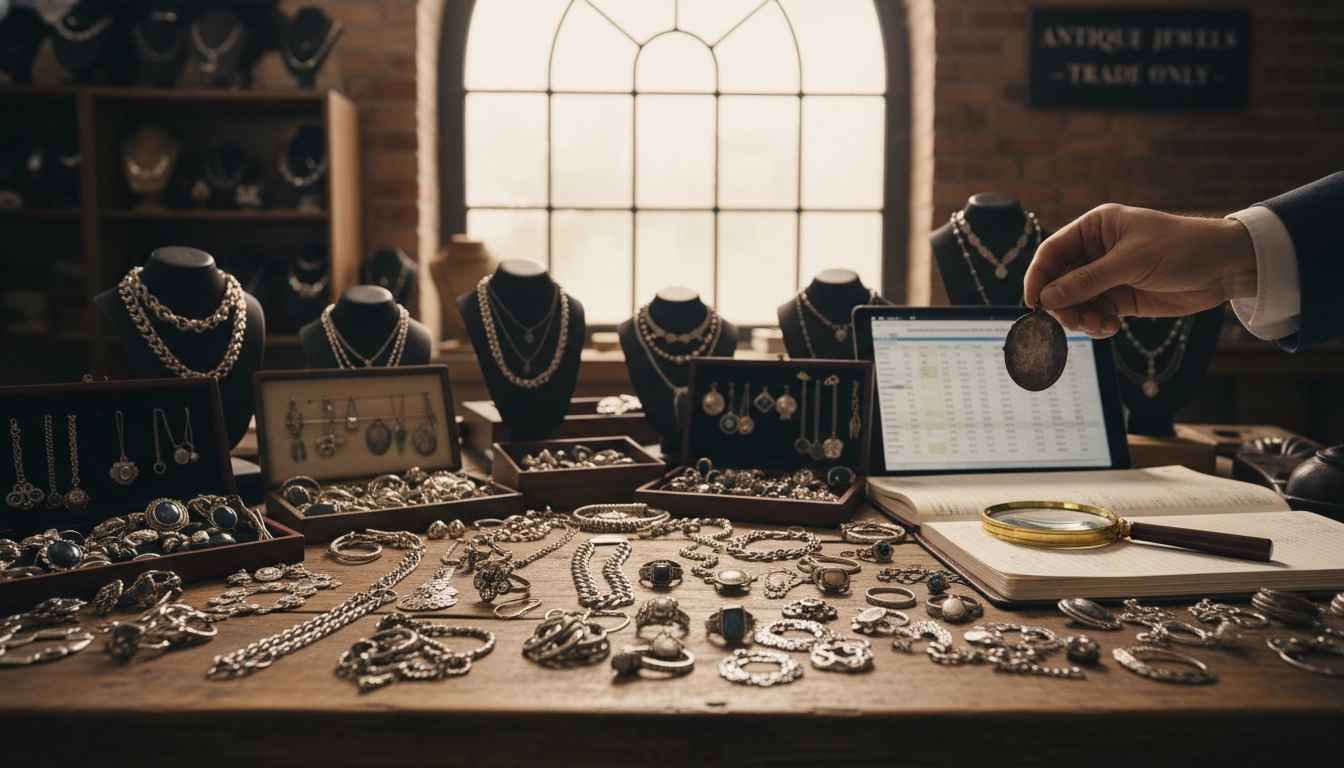
From Auctions to Profit: How to Build a Six-Figure Business Selling Wholesale Vintage Sterling Silver in 2026
Packaging and Presentation Ideas to Sell More 925 Sterling Silver Tennis Bracelet
Finishes and Platings for custom brass jewelry Buyers
Product Categories
You may also like
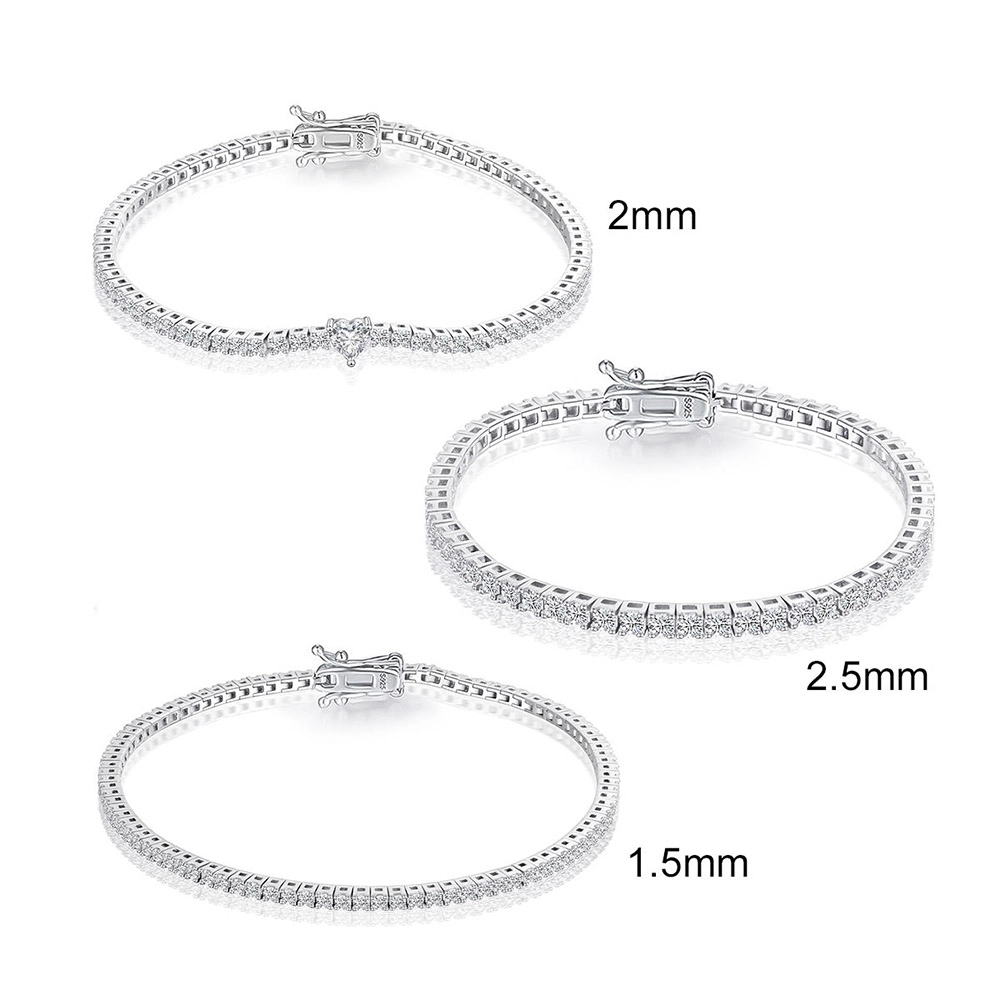
925 Silver Jewelry
Customizable High-Quality Fashion 925 Sterling Silver AAA Cubic Zirconia Heart-Shaped Open Tennis Bracelet.
Read More
Brass Jewelry
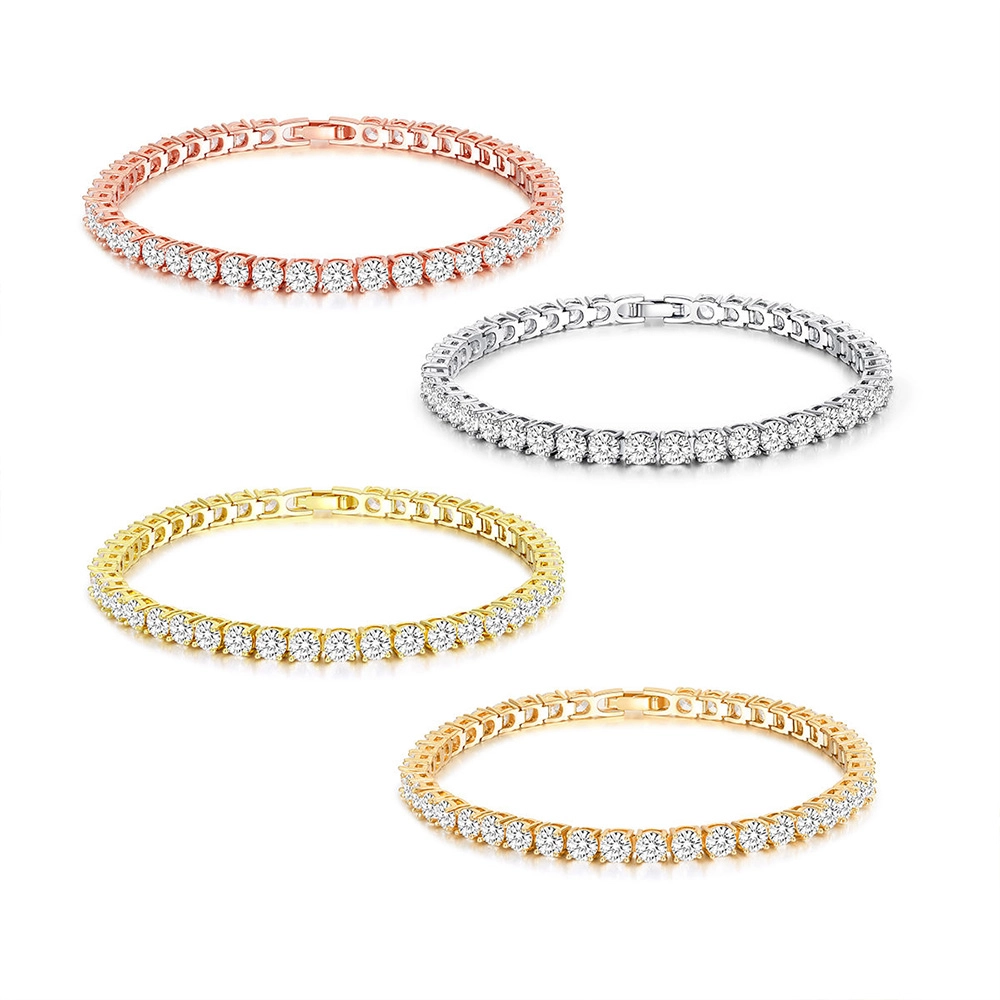
Customizable OEM ODM High-Quality Fashion Brass AAA Cubic Zirconia Classic Tennis Bracelet for Women Wholesale.
Read More
Get a Quote for Private Label Jewelry
We provide personalized jewelry customization services for clients worldwide.
Rest assured that your privacy is important to us, and all information provided will be handled with the utmost confidentiality.
By clicking 'Send Inquiry Now' I agree to ZHEFAN JEWELRY processing my personal data.
To see how to withdraw your consent, how to control your personal data and how we process it, please see our Privacy Policy and Terms of use.
From design to production, ZHEFAN JEWELRY offers a one-stop solution to help you enhance your brand value and market competitiveness.
Get A Quote
Contact
Tel: (+86) 188 1927 7817
© 2026 Zhefan Jewelry. All Rights Reserved.
Facebook
Instagram
YouTube
Whatsapp: +8618819277817