







Email: sales3@zhefanjewelry.com
Wholesale Pearl Jewelry Packaging Options for Retail and E-Commerce Brands
Compare wholesale packaging for pearl jewelry across retail presentation, e-commerce protection, material compatibility, sustainability claims, and procurement requirements. Learn how to choose boxes, pouches, cards, inserts, and shipping cartons that protect pearls, support brand consistency, and work across product lines.
- Packaging formats for pearl jewelry retail and online orders
- Rigid boxes for gifting and High Quality presentation
- Folding cartons, pouches, and jewelry cards
- Protective inserts and outer shipping packaging
- How buyers can compare wholesale packaging specifications
- Compare packaging formats by use case
- Confirm materials, tolerances, and quality controls
- Assess sustainability claims and documentation
- Building a packaging program around a jewelry collection
- Match the specification to product materials and dimensions
- Plan volumes, customization, and replenishment
- Coordinate supplier capability with the wider product range
- Frequently Asked Questions
Wholesale pearl jewelry packaging should balance three jobs: protect delicate pearls and metal settings, present the product in a way that supports the brand, and withstand the distribution route from supplier to retail counter or customer doorstep. Retail and e-commerce buyers can evaluate rigid boxes, folding cartons, pouches, jewelry cards, protective inserts, and outer mailers by comparing transit protection, display value, storage efficiency, customization, and total landed cost. The best packaging specification considers pearl care, jewelry dimensions, order volumes, shipping workflows, and substantiated sustainability claims—not appearance alone. A coordinated packaging plan also helps brands manage product lines that include pearl jewelry, brass jewelry, sterling silver, 925 silver, and gold vermeil.
Packaging formats for pearl jewelry retail and online orders
Pearls are organic gems with a surface that can be scratched or affected by contact with cosmetics, perfumes, and other materials. Packaging decisions should therefore account for separation, clean contact surfaces, secure positioning, and the conditions in which products will be stored and shipped. The right configuration depends on the piece: a pair of stud earrings needs different retention from a long strand, a pendant, or a multi-piece gift set.
Rigid boxes for gifting and High Quality presentation
Rigid boxes provide a defined presentation space and can support a High Quality unboxing experience in stores and online orders. A fitted insert helps prevent earrings, pendants, and bracelets from shifting, while a lid can protect the item from incidental contact during handling. Buyers should check that insert slots are sized for the actual jewelry dimensions and that the lining does not shed fibers or leave residue. For pearl strands, the insert should support the piece without forcing a tight bend or placing tension on the clasp.
These boxes generally take more warehouse space than flat packaging and may add weight and dimensional volume to parcels. Before selecting a rigid format for every SKU, compare the cost of the box, insert, assembly, storage, and shipping impact. A smaller box sized to the product often reduces excess material while retaining a considered presentation.
Folding cartons, pouches, and jewelry cards
Folding cartons can offer a brandable outer package with more efficient storage than assembled rigid boxes. They are useful when a business needs a consistent visual system across collections, provided that the jewelry is secured inside with a suitable insert or pouch. A carton on its own is not a substitute for product retention: loose jewelry can move, tangle, or rub against another item during transport.
Soft pouches are compact and convenient for point-of-sale packaging, travel, and secondary protection. They are not inherently impact-resistant, so online orders typically need an additional protective layer. Jewelry cards are practical for earrings and certain lightweight necklaces, particularly for retail display, but card stock, hole placement, and attachment points should be tested with the finished piece. For pearls, use a clean, smooth contact surface and avoid a configuration that presses the pearl against metal findings.
Protective inserts and outer shipping packaging
Inserts control movement inside a presentation box; outer packaging protects the packed order from the broader handling environment. E-commerce operations may combine an individual jewelry box or pouch with cushioning, a mailer or shipping carton, and appropriate closure. The configuration should be tested as a complete pack rather than assessed by looking at the jewelry box alone. Typical checks include whether the item shifts, whether clasps snag, whether the box opens under routine handling, and whether the finished parcel can move through the company’s fulfillment process.
Handling marks and packaging instructions should be clear when they are needed by the distribution chain. ISO 780 covers graphical symbols for handling and storage of packages, but symbols do not replace a fit-for-purpose package or careful fulfillment procedures. Retail brands should also confirm parcel requirements with their chosen carriers and test packaging using representative products, order quantities, and shipping conditions.
How buyers can compare wholesale packaging specifications
Procurement teams should compare packaging against a written specification, not a sample image alone. The specification can define the jewelry types to be packed, interior dimensions, insert material, print method, color references, logo placement, assembly requirements, order quantities, and acceptable tolerances. Including these points in the request for quotation makes supplier responses easier to compare and reduces late changes caused by unclear assumptions.
Compare packaging formats by use case
The following table summarizes common trade-offs. It is a qualitative buying guide rather than a universal performance ranking: actual protection and cost depend on dimensions, materials, construction, supplier pricing, and shipping configuration.
| Packaging format | Common strengths | Procurement considerations | Typical fit |
|---|---|---|---|
| Rigid jewelry box with insert | Structured presentation and dedicated product retention | Confirm insert fit, storage footprint, assembly, and parcel volume | Gift-ready retail and higher-value online orders |
| Folding carton with insert | Flat storage before assembly and flexible printed branding | Check carton strength, closure, insert compatibility, and assembly labor | Scaled collections and brands balancing presentation with storage |
| Soft pouch | Compact format and simple secondary protection | Specify fabric, seams, drawstring or closure, and protection needed in transit | In-store packaging, travel, or use inside an outer protective pack |
| Jewelry display card | Convenient display and compact product presentation | Validate attachment points, card stiffness, and product compatibility | Earrings and selected lightweight necklaces |
| Mailer or shipping carton | Outer layer for order fulfillment and delivery | Test the full pack, closure, void fill, and shipping workflow | E-commerce dispatch and multi-item orders |
Confirm materials, tolerances, and quality controls
Ask suppliers to identify the materials used in the box, lining, insert, pouch, print, and adhesive where relevant. For jewelry that includes pearls and metal components, verify that the interior contact surfaces are clean, stable, and appropriate for the intended storage period. A packaging sample should be assessed with production-equivalent jewelry because a sample insert can fit one pendant correctly yet fail with a larger bail, a different chain length, or a thicker clasp.
Quality checks can cover dimensions, color consistency, print alignment, logo legibility, insert retention, closure function, and visible defects. Buyers should agree on an approval sample and clarify how changes to artwork, material, or construction are authorized. For repeat orders, retain approved references and define inspection criteria before production begins. These measures help reduce avoidable rework, mixed presentation across batches, and delays during product launches.
Assess sustainability claims and documentation
Packaging decisions increasingly include material sourcing, recyclability, and waste reduction. These claims should be specific and supported by evidence applicable to the exact packaging component and market. The ISO 18601 packaging and environment framework addresses general requirements for packaging and the environment; it does not mean every package carrying a sustainability message is certified or automatically preferable. Buyers should ask what material the claim covers and what documentation supports it.
When a supplier offers fiber-based packaging, a buyer may request relevant sourcing or chain-of-custody documentation. FSC chain-of-custody certification is a system for tracking certified material through the supply chain, but the buyer should verify that the claim applies to the specific product and transaction. In the United States, the FTC Green Guides provide guidance on environmental marketing claims. Requirements differ across markets, so legal and regulatory review may be appropriate for packaging sold internationally.
Building a packaging program around a jewelry collection
Packaging should be planned as part of the product and fulfillment system. A collection may contain different jewelry materials, shapes, price points, and sales channels, so a single box specification may not suit every item. At the same time, too many package formats can increase purchasing complexity, inventory carrying costs, and the risk of fulfillment errors. A structured assortment usually starts with a small number of packaging families and defines which products fit each one.
Match the specification to product materials and dimensions
Material compatibility matters because a brand’s range may include pearls alongside brass jewelry, 925 silver jewelry, sterling silver jewelry, and gold vermeil jewelry. These products may use different finishes, chain structures, stones, and findings, and they do not always require identical retention. A shared exterior design can help create a consistent brand identity, while product-specific inserts or protective components address differences in size and shape.
For pearl pieces, avoid packaging layouts that allow movement against hard edges or other jewelry. For necklaces and bracelets, secure chains in a way that limits tangling without pulling on the clasp. For earrings, check that posts and backs sit securely and do not press into adjacent pieces. Request a sample pack-out using representative items from each product family before committing to a production run.
Plan volumes, customization, and replenishment
Wholesale pricing should be evaluated alongside minimum order quantities, setup charges, tooling or insert costs, lead times, and replenishment conditions. A low unit price may not deliver the best total cost if it requires more storage, extra assembly, or a large initial commitment that exceeds forecast demand. Buyers can ask suppliers to quote comparable configurations at relevant volume tiers and state which elements are fixed versus customizable.
Customization may include exterior color, logo placement, printed messaging, interior branding, and packaging components. Each additional option can affect approval timing and production coordination. Establish artwork file requirements, color references, proofing steps, sample approval responsibilities, and a process for handling revisions. For seasonal launches, align packaging milestones with jewelry sampling and inventory arrival so that packaging does not become a last-minute constraint.
Coordinate supplier capability with the wider product range
For brands sourcing pearl jewelry and related categories, it can be useful to assess whether a supplier’s product offering aligns with the broader collection. Our portfolio includes pearl jewelry, brass jewelry, 925 silver jewelry, sterling silver jewelry, and gold vermeil jewelry. That range can give buyers a practical starting point for coordinating packaging discussions across related product categories, while each item’s dimensions, material, and presentation needs should still be confirmed individually.
Packaging capability should be assessed on evidence rather than general claims. Buyers can request product specifications, representative samples, packaging recommendations, order terms, and documented quality procedures relevant to their project. A qualified pearl jewelry manufacturer or jewelry supplier should be able to clarify what is included in a quotation, identify any assumptions about packaging, and explain how sample approval and production changes are managed. Because company-specific certifications, factory capabilities, and service terms vary, procurement teams should verify those details directly before placing an order.
A disciplined buying process makes packaging easier to scale: define the use case, map each product to a package format, test the full pack-out, approve a reference sample, and document replenishment requirements. This approach supports a more consistent customer experience while helping operations control storage, handling, and avoidable packaging variation.
Contact us to discuss packaging considerations for your jewelry range or view our pearl jewelry and related product collections.
Frequently Asked Questions
What packaging is best for pearl jewelry sold online?
A secure jewelry box or pouch with a suitable insert can help prevent movement, while a protective mailer or shipping carton provides an outer layer for delivery. Test the complete pack using representative jewelry and fulfillment conditions; a presentation box alone is not a shipping solution.
Are jewelry pouches enough to protect pearls during shipping?
Pouches are compact and useful for point-of-sale packaging, travel, or secondary protection, but they are not inherently impact-resistant. Online orders typically need an additional protective layer, and the full package should be tested for movement and handling.
What should buyers include in a wholesale packaging specification?
Define the products to be packed, interior dimensions, insert material, print method, color references, logo placement, assembly requirements, order quantities, and acceptable tolerances. Also clarify sample approval, quality checks, and how production changes are authorized.
How can brands assess sustainability claims on jewelry packaging?
Ask which specific packaging component a claim covers and request supporting documentation. For fiber-based packaging, verify whether sourcing or chain-of-custody documentation applies to the product and transaction, and review the rules relevant to the markets where the packaging will be sold.
Should one packaging format be used for every type of jewelry?
Not necessarily. A shared exterior design can create brand consistency, while product-specific inserts or protective components address differences in size, shape, chains, clasps, and materials. Test representative items from each product family before approving a production run.
How can brands reduce packaging costs without sacrificing presentation?
Compare total cost rather than unit price alone, including minimum quantities, setup charges, storage, assembly labor, and shipping volume. A smaller, correctly sized package or a limited set of packaging families may improve operational efficiency, provided product retention and presentation remain suitable.
Tags
cubic zirconia brass necklaces wholesale
cubic zirconia brass necklaces wholesale
925 sterling silver custom gold vermeil jewelry
925 sterling silver custom gold vermeil jewelry
custom brass earring packaging
custom brass earring packaging
custom urn necklace manufacturer
custom urn necklace manufacturer
silver bracelet supplier fast lead time
silver bracelet supplier fast lead time
women's brass rings
women's brass rings
Recommended for you
Eco-Certifications and Ethical Sourcing for Silver Jewelry Buyers
MOQ Strategies for custom brass jewelry Wholesale
How to Source Nickel-Free Brass Jewelry for Retail Brands
MOQ Guide for Custom Jewelry: What Buyers Need to Know
Product Categories
You may also like
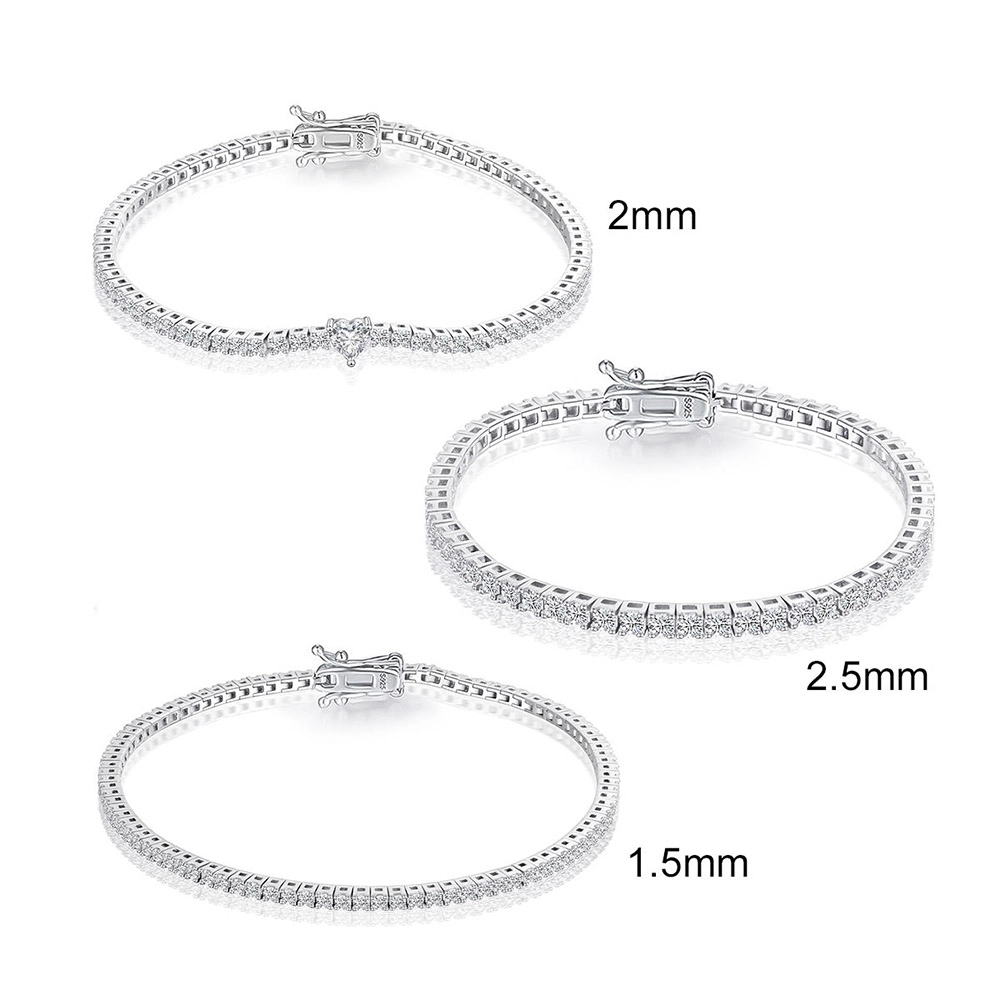
925 Silver Jewelry
Customizable High-Quality Fashion 925 Sterling Silver AAA Cubic Zirconia Heart-Shaped Open Tennis Bracelet.
Read More
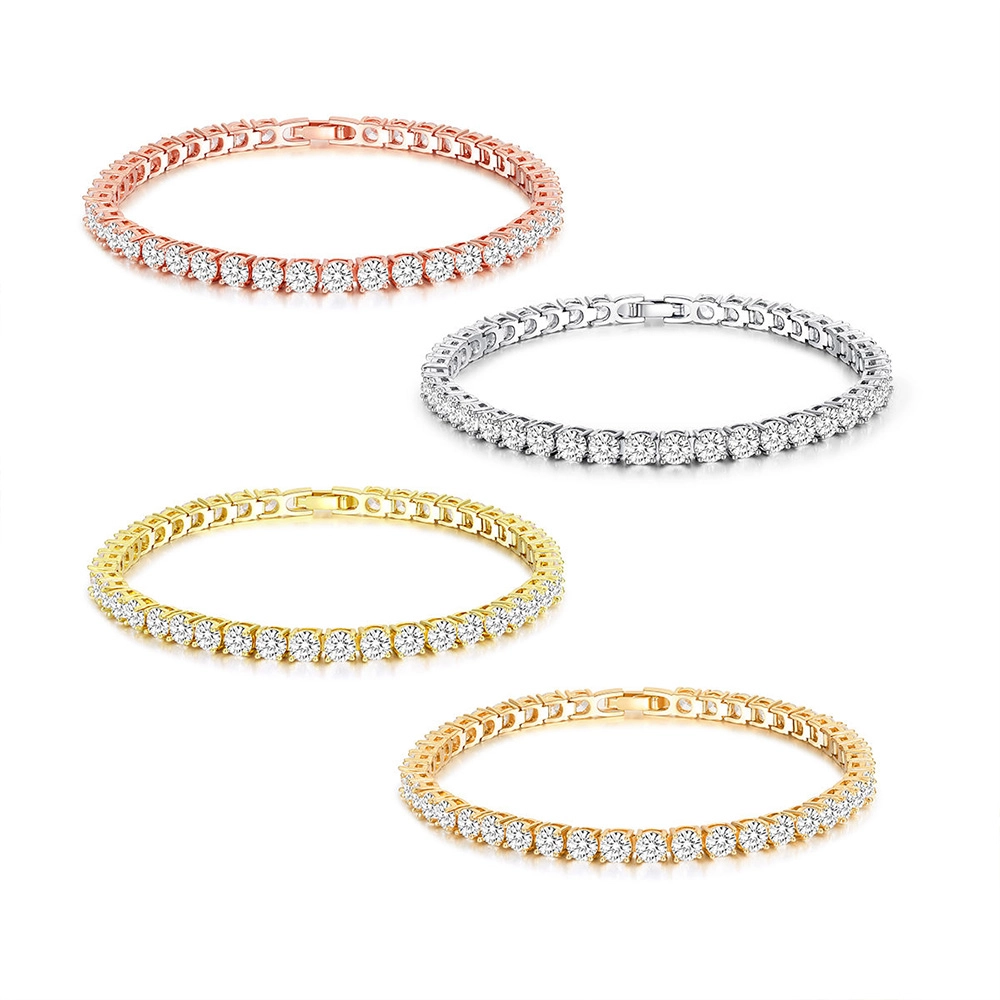
Brass Jewelry
Customizable OEM ODM High-Quality Fashion Brass AAA Cubic Zirconia Classic Tennis Bracelet for Women Wholesale.
Read More
Get a Quote for Private Label Jewelry
We provide personalized jewelry customization services for clients worldwide.
Rest assured that your privacy is important to us, and all information provided will be handled with the utmost confidentiality.
By clicking 'Send Inquiry Now' I agree to ZHEFAN JEWELRY processing my personal data.
To see how to withdraw your consent, how to control your personal data and how we process it, please see our Privacy Policy and Terms of use.
From design to production, ZHEFAN JEWELRY offers a one-stop solution to help you enhance your brand value and market competitiveness.
Get A Quote
Contact
Tel: (+86) 188 1927 7817
© 2026 Zhefan Jewelry. All Rights Reserved.
Facebook
Instagram
YouTube
Whatsapp: +8618819277817