








Email: sales3@zhefanjewelry.com
Beyond Beauty: What Testing Do Wholesale Brass Rings Undergo Before Reaching Your Collection?
Discover the stringent quality control and comprehensive testing processes that wholesale brass rings, like the elegant gold-toned butterfly design, must pass. From material verification and plating durability to hypoallergenic compliance and structural integrity, learn how manufacturers ensure each piece meets high standards for durability, safety, and aesthetic appeal. This deep dive reveals the critical steps that guarantee the reliability and longevity of your wholesale brass jewelry investments, providing peace of mind for both retailers and end-users.
- The Importance of Rigorous Testing for Wholesale Brass Rings
- Material Verification and Composition Analysis
- Ensuring True Brass and Purity
- Plating Durability and Adhesion Testing
- Guaranteeing Long-Lasting Luster
- Corrosion Resistance and Tarnish Prevention
- Maintaining Beauty Through Environmental Exposure
- Hypoallergenic Compliance and Safety Standards
- Prioritizing Consumer Health and Safety
- Structural Integrity and Wear Testing
- Ensuring Strength and Functionality
- Visual Inspection and Finish Quality Control
- The Final Touch: Aesthetic Perfection
- Common Questions About Wholesale Brass Ring Testing
- What makes quality testing so crucial for wholesale brass jewelry?
- What are common issues found in brass rings that haven't undergone proper testing?
- How is plating quality verified on wholesale brass rings?
- Are all wholesale brass rings hypoallergenic?
- What industry standards apply to the testing of brass jewelry?
- How can wholesale buyers ensure they receive properly tested brass rings?
- FAQ
The Importance of Rigorous Testing for Wholesale Brass Rings
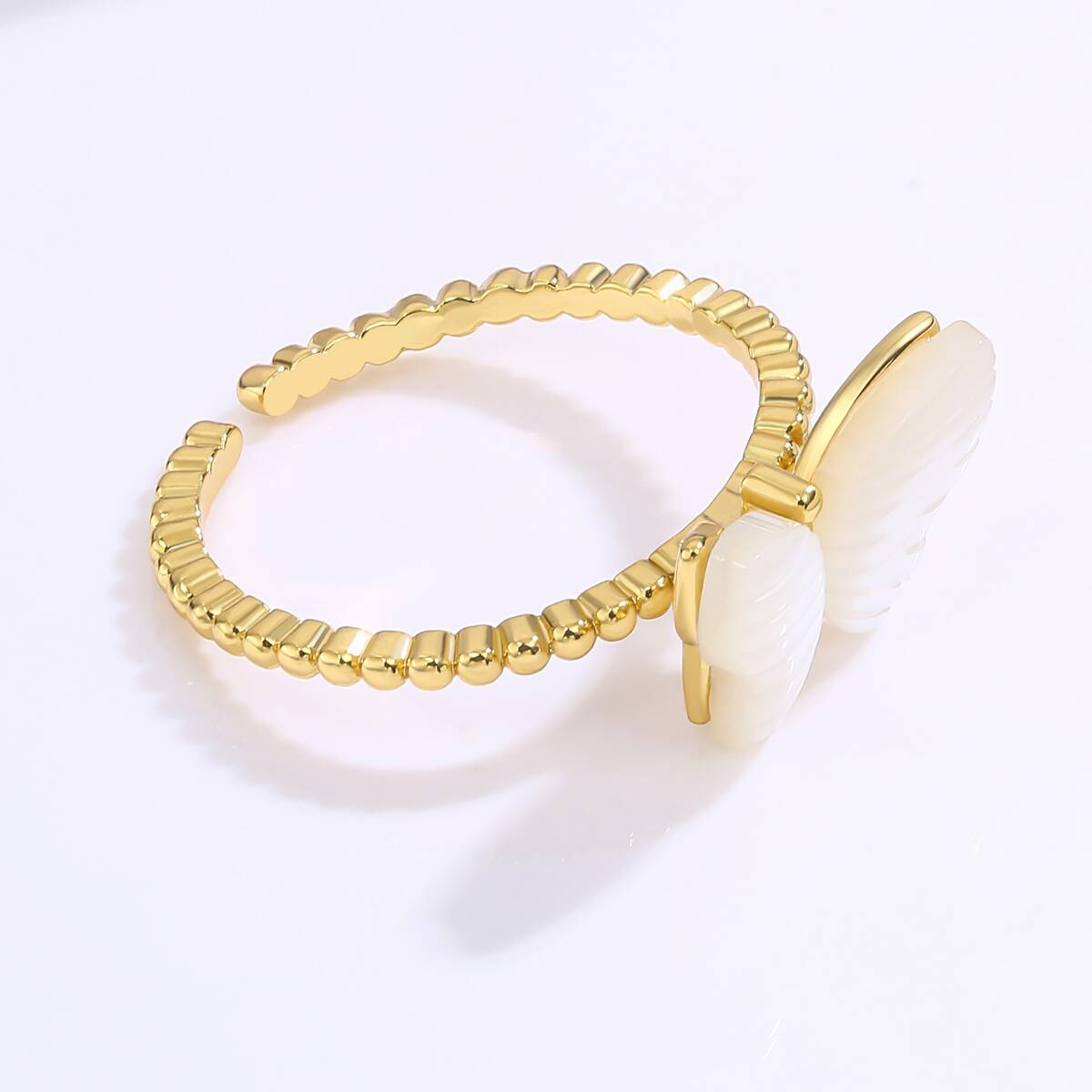
When considering investments in wholesale brass rings, such as the exquisite gold-toned, open-ended design featuring delicate white butterfly wings and a distinctive beaded band shown in the image, it's crucial to understand the extensive testing processes they undergo. While the aesthetic appeal is undeniable, the true value of a wholesale jewelry purchase lies in its quality, durability, and safety. Manufacturers committed to excellence implement a multi-faceted testing regimen to ensure their brass rings not only look beautiful but also stand the test of time and wear.
Material Verification and Composition Analysis
Ensuring True Brass and Purity
The foundational step in the quality assurance process for wholesale brass rings begins with material verification. Suppliers rigorously test incoming brass alloys to confirm their composition, ensuring they meet specified industry standards. This includes confirming the correct proportions of copper and zinc, and screening for impurities that could compromise the material's integrity or cause allergic reactions. For items like the gold-toned ring pictured, understanding the brass base is paramount before any plating is applied. This initial test prevents issues related to brittleness, discoloration, or inconsistent finishing.
Plating Durability and Adhesion Testing
Guaranteeing Long-Lasting Luster
For brass rings that are gold-plated, like the stunning example with its shiny finish, plating quality is a critical concern for wholesale buyers. What testing do wholesale brass rings undergo specifically for plating? These tests assess the thickness of the plating (measured in microns), its adhesion to the brass base, and its resistance to wear and tear. Common methods include X-ray fluorescence (XRF) for thickness measurement and adhesion tests like the tape test or cross-hatch test. Furthermore, accelerated wear tests, where rings are subjected to repeated abrasion, simulate daily use to predict how well the plating will hold up over time. This ensures the luxurious gold finish, which perfectly complements the white butterfly details, remains vibrant.
Corrosion Resistance and Tarnish Prevention
Maintaining Beauty Through Environmental Exposure
Brass naturally tarnishes over time when exposed to air and moisture. To mitigate this, wholesale brass rings undergo specific tests to evaluate their resistance to corrosion and tarnishing. Salt spray tests are a common method, simulating harsh environmental conditions to assess how quickly the material or its protective coating (such as an e-coat or lacquer) will degrade. Humidity chamber tests also play a vital role. These tests are essential for ensuring that products like the decorative open-ended ring maintain their pristine condition, protecting the delicate butterfly design and the intricate beaded band from premature dulling, thus preserving their commercial appeal.
Hypoallergenic Compliance and Safety Standards
Prioritizing Consumer Health and Safety
In today's market, consumer safety is paramount. Therefore, a critical aspect of what testing do wholesale brass rings undergo involves checking for harmful substances. Lead and nickel content tests are particularly important, as these metals are common allergens. Reputable manufacturers ensure their brass jewelry is compliant with international regulations (e.g., REACH, Prop 65) by using advanced analytical techniques to detect trace amounts of these elements. Providing nickel-free and lead-free brass rings is a significant selling point for wholesale collections, offering peace of mind to both retailers and end-users, especially for skin-contact items like the ring shown.
Structural Integrity and Wear Testing
Ensuring Strength and Functionality
Beyond material and plating, the structural integrity of wholesale brass rings is vital. This includes testing the strength of soldered joints, the resilience of adjustable components (for open-ended rings like the one pictured), and the secure setting of any decorative elements like the butterfly wings. Drop tests, bending tests, and repeated adjustment tests (for adjustable rings) are performed to ensure the ring can withstand everyday handling without breaking or deforming. These tests are crucial for guaranteeing that each piece, from the textured band to the delicate embellishment, is robust and fit for purpose.
Visual Inspection and Finish Quality Control
The Final Touch: Aesthetic Perfection
Even after all technical tests, a comprehensive visual inspection is performed on all wholesale brass rings. This final quality control step checks for any surface imperfections, scratches, uneven plating, misaligned components, or inconsistencies in the finish. Every detail, from the uniformity of the beaded texture on the band to the smooth edges of the butterfly wings, is meticulously examined. This ensures that every ring shipped to wholesale buyers meets the highest aesthetic standards, reinforcing the brand's commitment to delivering premium, flawless jewelry pieces.
Common Questions About Wholesale Brass Ring Testing
What makes quality testing so crucial for wholesale brass jewelry?
Quality testing is paramount for wholesale brass jewelry because it ensures consistency, durability, and safety across large batches. Without rigorous testing, wholesalers risk receiving products with defects, poor plating adhesion, or harmful metal content, leading to customer dissatisfaction, returns, and damage to their brand reputation. For items like the delicate brass butterfly ring, consistent quality guarantees that each piece meets consumer expectations.
What are common issues found in brass rings that haven't undergone proper testing?
Untested brass rings often exhibit issues such as rapid tarnishing, peeling or chipping plating, green skin discoloration, allergic reactions due to high nickel or lead content, and structural failures like broken bands or detached embellishments. These flaws can significantly impact resale value and customer trust.
How is plating quality verified on wholesale brass rings?
Plating quality on wholesale brass rings is verified through several methods, including X-ray fluorescence (XRF) for accurate thickness measurement, adhesion tests (like tape or cross-hatch tests) to check bonding strength, and accelerated wear tests (e.g., Taber abrasion test) to simulate long-term use and assess resistance to rubbing and scratching. These tests confirm the longevity and integrity of the gold-toned finish.
Are all wholesale brass rings hypoallergenic?
No, not all wholesale brass rings are inherently hypoallergenic. While brass itself is generally considered less allergenic than some other base metals, the presence of nickel (a common allergen) in some brass alloys or in plating can cause reactions. Reputable manufacturers ensure their brass rings are lead and nickel-free through specific testing to meet hypoallergenic standards, which is vital for consumer safety.
What industry standards apply to the testing of brass jewelry?
Various international and regional standards apply to brass jewelry testing, including ASTM standards for material composition, ISO standards for quality management systems, and specific regulations like the EU's REACH (Registration, Evaluation, Authorisation and Restriction of Chemicals) and California's Proposition 65 for heavy metal content. Adherence to these standards demonstrates a commitment to quality and safety.
How can wholesale buyers ensure they receive properly tested brass rings?
Wholesale buyers can ensure they receive properly tested brass rings by partnering with reputable manufacturers or suppliers who provide transparent documentation of their quality control processes, including testing certificates. Requesting samples for independent testing, inquiring about their specific testing protocols (e.g., salt spray, XRF for plating), and checking for compliance with relevant safety standards are also crucial steps.
FAQ
What makes quality testing so crucial for wholesale brass jewelry?
Quality testing is paramount for wholesale brass jewelry because it ensures consistency, durability, and safety across large batches. Without rigorous testing, wholesalers risk receiving products with defects, poor plating adhesion, or harmful metal content, leading to customer dissatisfaction, returns, and damage to their brand reputation. For items like the delicate brass butterfly ring, consistent quality guarantees that each piece meets consumer expectations.
What are common issues found in brass rings that haven't undergone proper testing?
Untested brass rings often exhibit issues such as rapid tarnishing, peeling or chipping plating, green skin discoloration, allergic reactions due to high nickel or lead content, and structural failures like broken bands or detached embellishments. These flaws can significantly impact resale value and customer trust.
How is plating quality verified on wholesale brass rings?
Plating quality on wholesale brass rings is verified through several methods, including X-ray fluorescence (XRF) for accurate thickness measurement, adhesion tests (like tape or cross-hatch tests) to check bonding strength, and accelerated wear tests (e.g., Taber abrasion test) to simulate long-term use and assess resistance to rubbing and scratching. These tests confirm the longevity and integrity of the gold-toned finish.
Are all wholesale brass rings hypoallergenic?
No, not all wholesale brass rings are inherently hypoallergenic. While brass itself is generally considered less allergenic than some other base metals, the presence of nickel (a common allergen) in some brass alloys or in plating can cause reactions. Reputable manufacturers ensure their brass rings are lead and nickel-free through specific testing to meet hypoallergenic standards, which is vital for consumer safety.
What industry standards apply to the testing of brass jewelry?
Various international and regional standards apply to brass jewelry testing, including ASTM standards for material composition, ISO standards for quality management systems, and specific regulations like the EU's REACH (Registration, Evaluation, Authorisation and Restriction of Chemicals) and California's Proposition 65 for heavy metal content. Adherence to these standards demonstrates a commitment to quality and safety.
How can wholesale buyers ensure they receive properly tested brass rings?
Wholesale buyers can ensure they receive properly tested brass rings by partnering with reputable manufacturers or suppliers who provide transparent documentation of their quality control processes, including testing certificates. Requesting samples for independent testing, inquiring about their specific testing protocols (e.g., salt spray, XRF for plating), and checking for compliance with relevant safety standards are also crucial steps.
Tags
brass stud earring
brass stud earring
brass tennis bracelet packaging customization
brass tennis bracelet packaging customization
hypoallergenic 925 silver tennis bracelet
hypoallergenic 925 silver tennis bracelet
brass tennis bracelet bulk order samples
brass tennis bracelet bulk order samples
wholesale brass tennis bracelet
wholesale brass tennis bracelet
925 silver bracelets
925 silver bracelets
Recommended for you
Supplier Checklist: Quality Standards for 925 Sterling Silver Earrings
Care & Maintenance: Keep 925 Sterling Silver Earrings Shiny
Case Study: Successful Retail Launch with a Tennis Maker
The Ultimate 2026 Blueprint: 15 Secrets to Scaling Your Boutique with Wholesale 925 Silver Necklaces
Product Categories
You may also like
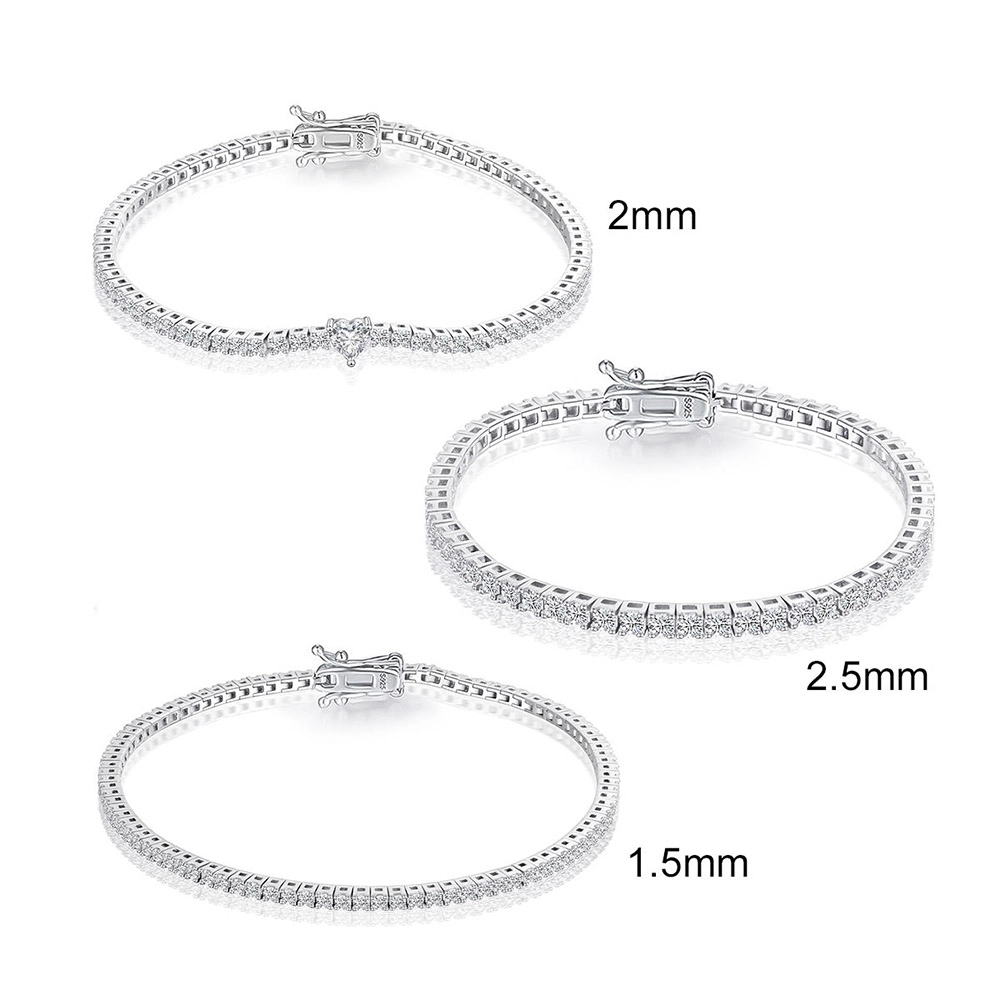
925 Silver Jewelry
Customizable High-Quality Fashion 925 Sterling Silver AAA Cubic Zirconia Heart-Shaped Open Tennis Bracelet.
Read More
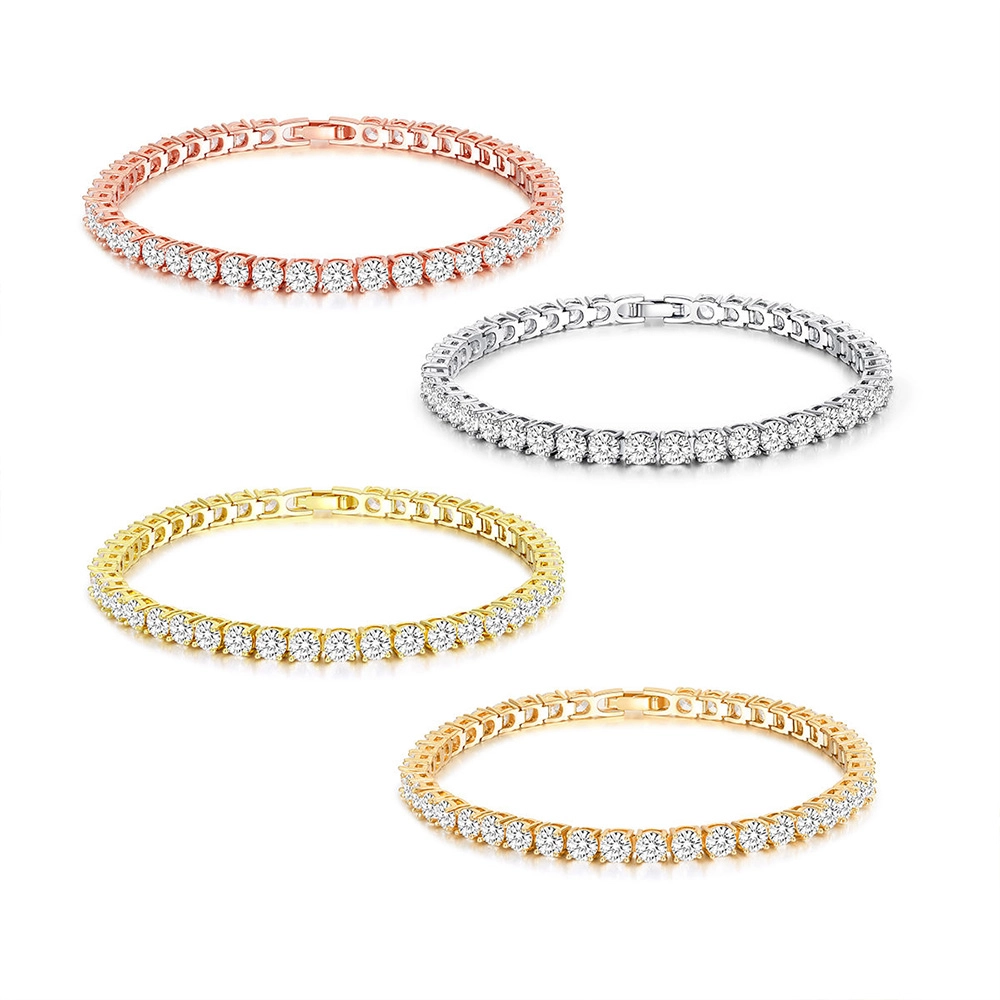
Brass Jewelry
Customizable OEM ODM High-Quality Fashion Brass AAA Cubic Zirconia Classic Tennis Bracelet for Women Wholesale.
Read More
Get a Quote for Private Label Jewelry
We provide personalized jewelry customization services for clients worldwide.
Rest assured that your privacy is important to us, and all information provided will be handled with the utmost confidentiality.
By clicking 'Send Inquiry Now' I agree to ZHEFAN JEWELRY processing my personal data.
To see how to withdraw your consent, how to control your personal data and how we process it, please see our Privacy Policy and Terms of use.
From design to production, ZHEFAN JEWELRY offers a one-stop solution to help you enhance your brand value and market competitiveness.
Get A Quote
Contact
Tel: (+86) 188 1927 7817
© 2026 Zhefan Jewelry. All Rights Reserved.
Facebook
Instagram
YouTube
Whatsapp: +8618819277817