





Email: sales3@zhefanjewelry.com
How to Find and Vet a Reliable Wholesale Custom Jewelry Manufacturer
Finding a dependable jewelry production partner requires more than comparing unit prices. Buyers should verify manufacturing capabilities, material traceability, quality controls, sample performance, production capacity, communication, and commercial terms before placing a wholesale order. This guide provides a practical vetting process for custom brass, sterling silver, gold vermeil, and pearl jewelry, with evidence buyers can request at each stage.
- How to Evaluate a Custom Jewelry Production Partner
- Start with a precise product brief
- Separate design capability from production capability
- Check business legitimacy and communication practices
- Verify Materials, Quality Systems, and Compliance Evidence
- Match documents to the exact product and market
- Agree on inspection criteria before production
- Use an evidence-based comparison
- Assess Commercial Reliability and Protect the Production Order
- Compare the full cost, not just the unit quote
- Test capacity and delivery planning
- Use a structured onboarding decision
- Building a Productive Partnership Across Jewelry Categories
- Match the production approach to the material
- What to look for in our product offering
- Frequently Asked Questions
A reliable wholesale custom jewelry manufacturer should be able to demonstrate that its materials, production methods, quality controls, and commercial processes match a buyer’s product requirements—not simply provide an attractive quotation. Brand owners and distributors can reduce sourcing risk by defining specifications, checking verifiable evidence, testing a pre-production sample, and documenting acceptance criteria before bulk production. The process below explains how to assess custom jewelry suppliers for brass, 925 sterling silver, gold vermeil, and pearl designs, compare the evidence they provide, and build a supplier relationship that supports repeatable quality and predictable delivery.
How to Evaluate a Custom Jewelry Production Partner
Start with a precise product brief
Supplier vetting is more effective when every candidate receives the same structured brief. Describe the product category, target customer, intended retail price, order quantity, launch date, and sales market. Include drawings or reference images, dimensions, tolerances, finish, color, closure type, packaging, and any applicable safety or labeling requirements. For a custom necklace, for example, specify chain length, pendant dimensions, clasp construction, surface finish, and whether the design includes gemstones or pearls. A clear brief helps distinguish a factory capable of engineering the product from a trading intermediary that can only quote a general category.
Material descriptions need particular care. “Gold jewelry” can refer to solid gold, gold-filled construction, electroplating, or gold vermeil, each with different composition and customer expectations. Define the base metal, plating material, plating thickness where relevant, and the required method for verifying those specifications. For sterling silver, state the required alloy and any applicable stamp or disclosure expectations for the destination market. For brass pieces, clarify the alloy or approved material specification, finish, and any restrictions on lead, cadmium, or nickel release. Do not assume that a product name alone is an adequate manufacturing specification.
Separate design capability from production capability
Ask how the supplier moves a design from concept to production. Relevant capabilities may include CAD modeling, wax or resin prototyping, mold making, casting, stamping, soldering, stone setting, polishing, plating, assembly, and packaging. Not every supplier needs to perform every operation in-house, but the supplier should explain which steps are internal, which are subcontracted, and who is accountable for final inspection. A transparent process map makes it easier to identify handoff risks, lead-time dependencies, and potential variation between prototype and production.
Request examples of comparable work, not just a broad catalog. A supplier experienced in delicate pearl settings may not have the same strengths in complex cast forms or high-volume chain assembly. Ask how it handles thin sections, sharp edges, stone security, solder joints, plating consistency, and dimensional tolerances on products similar to the proposed design. Buyers should also establish who owns CAD files, molds, and tooling, whether those assets are exclusive, and what happens to them if the relationship ends.
Check business legitimacy and communication practices
Confirm the legal business name, operating address, invoicing entity, and the party responsible for manufacturing. Where appropriate, compare business registration details with the supplier’s quotation, contract, and payment instructions. A discrepancy is not automatically evidence of misconduct, but it should be resolved in writing before funds are transferred. Ask for trade references or relevant customer examples when available, while respecting confidentiality requirements.
Evaluate communication as an operational capability. Reliable production requires timely answers about specification changes, sample revisions, material substitutions, quality deviations, and shipment readiness. Agree on a named project contact, response expectations, approval checkpoints, and a process for escalating problems. A supplier that communicates clearly during sampling is more likely to support controlled decisions during bulk production than one that leaves open questions unresolved until a deadline is at risk.
Verify Materials, Quality Systems, and Compliance Evidence
Match documents to the exact product and market
Request material declarations and test evidence that identify the relevant product, material, finish, or production lot. A generic certificate may describe a facility or material family without proving that the specific jewelry item meets the buyer’s requirements. Confirm the document issuer, date, sample identification, test method, and scope. If a supplier claims a product is compliant, ask which requirement applies in the destination market and what evidence supports that claim.
For jewelry sold in the United States, the FTC Jewelry Guides explain how certain precious-metal, gemstone, and related product claims should be represented. The European Union restricts nickel release for certain items intended for direct and prolonged skin contact under the REACH framework; buyers can consult the relevant REACH regulation and verify which requirements apply to their products. The applicable obligations depend on product design, market, and claims, so buyers should confirm requirements with qualified compliance professionals rather than relying on a supplier’s general assurance.
When a supplier presents a quality management certificate, check that the certificate is current, issued to the correct legal entity, and covers the relevant site and scope. ISO 9001 specifies requirements for a quality management system; certification can provide evidence of a documented management framework, but it does not certify that every jewelry item is defect-free or automatically compliant with a particular market’s product regulations. Responsible sourcing claims should also be examined carefully. The Responsible Jewellery Council’s standards describe responsible business practices for organizations within their defined scope; a buyer should verify the entity, certification status, and applicable standard rather than treating a logo or unsupported statement as proof.
Agree on inspection criteria before production
Define what acceptance means before approving a purchase order. Criteria can cover dimensions, weight range, color, finish, plating coverage, stone alignment, pearl matching, clasp function, solder quality, sharp edges, surface defects, and packaging. Use reference samples, annotated drawings, or visual standards where words such as “High Quality,” “smooth,” and “consistent” could be interpreted differently. Specify which defects are critical, major, or minor and what remedy applies when a lot fails inspection.
Sampling and inspection serve different purposes. A development sample confirms design interpretation and practical manufacturability. A pre-production sample confirms the approved materials, finish, and construction before the run begins. In-process checks can catch recurring issues while correction is still possible, while final inspection evaluates the finished lot against agreed criteria. For higher-risk or larger orders, buyers may use an independent inspection provider, but the inspection scope, sampling plan, and acceptance thresholds should be agreed in advance. An inspection report is only useful when it tests the characteristics that matter to the product and buyer.
Use an evidence-based comparison
The following comparison separates common forms of supplier evidence from what they can reasonably establish. No single document replaces product-specific verification, and the correct evidence depends on the material, construction, sales market, and risk profile.
| Evidence or check | What it can help establish | What it does not establish by itself | Buyer follow-up |
|---|---|---|---|
| Quality management certificate | A management system has been assessed against the certificate’s stated standard, scope, and site. | That a specific jewelry item is defect-free or meets every legal requirement. | Verify issuer, validity, legal entity, site, and scope; confirm product controls separately. |
| Material test report | Results for the identified sample under the stated test method and conditions. | That all products or later production lots have identical composition or performance. | Check sample identity, method, laboratory details, date, and relevance to the order. |
| Approved pre-production sample | The agreed design interpretation, construction, and finish at the sample stage. | That bulk output will match without production controls and inspection. | Sign and retain the reference; document tolerances and approved changes. |
| Factory or third-party inspection | Observed conditions or sampled product results within the inspection’s defined scope. | That uninspected units are identical or that undisclosed risks are absent. | Set inspection timing, sampling, defect definitions, and pass/fail rules in advance. |
Assess Commercial Reliability and Protect the Production Order
Compare the full cost, not just the unit quote
A low per-piece price may exclude tooling, sample development, packaging, testing, freight preparation, or the cost of rework. Request an itemized quotation that states currency, minimum order quantity, unit price by volume tier, sample fees, tooling charges, payment milestones, lead time, shipping terms, and quotation validity. Clarify whether the quoted price covers the approved specification and packaging. Compare offers on the same assumptions so that a cheaper proposal is not simply omitting a required operation or material.
Examine payment terms in relation to project risk and supplier history. Confirm the contracting entity, payment beneficiary, deposit conditions, balance trigger, and treatment of rejected or delayed goods in the purchase agreement. Avoid sending payment to an unrelated account without documented verification. For new suppliers, staged approvals and written production milestones can help limit exposure while preserving a workable commercial relationship.
Test capacity and delivery planning
Ask how the supplier plans to meet the required quantity and delivery window, including material procurement, component availability, subcontracted processes, and quality inspection. A quoted lead time should identify when the clock starts—for example, after deposit, final artwork approval, or material confirmation—and whether it includes sampling, revisions, and packaging. Discuss peak-season capacity and the procedure for communicating delays. Buyers should also understand whether rush production changes cost, inspection coverage, or available finishing options.
For repeat orders, establish how specifications and approved changes are controlled. Request a revision history or version-controlled specification so that a new batch does not unintentionally use an outdated drawing, plating requirement, or packaging instruction. Define who may authorize substitutions and require written approval before changes to materials, components, production location, or processes. These controls reduce the chance that a replacement input creates an unexpected color, durability, or compliance difference.
Use a structured onboarding decision
A practical supplier scorecard can rate technical fit, material evidence, sample quality, quality controls, communication, capacity, commercial transparency, and risk management. Weight the categories according to the project. A launch-critical collection may place greater emphasis on delivery planning and sample accuracy, while a skin-contact product may require stronger material verification and market-specific compliance review. Record the evidence behind each rating rather than relying on a general impression.
Start with a manageable pilot order when the supplier is new or the design has significant technical uncertainty. Review actual delivery performance, defect patterns, corrective action, and responsiveness before increasing order volumes. A useful corrective-action process identifies the issue, containment steps, root cause, corrective measures, owner, and verification method. Buyers should judge not only whether a supplier makes a mistake, but whether it identifies the cause and prevents recurrence.
Building a Productive Partnership Across Jewelry Categories
Match the production approach to the material
Material and construction choices influence appearance, cost, weight, wear, and production risk. Brass jewelry can support varied forms and finishes, but the specification should identify the base material and surface treatment rather than relying on a broad color description. For 925 silver jewelry and sterling silver jewelry, buyers should document alloy expectations, construction details, finish, and any required marking or disclosure. Gold vermeil jewelry requires clear agreement on the silver base and gold finish specifications, including how those details will be verified. Pearl jewelry requires attention to pearl type, dimensions, matching, drilling, setting, and protection during finishing and packing.
These categories are not interchangeable from a production-control perspective. A polished sample may look acceptable under one lighting condition but reveal uneven color or surface marks under another. Pearl matching may require agreed tolerances for shape, luster, and color, while a metal design may depend on precise casting, soldering, or plating coverage. Buyers can prevent avoidable disputes by converting visual preferences into agreed samples, measurements, photographs, and inspection criteria before bulk manufacture.
What to look for in our product offering
Our product offering spans brass jewelry, 925 silver jewelry, sterling silver jewelry, gold vermeil jewelry, and pearl jewelry. Buyers can use the same disciplined qualification process across these categories: specify the intended construction, confirm what materials and finishes are proposed, review samples against documented requirements, and agree on quality checks before ordering. Product category breadth can support assortment planning, but it should not replace project-specific confirmation of manufacturing scope, capacity, compliance evidence, or lead time.
For a sourcing conversation, provide the intended design, target quantity, required delivery date, sales markets, and material or finish expectations. This gives our team a practical basis for discussing product fit, sample requirements, and the information needed to assess a project. Any claims about certifications, testing, production capacity, or timelines should be confirmed for the specific order and documented in the quotation or related project records. That approach keeps supplier evaluation grounded in verifiable details while allowing buyers to compare options on a consistent basis.
Reliable sourcing is ultimately a repeatable decision process: define the product, verify the evidence, approve the sample, document acceptance criteria, and monitor performance. Buyers who keep these controls in the purchase file create a clearer basis for resolving quality issues and scaling successful designs. A supplier relationship built on accurate specifications and open communication can support more consistent launches, fewer avoidable revisions, and better control over total procurement cost.
Contact our team to discuss your custom jewelry requirements or explore our brass, sterling silver, gold vermeil, and pearl jewelry offerings.
Frequently Asked Questions
What should buyers check before choosing a custom jewelry manufacturer?
Check the supplier’s legal business details, relevant production capabilities, material evidence, quality controls, sample performance, communication practices, production capacity, and commercial terms. Request evidence that relates to the specific product and sales market rather than relying on general assurances.
How can a buyer verify the materials used in a jewelry order?
Request material declarations and test evidence that identify the product or relevant production lot, sample, test method, issuer, and date. Confirm that the evidence addresses the required alloy, finish, or market-specific restriction, and do not assume a generic certificate proves every item in a later production run.
Is an ISO 9001 certificate enough to prove jewelry quality?
No. ISO 9001 specifies requirements for a quality management system, but a certificate does not establish that every jewelry item is defect-free or compliant with every product regulation. Buyers should verify the certificate’s scope and site, then separately assess product specifications, samples, testing, and inspection results.
What is the difference between a development sample and a pre-production sample?
A development sample helps confirm design interpretation and manufacturability. A pre-production sample confirms the approved materials, finish, and construction before bulk production begins. Buyers should retain the approved reference and document tolerances and authorized changes.
How can buyers compare jewelry supplier quotations fairly?
Request itemized quotations with the same assumptions for materials, specification, quantity, tooling, sample fees, packaging, testing, lead time, shipping terms, payment milestones, and quotation validity. Compare the full project cost rather than unit price alone.
Should a new jewelry supplier receive a large first order?
A manageable pilot order can help buyers evaluate delivery performance, defect patterns, corrective action, and communication before increasing volumes. The right order size depends on project risk, product complexity, and the buyer’s ability to inspect and manage the production.
Tags
fashion bracelet manufacturers
fashion bracelet manufacturers
mother of pearl heart pendant with pearl accent
mother of pearl heart pendant with pearl accent
925 sterling silver jewelry sets packaging options
925 sterling silver jewelry sets packaging options
925 silver cuff bracelet manufacturer
925 silver cuff bracelet manufacturer
custom 925 sterling silver earrings
custom 925 sterling silver earrings
mother of pearl heart locket
mother of pearl heart locket
Recommended for you
Anti-Tarnish Treatments and Coatings for 925 Sterling Silver Tennis Bracelet: What Buyers Should Know
Seasonal Buying Strategies: When to Purchase 925 Sterling Silver Tennis Bracelet for Best Margins
OEM/ODM 925 sterling silver necklace Manufacturers and Suppliers
How Private Label Jewelry Manufacturers Help Build a Distinctive Jewelry Brand
Product Categories
You may also like
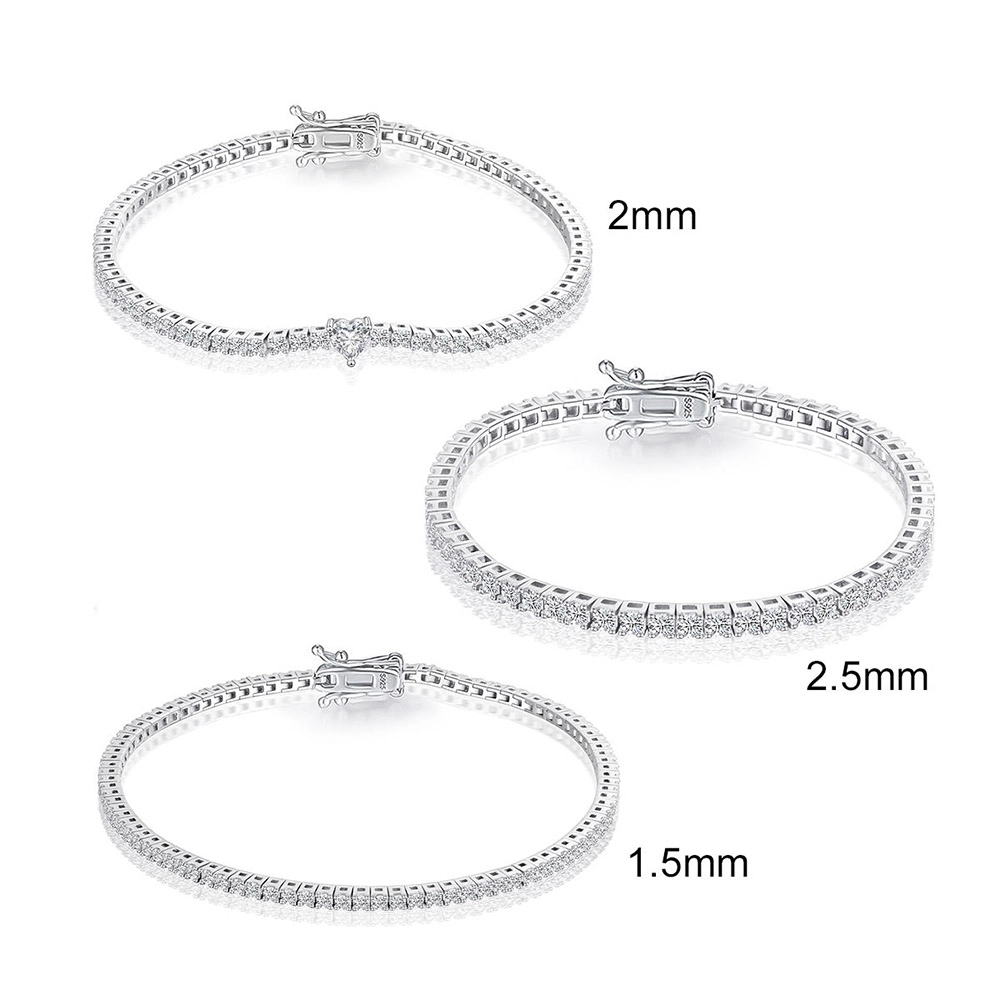
925 Silver Jewelry
Customizable High-Quality Fashion 925 Sterling Silver AAA Cubic Zirconia Heart-Shaped Open Tennis Bracelet.
Read More
Brass Jewelry
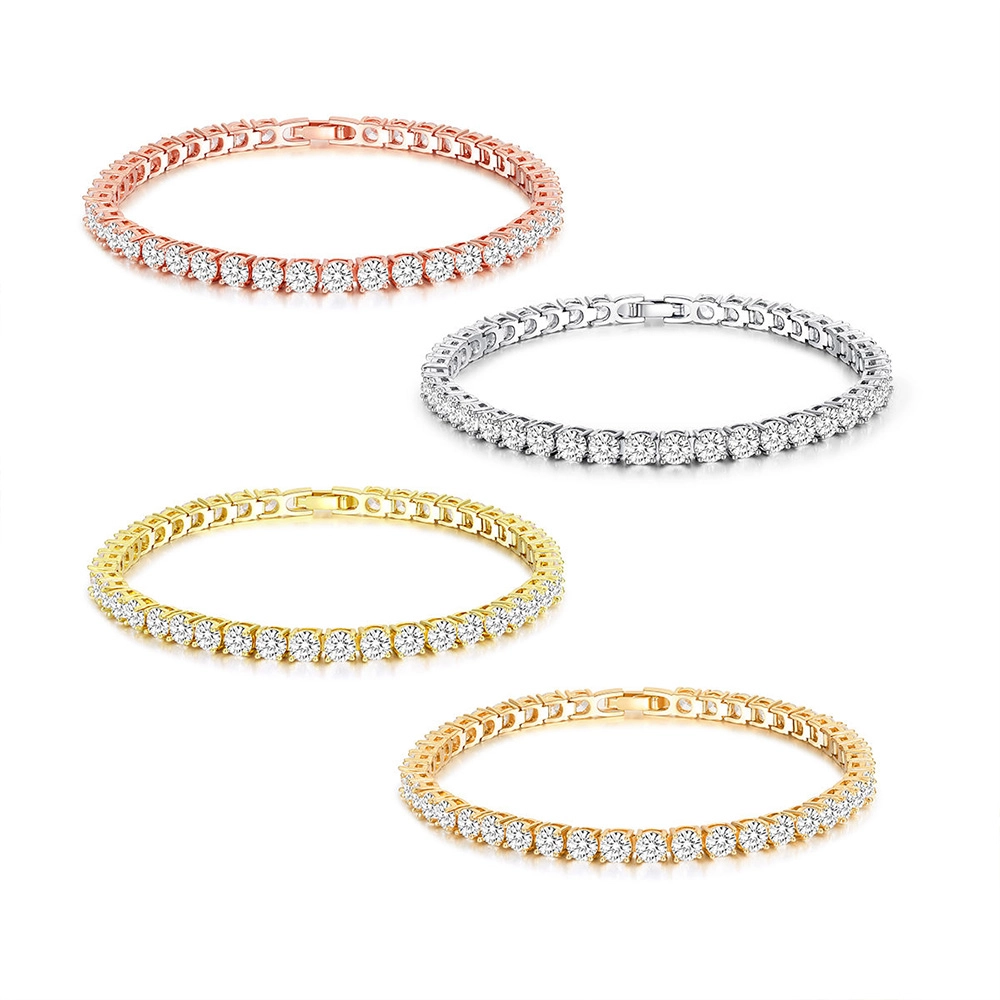
Customizable OEM ODM High-Quality Fashion Brass AAA Cubic Zirconia Classic Tennis Bracelet for Women Wholesale.
Read More
Get a Quote for Private Label Jewelry
We provide personalized jewelry customization services for clients worldwide.
Rest assured that your privacy is important to us, and all information provided will be handled with the utmost confidentiality.
By clicking 'Send Inquiry Now' I agree to ZHEFAN JEWELRY processing my personal data.
To see how to withdraw your consent, how to control your personal data and how we process it, please see our Privacy Policy and Terms of use.
From design to production, ZHEFAN JEWELRY offers a one-stop solution to help you enhance your brand value and market competitiveness.
Get A Quote
Contact
Tel: (+86) 188 1927 7817
© 2026 Zhefan Jewelry. All Rights Reserved.
Facebook
Instagram
YouTube
Whatsapp: +8618819277817