







Email: sales3@zhefanjewelry.com
How to Place a Small Trial Order Before Scaling Pearl Jewelry Production
A well-planned trial order helps jewelry brands verify pearl quality, design execution, workmanship, packaging, cost, and supplier communication before committing to larger production. Define measurable acceptance criteria, limit the pilot to representative styles, approve a documented pre-production sample, inspect the finished batch, and use the results to set scale-up conditions. This guide explains how buyers can structure a practical pilot with a pearl jewelry manufacturer and reduce avoidable quality, inventory, and delivery risks.
- Plan a pilot order that answers the right questions
- Set a clear business objective before selecting styles
- Choose a small but representative assortment
- Specify materials and appearance in buyer-friendly terms
- Control sampling, specifications, and order terms
- Approve a reference sample before the pilot run
- Put scope, quality, and delivery expectations in writing
- Confirm how the supplier will manage natural variation
- Evaluate the pilot before placing a larger order
- Inspect against the approved reference, not memory
- Compare the trial stage with scaled production
- Use evidence to set scale-up gates
- Build a product range with a clear sourcing path
- Connect the pearl design to the wider collection
- Assess supplier fit through verifiable evidence
- Prepare the next purchase order from pilot findings
- Frequently Asked Questions
A small pearl jewelry trial order is a controlled way to test a product concept and supplier process before committing to larger quantities. Buyers should define the pilot’s purpose, choose representative designs, agree on pearl and metal specifications, approve a pre-production sample, and document quality acceptance criteria before production begins. After delivery, compare finished pieces with the approved reference, record defects and costs, and decide whether to revise, repeat, or scale the order. This staged approach helps brand owners, distributors, and retailers validate product quality, commercial viability, and communication without treating a small batch as a substitute for proper production controls.
Plan a pilot order that answers the right questions
Set a clear business objective before selecting styles
A trial order should resolve a specific uncertainty, rather than simply produce a few pieces for inspection. A new brand may need to assess customer response to a pearl pendant, while an established retailer may want to compare freshwater pearl grades, test a new clasp, or verify that a supplier can reproduce an approved design. Write down the decision the pilot must support. Examples include whether the selected pearl appearance suits the target price, whether a setting feels secure in wear, and whether the packaging is suitable for the intended sales channel.
Separate product-development questions from supplier-validation questions. Product questions concern design, comfort, styling, and customer appeal. Supplier questions concern sample accuracy, production consistency, lead-time communication, documentation, and the ability to meet agreed specifications. A pilot can examine both, but each needs its own evaluation criteria. Without that distinction, a buyer may wrongly attribute a design issue to manufacturing or overlook a supplier-process problem because the overall product concept is popular.
Choose a small but representative assortment
Keep the initial assortment narrow enough to inspect carefully, but include the features that matter for future production. A pilot might cover a few designs using the intended pearl type, metal, setting method, and finish. If the planned collection includes markedly different construction methods, such as a drilled pearl on a post and a pearl held in a cup setting, a single style may not test both adequately. Select items that expose the most important production variables without introducing unnecessary color, size, and component combinations.
Agree on quantities with the supplier after clarifying its minimum order requirements, component availability, and any setup costs. A small order is not automatically economical if each style requires unique tooling, custom findings, or a separate finishing setup. Ask for a clear breakdown of unit price, sample charges, mold or tooling fees if applicable, packaging costs, shipping, and any charges that change at higher quantities. This makes the pilot useful for comparing the expected economics of a repeat or scaled order, not just the initial invoice.
Specify materials and appearance in buyer-friendly terms
“White pearl” or “high quality” is not a sufficient production specification. Record the pearl type where known, approximate size range, shape, body color, overtone expectations, surface-blemish tolerance, and matching requirements across a pair or set. Pearl quality is assessed through multiple characteristics rather than a single universal grade. The Gemological Institute of America’s pearl quality factors provide useful context for discussing size, shape, color, luster, surface, and matching.
Document the metal and finish separately from the pearl requirements. Specify the base metal, precious-metal standard or plating description, color, and any relevant component details. Avoid assuming that terms such as “gold tone” or “silver” have a precise technical meaning. For applicable U.S. marketing, the FTC Jewelry Guides explain how descriptions of precious-metal content and related claims should be represented. Buyers selling in other markets should check the laws and labeling rules that apply in each destination.
Control sampling, specifications, and order terms
Approve a reference sample before the pilot run
Request a sample that reflects the intended production materials and construction, not merely a visual mock-up. Review the pearl’s appearance in consistent lighting, examine setting alignment, check the back and edges for finish quality, and test closures or moving parts. For earrings, compare the pair for visual matching and wear comfort. For necklaces and bracelets, check length, component orientation, and whether the pearl or setting moves as expected. Record any approved deviations, because natural materials can vary and a photograph alone may not define acceptable variation.
Use a dated specification sheet with annotated photographs, measurements, and approved references. Include what can vary, what cannot vary, and how the parties will resolve borderline pieces. If a design is revised after sample approval, issue a new version rather than relying on a message thread or verbal instruction. Version control prevents a common sourcing failure: the buyer evaluates one sample while production follows an earlier drawing or an ambiguous specification.
Put scope, quality, and delivery expectations in writing
The purchase order or written order confirmation should identify each style, quantity, unit price, material description, approved sample version, packaging, delivery destination, and requested ship date. Add an agreed process for reporting defects, requesting rework, or resolving shortages. Clarify who pays for replacement shipping or corrective work if the batch does not meet the agreed standard. These details are especially important for low-volume orders, where a small number of rejected pieces can materially affect the saleable quantity.
Define inspection points before production starts. Buyers may request a production update, photographs of completed pieces, or a final inspection before shipment, depending on order value and risk. The inspection method should be proportionate: a simple visual and dimensional review may suit a straightforward pilot, while a more complex design may need functional checks and additional documentation. The ISO overview of quality management systems explains the broader process approach to consistent quality; it does not certify any particular supplier or guarantee that an individual order will meet a buyer’s specification.
Confirm how the supplier will manage natural variation
Pearls are organic gems, so identical appearance across every piece should not be assumed. Agree whether the order calls for close matching, a defined range of acceptable differences, or selection from a broader natural variation. For paired earrings and coordinated sets, explain how matching will be judged. Request clear photographs or approval of a representative selection if visual consistency is commercially important. Establishing this expectation at the start helps avoid disputes after delivery, when the buyer and workshop may have different ideas of what constitutes an acceptable match.
Evaluate the pilot before placing a larger order
Inspect against the approved reference, not memory
On receipt, inspect the full order under consistent lighting and compare representative pieces with the approved sample and written specification. Check pearl dimensions and visible characteristics, setting security, symmetry, surface finish, clasp operation, earring alignment, and packaging. Count the received quantity and record any missing, damaged, or nonconforming units. Where practical, photograph findings and connect each observation to the relevant style and order line. A short, consistent inspection record is more useful than a general note that the shipment “looked good.”
Separate critical issues from cosmetic preferences. A loose setting, sharp edge, incorrect material declaration, or nonfunctional clasp may require correction before sale. Minor natural differences may be acceptable if they fall within the agreed range. Classify findings as pass, rework, or reject, and ask the supplier to confirm root causes and corrective actions for repeated defects. This creates a practical feedback loop for the next order and helps buyers determine whether the issue arose from unclear specifications, sample approval, component sourcing, or production execution.
Compare the trial stage with scaled production
A successful pilot is evidence, not a guarantee. Before scaling, confirm whether the larger order will use the same materials, workshop, production route, inspection steps, and packaging. Ask whether a larger batch changes component sourcing, finishing, lead time, or the available pearl selection. If any of these change, the approved pilot may not be fully representative. Consider a second, intermediate order when the first batch is too small to test repeatability or when the design requires a production adjustment.
The comparison below distinguishes what a pilot can establish from what still needs confirmation at higher volume. It is a planning framework rather than a claim that every supplier or order follows identical procedures.
| Decision area | Small trial order can help verify | Before scaling, confirm |
|---|---|---|
| Product specification | Whether the approved design, materials, and appearance can be delivered on a limited run | That the specification remains unchanged and is controlled by version |
| Pearl selection | Whether the agreed appearance and matching expectations are understandable | How selection and natural variation will be handled across a larger batch |
| Workmanship | Setting, finish, alignment, and basic function on the inspected pieces | Whether the inspection process and corrective-action method will continue |
| Commercial terms | Actual pilot charges, packaging needs, and delivery coordination | Revised unit pricing, component availability, production capacity, and lead time |
| Market response | Early feedback from a controlled release or limited customer test | Whether demand supports a larger commitment and a suitable replenishment plan |
Use evidence to set scale-up gates
Define the conditions for moving forward before the pilot arrives. These could include a minimum share of units passing inspection, resolution of critical defects, confirmation of repeatable material sourcing, and customer feedback that supports the planned price point. The appropriate thresholds depend on the product, sales channel, and risk tolerance; they should not be copied mechanically from another buyer’s program. A scale-up decision should also consider cash tied up in inventory, seasonal timing, expected sell-through, and the cost of rework or returns.
After reviewing the results, choose among three practical actions: approve a repeat order, request a corrected sample or revised pilot, or pause the project. If the design changes, repeat the relevant approvals. If the supplier performs well but demand remains uncertain, a staged reorder may preserve flexibility. This disciplined decision process makes the trial an operational checkpoint rather than a ceremonial first purchase.
Build a product range with a clear sourcing path
Connect the pearl design to the wider collection
In the second half of the sourcing process, buyers can assess whether a supplier relationship supports a coherent range rather than a single successful item. Our listed product categories include pearl jewelry, brass jewelry, 925 silver jewelry, sterling silver jewelry, and gold vermeil jewelry. For a brand owner, these categories can support different price points and design directions, but each still requires its own material specification, sample approval, and product-level quality review. A trial in pearl pieces should not be treated as proof that every metal, finish, or construction method is already validated.
When reviewing a broader collection, ask how design files, material descriptions, approved samples, and order revisions will be maintained across styles. Check whether a proposed pearl design coordinates with the intended metal color and findings, and whether the same packaging and labeling approach works across the range. A centralized specification process can make repeat purchasing easier, but it should preserve style-specific requirements rather than flatten meaningful differences between products.
Assess supplier fit through verifiable evidence
Our product range gives buyers a starting point for discussing pearl pieces alongside brass and silver designs, but supplier fit should be established through documentation and order performance. Request relevant product specifications, clear quotations, sample details, and written confirmation of the production scope. Evaluate responsiveness by noting whether questions are answered precisely, changes are acknowledged, and agreed details appear consistently in the sample and order confirmation. These indicators are more useful than broad assurances about quality or capacity.
For pearl products, focus discussions on sourcing options, matching standards, setting construction, and acceptable variation. For precious-metal or plated items, request precise descriptions of the material and finish and ensure that product claims are appropriate for the sales market. A reliable sourcing partner should be able to clarify what is included in the quotation and what remains an assumption. Buyers should retain their own records of approvals and incoming inspections even when the supplier provides quality documentation.
Prepare the next purchase order from pilot findings
Convert the inspection report and sales feedback into a revised order brief. Preserve the successful specifications, identify any required adjustments, and attach the approved sample reference. Update quantity and delivery expectations only after confirming component availability and production timing. If the pilot revealed recurring concerns, request a corrective plan and verify it on a new sample or limited repeat before raising volume. This protects the buyer from scaling a process that has not yet demonstrated consistent execution.
A measured buying sequence is particularly useful when demand is uncertain or when a collection includes natural materials. The objective is not to minimize every first-order cost at any price; it is to reduce the likelihood of carrying unsellable stock, avoid preventable quality disputes, and establish a repeatable route from design approval to replenishment. For brands comparing a pearl jewelry manufacturer, the strongest decision is based on documented specifications, sample-to-order consistency, transparent terms, and results from the actual pilot.
Contact our team to discuss pearl jewelry and related brass, 925 silver, sterling silver, and gold vermeil product options, and request a quotation for a small trial order.
Frequently Asked Questions
What should a small pearl jewelry trial order include?
A useful pilot includes a narrow but representative set of designs that tests the intended pearl type, metal, setting method, finish, and packaging. The order should be supported by written specifications, an approved sample reference, quantities, pricing, delivery terms, and agreed quality acceptance criteria.
How do buyers define acceptable pearl quality for production?
Specify the pearl type where known, approximate size range, shape, body color, overtone expectations, surface-blemish tolerance, and matching requirements for pairs or sets. Because pearls are organic gems, buyers should also document acceptable natural variation and use an approved sample or clear reference images.
Should a pre-production sample be approved before placing the trial order?
Yes. A sample made with the intended materials and construction gives the buyer a reference for checking appearance, measurements, setting security, finish, and function. Record the approval date and sample version, and document any accepted deviations before production starts.
How can a buyer inspect a small pearl jewelry order?
Inspect the delivered pieces under consistent lighting against the approved sample and written specification. Check pearl appearance and dimensions, setting security, symmetry, surface finish, clasps or other functional parts, packaging, and received quantity. Record defects with photographs and classify each item as pass, rework, or reject.
Does a successful trial order guarantee that a larger production run will be consistent?
No. A pilot provides evidence about the tested batch, but a larger order may involve different sourcing, production timing, or inspection conditions. Before scaling, confirm that materials, production route, quality checks, and packaging will remain consistent, and consider an intermediate repeat order if repeatability is still uncertain.
What should buyers confirm before increasing order quantities?
Confirm the final specification and sample version, material availability, revised unit pricing, production capacity, lead time, inspection process, and procedures for handling defects or shortages. Use inspection results and customer feedback to set clear scale-up conditions rather than relying on a general impression of the pilot.
Tags
brass rings for crafts
brass rings for crafts
solid gold urn pendant manufacturer
solid gold urn pendant manufacturer
private label tennis bracelet manufacturer
private label tennis bracelet manufacturer
custom gold vermeil jewelry dropshipping supplier
custom gold vermeil jewelry dropshipping supplier
nickel free brass bridal jewelry
nickel free brass bridal jewelry
bulk 925 silver butterfly bracelets
bulk 925 silver butterfly bracelets
Recommended for you
Negotiation Tactics with Mother of Pearl Manufacturers
Popular 925 Silver Bracelet Styles for Retail Buyers 2026
Sustainable brass earrings: eco-friendly sourcing tips
Negotiating Prices with Tennis Jewellery Manufacturers
Product Categories
You may also like
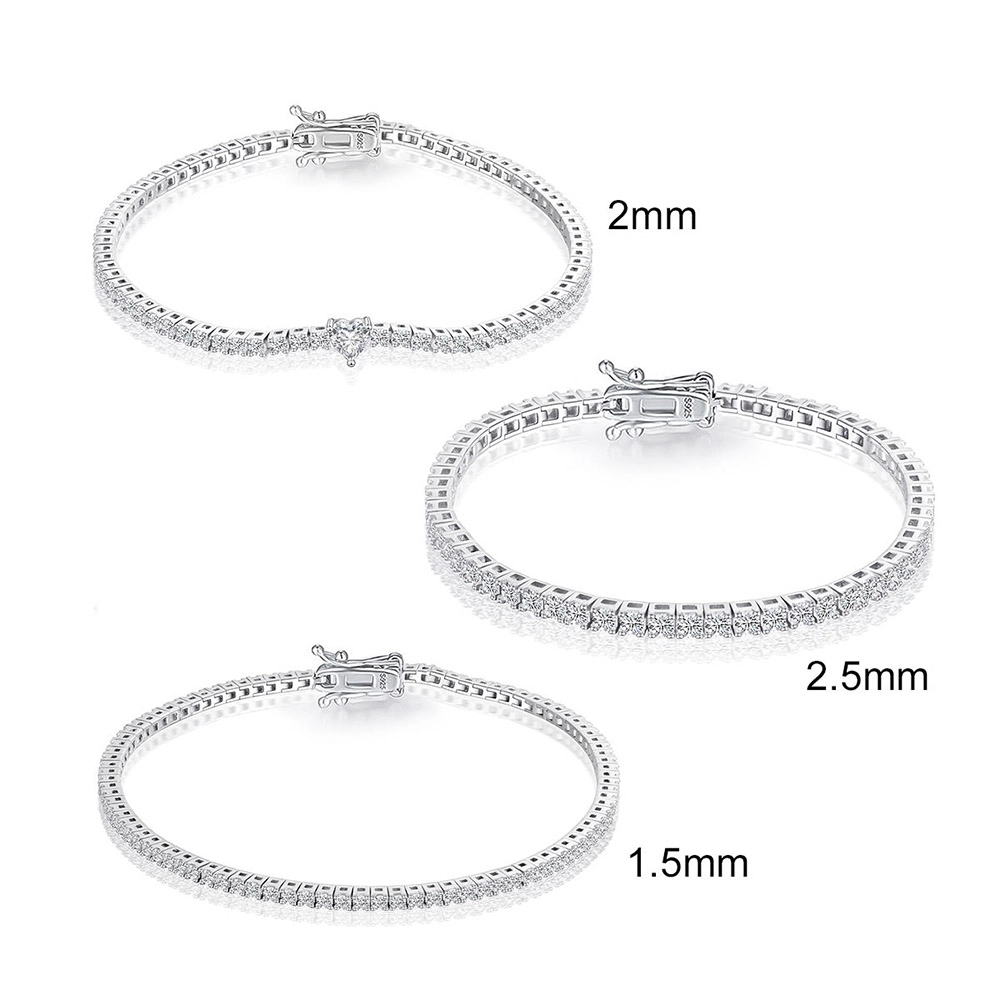
925 Silver Jewelry
Customizable High-Quality Fashion 925 Sterling Silver AAA Cubic Zirconia Heart-Shaped Open Tennis Bracelet.
Read More
Brass Jewelry
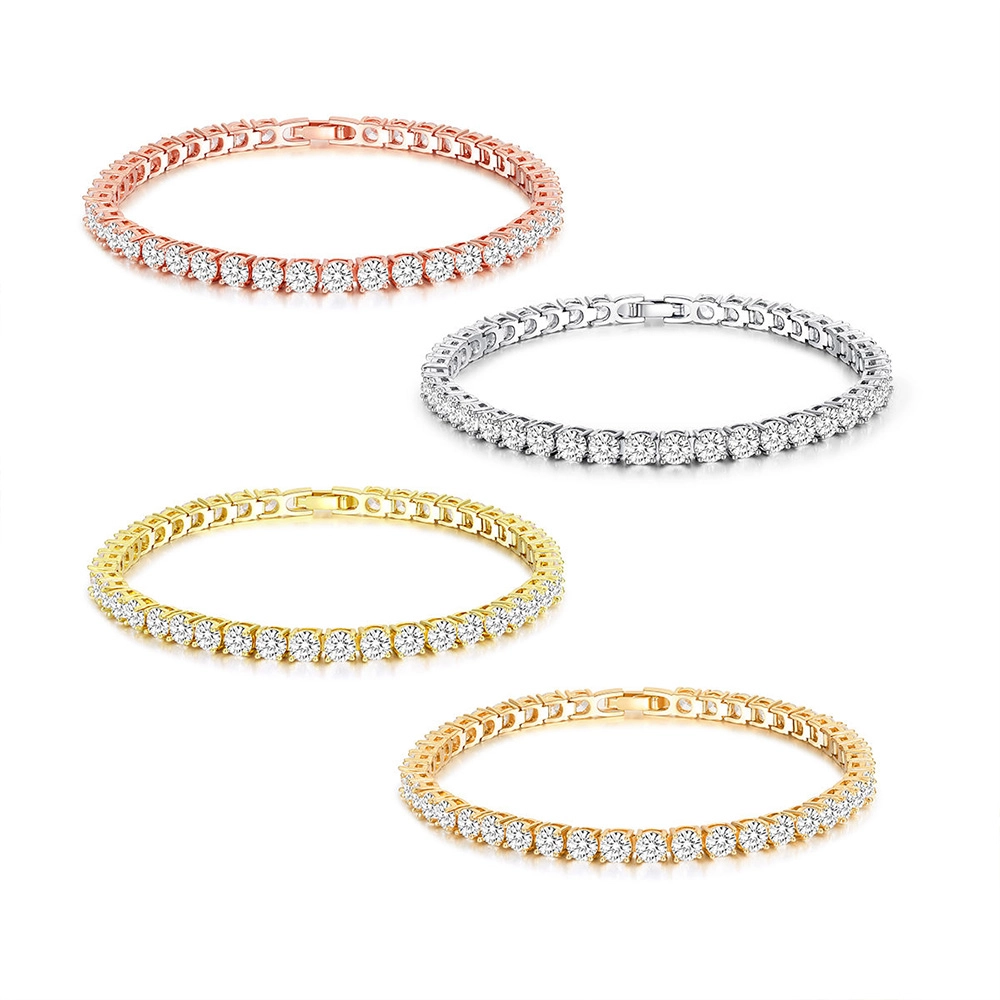
Customizable OEM ODM High-Quality Fashion Brass AAA Cubic Zirconia Classic Tennis Bracelet for Women Wholesale.
Read More
Get a Quote for Private Label Jewelry
We provide personalized jewelry customization services for clients worldwide.
Rest assured that your privacy is important to us, and all information provided will be handled with the utmost confidentiality.
By clicking 'Send Inquiry Now' I agree to ZHEFAN JEWELRY processing my personal data.
To see how to withdraw your consent, how to control your personal data and how we process it, please see our Privacy Policy and Terms of use.
From design to production, ZHEFAN JEWELRY offers a one-stop solution to help you enhance your brand value and market competitiveness.
Get A Quote
Contact
Tel: (+86) 188 1927 7817
© 2026 Zhefan Jewelry. All Rights Reserved.
Facebook
Instagram
YouTube
Whatsapp: +8618819277817