






Email: sales3@zhefanjewelry.com
Pearl Jewelry Manufacturer for Sustainable and Ethical Jewelry
A practical procurement guide to sourcing pearl jewelry with stronger environmental and social due diligence. It explains how to assess cultured pearl origins, supplier traceability, material disclosures, quality controls, and production practices, and outlines how a multi-material jewelry range can support responsible product development.
- Responsible Sourcing Principles for Pearl Jewelry
- Understand pearl types and origin claims
- Assess environmental and community considerations
- Separate evidence from marketing language
- How Buyers Can Evaluate a Pearl Jewelry Supplier
- Compare sourcing models without assuming one is automatically superior
- Build specifications that prevent quality disputes
- Use due diligence questions that lead to evidence
- Turning Responsible Sourcing into a Scalable Product Program
- Connect traceability with product development
- Balance aesthetics, durability, and commercial needs
- How our product range can support coordinated collections
- Procurement checklist before placing an order
- Frequently Asked Questions
Choosing a pearl jewelry manufacturer for a responsible collection requires more than reviewing samples and unit prices. Buyers should evaluate pearl origin and type, farm and processing traceability, labor and environmental practices, material disclosures, quality controls, and the supplier’s ability to document claims. Cultured pearls are genuine pearls formed with human involvement in the cultivation process; however, the word “cultured” alone does not verify ethical or environmental performance. A sound sourcing program combines risk-based supplier checks, clear product specifications, consistent inspection, and accurate marketing language. These steps help jewelry brands, retailers, and distributors reduce sourcing uncertainty while developing pearl designs that meet commercial, quality, and responsibility objectives.
Responsible Sourcing Principles for Pearl Jewelry
Understand pearl types and origin claims
Natural pearls form without deliberate human intervention, while cultured pearls develop after people initiate or support pearl formation in a mollusk. Cultured pearls are not imitation pearls: they are produced by mollusks, although methods, species, growing environments, and production practices differ. The Gemological Institute of America’s pearl education resources explain pearl categories and identification considerations. Buyers should ask suppliers to identify whether products use freshwater or saltwater cultured pearls, the stated pearl variety where known, and whether descriptions such as “natural,” “organic,” or “sustainably farmed” are supported by evidence.
Origin statements should be specific enough to be useful and should reflect what the supplier can substantiate. Country of export is not necessarily the same as the place where a pearl was cultivated, and a finished jewelry supplier may rely on upstream farms, traders, and processors. A procurement file can record the available origin information, the party providing it, and any limitations. Where precise farm-level traceability is not available, honest disclosure of the information boundary is more credible than an unverified promise.
Assess environmental and community considerations
Pearl cultivation depends on aquatic ecosystems and local operating conditions. Farm management may involve water quality, site selection, disease prevention, waste handling, worker safety, and relationships with neighboring fishing or coastal communities. These factors vary by location and operator, so a broad claim that all cultured pearls are environmentally beneficial is not a reliable purchasing criterion. Buyers can request information about farm oversight, environmental monitoring, permits where applicable, worker protections, and how concerns or incidents are addressed.
Responsible sourcing also requires attention to the wider supply chain. Sorting, drilling, dyeing, treatment, stringing, metal finishing, packaging, and transportation may be performed by different parties. A supplier questionnaire should identify key subcontracted processes and ask how labor and workplace risks are reviewed. The OECD Due Diligence Guidance for Responsible Business Conduct provides a framework for identifying, preventing, mitigating, and accounting for adverse impacts. It is a due diligence resource, not a certification of any particular jewelry supplier.
Separate evidence from marketing language
Ethical and environmental statements should be clear, specific, and proportionate to the available evidence. Terms such as “eco-friendly,” “ethical,” and “sustainable” can imply broad benefits that a supplier may not be able to demonstrate. Buyers should request the underlying records, define which product or process a claim covers, and confirm that the evidence is current. The ISO 14021 standard for self-declared environmental claims addresses requirements for environmental claims, including the importance of being specific and verifiable. It does not establish that a particular pearl or factory meets a sustainability threshold.
For commercial teams, substantiation should be retained alongside product specifications and approved copy. This is especially important when claims pass from a manufacturer to a brand, marketplace, or retailer. The U.S. Federal Trade Commission Jewelry Guides address representations and disclosures for jewelry marketed in the United States. Buyers selling in other markets should also check local consumer-protection and product-labeling requirements rather than assuming one jurisdiction’s guidance applies everywhere.
How Buyers Can Evaluate a Pearl Jewelry Supplier
Compare sourcing models without assuming one is automatically superior
A useful comparison focuses on what can be verified and controlled, not on labels alone. Cultured pearls are the principal option for most commercial pearl collections, but origin transparency and production practices depend on the supply chain. Natural pearls are a distinct category and should be represented accurately, with appropriate documentation. Imitation pearls are manufactured to resemble pearls and must not be described in a way that confuses them with pearls formed by mollusks.
| Product or sourcing category | What the term indicates | Buyer checks | Key limitation |
|---|---|---|---|
| Natural pearl | A pearl formed without deliberate human intervention in its formation | Request reliable identification, origin information where available, and accurate product descriptions | The category alone does not establish responsible harvesting or a complete chain of custody |
| Cultured pearl | A pearl formed by a mollusk with human involvement in cultivation | Ask about pearl type, cultivation origin, upstream records, treatments, and supplier controls | The term does not independently prove environmental or labor performance |
| Imitation pearl | A manufactured product designed to look like a pearl | Confirm base material, coating, durability, and clear consumer-facing labeling | It is not a pearl formed by a mollusk |
This comparison is a terminology and procurement aid, not a ranking of environmental impact. Actual impacts depend on production methods, location, inputs, labor conditions, transport, product life, and end-of-life handling. Buyers should not infer a lower footprint or better labor performance from pearl category alone.
Build specifications that prevent quality disputes
Before requesting quotations, define measurable product requirements. A pearl specification can address dimensions, shape, color range, luster expectations, surface characteristics, matching tolerance, drilling position, treatment disclosure, and acceptable variation between approved samples and bulk production. Jewelry assembly specifications should also cover setting security, clasp function, chain or cord dimensions, metal alloy, plating or vermeil construction, and finish. If a design uses a natural material with inherent variation, reference samples and grading language should explain how that variation will be assessed.
Buyers should request pre-production samples for new designs and agree on inspection points before bulk work begins. A practical quality plan may include incoming material checks, in-process review of drilling and assembly, final visual inspection, and functional testing appropriate to the item. Records should link approved samples, production lots, inspection results, and any rework decisions. This approach gives both parties a consistent basis for resolving defects, grading differences, and shipment acceptance issues.
Use due diligence questions that lead to evidence
Supplier assessment is more effective when questions request records and process descriptions rather than broad assurances. Ask who supplies the pearls, which processing steps are subcontracted, what information follows each lot, how treatments are disclosed, and how worker grievances or environmental incidents are handled. Request relevant policies, audit summaries, corrective-action records, and material declarations where available. The depth of review should reflect the buyer’s risk, order size, market requirements, and level of public claims.
Commercial terms matter as well. Confirm minimum order quantities, sample costs, production lead times, capacity during peak periods, packaging requirements, tolerances, defect remedies, and ownership of custom tooling or designs. For repeat orders, establish a process for notifying the buyer about changes in pearl source, component specification, subcontractor, or production location. A documented change-control process can prevent a previously approved item from drifting away from the standard used for launch.
Turning Responsible Sourcing into a Scalable Product Program
Connect traceability with product development
Traceability is most useful when designed into product development rather than requested after production. At the concept stage, identify which claims the collection may make and what evidence those claims will require. Map the main inputs, including pearls, metal components, findings, coatings, and packaging. Then determine what information can be obtained from each supplier and where the chain has gaps. This early review helps teams select feasible materials and avoid costly revisions after photography, packaging, or marketing content has been approved.
For each style, maintain a product file containing approved drawings, material and component descriptions, pearl grading criteria, sample approvals, supplier declarations, test or inspection records, and final labeling. If the item contains multiple metals or coatings, ensure that descriptions distinguish the base metal from the surface finish. Where the evidence does not support an environmental or social claim, use precise product facts rather than a broad statement. Accurate restraint protects consumer trust and lowers the risk of inconsistent messages across sales channels.
Balance aesthetics, durability, and commercial needs
Pearl designs require particular care because the pearl, setting, and metal components can respond differently to handling and wear. Buyers should consider how the pearl is attached, whether the setting protects vulnerable areas, and whether the design can be repaired. Care instructions should match the materials and finish actually used. Product durability can support longer use, but claims about lifespan should be based on design, testing, and conditions of use rather than assumed from material names.
Responsible assortment planning also includes practical commercial considerations: price architecture, replenishment needs, expected returns, and the availability of replacement components. A design that is simple to inspect and repair may be operationally preferable to one with difficult-to-source parts. Close coordination between design, sourcing, quality, and merchandising teams allows a collection to retain its visual identity while maintaining repeatable specifications and realistic delivery commitments.
How our product range can support coordinated collections
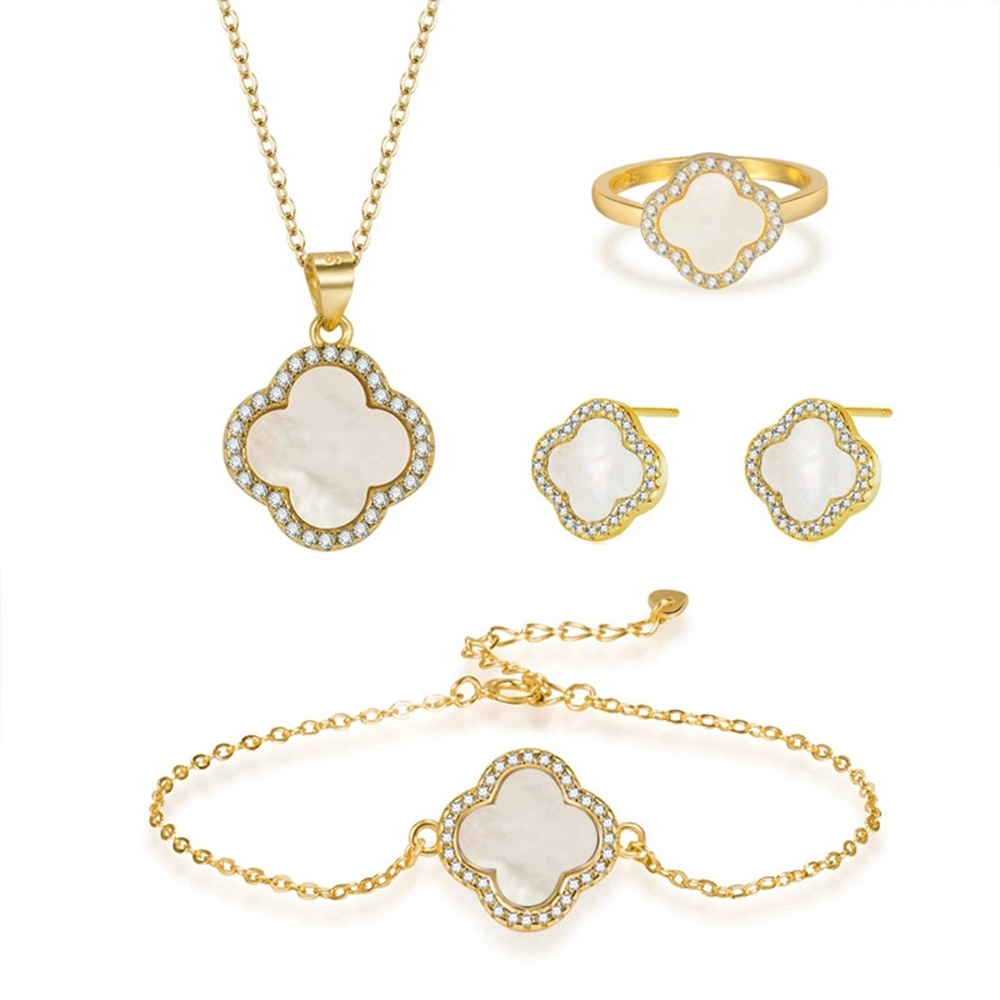
Our product range includes pearl jewelry alongside brass jewelry, 925 silver jewelry, sterling silver jewelry, and gold vermeil jewelry. This breadth can help buyers plan coordinated assortments across different design directions and price points while working through a consistent product-development process. It does not, by itself, verify the origin or environmental performance of any material; buyers should assess the documentation and specifications applicable to each style.
Our approach is to align product requirements with buyer-defined specifications, including design details, material descriptions, finish expectations, sampling, and quality review. For pearl pieces, buyers can establish criteria for pearl matching, visible surface characteristics, assembly, and approved substitutions before production. For metal designs, requests can identify the required alloy or base metal, plating or vermeil construction, component dimensions, and relevant disclosures. Clear requirements make quotations easier to compare and help reduce avoidable sample changes and production misunderstandings.
Because no company profile or specific certification information is provided here, buyers should verify any facility capability, audit status, certification, or sourcing claim directly with the supplier before relying on it. A responsible commercial relationship depends on transparent evidence, agreed specifications, and responsive change management—not unsupported assurances. Our assortment gives project teams a starting point for exploring pearl and metal jewelry options, while project-specific requirements should determine the final sourcing and validation plan.
Procurement checklist before placing an order
Before issuing a purchase order, confirm the product description and pearl category, available origin information, treatment disclosures, material specifications, approved samples, quality tolerances, and inspection responsibilities. Confirm who performs each production step and whether subcontracting is permitted. Align on packaging, labeling, lead time, order quantities, shipment documentation, defect handling, and the process for approving substitutions. If marketing will use ethical or environmental language, route the proposed claim and its supporting evidence through the buyer’s compliance review.
After launch, monitor supplier performance using practical indicators such as on-time delivery, defect and return rates, completeness of product records, response time for corrective actions, and notification of material changes. Periodic reviews can identify documentation gaps and recurring quality problems before they affect a larger program. This measured approach turns responsible sourcing from a one-time questionnaire into an ongoing procurement practice.
Contact our team to discuss pearl and metal jewelry requirements or explore product options for an upcoming collection.
Frequently Asked Questions
What should buyers ask a pearl jewelry supplier about sourcing?
Ask whether the pearls are cultured or natural, what type and origin information is available, which parties handle cultivation and processing, how lots are tracked, and how treatments are disclosed. Request supporting records and identify any gaps in traceability rather than relying only on broad assurances.
Are cultured pearls considered real pearls?
Yes. Cultured pearls are formed by mollusks with human involvement in cultivation. They are distinct from imitation pearls, which are manufactured to resemble pearls, and from natural pearls, which form without deliberate human intervention in their formation.
Does a cultured pearl automatically mean the jewelry is sustainable or ethical?
No. The term describes human involvement in pearl cultivation; it does not independently verify environmental performance, labor conditions, or chain of custody. Buyers should assess the relevant farm and processing information, supplier controls, and evidence for any marketing claim.
How can a buyer verify ethical or environmental claims about pearl jewelry?
Request claim-specific evidence, such as supplier records, policies, audit summaries, corrective-action information, and details about the processes covered. Keep evidence with product documentation, use precise language, and check applicable consumer-protection and labeling rules in each sales market.
What quality requirements should be included in a pearl jewelry specification?
Specify pearl dimensions, shape, color range, luster expectations, surface characteristics, matching tolerance, drilling position, treatment disclosure, and acceptable variation. Also define assembly, metal and finish details, sample approval, inspection points, and remedies for defects.
What information should be confirmed before placing a production order?
Confirm the product and material descriptions, available pearl origin information, approved samples, quality tolerances, subcontracted processes, packaging and labeling, lead times, order quantities, shipment documentation, defect handling, and how substitutions or supplier changes will be approved.
Tags
custom gold vermeil jewelry design service
custom gold vermeil jewelry design service
EU compliant 925 sterling silver jewelry exporter
EU compliant 925 sterling silver jewelry exporter
bulk custom gold vermeil jewelry for retailers
bulk custom gold vermeil jewelry for retailers
Baroque Pearl Necklace
Baroque Pearl Necklace
wholesale rhombus pendant necklace
wholesale rhombus pendant necklace
wholesale brass chunky hoop earrings
wholesale brass chunky hoop earrings
Recommended for you
Certifications Buyers Require for Nickel-Free Brass Jewelry
Private Label Custom 925 Silver Rings: Packaging and Branding
OEM/ODM custom designed rings Manufacturers and Suppliers
Choosing Gemstones for Custom 925 Silver Rings: Buyer Tips
Product Categories
You may also like
925 Silver Jewelry
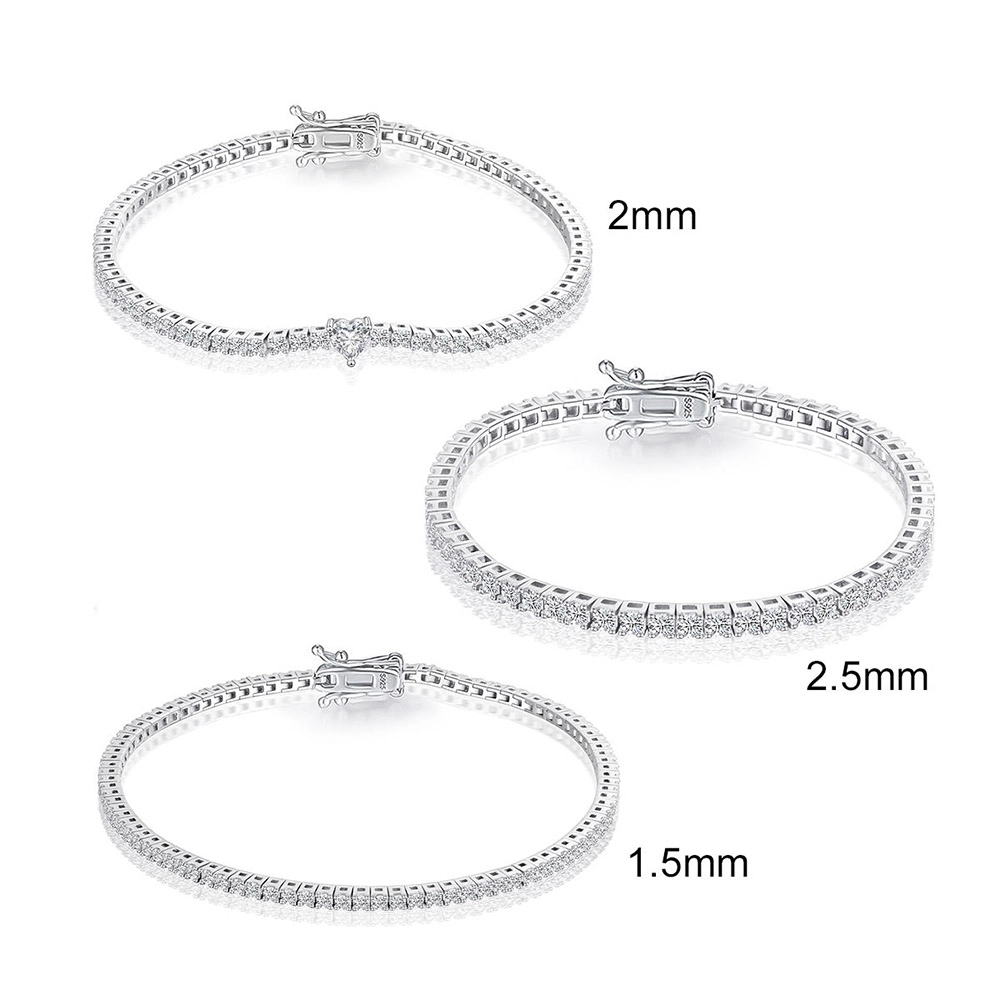
Customizable High-Quality Fashion 925 Sterling Silver AAA Cubic Zirconia Heart-Shaped Open Tennis Bracelet.
Read More
Brass Jewelry
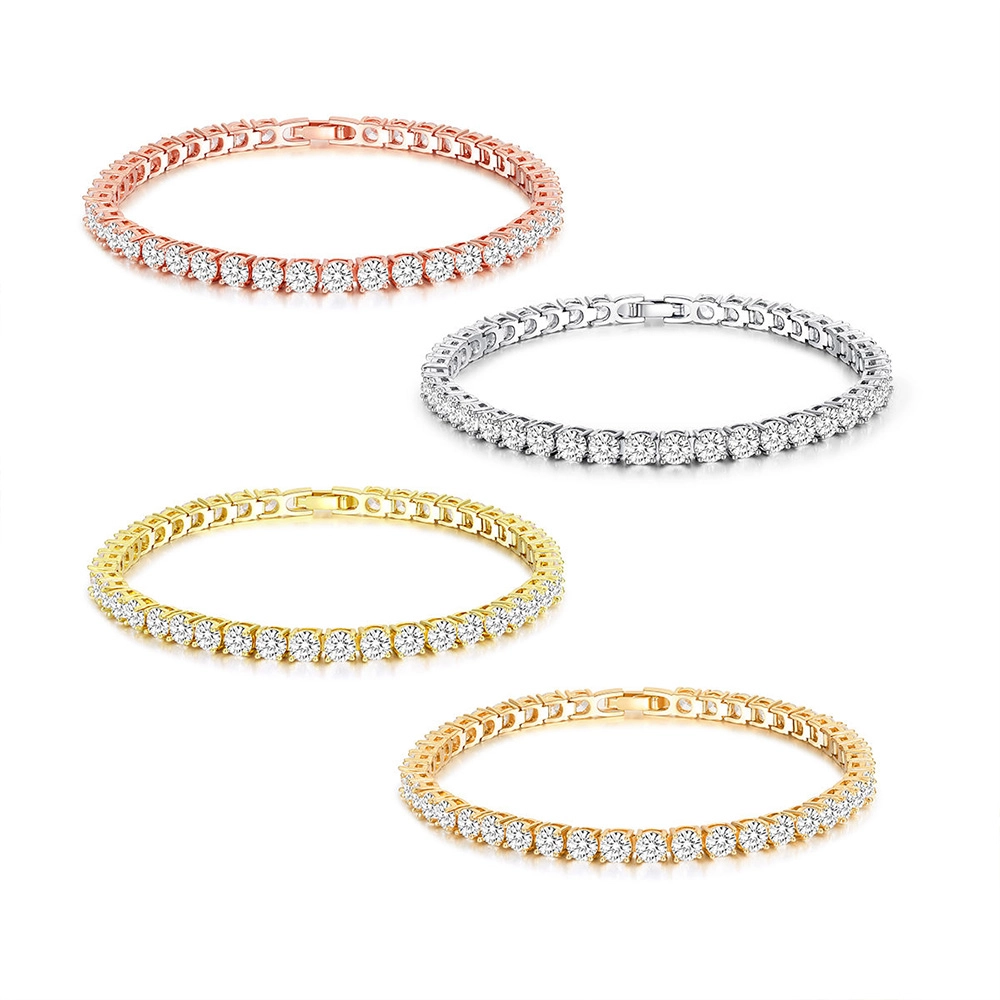
Customizable OEM ODM High-Quality Fashion Brass AAA Cubic Zirconia Classic Tennis Bracelet for Women Wholesale.
Read More
Get a Quote for Private Label Jewelry
We provide personalized jewelry customization services for clients worldwide.
Rest assured that your privacy is important to us, and all information provided will be handled with the utmost confidentiality.
By clicking 'Send Inquiry Now' I agree to ZHEFAN JEWELRY processing my personal data.
To see how to withdraw your consent, how to control your personal data and how we process it, please see our Privacy Policy and Terms of use.
From design to production, ZHEFAN JEWELRY offers a one-stop solution to help you enhance your brand value and market competitiveness.
Get A Quote
Contact
Tel: (+86) 188 1927 7817
© 2026 Zhefan Jewelry. All Rights Reserved.
Facebook
Instagram
YouTube
Whatsapp: +8618819277817