







Email: sales3@zhefanjewelry.com
How to Request and Evaluate Jewelry Manufacturer References
A practical guide for brand owners and procurement teams on requesting, verifying, and interpreting jewelry manufacturer references. Learn which clients to ask for, what questions reveal production reliability, how to protect confidential information, and how references complement samples, audits, quality documents, and a written production brief.
- Build a Reliable Supplier Reference-Checking Framework
- Choose references that match the order you plan to place
- Request references professionally and consistently
- Ask Questions That Test Operational Performance
- Explore quality, communication, and delivery separately
- Probe how the supplier handles problems and changes
- Triangulate References With Documents and Product Evidence
- Use references as one layer of verification
- Compare what each evidence source can and cannot establish
- Apply Reference Findings to the Jewelry Sourcing Decision
- Translate feedback into contract and launch controls
- Assess product fit and supplier responsiveness together
- Frequently Asked Questions
To evaluate a jewelry manufacturer, request two or three recent client references whose products, order complexity, and business stage resemble your own; ask each contact specific questions about communication, sample-to-production consistency, quality control, delivery, and issue resolution; then verify the answers against product samples, documented processes, and relevant compliance evidence. For jewelry manufacturers for small businesses, a useful reference check should confirm not just that a supplier completed an order, but that its minimum order quantities, materials, lead times, and support model fit the buyer’s commercial needs. References are one part of a risk-based decision, not a substitute for due diligence.
Build a Reliable Supplier Reference-Checking Framework
Choose references that match the order you plan to place
A reference has the most value when the client’s purchasing situation resembles the proposed project. A brand ordering a first collection of sterling silver pendants should prioritize a reference from a business that has purchased comparable silver styles, finishes, and quantities—not simply a large retailer that placed a high-volume order for a different product category. Similarities to consider include material, construction method, product complexity, order size, customization, packaging, and sales channel.
Ask the manufacturer to identify references from recent projects, ideally completed within the last 12 to 24 months. Recency matters because ownership, production teams, subcontractors, quality systems, and capacity can change. Request the contact’s role and the nature of the working relationship, then confirm directly with that person that they are willing to speak. If client confidentiality prevents disclosure of names, ask whether the supplier can arrange an anonymized case discussion, a redacted order example, or a conversation with a client who has consented to be contacted.
Do not judge a supplier only by the size or prominence of its clients. A smaller brand may offer more relevant insight into the onboarding experience, practical order minimums, responsiveness, and the level of guidance available to a growing business. A large client reference can still be useful for assessing scale, but it may not represent the service conditions offered to a smaller account.
Request references professionally and consistently
Provide a short project brief before requesting introductions. Include the product categories, estimated launch quantities, expected reorder pattern, target market, customization needs, and approximate production schedule. This context allows the manufacturer to select appropriate references and helps the buyer avoid asking a contact to discuss work unrelated to the decision.
Request permission-based introductions rather than private client information. A professional supplier should respect customer confidentiality and should not disclose another company’s pricing, designs, or commercial terms without authorization. If a direct introduction is unavailable, ask for a case study with enough detail to assess the project scope, while recognizing that a supplier-produced case study is not independent verification.
Use the same core questions with each reference and take dated notes. Consistent questions make it easier to distinguish repeatable supplier performance from a single unusual project. Keep the conversation focused on observable facts: what was ordered, what was delivered, how deviations were handled, and whether the client would work with the manufacturer again under similar conditions.
Ask Questions That Test Operational Performance
Explore quality, communication, and delivery separately
Ask the reference how closely pre-production samples matched the final goods, whether the agreed specifications were documented, and how the supplier inspected workmanship and finishing. For jewelry, useful details may include stone setting, solder joints, clasp function, dimensions, surface finish, plating appearance, and consistency across a production lot. Ask whether defects were isolated or recurring and whether the supplier identified root causes rather than only replacing individual pieces.
Communication questions should reveal how the manufacturer manages decisions and exceptions. Ask who served as the main contact, how frequently the client received updates, whether questions were answered clearly, and how changes were approved. A responsive sales contact is helpful, but the reference should also explain how information moved between sales, product development, quality, and production teams.
For delivery, distinguish quoted lead time from actual performance. Ask when the schedule began, whether approval delays affected the timeline, whether shipment was complete, and whether packaging or export documentation created problems. A late order caused by a buyer’s delayed approvals is different from a supplier missing a confirmed production date without warning. The reference should explain the context rather than provide only a general rating.
Probe how the supplier handles problems and changes
Every production relationship can encounter a deviation. Ask the reference for a specific example of a quality concern, material substitution, design adjustment, or shipping issue. Find out how quickly the supplier disclosed the problem, whether a corrective plan was proposed, who paid for rework or replacement, and whether preventive measures were documented for later orders. A transparent, evidence-based response is often more informative than a claim that no problems have ever occurred.
Clarify the boundaries of the reference’s experience. Did the client purchase custom designs or select existing styles? Did the supplier source all components, or did the buyer provide stones, findings, or packaging? Was the order a repeat run or a first production? These distinctions help buyers assess whether the reference demonstrates the exact capabilities required for their project.
Useful questions include: “What did the supplier do particularly well?”, “What required more follow-up than expected?”, “How were quality concerns resolved?”, “Did the final order match the approved sample and specifications?”, and “Would you use this supplier for a similar order again?” Ask the last question with a clear scope; a client may recommend a manufacturer for one product category but not another.
Triangulate References With Documents and Product Evidence
Use references as one layer of verification
Reference calls are qualitative and can be affected by memory, personal relationships, or a client’s particular project. Combine them with current samples, written specifications, capability discussions, and a review of the proposed quality-control process. For a new supplier, a paid development sample or controlled pilot order can test execution before a larger commitment. Define acceptance criteria in advance, including materials, dimensions, finish, tolerances where relevant, packaging, inspection method, and the process for handling nonconforming goods.
Ask for evidence that applies to the actual product and destination market. Material descriptions, test reports, declarations, and certification documents should be checked for scope, issuing organization, date, and the legal entity or facility they cover. A certificate does not automatically prove that every product or production site is covered. Where a supplier claims a quality management system, buyers can review what the certificate applies to and verify it with the issuing certification body. ISO 9001 describes requirements for a quality management system; it is not a product certification or a guarantee that a particular jewelry item meets every buyer specification.
Claims about precious-metal content, plating, and product descriptions should be accurate for the market where goods will be sold. In the United States, the FTC Jewelry Guides provide guidance on how jewelry, precious metals, and related products are described in advertising. For responsible sourcing and business conduct, buyers may also review the Responsible Jewellery Council Code of Practices and the OECD Due Diligence Guidance for Responsible Business Conduct. These resources support due diligence; they do not replace product-specific legal advice or independent verification.
Compare what each evidence source can and cannot establish
No single source answers every procurement question. A reference can describe a client’s lived experience, while a sample shows physical execution at a particular point in time. A quality document may describe a system or test scope, but it does not necessarily confirm ongoing performance on the buyer’s order. The following comparison helps project teams assign each source an appropriate role.
| Evidence source | What it can help verify | Limitations to account for |
|---|---|---|
| Recent client reference | Communication, order experience, delivery behavior, issue handling, and repeat-order decisions | Reflects one client and project; may not cover the buyer’s product type or current factory conditions |
| Pre-production sample | Design interpretation, materials and finish as presented, workmanship, dimensions, and usability | Does not by itself prove consistency across a full production run |
| Quality or test documentation | The stated process, test result, scope, date, and covered entity when details are valid | Scope may be limited; documents must be checked against the actual product, facility, and market |
| Pilot or first production order | Execution against agreed specifications, inspection practices, packaging, and shipment coordination | Requires time and budget; a small run may not reveal performance at larger volumes |
Record findings in a supplier scorecard rather than relying on an overall impression. Criteria can include product fit, sample accuracy, communication, quality controls, delivery reliability, documentation, responsiveness to corrective action, and commercial suitability. Weight the criteria according to project risk: a technically complex, regulated, or high-value program may require more evidence than a straightforward stock-style purchase.
Apply Reference Findings to the Jewelry Sourcing Decision
Translate feedback into contract and launch controls
Use reference findings to strengthen the purchase order and product specification. If clients report that finish expectations were previously interpreted differently, attach approved images, color or plating references, measurements, and a signed sample record. If schedule updates were a recurring concern, agree on milestone dates, approval deadlines, escalation contacts, and written notice requirements. If defects were difficult to resolve, define inspection criteria, reporting windows, corrective-action expectations, and remedies before production begins.
For a small initial order, confirm minimum order quantities, whether quantities can be mixed across designs or finishes, sample and tooling fees, reorder terms, and the pricing effect of lower volumes. Ask whether the same materials and components will be available for replenishment. A favorable reference is less useful if the supplier’s commercial structure, capacity, or product range cannot support the buyer’s actual launch plan.
Maintain a record of the reference contact, date, project relevance, questions asked, and any points requiring follow-up. Revisit supplier performance after sampling and after the first order. This creates a practical evidence trail for future sourcing decisions and helps distinguish early promises from demonstrated performance over time.
Assess product fit and supplier responsiveness together
In the second half of the evaluation, connect reference findings to the product categories being considered. Our product range includes brass jewelry, 925 silver jewelry, sterling silver jewelry, gold vermeil jewelry, and pearl jewelry. These categories can involve different material, construction, finish, and care considerations, so buyers should ask for references and samples that align with the specific collection rather than assuming that success in one category proves equal performance in another.
Our team can use a project discussion to clarify the intended styles, target quantities, material preferences, finish expectations, and launch timing, then help buyers identify which sample and production questions to resolve before placing an order. Reference feedback should inform that conversation: where a prior client found specifications particularly useful, buyers can document them in the brief; where an issue occurred, the buyer can request an explicit control or approval point. This keeps the supplier review grounded in the buyer’s requirements instead of relying on broad claims.
A sound decision combines a relevant reference, clear technical specifications, a representative sample, transparent commercial terms, and an agreed method for inspecting and resolving production issues. That combination helps buyers reduce avoidable uncertainty while preserving the flexibility needed to develop and replenish a jewelry collection.
Contact our team to discuss brass, silver, gold vermeil, or pearl jewelry requirements and identify the product evidence and production details to review before your next sourcing decision.
Frequently Asked Questions
How many references should I request from a jewelry manufacturer?
Request two or three recent client references whose products, order complexity, and business stage resemble your own. Recency and relevance matter more than client size or prominence.
What should I ask a jewelry manufacturer’s reference?
Ask how closely production matched the approved sample and specifications, how communication and delivery performed, what quality issues occurred, how problems were resolved, and whether the client would place a similar order again.
What if a jewelry supplier cannot disclose client names?
Respect confidentiality and ask whether the supplier can arrange a consent-based introduction, an anonymized case discussion, or a redacted order example. Treat supplier-produced case studies as useful context, not independent verification.
Are client references enough to approve a jewelry manufacturer?
No. Combine references with representative samples, written specifications, relevant quality or test documentation, a capability review, and, where practical, a controlled pilot order.
How can a small business evaluate a jewelry supplier’s minimum order requirements?
Confirm minimum order quantities, whether designs or finishes can be mixed, sample and tooling fees, reorder terms, and the effect of lower volumes on price and material availability. Compare those terms with the launch and replenishment plan.
What does an ISO 9001 certificate prove about a jewelry manufacturer?
ISO 9001 describes requirements for a quality management system. It is not a product certification or a guarantee that a particular jewelry item meets every buyer specification, so buyers should check the certificate’s scope and covered entity.
Tags
silver bracelet supplier custom designs
silver bracelet supplier custom designs
low moq brass jewelry manufacturer
low moq brass jewelry manufacturer
bulk sterling silver 925 bracelets
bulk sterling silver 925 bracelets
925 sterling silver charms for bracelets
925 sterling silver charms for bracelets
brass CZ tennis bracelet wholesale
brass CZ tennis bracelet wholesale
custom logo brass earrings
custom logo brass earrings
Recommended for you
Private Label Pearl Jewelry Manufacturing: A Complete Guide for New Brands
How to Evaluate the Technical Expertise of an OEM Jewelry Manufacturer
What Makes a Professional Pearl Jewelry Manufacturer Different from a Trading Company
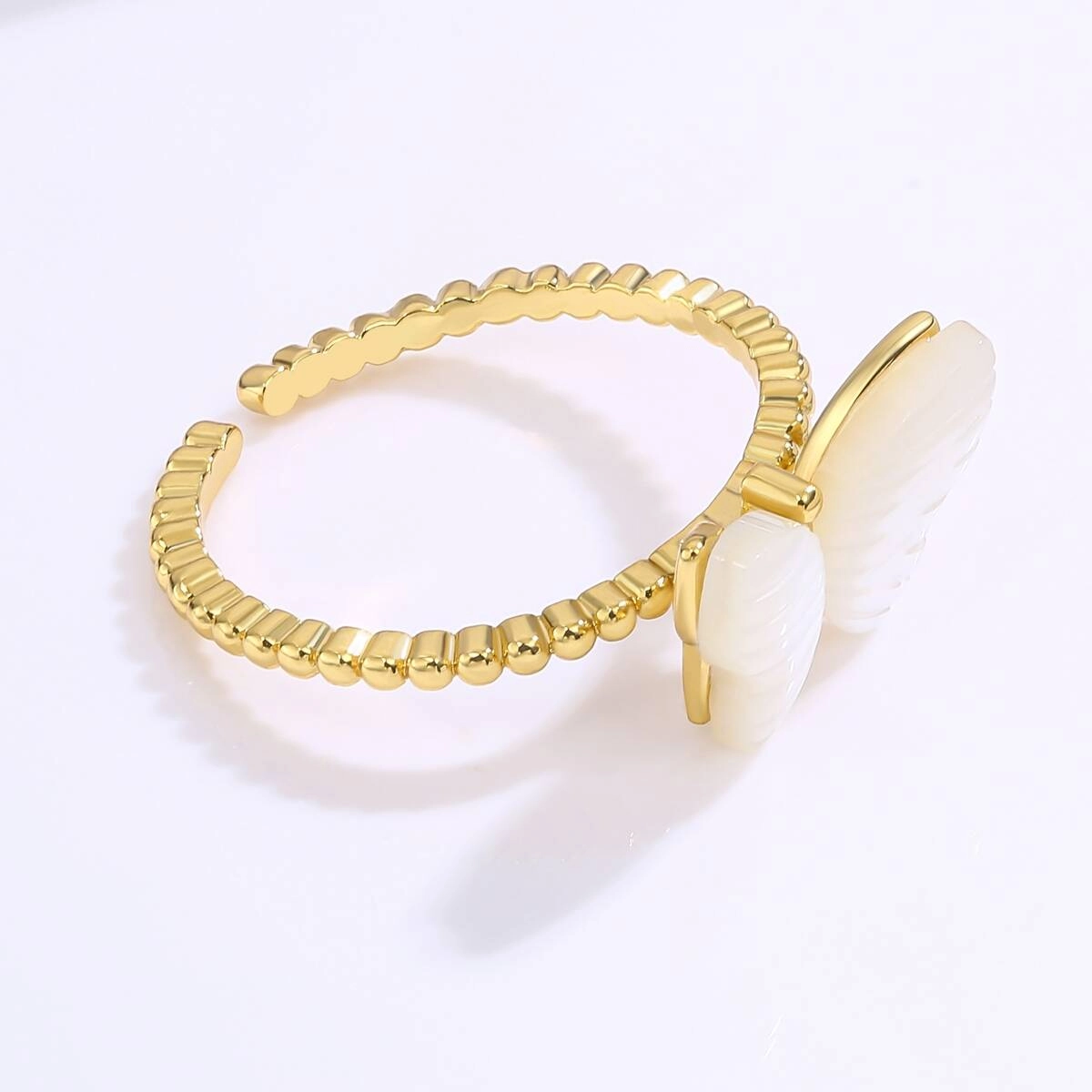
Adjustable Gold Plated Butterfly Ring for Women — Wholesale Fashion Jewelry by Zhefan
Product Categories
You may also like
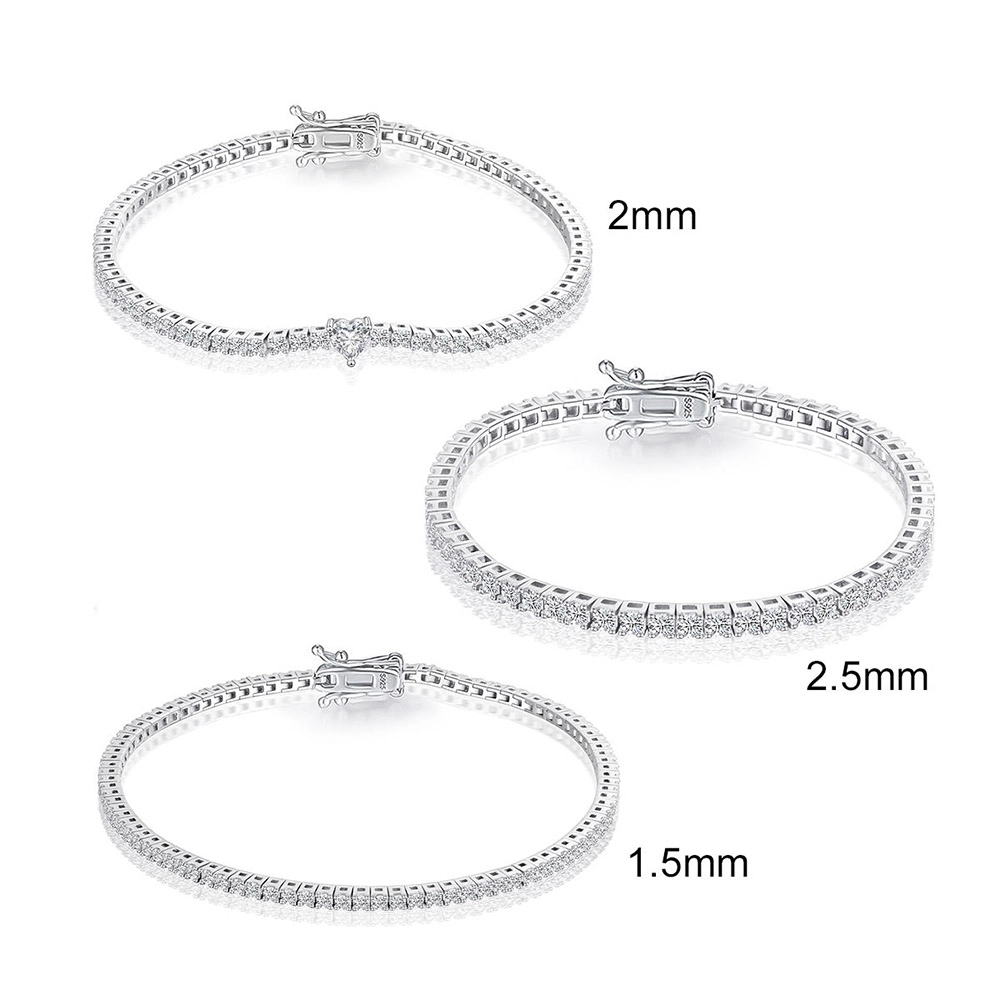
925 Silver Jewelry
Customizable High-Quality Fashion 925 Sterling Silver AAA Cubic Zirconia Heart-Shaped Open Tennis Bracelet.
Read More
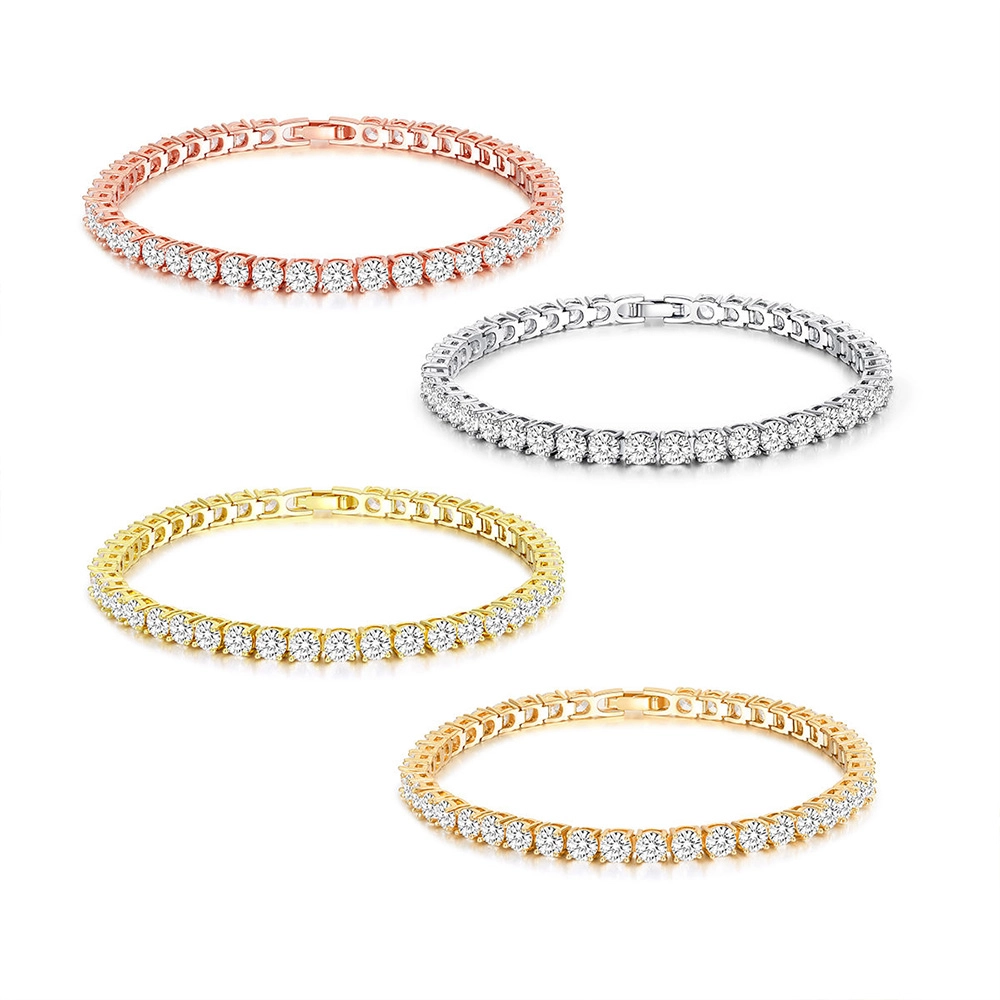
Brass Jewelry
Customizable OEM ODM High-Quality Fashion Brass AAA Cubic Zirconia Classic Tennis Bracelet for Women Wholesale.
Read More
Get a Quote for Private Label Jewelry
We provide personalized jewelry customization services for clients worldwide.
Rest assured that your privacy is important to us, and all information provided will be handled with the utmost confidentiality.
By clicking 'Send Inquiry Now' I agree to ZHEFAN JEWELRY processing my personal data.
To see how to withdraw your consent, how to control your personal data and how we process it, please see our Privacy Policy and Terms of use.
From design to production, ZHEFAN JEWELRY offers a one-stop solution to help you enhance your brand value and market competitiveness.
Get A Quote
Contact
Tel: (+86) 188 1927 7817
© 2026 Zhefan Jewelry. All Rights Reserved.
Facebook
Instagram
YouTube
Whatsapp: +8618819277817