










Email: sales3@zhefanjewelry.com
Top Countries for Personalized Jewelry Manufacturing: China, India, Thailand, Turkey, and Italy Compared
China, India, Thailand, Turkey, and Italy each offer distinct options for custom jewelry production, but no country is best for every project. Compare them by design requirements, materials, production volume, sampling, quality controls, lead times, and landed cost. This guide explains how buyers can assess suppliers of brass jewelry, sterling silver, gold vermeil, and pearl designs, verify trade and quality information, and choose a sourcing model that fits their product and market.
- How the five jewelry sourcing destinations differ
- China: breadth, coordination, and production planning
- India: craft variety and detailed workmanship
- Thailand, Turkey, and Italy: specialist fit and brand positioning
- Choose a production country by project requirements
- Match materials and construction to supplier capability
- Compare total cost, minimums, and lead-time risk
- Build a supplier qualification and quality plan
- Turn the comparison into a practical sourcing decision
- Run a comparable request for quotation
- Plan for transparency and responsible sourcing
- How our jewelry range supports product development
- Align the product brief with the intended customer
- Use samples and written specifications to control execution
- Frequently Asked Questions
China, India, Thailand, Turkey, and Italy are established sourcing destinations for custom and made-to-order jewelry, but their capabilities, commercial fit, and supplier networks differ. For buyers comparing personalized jewelry manufacturers, the right choice depends on design complexity, material and finish, order volume, target price, required documentation, and communication needs—not country reputation alone. China is often considered for broad manufacturing capacity and coordinated production; India for craft depth and a diverse jewelry sector; Thailand for gemstone and jewelry expertise; Turkey for a blend of regional design influences and manufacturing; and Italy for design-led production and established goldsmithing districts. These are sourcing tendencies, not guarantees: buyers should qualify each factory through samples, written specifications, quality checks, and a landed-cost comparison.
How the five jewelry sourcing destinations differ
Country-level comparisons are useful for building a shortlist, but a country is not a quality grade. Supplier capabilities vary by factory, workshop, product category, and order size. The comparison below describes common sourcing considerations rather than universal rules. Buyers should confirm current export activity and product classifications using trade data, such as the United Nations Comtrade Database, and then assess the actual supplier and production site.
| Country | Common sourcing consideration | Potentially suitable projects | Points to verify |
|---|---|---|---|
| China | Broad supplier networks and options for coordinating multiple production steps | Collections requiring several components, finishes, or repeatable production | Factory role, subcontracting, minimum order quantities, sample-to-bulk consistency, and material documentation |
| India | Wide jewelry sector with varied artisanal and manufacturing capabilities | Designs that benefit from hand-finishing, stone setting, or craft-led detail | Workshop capacity, stone and metal traceability, workmanship standards, and production planning |
| Thailand | Strong regional presence in gems and jewelry, with specialist suppliers across the value chain | Gemstone-focused designs and projects that need relevant stone expertise | Gem identification, treatment disclosure, sourcing records, and consistency between approved and delivered stones |
| Turkey | Jewelry production shaped by regional trade links and a mix of traditional and contemporary design | Collections seeking distinctive styling or access to regional supplier networks | Material specifications, export documentation, capacity for repeat orders, and freight route |
| Italy | Recognized design and goldsmithing traditions, with production often organized around specialized districts | Design-led collections where finishing, workmanship, and High Quality positioning are priorities | Cost structure, production slot availability, minimums, and the precise origin of each production step |
China: breadth, coordination, and production planning
China can be a practical choice when a collection includes multiple styles, components, or finishing requirements and the project needs suppliers able to coordinate a broader manufacturing sequence. The useful question is not simply whether a supplier is based in China, but whether the contracted facility performs casting, stamping, assembly, plating, setting, and packing in-house or manages these steps through approved subcontractors. Each arrangement can work, provided responsibilities and inspection points are documented.
For a buyer, early sampling should test more than appearance. Confirm dimensions, weight tolerances, clasp function, solder joints, surface finish, stone security, and plating specifications where applicable. Ask for a pre-production sample made using the intended materials and process, and agree how any approved reference sample will be controlled during bulk production. A low quoted unit price may not include tooling, rework, testing, packaging, or freight, so compare complete landed cost rather than factory price alone.
India: craft variety and detailed workmanship
India’s jewelry sector includes a wide range of production models, from craft-led workshops to larger export-oriented operations. Its industry infrastructure and export activity can be explored through the Gem and Jewellery Export Promotion Council. For custom work involving intricate surface details, hand-finishing, or stone setting, buyers should evaluate the specific workshop’s experience with the construction method and product category rather than assume that all suppliers offer the same capabilities.
Detailed designs need clear production tolerances. Provide drawings or dimensioned CAD files, define stone size and setting method, specify acceptable variation in handmade elements, and establish a defect classification before ordering. If the product uses precious metals or gemstones, request the relevant declarations and supporting records for the intended sales markets. A supplier’s ability to make a compelling sample is important, but repeatability, production supervision, and documented inspection criteria determine whether the sample can translate into a reliable commercial order.
Thailand, Turkey, and Italy: specialist fit and brand positioning
Thailand is a worthwhile destination to investigate when gemstone knowledge is central to the design. The Gem and Jewelry Institute of Thailand provides a point of reference for the country’s gem and jewelry ecosystem. Buyers should still specify whether stones are natural, laboratory-grown, treated, or otherwise altered, and agree on identification, matching, substitution approval, and inspection procedures. These controls reduce the risk of a finished product differing from the approved sample.
Turkey may suit projects that value a mix of contemporary and regional design influences, while Italy is frequently considered for design-led, High Quality collections and specialist goldsmithing. The Italian Trade Agency’s jewelry sector information can help buyers explore the Italian industry. In both locations, actual commercial fit depends on the individual supplier: request itemized quotations, confirm production origin, and check whether the factory can accommodate the planned order cadence. Design prestige or proximity to a recognized jewelry district does not replace a documented qualification process.
Choose a production country by project requirements
A sourcing decision should begin with the product brief and business model. A retailer launching a small capsule may prioritize flexible sampling and low initial commitments, while a distributor replenishing proven designs may value stable capacity, predictable lead times, and repeatability. A fine-jewelry project may require specialized metal and gemstone controls; a fashion collection may put greater weight on design iteration, color consistency, and cost. Defining these priorities before requesting quotes makes proposals easier to compare.
Match materials and construction to supplier capability
Material names alone are not sufficient specifications. For brass jewelry, define the base alloy or agreed material standard, component dimensions, surface preparation, plating or coating requirements, and any restrictions on substances relevant to the destination market. For 925 silver jewelry and sterling silver jewelry, state the required fineness, component construction, soldering expectations, and applicable marking or testing requirements. For gold vermeil jewelry, specify the sterling silver substrate and the agreed gold layer and finish requirements; verify that the supplier’s terminology matches the legal and commercial requirements of the markets where the product will be sold.
Pearl jewelry requires separate attention to pearl type, size range, shape, luster, color, drilling, matching, and stringing or setting method. In every category, photographs and mood boards should be supported by measurable drawings, a bill of materials, and a finish reference. If the product is intended for a regulated market, buyers should identify applicable labeling, chemical, hallmarking, and consumer product obligations before production. A manufacturer can help provide technical documentation, but the brand owner remains responsible for confirming the rules that apply to its products and markets.
Compare total cost, minimums, and lead-time risk
Unit price is only one part of sourcing economics. The purchasing model should account for design or mold charges, sample fees, material price movements, packaging, testing, inspection, duties, freight, insurance, payment terms, and expected defect or rework costs. Ask each shortlisted supplier to quote the same specification and quantity tiers. If one quote excludes a process that another includes, normalize the assumptions before drawing conclusions.
Lead time should be separated into design engineering, sample creation, sample approval, material procurement, bulk manufacturing, inspection, and transit. Buyers should ask which stages drive schedule risk and what happens if a stone, component, or finish is unavailable. For seasonal launches, a clear approval calendar and a buffer for corrective sampling can be more valuable than a nominally shorter production promise. Consider a pilot order before committing a new design to a large purchase.
Build a supplier qualification and quality plan
Qualification should cover the legal identity of the contracting entity, manufacturing-site location, relevant product experience, production capacity, subcontracting controls, and customer references where available. Request a process walkthrough or audit proportionate to order value and risk. A quality management certificate can indicate that a documented system exists, but it does not prove that a particular jewelry item meets its specification. Buyers can review the scope and principles of ISO 9001 quality management while separately verifying the supplier’s certificate, issuing body, and covered site.
Write acceptance criteria into the purchase order or quality agreement. Define inspection sampling, measurement methods, visual defect categories, packaging checks, and responsibility for corrective action. Keep the approved sample, drawings, material declarations, and inspection results linked to the purchase order. This creates a traceable basis for resolving disagreements and helps maintain consistency when designs are reordered or transferred between production teams.
Turn the comparison into a practical sourcing decision
Rather than selecting a country based on a single reputation claim, create a weighted supplier scorecard. Give each criterion a weight based on the project: technical fit, sample quality, cost transparency, minimum order quantity, delivery reliability, communication, compliance support, and business continuity. Score individual factories—not countries—against the same evidence requirements. This method helps procurement teams explain why a supplier was selected and highlights trade-offs that can otherwise be hidden in a headline price.
Run a comparable request for quotation
Send shortlisted suppliers one complete request for quotation containing the same product drawings, bill of materials, target quantities, packaging requirements, shipping destination, and requested delivery window. Ask them to list assumptions and exclusions, tooling ownership, sample charges, payment milestones, production lead time, and quotation validity. Require suppliers to identify any proposed substitutions before approval. If a supplier suggests a different alloy, stone, plating process, or construction method, evaluate the change for performance and market compliance before accepting it.
Assess the first sample against the specification, not merely against the design image. Record the measured dimensions and weight, inspect finishing under suitable lighting, test closures and moving parts, and verify stone placement and security. Approve changes in writing and retain the final reference. A structured sample review prevents informal design changes from becoming production disputes and gives both the buyer and factory a shared definition of the finished product.
Plan for transparency and responsible sourcing
Ask suppliers how they identify material sources, maintain production records, control subcontractors, and handle worker safety and environmental responsibilities. The depth of documentation should be proportionate to product risk, sales-market rules, and customer commitments. For precious metals and gemstones, specify the information required for origin, treatment, and chain-of-custody claims; do not publish sustainability or origin statements that cannot be substantiated. Independent testing or third-party audits may be appropriate for higher-risk products or larger programs.
Buyers should also consider business continuity. Confirm how the supplier handles material shortages, equipment downtime, staff turnover, and urgent quality issues. Identify a named operational contact, escalation route, and process for corrective actions. A factory that communicates a constraint early and documents a workable recovery plan may be a stronger long-term partner than one that promises an unrealistic delivery date without explaining its assumptions.
How our jewelry range supports product development
Our product scope includes brass jewelry, 925 silver jewelry, sterling silver jewelry, gold vermeil jewelry, and pearl jewelry. This range gives buyers a basis for developing collections across different material and price positions, from fashion-led designs to pieces that use precious-metal substrates or pearl details. Because the company profile and specific factory capabilities have not been provided here, no claims are made about production location, certifications, minimum order quantities, lead times, or in-house processes. Those details should be confirmed directly for the product and order under consideration.
Align the product brief with the intended customer
Our team can use a buyer’s brief to clarify the intended material, target retail positioning, construction, finish, packaging, and sales-market requirements before a design is quoted. For brass designs, the brief should define the finish and coating expectations. For sterling silver and gold vermeil, it should specify the metal and finish details required for the intended market. For pearl pieces, it should identify the pearl characteristics and matching expectations. This early alignment helps reduce avoidable sampling rounds and gives the buyer a more useful basis for comparing options.
Use samples and written specifications to control execution
Our approach to product development should be based on approved references and explicit acceptance criteria rather than assumptions. Buyers can request a sample review against the agreed drawings and material description, then record any revisions before bulk production is authorized. The final purchase decision should confirm the actual manufacturing entity, quality checkpoints, order terms, and documentation available for the selected item. This process supports clearer accountability whether a project involves a single launch or a repeat collection.
For a sourcing team, the strongest outcome is not simply a low-cost quote or a country label; it is a product that meets the specification, arrives on schedule, and can be reordered with consistent quality. We encourage buyers to compare the requested product details and commercial terms transparently, then select the supplier arrangement that best fits the collection’s risk, budget, and growth plan.
Contact our team to discuss a jewelry brief or explore our brass, sterling silver, gold vermeil, and pearl jewelry products.
Frequently Asked Questions
Which country is best for custom jewelry manufacturing?
There is no universally best country. China, India, Thailand, Turkey, and Italy each offer different sourcing considerations, and the right choice depends on product design, materials, order volume, target cost, quality requirements, and supplier capability. Buyers should qualify individual factories rather than select by country reputation alone.
How should buyers compare jewelry manufacturers in different countries?
Use the same product specification and quantity tiers for each request for quotation. Compare technical fit, sample quality, cost inclusions, minimum order quantity, lead time, compliance documentation, subcontracting controls, and communication. Evaluate total landed cost rather than unit price alone.
What should a jewelry manufacturing specification include?
A useful specification includes drawings or dimensioned CAD files, a bill of materials, material and finish requirements, component dimensions, acceptable tolerances, stone details where applicable, packaging requirements, and inspection criteria. It should also identify any market-specific labeling, testing, or documentation requirements.
How can buyers verify the quality of a jewelry supplier?
Review the supplier’s legal and manufacturing-site identity, relevant product experience, production processes, sample quality, and quality records. Agree on written acceptance criteria and inspection procedures, retain an approved reference sample, and verify any certificates and their scope. A quality management certificate does not by itself prove that an individual product meets its specification.
What should buyers check when sourcing gemstone or pearl jewelry?
For gemstones, specify identification, treatment disclosure, matching, substitution approval, and inspection procedures. For pearls, define pearl type, size range, shape, luster, color, matching, drilling, and stringing or setting method. Confirm that the delivered materials match the approved sample and documentation.
How can buyers reduce risks when placing a first jewelry order?
Use a detailed request for quotation, approve a pre-production sample made with the intended materials and processes, set measurable acceptance criteria, and consider a pilot order. Confirm lead-time stages, supplier responsibilities, subcontracting, corrective-action procedures, and landed costs before authorizing bulk production.
Tags
bulk custom brass necklaces
bulk custom brass necklaces
Wholesale jewelry bulk
Wholesale jewelry bulk
budget brass jewelry manufacturer
budget brass jewelry manufacturer
oem mother of pearl heart necklace
oem mother of pearl heart necklace
plated bracelet manufacturers
plated bracelet manufacturers
luxury bracelet manufacturers
luxury bracelet manufacturers
Recommended for you
Custom Brass Necklace Chain Types and Compatibility Guide
Bulk order negotiation tips with brass earring manufacturers
Dropshipping Personalized Jewelry: Finding Reliable Manufacturers and Suppliers
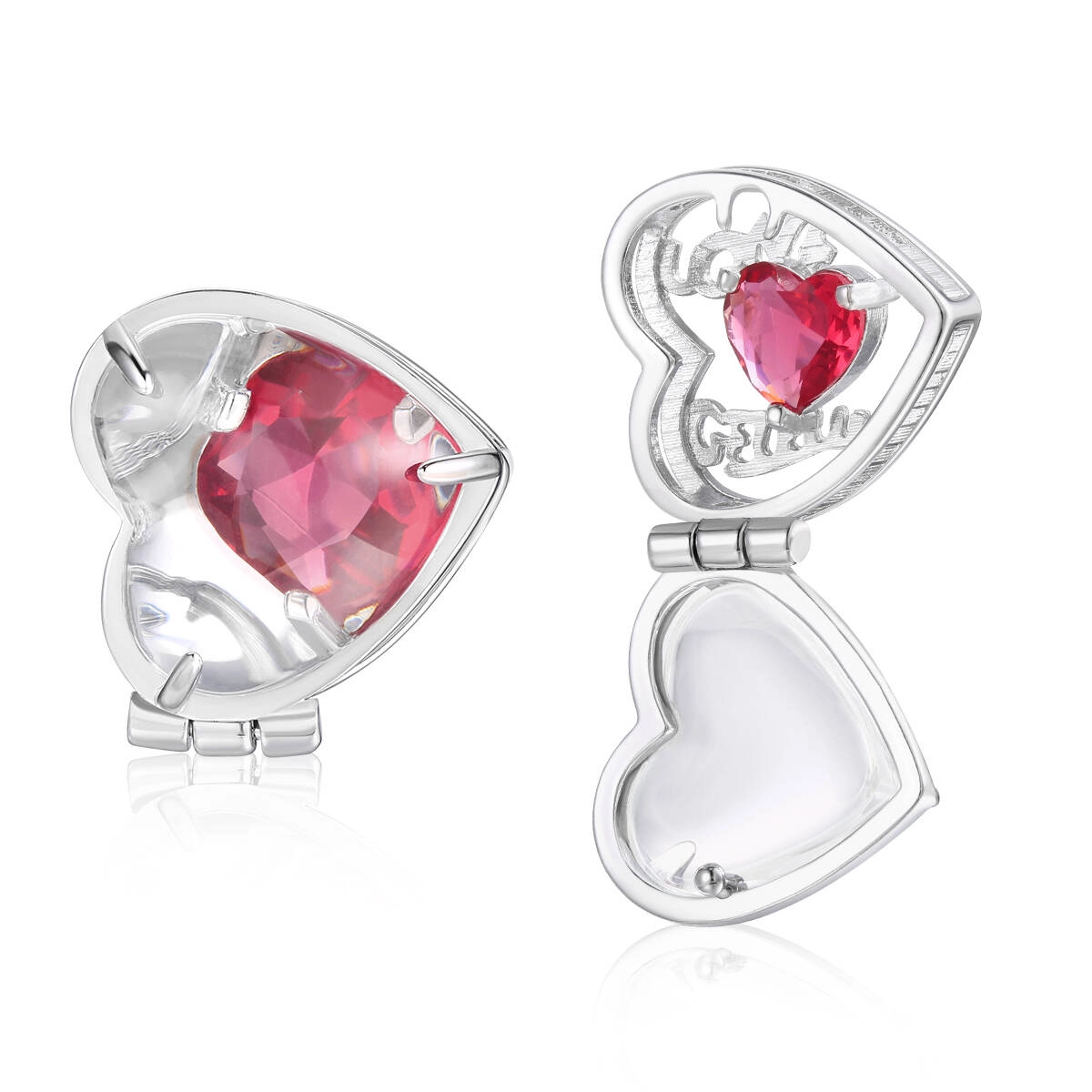
Vintage Heart Photo Earrings | Custom 925 Silver Photo Jewelry Manufacturer - Zhefan Jewelry
Product Categories
You may also like

925 Silver Jewelry
Customizable High-Quality Fashion 925 Sterling Silver AAA Cubic Zirconia Heart-Shaped Open Tennis Bracelet.
Read More

Brass Jewelry
Customizable OEM ODM High-Quality Fashion Brass AAA Cubic Zirconia Classic Tennis Bracelet for Women Wholesale.
Read More
Get a Quote for Private Label Jewelry
We provide personalized jewelry customization services for clients worldwide.
Rest assured that your privacy is important to us, and all information provided will be handled with the utmost confidentiality.
By clicking 'Send Inquiry Now' I agree to ZHEFAN JEWELRY processing my personal data.
To see how to withdraw your consent, how to control your personal data and how we process it, please see our Privacy Policy and Terms of use.
From design to production, ZHEFAN JEWELRY offers a one-stop solution to help you enhance your brand value and market competitiveness.
Get A Quote
Contact
Tel: (+86) 188 1927 7817
© 2026 Zhefan Jewelry. All Rights Reserved.
Facebook
Instagram
YouTube
Whatsapp: +8618819277817