







Email: sales3@zhefanjewelry.com
Pearl Jewelry Manufacturer for Dropshipping and Small-Batch Orders
A practical procurement guide to sourcing pearl jewelry for dropshipping and small production runs. Compare fulfillment models, evaluate pearl and metal specifications, control quality, plan packaging and inventory, and assess supplier fit before placing an order. Our product range includes pearl jewelry, brass jewelry, 925 silver jewelry, sterling silver jewelry, and gold vermeil jewelry.
- How to source pearl accessories for dropshipping and limited runs
- Define the operating model before requesting a quote
- Compare fulfillment and production choices
- Assess pearl quality, materials, and product consistency
- Specify pearl characteristics in measurable language
- Confirm metal descriptions and product claims
- Build a reliable supplier and quality-control process
- Use samples and written acceptance criteria
- Plan fulfillment, packaging, and replenishment
- Evaluate a broader jewelry partner for scalable collections
- Match product capability to the business plan
- Use a structured supplier scorecard
- Frequently Asked Questions
For brands planning dropshipping or limited-run launches, choosing a pearl jewelry manufacturer involves more than selecting attractive designs: buyers need to confirm pearl type and grading, metal composition, sample consistency, order minimums, fulfillment responsibilities, packaging, and quality-control procedures. Dropshipping can reduce inventory commitments, while small-batch production offers greater control over assortment and presentation; neither model removes the need for clear specifications and verified supplier processes. This guide explains how to assess cultured pearl products, compare sourcing models, manage operational risks, and evaluate a supplier’s broader jewelry capabilities before committing to a collection.
How to source pearl accessories for dropshipping and limited runs
Define the operating model before requesting a quote
Dropshipping and small-batch purchasing solve different business problems. In a dropshipping arrangement, the supplier or fulfillment partner stores goods and ships individual orders to a brand’s customers. This can help a new retailer test demand without buying a large quantity upfront, but it also means the brand has less direct control over stock availability, dispatch timing, parcel presentation, and the condition of each shipment. Buyers should establish who owns inventory, who processes returns, how tracking is shared, and what happens when an item sells out.
Small-batch production usually means ordering a limited quantity for the buyer to hold, distribute, or sell through selected channels. It gives the project owner a chance to inspect a production lot, control packaging, and coordinate a launch calendar more directly. However, the buyer takes on inventory and working-capital exposure. The phrase “small batch” is not a standardized order quantity, so procurement teams should request the supplier’s minimum order quantity (MOQ) by design, color, size, and metal finish rather than assuming one minimum applies to every item.
Before approaching a pearl jewelry manufacturer, prepare a brief that states the intended sales channel, target retail price range, launch date, expected initial assortment, delivery destinations, packaging requirements, and replenishment plan. A supplier can assess feasibility more accurately when the request distinguishes a ready-to-ship design from a custom development project. Buyers should also ask whether samples are available, whether sample charges are credited against production, and which specifications may change between a sample and a repeat order.
Compare fulfillment and production choices
The comparison below describes common operating trade-offs rather than guaranteed service levels. Actual terms depend on the supplier, product, destination, and written agreement; buyers should verify them for each program.
| Procurement model | Inventory responsibility | Buyer control | Questions to resolve |
|---|---|---|---|
| Dropshipping | Supplier or fulfillment partner typically holds and dispatches stock under the agreed arrangement. | Less direct control over individual parcel handling and stock presentation. | Who updates stock, ships orders, handles returns, and supplies tracking? |
| Small-batch wholesale | Buyer generally purchases a limited lot and manages its onward inventory. | More direct access to goods and greater control over retail presentation. | What are the MOQ, inspection terms, replenishment options, and delivery schedule? |
| Custom production run | Allocation and ownership depend on the purchase agreement and production stage. | Potentially greater influence over design details, subject to approved specifications. | Which components are customized, what approvals are required, and how are changes controlled? |
Terms such as “made to order,” “ready to ship,” and “dropship eligible” should be defined in writing. A product appearing in an online catalog does not by itself establish live inventory or a guaranteed dispatch window. Ask for the stock-update method, order cut-off times, holiday schedules, and the process for addressing damaged or incorrect deliveries. For cross-border sales, clarify who supplies customs documentation and which party is responsible for taxes, duties, and compliance in the destination market.
Assess pearl quality, materials, and product consistency
Specify pearl characteristics in measurable language
“Pearl” describes a diverse category rather than one uniform material. Jewelry may use freshwater or saltwater cultured pearls, and products can vary in shape, size, color, luster, surface characteristics, and matching. Natural pearls and cultured pearls are also distinct categories. Buyers should specify the pearl type and the acceptable range for relevant attributes instead of relying only on broad terms such as High Quality, high grade, or AAA, which may not be applied consistently across suppliers.
The Gemological Institute of America explains pearl formation and the distinction between natural and cultured pearls in its educational resources. Its overview of cultured pearls can help buyers establish shared terminology when preparing a product brief. For commercial orders, the purchase specification should additionally state whether pearls are matched as pairs or strands, the allowed variation in color and shape, the measurement method, and whether visible blemishes are acceptable on the intended viewing surface.
Visual approval is especially important for earrings and coordinated sets, where consumers expect the two pieces to look related. A sample approval should identify the actual reference item or approved photographs, lighting conditions, and the specific attributes being accepted. Because pearls are organic materials, exact duplication may not be realistic. The objective is to agree on an acceptable range and to make that range clear in production documentation, product listings, and customer-service guidance.
Confirm metal descriptions and product claims
Metal names should be supported by precise material information. Ask whether a component is solid precious metal, plated, vermeil, or made from a base metal, and request the relevant composition and finishing details for the specific style. Gold vermeil, gold-plated brass, and solid gold are not interchangeable product descriptions. Similarly, a listing that says “925 silver” should identify which components meet that description, since findings, chains, posts, and decorative elements may not all use the same material.
For U.S.-facing claims, the Federal Trade Commission’s Jewelry Guides address how marketers should describe precious metals, pearls, and related products. These rules are relevant to product pages, packaging, advertising, and wholesale catalogs; a buyer should ensure that commercial claims match the item actually supplied. Where a destination market has additional labeling or consumer-protection rules, the brand should review those requirements separately rather than assuming U.S. guidance applies globally.
Material safety is another part of supplier qualification. Request the available declarations or test documentation appropriate to the product and sales destination, and ask which components and production lots the documents cover. The U.S. Consumer Product Safety Commission provides information about lead in jewelry, including obligations relevant to covered products. Documentation should be current, traceable to the supplied item, and reviewed against the applicable market and product category; a general statement that a supplier is compliant is not a substitute for product-specific evidence.
Build a reliable supplier and quality-control process
Use samples and written acceptance criteria
A sample is a procurement checkpoint, not merely a sales preview. Before approval, inspect the pearl matching, surface appearance, setting security, clasp operation, chain or wire construction, solder or join quality, finish uniformity, and comfort of posts or earring backs. Check the item under ordinary retail lighting and photograph it for reference. If products will be sold online, compare the sample with the proposed photography and confirm that images do not imply a degree of color uniformity or surface perfection that the delivered goods cannot reasonably match.
Convert the approved sample into a controlled specification. Include item codes, dimensions, pearl type and size range, metal and finish descriptions, color references where applicable, packaging components, labeling, and acceptable tolerances. Define what counts as a critical, major, or minor defect for the program, and agree how nonconforming pieces will be reported, documented, replaced, or credited. This is particularly useful when repeat orders are produced months apart or when multiple people approve design, purchasing, and quality.
Ask how the supplier checks incoming components, work in progress, and finished goods. A practical inspection plan can combine documented sampling with targeted checks of higher-risk features, such as pearl attachment, clasp function, sharp edges, plating appearance, and order accuracy. For small lots, buyers may choose to inspect every unit before dispatch if the item’s value or brand risk warrants it. The inspection method should be proportionate to the product and should be agreed in advance, rather than introduced only after a dispute.
Plan fulfillment, packaging, and replenishment
Jewelry fulfillment adds handling details that can affect customer experience. Ask how each piece is protected from abrasion, tangling, moisture, and impact; whether individual boxes, pouches, care cards, or branded inserts are available; and whether packaging can be supplied without the supplier’s own commercial materials. For dropshipping, clarify whether the supplier can support neutral or buyer-branded parcels, how order data is transferred, and what personal information is retained. These questions should be answered before customer orders depend on the process.
Set service expectations in operational terms. A written agreement can define order acknowledgement, dispatch targets, tracking communication, back-order notification, cancellation cut-offs, returns handling, and escalation contacts. Distinguish production lead time from transit time, and ask whether the quoted schedule includes inspection, packaging, and export preparation. For a launch, build in time for sample approval, content creation, compliance review, and inbound delivery rather than treating the stated manufacturing period as the entire project timeline.
Replenishment planning should account for natural variation and component availability. A repeat order may not match a previously approved lot exactly unless the specification and tolerance allow it. Ask whether the supplier can reserve components, maintain reference samples, or notify the buyer when a material or finish changes. If a style becomes a core seller, record the approved version and require advance notice of substitutions that could affect appearance, durability, labeling, or customer-facing claims.
Evaluate a broader jewelry partner for scalable collections
Match product capability to the business plan
A specialist sourcing decision should consider the role of the product within the full assortment. A brand may begin with pearl earrings or pendants, then add complementary materials to create coordinated price points and seasonal edits. Our product range includes pearl jewelry, brass jewelry, 925 silver jewelry, sterling silver jewelry, and gold vermeil jewelry. For buyers exploring these categories together, the practical evaluation is whether the supplier can clearly document each material, finish, design option, and order condition—not simply whether several product types appear in a catalog.
When assessing our range, buyers should request current product specifications, available sample options, applicable MOQs, packaging details, and any relevant material or test documentation for the exact styles under consideration. These details make comparisons more useful across suppliers and help purchasing teams determine whether a collection suits dropshipping, a limited wholesale order, or a custom program. Since no order terms are universal, the commercial proposal should state the applicable lead time, price basis, shipping arrangement, payment terms, and remedy for nonconforming goods.
Assortment planning can also reduce launch risk. A focused first collection may use a small number of pearl silhouettes and complementary metal styles, then expand after sell-through and return reasons are reviewed. Product pages should communicate pearl variation and metal composition accurately, while photography should show scale and fastening details. This approach gives brand owners a clearer basis for assessing customer response without making unsupported claims about material, origin, durability, or ethical attributes.
Use a structured supplier scorecard
For a disciplined sourcing decision, score candidate suppliers against the same criteria: specification clarity, sample accuracy, documented quality checks, material transparency, MOQ flexibility, fulfillment fit, communication, packaging options, and the ability to support repeat orders. The lowest quoted unit price may not represent the lowest total cost if the program requires extra inspection, relabeling, split shipments, or customer-service work. Include those operational costs when comparing dropship arrangements with inventory-based purchasing.
Our team can provide product information for the jewelry categories listed above so prospective buyers can assess fit against their own specifications and operating model. Buyers should confirm the details of each requested style directly before placing an order, including stock status, customization scope, sample availability, production timing, quality expectations, and destination-market requirements. A clear written brief and an approved sample create a stronger basis for a productive supplier relationship than a broad request for “high quality” products.
Ultimately, the right sourcing partner is the one whose product documentation, commercial terms, and fulfillment process match the brand’s actual needs. Dropshipping can support low-inventory testing when stock and dispatch controls are transparent; small-batch purchasing can provide closer control over launch presentation when the buyer is prepared to hold inventory. In both cases, specific product requirements, documented approvals, and realistic customer promises protect margins and brand credibility.
Contact our team to discuss product options and request details for a pearl-led collection or complementary jewelry assortment.
Frequently Asked Questions
What is the difference between dropshipping and small-batch pearl jewelry orders?
With dropshipping, a supplier or fulfillment partner typically stores and dispatches individual orders under an agreed arrangement, reducing the buyer’s need to hold inventory but limiting direct control over parcel handling. With small-batch purchasing, the buyer generally purchases and manages a limited lot, gaining more direct control over goods and presentation while taking on inventory and working-capital exposure.
What should buyers specify when sourcing cultured pearl jewelry?
Specify the pearl type and acceptable ranges for size, shape, color, luster, surface characteristics, and matching. Also document how measurements are taken, whether pieces are matched as pairs or sets, and which variation is acceptable. Use an approved sample or reference to establish expectations.
How can a buyer verify metal descriptions for pearl jewelry?
Ask for precise material and finish information for each component, including whether it is solid precious metal, plated, vermeil, or base metal. Confirm which parts meet a stated description such as 925 silver, and ensure product pages and packaging claims match the item supplied and applicable market rules.
What quality checks should be performed on a pearl jewelry sample?
Check pearl matching and surface appearance, setting security, clasp operation, construction, finish uniformity, comfort, and packaging. Record the approved sample and convert its key characteristics into written specifications and acceptance criteria for production.
What should a dropshipping jewelry agreement clarify?
Clarify inventory ownership and updates, order cut-off and dispatch expectations, tracking, returns, damaged or incorrect orders, packaging, branded or neutral parcels, back-order notifications, and escalation contacts. Also define how customer information is transferred and handled.
How can buyers compare supplier quotes for small jewelry orders?
Compare more than unit price. Review MOQ by design and component, sample costs, production and transit timing, inspection needs, packaging, shipping terms, payment terms, replenishment options, and remedies for nonconforming goods. Include operational costs such as relabeling, split shipments, or additional inspection.
Tags
brass jewelry manufacturer wholesale
brass jewelry manufacturer wholesale
dainty mother of pearl heart necklace
dainty mother of pearl heart necklace
925 silver jewelry manufacturer bracelets
925 silver jewelry manufacturer bracelets
scalable brass jewelry manufacturer
scalable brass jewelry manufacturer
custom sizes brass tennis bracelet OEM
custom sizes brass tennis bracelet OEM
rose gold ring jewellery
rose gold ring jewellery
Recommended for you
How to Create a Jewelry Tech Pack Manufacturers Can Quote Accurately
Freshwater, Akoya, Tahitian, and South Sea Pearls: Which Type Should You Choose?
How to Find a Reliable Custom Adjustable Tennis Bracelet Supplier
Comparing Nickel-Free Brass vs Nickel-Free Stainless for Buyers
Product Categories
You may also like
925 Silver Jewelry
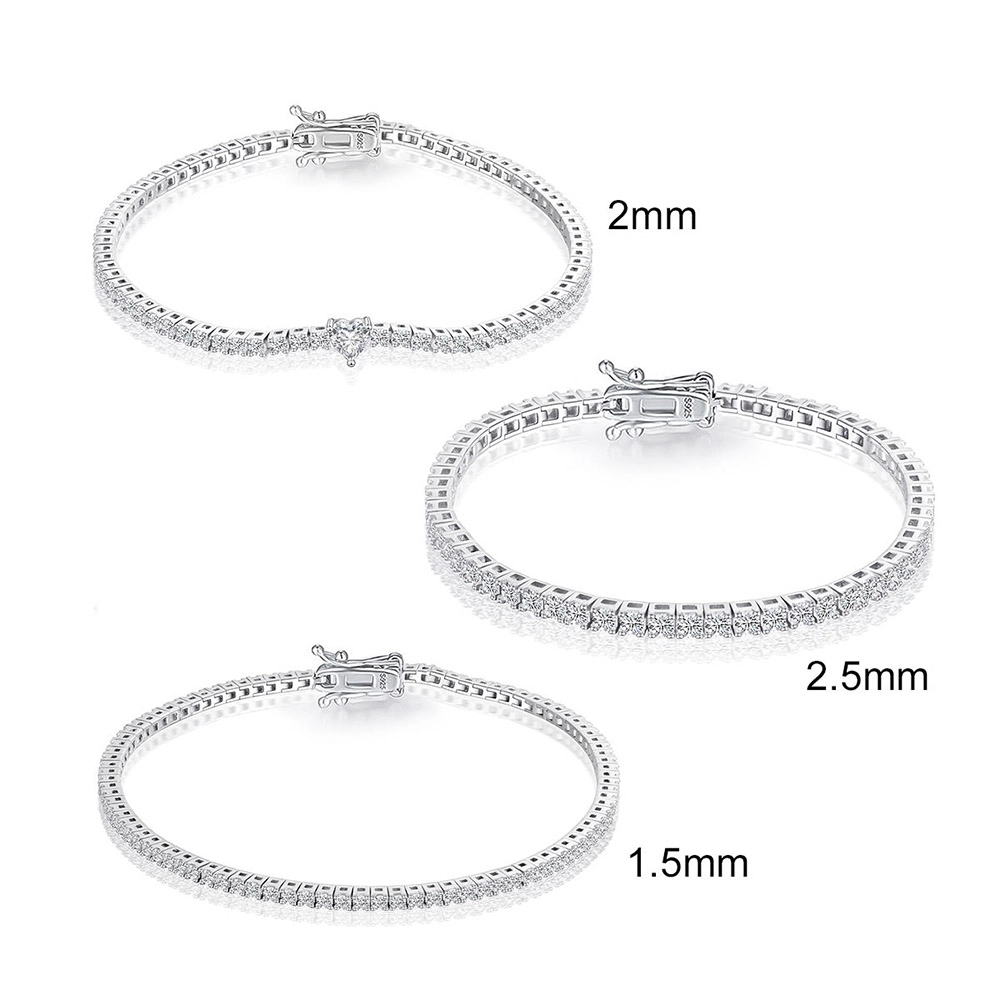
Customizable High-Quality Fashion 925 Sterling Silver AAA Cubic Zirconia Heart-Shaped Open Tennis Bracelet.
Read More
Brass Jewelry
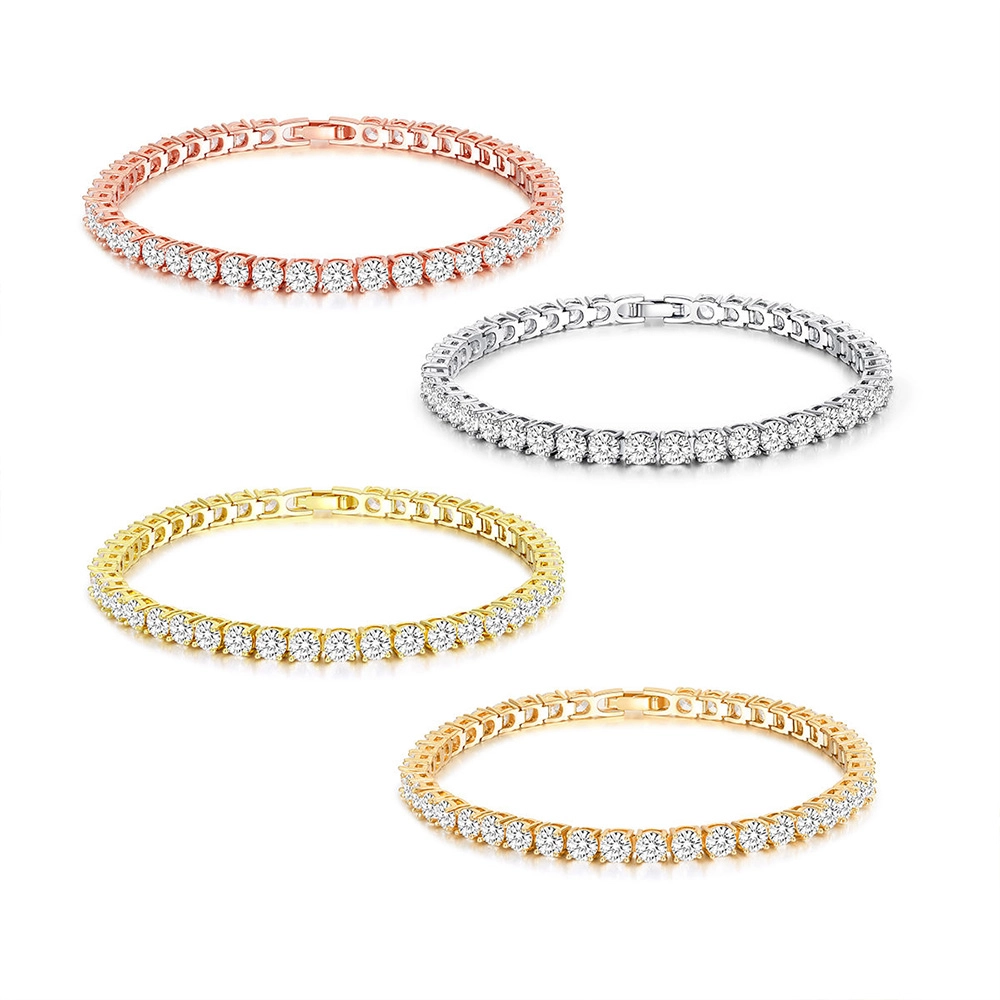
Customizable OEM ODM High-Quality Fashion Brass AAA Cubic Zirconia Classic Tennis Bracelet for Women Wholesale.
Read More
Get a Quote for Private Label Jewelry
We provide personalized jewelry customization services for clients worldwide.
Rest assured that your privacy is important to us, and all information provided will be handled with the utmost confidentiality.
By clicking 'Send Inquiry Now' I agree to ZHEFAN JEWELRY processing my personal data.
To see how to withdraw your consent, how to control your personal data and how we process it, please see our Privacy Policy and Terms of use.
From design to production, ZHEFAN JEWELRY offers a one-stop solution to help you enhance your brand value and market competitiveness.
Get A Quote
Contact
Tel: (+86) 188 1927 7817
© 2026 Zhefan Jewelry. All Rights Reserved.
Facebook
Instagram
YouTube
Whatsapp: +8618819277817