





Email: sales3@zhefanjewelry.com
Pearl Jewelry Manufacturer with Custom Packaging Services
A practical guide to sourcing pearl jewelry and coordinating custom packaging for retail, wholesale, and private-label programs. Learn how to assess pearl quality, compare cultured pearl types, specify packaging, plan quality checks, and evaluate a supplier’s production and communication processes. Our product portfolio includes pearl jewelry, brass jewelry, 925 silver jewelry, sterling silver jewelry, and gold vermeil jewelry.
- How to Evaluate a Pearl Jewelry Production Partner
- Specify pearl characteristics and metal components
- Assess sampling, traceability, and quality controls
- Choosing Cultured Pearls and Custom Jewelry Packaging
- Compare pearl types with the target assortment in mind
- Design packaging for protection, presentation, and logistics
- Managing Quotes, Compliance, and Production Risk
- Build a clear request for quotation
- Use measurable checkpoints from sample to shipment
- How Our Jewelry Range Can Support Assortment Planning
- Coordinate materials and packaging across a collection
- Prepare a practical supplier evaluation checklist
- Frequently Asked Questions
A pearl jewelry manufacturer can support a stronger retail or wholesale program when jewelry development and custom packaging are planned together. Buyers should assess pearl type, grading consistency, metal specifications, sampling, production controls, packaging protection, and branding options before placing an order. Coordinating these decisions early can reduce approval delays, limit damage in transit, and create a more consistent unboxing experience across replenishment orders. This guide explains how to evaluate suppliers, compare cultured pearl options, define packaging requirements, and align product choices with commercial goals.
How to Evaluate a Pearl Jewelry Production Partner
Sourcing pearl pieces involves more than selecting a style from a catalog. Product owners need to translate a brand concept into measurable specifications that a supplier can quote, sample, produce, inspect, and pack consistently. A clear brief should cover the intended customer, target price point, sales channel, assortment size, materials, packaging format, and launch date. These details help suppliers identify feasibility issues before sampling and allow procurement teams to compare proposals on equivalent terms.
Specify pearl characteristics and metal components
Pearls are organic gems, and appearance can vary according to factors such as size, shape, color, surface quality, and luster. Buyers should define acceptable ranges rather than rely on broad descriptors such as “High Quality” or “high quality.” The Gemological Institute of America’s pearl quality factors provide a useful framework for discussing these attributes. A purchase specification can identify a preferred luster level, size range, shape tolerance, visible surface characteristics, and the degree of variation acceptable within a batch.
Metal details require equal precision. Specify whether components should use brass, sterling silver, or another agreed alloy; document plating or finish requirements; and identify the construction details that affect wear, such as clasp type, post dimensions, and setting security. For gold vermeil, request clear information about the base metal and gold finish rather than treating the term as a substitute for a complete material specification. The supplier’s quotation and approved sample should refer to the same material and finish requirements.
Assess sampling, traceability, and quality controls
A sample approval process should establish a reliable reference for bulk production. Buyers can request a preproduction sample that reflects the final pearl selection, metal color, dimensions, findings, branding, and packaging. Approval records should include dated photographs or a signed sample sheet, with any permitted production tolerances stated in writing. This is particularly important when natural variation is part of the product: documented standards help separate acceptable variation from a material deviation.
Ask how the supplier checks incoming materials, assembly quality, surface finish, clasp operation, labeling, and finished-goods quantities. A practical inspection plan should define the inspection stage, sampling approach, defect categories, and corrective-action process. Buyers should also confirm how design files, approved samples, and packaging artwork are controlled between repeat orders. These questions help assess process maturity without assuming that a supplier’s general quality claims guarantee a particular outcome.
Choosing Cultured Pearls and Custom Jewelry Packaging
Product selection and packaging decisions affect one another. A delicate pendant, a multi-piece gift set, and a pair of stud earrings each require different presentation and protection considerations. Packaging should reflect the jewelry’s dimensions and fragility while supporting the brand’s retail position, shipping method, and price architecture. Bringing packaging requirements into the initial product brief can prevent late-stage changes to insert dimensions, box structure, or order costs.
Compare pearl types with the target assortment in mind
Freshwater and saltwater cultured pearls can serve different assortment and positioning needs, but neither category should be treated as a single uniform grade. Type, origin, shape, size, color, and quality all influence appearance and commercial suitability. The GIA’s pearl descriptions can help buyers understand common pearl categories and terminology. The comparison below is a sourcing guide, not a price list or a claim that one category is inherently superior.
| Comparison point | Freshwater cultured pearls | Saltwater cultured pearls | Buyer consideration |
|---|---|---|---|
| Common commercial categories | Often sold in a range of shapes and colors | Includes categories such as Akoya, South Sea, and Tahitian | Confirm the specific pearl category and origin information offered for each style. |
| Assortment planning | Can support varied silhouettes and accessible product concepts | May suit programs built around a distinct pearl type or luxury positioning | Match the pearl to the intended customer, retail price, and design rather than relying on category names alone. |
| Specification focus | Document shape, size, color, luster, and surface expectations | Document the same attributes and identify the named type where applicable | Review representative samples and state tolerances for batch variation. |
| Quality communication | Use visual criteria and agreed sample references | Use visual criteria, type identification, and agreed sample references | Ensure product descriptions and supplier documentation use consistent terminology. |
Design packaging for protection, presentation, and logistics
Custom packaging may include branded jewelry boxes, pouches, cards, inserts, care information, barcode labels, and outer shipping cartons. The correct configuration depends on the product and route to market. A retail box may prioritize shelf presentation, while a wholesale shipment also needs efficient case packing, product identification, and protection from movement. For online orders, consider how the jewelry is restrained inside the box and how the presentation pack is protected within the shipping carton.
Provide the supplier with jewelry dimensions, unit-pack requirements, brand assets, language requirements, barcode details, and the intended shipping configuration. Ask for a packaging sample with the actual item or a dimensionally representative sample before approving bulk production. Buyers pursuing environmental claims should specify the exact material and the evidence needed to substantiate any claim. The Forest Stewardship Council’s chain-of-custody certification information explains how certified material claims depend on controlled sourcing and supply-chain requirements; a logo or verbal assurance alone is not a substitute for verifying applicable claims and documentation.
Managing Quotes, Compliance, and Production Risk
Reliable procurement compares more than unit price. A complete commercial review accounts for development charges, tooling or setup costs where applicable, packaging components, sampling, quality inspection, freight assumptions, and replacement or rework arrangements. Buyers should ask suppliers to itemize costs and identify which specifications could change the quotation. This makes it easier to compare offers and understand the financial effect of adjusting materials, finishes, order quantities, or packaging.
Build a clear request for quotation
A request for quotation should include drawings or reference images, material requirements, pearl specifications, dimensions, finish, logo placement, packaging details, target quantities, delivery location, and required dates. If the program has multiple styles, provide a line-by-line assortment sheet so that quotations do not omit less visible components. State whether the expected price includes samples, packaging artwork setup, inspection, and export packing. Where a requirement is undecided, identify it as an open item and request a separately priced option rather than allowing assumptions to enter the order.
Written terms should also clarify sample ownership, approval milestones, production lead-time assumptions, delivery terms, payment schedule, and the process for handling nonconforming goods. Buyers should verify product descriptions and marketing statements against applicable market rules. In the United States, the FTC Jewelry Guides in the Electronic Code of Federal Regulations address claims and descriptions for jewelry products, including precious metals, gemstones, and pearls. Importers and brand owners should check the rules relevant to each destination market rather than assume one jurisdiction’s guidance applies worldwide.
Use measurable checkpoints from sample to shipment
Production control works best when checkpoints are agreed before bulk manufacturing begins. Common review points include preproduction sample approval, first-article review, in-process checks, final inspection, packaging verification, and carton-count reconciliation. The inspection criteria should connect directly to the approved specification: for example, the accepted size range, visible pearl characteristics, metal finish, assembly integrity, logo position, and packaging presentation. Photographs and written inspection records can help resolve questions across time zones and support repeat orders.
Buyers may also ask how the supplier documents process responsibilities and handles corrective actions. The ISO overview of quality management systems describes a systems-based approach to consistent processes and customer requirements. Certification, when claimed, should be verified for its scope and validity; it does not replace product-specific inspection or guarantee that every shipment conforms to a buyer’s specification. A balanced assessment combines documented processes with sample review, clear commercial terms, and appropriate inspection.
How Our Jewelry Range Can Support Assortment Planning
Our product range includes pearl jewelry, brass jewelry, 925 silver jewelry, sterling silver jewelry, and gold vermeil jewelry. That mix can help buyers consider coordinated collections across different materials, price tiers, and gifting occasions. For a brand developing a pearl-led range, related metal options can support variation in color, styling, and retail positioning while keeping the design brief organized around consistent brand standards. Selection should still be based on the approved specifications and samples for each individual product.
Coordinate materials and packaging across a collection
When buyers are planning multiple product families, packaging can serve as a unifying element even when the jewelry materials differ. Shared box proportions, a consistent logo treatment, coordinated inserts, and a common care-card format can create visual continuity across pearl, brass, and silver designs. At the same time, internal supports should be adapted to each item so that a necklace, ring, or earring pair is held securely. An assortment matrix listing style number, material, pearl details, packaging components, and labeling requirements can reduce confusion during sampling and ordering.
Our range gives buyers a basis for exploring these product combinations, while the procurement brief should determine the final materials, finishes, and packaging configuration. Before confirming a collection, project owners should align the approved product sample with its packaging sample and ensure both are reflected in the final order documents. This approach keeps product presentation connected to the actual specification rather than relying on broad collection descriptions.
Prepare a practical supplier evaluation checklist
For a useful supplier comparison, assess the completeness of the quotation, responsiveness to technical questions, ability to document material and packaging specifications, sample accuracy, quality-check procedures, and clarity of delivery assumptions. Buyers can also review the supplier’s communication process for change requests and repeat orders. These factors help reveal whether a proposal is workable for the business, not merely attractive on a headline price.
Before moving to production, confirm that each style has an approved specification sheet, sample status, packaging artwork version, quantity, delivery destination, and named approval contact. Keep records of any agreed exceptions. A disciplined handoff between product development, procurement, quality, and marketing teams can reduce the risk of mismatched expectations and make future replenishment more straightforward.
Contact us to discuss your product requirements or explore our pearl, brass, sterling silver, 925 silver, and gold vermeil jewelry range.
Frequently Asked Questions
What information should buyers include when requesting a quote for pearl jewelry?
Include drawings or reference images, material requirements, pearl specifications, dimensions, finish, logo placement, packaging details, target quantities, delivery location, and required dates. Ask suppliers to itemize sampling, setup, packaging, inspection, and export-packing costs, and identify open specifications separately.
How can buyers compare freshwater and saltwater cultured pearls?
Compare the specific pearl category, origin information offered, shape, size, color, luster, surface characteristics, sample consistency, and suitability for the target customer and retail price. Category names alone do not establish quality, so document acceptable attributes and review representative samples.
What should custom jewelry packaging include?
Depending on the product and sales channel, packaging can include branded boxes, pouches, inserts, care information, barcode labels, and outer shipping cartons. Buyers should specify dimensions, materials, branding, language, labeling, and shipping requirements, then approve a representative packaging sample.
How can a buyer verify production quality before shipment?
Agree on measurable inspection criteria and checkpoints before production, such as preproduction sample approval, in-process checks, final inspection, packaging verification, and carton-count reconciliation. Criteria should match the approved specification for pearl characteristics, materials, finish, assembly, branding, and packaging.
Does an ISO 9001 certificate guarantee that every jewelry order will meet its specification?
No. A quality management system can provide evidence of documented processes, but certification does not replace product-specific inspection or guarantee conformity for every shipment. Buyers should verify the certificate’s scope and validity and use approved samples, written specifications, and appropriate inspection.
What should buyers check when making jewelry or packaging claims?
Check that product descriptions and environmental or material claims are supported by accurate documentation and comply with the rules in the markets where the goods will be sold. Verify the relevant supply-chain evidence for any certification or sourcing claim rather than relying only on a logo or verbal assurance.
Tags
silver bracelet manufacturers wholesale
silver bracelet manufacturers wholesale
custom silver necklace
custom silver necklace
affordable brass chunky hoop earrings
affordable brass chunky hoop earrings
925 silver bracelet odm supplier
925 silver bracelet odm supplier
bridal tennis bracelet manufacturer
bridal tennis bracelet manufacturer
recycled brass jewelry manufacturer
recycled brass jewelry manufacturer
Recommended for you
Custom brass necklaces Manufacturers and Suppliers
Eco-Friendly 925 Silver Rings: Sustainable Sourcing for Retailers
3D Printing & Tech for custom brass jewelry Production
Quality Control Checklist for Silver Bracelet Suppliers
Product Categories
You may also like
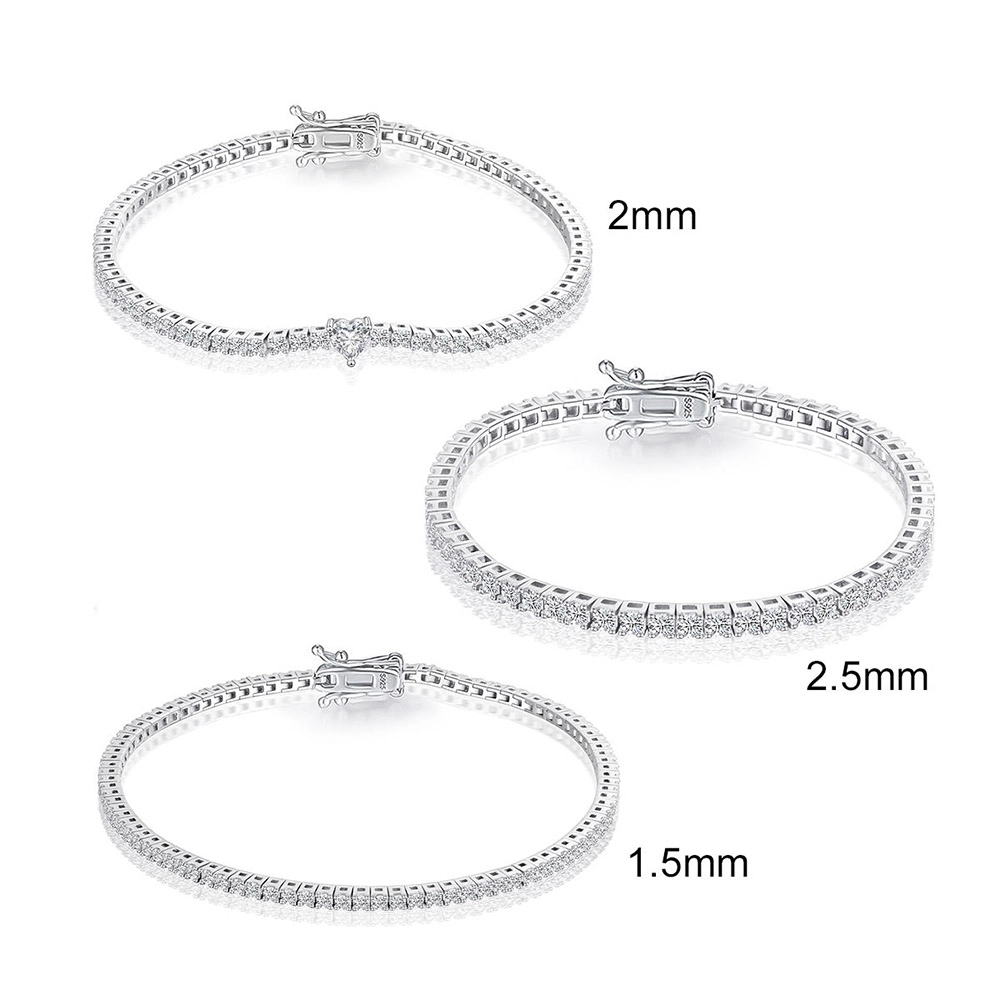
925 Silver Jewelry
Customizable High-Quality Fashion 925 Sterling Silver AAA Cubic Zirconia Heart-Shaped Open Tennis Bracelet.
Read More
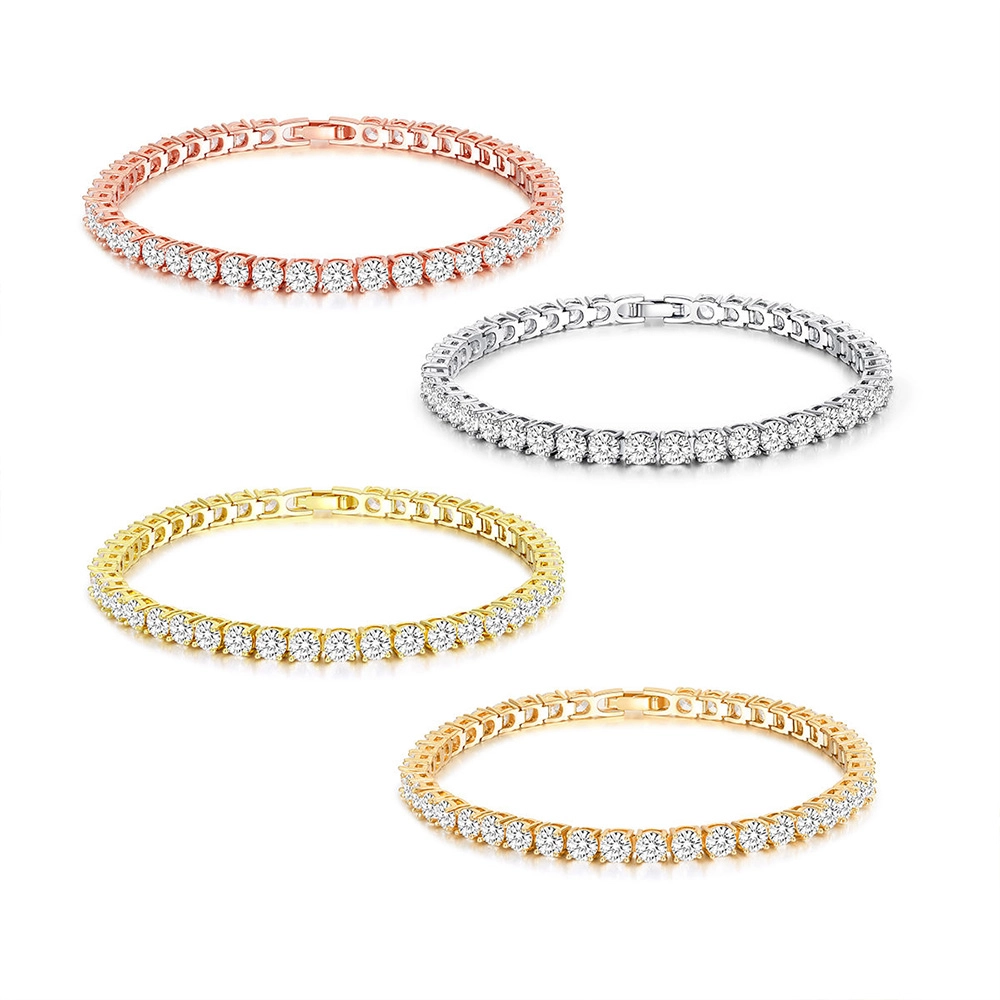
Brass Jewelry
Customizable OEM ODM High-Quality Fashion Brass AAA Cubic Zirconia Classic Tennis Bracelet for Women Wholesale.
Read More
Get a Quote for Private Label Jewelry
We provide personalized jewelry customization services for clients worldwide.
Rest assured that your privacy is important to us, and all information provided will be handled with the utmost confidentiality.
By clicking 'Send Inquiry Now' I agree to ZHEFAN JEWELRY processing my personal data.
To see how to withdraw your consent, how to control your personal data and how we process it, please see our Privacy Policy and Terms of use.
From design to production, ZHEFAN JEWELRY offers a one-stop solution to help you enhance your brand value and market competitiveness.
Get A Quote
Contact
Tel: (+86) 188 1927 7817
© 2026 Zhefan Jewelry. All Rights Reserved.
Facebook
Instagram
YouTube
Whatsapp: +8618819277817