










Email: sales3@zhefanjewelry.com
How to Negotiate Better Terms with a Pearl Jewelry Manufacturer
A practical guide for jewelry brands, retailers, and distributors negotiating price, minimum order quantities, quality standards, sampling, lead times, payment terms, and shipping with a pearl jewelry supplier. Learn how to compare quotations on a like-for-like basis, define measurable acceptance criteria, protect against production and delivery risks, and assess product options across pearl, sterling silver, gold vermeil, and brass jewelry.
- Build a Negotiation Plan Around the Full Jewelry Order
- Define the product before discussing price
- Compare total landed cost, not just the quoted unit price
- Convert Quality and Delivery Expectations into Contract Terms
- Make the approved sample and inspection plan operational
- Negotiate realistic lead times and protect the launch date
- Use a Structured Negotiation and Evaluate the Relationship
- Trade concessions instead of making one-sided requests
- Assess product range and supplier fit without assuming capability
- Frequently Asked Questions
Negotiating better terms with a pearl jewelry manufacturer means aligning price, minimum order quantity (MOQ), pearl specifications, workmanship, production timing, payment milestones, and delivery responsibilities—not simply requesting a lower unit cost. Buyers can improve commercial outcomes by sharing a clear brief, comparing equivalent quotations, approving a documented pre-production sample, and putting inspection, defect remedies, packaging, and shipping terms in writing. The same disciplined process helps brands and distributors source pearl designs alongside sterling silver, gold vermeil, and brass collections while protecting product consistency, cash flow, and launch schedules.
Build a Negotiation Plan Around the Full Jewelry Order
Define the product before discussing price
A quotation is only useful when every supplier is pricing the same specification. Prepare a product brief that identifies the design, dimensions, pearl type, pearl size range, color, shape, surface expectations, setting, metal alloy, plating or finish, clasp, chain, and packaging. Include a drawing or reference image where possible, but do not rely on an image alone: a photograph rarely communicates tolerances, construction details, or acceptable natural variation.
Pearls require particularly careful description because luster, surface characteristics, shape, color, size, nacre, and matching all affect appearance and value. The Gemological Institute of America’s pearl quality factors provide useful terminology for discussing pearl appearance. Use those characteristics to describe the intended look, then agree with the supplier on practical acceptance ranges. If the collection uses matched pearls, specify how closely pairs or strands must match and whether natural differences in color or shape are acceptable.
For metal and finish, name the material and construction rather than using a broad label such as “silver look” or “gold tone.” State whether a design calls for sterling silver, gold vermeil, or brass, and identify relevant components, plating expectations, and any required markings. For consumer-facing descriptions in the United States, review the Federal Trade Commission Jewelry Guides so material and treatment claims are accurate and not misleading.
Compare total landed cost, not just the quoted unit price
A low factory price can be outweighed by sample charges, tooling, packaging, testing, inspection, freight, insurance, customs duties, payment fees, or avoidable rework. Ask each candidate supplier to separate one-time charges from recurring costs and to clarify what is included in the unit price. Request a quotation at more than one order quantity when the commercial plan supports it; this shows how pricing changes with volume without obligating the buyer to overstock.
Calculate the landed cost for the same delivery destination and shipment assumptions. Confirm the shipping term, named place, packaging configuration, carton details, and whether freight is included. The International Chamber of Commerce explains that Incoterms rules allocate defined responsibilities, costs, and risks between sellers and buyers. Naming the applicable rule and place in the purchase agreement reduces confusion, but it does not replace a complete agreement on product quality, payment, or remedies.
Use a comparison sheet to make trade-offs visible instead of treating every concession as equivalent. The examples below are negotiation tools, not universal market prices or mandatory commercial terms; actual feasibility depends on design complexity, materials, order size, capacity, and destination.
| Term | Basic quotation approach | Stronger buyer approach | Why it matters |
|---|---|---|---|
| Price | Compare a single unit-price figure | Compare the same specification, quantity, packaging, and delivery basis; list one-time charges separately | Prevents hidden cost differences from distorting supplier comparisons |
| MOQ | Accept a single quantity threshold | Ask for tiered pricing, a paid pilot, or a mixed-style order where production allows | Connects inventory exposure to actual demand and production economics |
| Quality | Approve a photo or general description | Approve a sealed or identified reference sample and written inspection criteria | Creates a shared production benchmark and a basis for resolving disputes |
| Delivery | Accept an estimated ship date | Agree on milestones, a shipment window, the delivery term, and notice of delays | Makes schedule risk and shipping responsibilities easier to manage |
| Payment | Agree to a deposit without milestones | Link payment stages to documented events such as order confirmation, sample approval, or inspection | Clarifies cash-flow expectations and the evidence required for each payment |
Convert Quality and Delivery Expectations into Contract Terms
Make the approved sample and inspection plan operational
A pre-production sample is a commercial control, not just a design preview. Record the sample version, approved materials, dimensions, pearl characteristics, finish, and any agreed tolerances. Confirm whether the supplier must return or retain the reference sample and how changes will be authorized. If a sample differs from the final production order, document the approved difference rather than assuming the factory will infer it.
Agree on inspection timing and the method for handling nonconforming goods before production starts. Specify who may inspect, whether inspection occurs before shipment, what records or photographs are required, and how defects are classified. A buyer may choose visual checks, measurement checks, functional testing, or an independent inspection depending on product risk and order value. Where statistical sampling is appropriate, ISO 2859-1 describes sampling schemes indexed by acceptance quality limit (AQL) for inspection by attributes. It is a framework to specify—not a promise that every individual piece will be defect-free—so the contract should still define defect categories and remedies.
For pearl pieces, distinguish natural variation from workmanship defects. A written standard might set acceptable ranges for pearl size and color while treating a loose setting, damaged clasp, sharp edge, or material mismatch as a defect. Establish remedies that fit the risk: repair, replacement, credit, or refund, plus a process and deadline for reporting problems. Make clear whether the remedy applies to confirmed defective units, the affected batch, or another agreed scope.
Negotiate realistic lead times and protect the launch date
Ask the supplier to separate the timeline into design confirmation, material sourcing, sample approval, production, quality inspection, and dispatch. Identify the date from which the production clock begins; it may depend on deposit receipt, final artwork, or approval of a sample. A calendar estimate without these conditions can create different expectations on both sides.
Discuss capacity and material availability for the specific order rather than asking only whether a supplier can meet a date. Agree on how often the supplier will report progress, when a delay must be reported, and which options are available if a critical milestone slips. For seasonal launches, leave time for inspection, transit, customs processing, and possible corrections. If schedule certainty has commercial value, negotiate a defined escalation process or a practical remedy rather than relying on informal assurances.
Payment terms should reflect both parties’ exposure. A supplier may need a deposit to reserve materials or production capacity, while a buyer may seek a balance tied to completion or inspection evidence. Specify currency, bank charges, payment due dates, and the documents needed for each milestone. Avoid tying payment to an undefined phrase such as “satisfactory quality”; define the inspection process and response window so the condition is actionable.
Use a Structured Negotiation and Evaluate the Relationship
Trade concessions instead of making one-sided requests
Before the negotiation, rank priorities. A buyer may value a lower MOQ, stable pearl matching, faster replenishment, flexible packaging, or a payment schedule more than a small reduction in unit price. Ask the supplier which production variables have the greatest effect on cost, then explore changes that preserve the product’s essential value. Simplifying a custom component, standardizing a clasp across several designs, or consolidating packaging may be more workable than demanding a discount with no change in order economics.
Use conditional proposals: for example, a buyer might accept a longer lead time in exchange for a lower MOQ, or commit to a repeat-order forecast in return for a price review after the first production run. Keep forecasts distinct from binding purchase orders unless the agreement explicitly says otherwise. Any volume commitment should identify quantities, dates, cancellation rights, and the assumptions behind the pricing. Document each accepted concession in the quotation or purchase order so that it does not disappear during handoff.
When reviewing suppliers, assess communication quality as well as price. A reliable production partner should ask clarifying questions, identify limitations, flag changes before proceeding, and provide consistent records for samples and orders. Request relevant business documents and production references where appropriate, while recognizing that certificates should be checked for scope, validity, issuing organization, and relevance to the product or facility. A polished sales presentation is not a substitute for a verifiable process.
Assess product range and supplier fit without assuming capability
In the latter stage of supplier evaluation, compare whether a partner can support the wider collection strategy as well as a single pearl style. Our product portfolio includes pearl jewelry, Brass Jewelry, 925 silver jewelry, Sterling Silver Jewelry, and gold vermeil jewelry. Buyers considering these categories can apply the same disciplined sourcing framework: define base materials and finishes, approve production samples, set measurable acceptance criteria, and confirm order-specific capacity and lead times before making commitments.
Our team’s commercial approach is to make the scope of an order clear before terms are finalized, so buyers can assess product details, costs, and delivery assumptions against their own requirements. No supplier should be assumed to meet a particular certification, testing, customization, or production-volume requirement unless it is verified and documented for the relevant order. Buyers should request the information needed for their market and product claims, agree on who is responsible for providing it, and retain approved specifications with the purchase records.
After the first order, use actual performance to inform the next negotiation. Track sample-to-production differences, defect and return patterns, on-time shipment performance, responsiveness, landed cost, and the accuracy of order documentation. Share specific findings with the supplier and agree on corrective actions. A documented scorecard helps distinguish a one-off issue from a recurring process problem and gives both parties a clearer basis for discussing repeat-order pricing, forecast planning, and process improvements.
Better terms are sustainable when they reduce uncertainty for both sides. The strongest agreements connect commercial concessions to defined quantities, approved specifications, observable milestones, and workable remedies. Buyers who prepare those details can negotiate with confidence while protecting margin, product standards, and customer commitments.
Contact our team to discuss your collection requirements or explore our pearl, silver, gold vermeil, and brass jewelry products.
Frequently Asked Questions
How can buyers negotiate a lower MOQ for pearl jewelry?
Ask for tiered pricing, a paid pilot order, or a mixed-style order where production allows. Discuss which production variables affect cost and consider a longer lead time or a repeat-order forecast in exchange for MOQ flexibility. Keep any volume commitment, dates, and cancellation terms in writing.
What should a pearl jewelry quotation include?
A useful quotation should identify the product specification, pearl characteristics, metal and finish, order quantity, unit price, one-time charges, packaging, lead time, payment terms, shipping basis, and named delivery place. Compare quotations only when their specifications and delivery assumptions match.
How should a buyer define pearl quality before placing an order?
Document relevant appearance factors such as pearl type, size range, color, shape, surface expectations, luster, and matching, alongside the setting and workmanship requirements. Approve a pre-production sample and distinguish acceptable natural variation from defects such as a loose setting or damaged clasp.
Should jewelry buyers use AQL inspection for pearl jewelry?
Statistical sampling may be appropriate depending on order value and product risk. ISO 2859-1 provides sampling schemes indexed by AQL for inspection by attributes, but it does not guarantee that every individual piece is defect-free. The purchase agreement should define defect categories, inspection timing, and remedies.
How can buyers protect a jewelry launch date?
Break the timeline into material sourcing, sample approval, production, inspection, and dispatch milestones. Define when the production clock starts, request progress updates, require notice of delays, and allow time for freight, customs processing, and possible corrections.
What payment terms should a buyer request from a jewelry supplier?
Negotiate payment stages tied to clear events, such as order confirmation, sample approval, or inspection documentation. Specify currency, bank charges, due dates, and required evidence for each milestone, and avoid relying on undefined conditions such as satisfactory quality.
Tags
custom patina brass earrings
custom patina brass earrings
geometric necklace
geometric necklace
gold filled nickel free brass jewelry
gold filled nickel free brass jewelry
wholesale 925 sterling silver bracelets
wholesale 925 sterling silver bracelets
urn pendant necklace wholesale
urn pendant necklace wholesale
wholesale 925 bracelets suppliers
wholesale 925 bracelets suppliers
Recommended for you
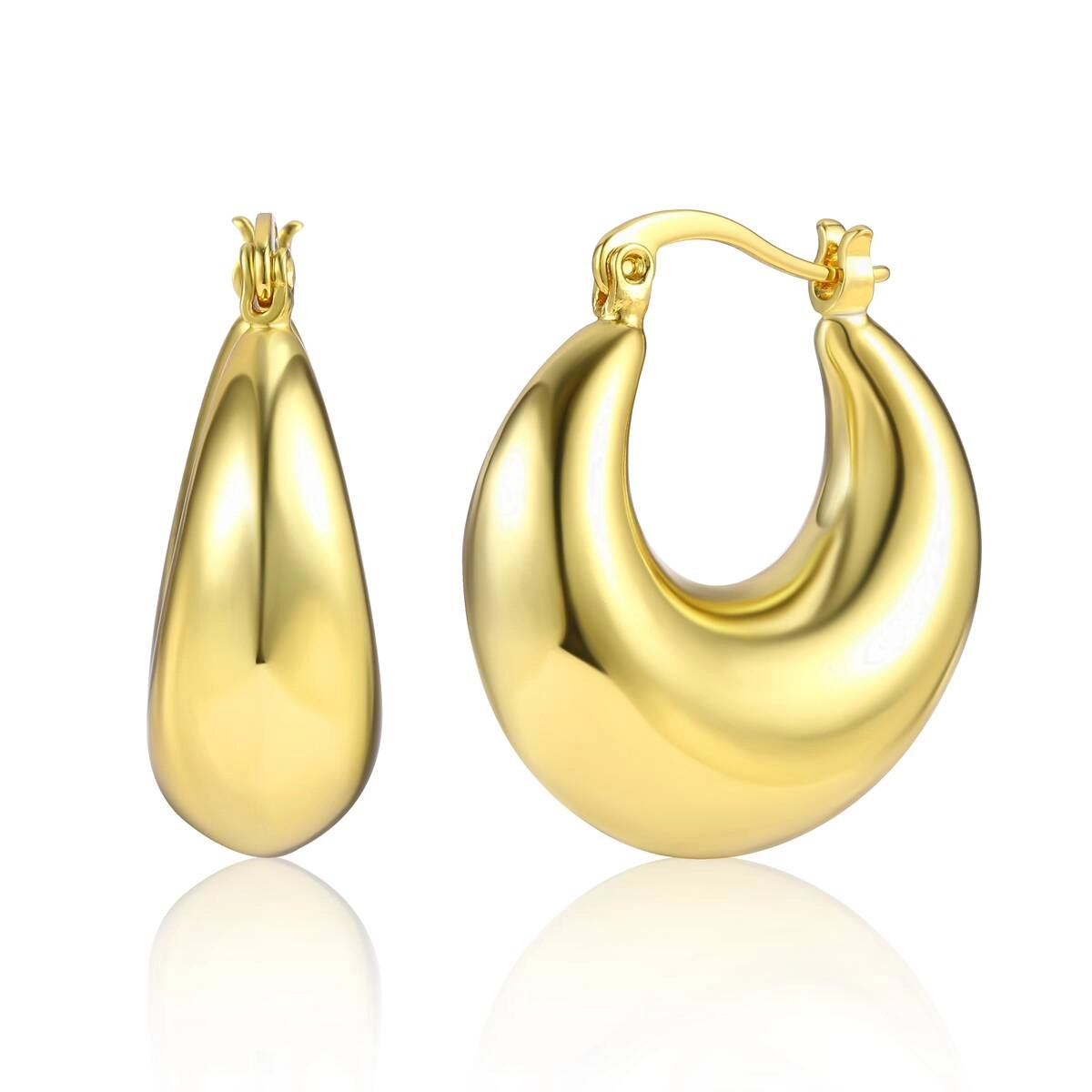
Gold-Plated Chunky Hoop Earrings — Wholesale Fashion Jewelry Manufacturer
Top Questions to Ask Your brass jewelry manufacturer Before Ordering
Color Plating Durability for Custom Brass Necklaces
Trend Forecast: The Future of 925 Sterling Silver Tennis Bracelet Designs and Consumer Demand
Product Categories
You may also like

925 Silver Jewelry
Customizable High-Quality Fashion 925 Sterling Silver AAA Cubic Zirconia Heart-Shaped Open Tennis Bracelet.
Read More

Brass Jewelry
Customizable OEM ODM High-Quality Fashion Brass AAA Cubic Zirconia Classic Tennis Bracelet for Women Wholesale.
Read More
Get a Quote for Private Label Jewelry
We provide personalized jewelry customization services for clients worldwide.
Rest assured that your privacy is important to us, and all information provided will be handled with the utmost confidentiality.
By clicking 'Send Inquiry Now' I agree to ZHEFAN JEWELRY processing my personal data.
To see how to withdraw your consent, how to control your personal data and how we process it, please see our Privacy Policy and Terms of use.
From design to production, ZHEFAN JEWELRY offers a one-stop solution to help you enhance your brand value and market competitiveness.
Get A Quote
Contact
Tel: (+86) 188 1927 7817
© 2026 Zhefan Jewelry. All Rights Reserved.
Facebook
Instagram
YouTube
Whatsapp: +8618819277817