










Email: sales3@zhefanjewelry.com
How the Jewelry Manufacturing Process Works From Design Brief to Finished Product
Jewelry production moves through a sequence of decisions: translating a design brief into specifications, selecting materials and construction methods, approving a prototype, manufacturing the order, and verifying quality before shipment. Understanding these stages helps brand owners manage cost, sampling, lead time, and product consistency when working with a manufacturing partner.
- From Jewelry Concept to Production-Ready Specification
- 1. Translate the design brief into manufacturing requirements
- 2. Select materials and a construction method
- Sampling, Costing, and Approval Before the Order
- 3. Develop drawings, CAD, and a physical sample
- 4. Confirm the cost structure, minimums, and production schedule
- Production Controls, Inspection, and Shipment Readiness
- 5. Manufacture the approved design consistently
- 6. Inspect the product and prepare it for delivery
- How a Product-Focused Supplier Can Support a Better Launch
- Build a practical sourcing brief around the product range
- Evaluate partnership fit through evidence and process clarity
- Frequently Asked Questions
The jewelry manufacturing process turns a commercial concept into a repeatable product through a defined sequence: design briefing, technical specification, material and process selection, prototyping, production, quality control, and packing. For brand owners and buyers assessing jewelry manufacturers for small businesses, the most effective way to control cost and delivery risk is to approve measurable product requirements before production begins, including dimensions, alloy, finish, stone or pearl details, tolerances, packaging, and inspection criteria.
From Jewelry Concept to Production-Ready Specification
1. Translate the design brief into manufacturing requirements
A design brief should explain more than how a piece looks. It should define the target customer, intended retail price, expected wear conditions, sales channel, launch date, and quantity range. Reference images and sketches are useful starting points, but a manufacturer also needs dimensions, component relationships, closure type, surface finish, stone or pearl arrangement, and any branding or packaging requirements. These details help the production team identify design features that could affect durability, assembly time, or unit cost.
Buyers should distinguish between fixed requirements and areas open to adjustment. A required pendant silhouette or metal color may be non-negotiable, while chain length, clasp style, or stone setting may have practical alternatives. Documenting those priorities early gives the supplier room to recommend changes without compromising the product’s commercial identity. It also creates a baseline for later sample approval and quality inspection.
2. Select materials and a construction method
Material choice influences appearance, weight, price, care instructions, and manufacturing route. Brass is often used for fashion jewelry and can be finished in different colors through plating. Sterling silver and 925 silver refer to an alloy containing 92.5% silver, with the balance typically made up of other metals to support workable properties. Gold vermeil combines a sterling silver base with a gold coating; buyers should specify the required gold quality and coating thickness rather than relying on the term alone. Pearl jewelry adds further choices, including pearl type, size, shape, luster, matching, and drilling or setting method.
Construction may use casting, stamping, wire forming, hand fabrication, or a combination of methods. Casting can support detailed forms and repeated shapes, while stamping is suited to components produced from sheet metal with tooling. Fabrication and assembly may be preferable for certain structures or lower-volume designs. Material and process decisions should be evaluated together: a thin decorative feature, for example, may need reinforcement or a revised geometry to withstand daily handling.
For products sold in the United States, claims about metal content and plating should be accurate and supported by supplier documentation. The U.S. Federal Trade Commission Jewelry Guides explain relevant guidance for describing precious metals and jewelry finishes. Buyers selling in other markets should check the rules that apply to their destination and product claims.
Sampling, Costing, and Approval Before the Order
3. Develop drawings, CAD, and a physical sample
After the brief is clarified, the manufacturer converts the concept into production information. Depending on the design, this may include dimensioned drawings, computer-aided design (CAD) files, stone or pearl layouts, component specifications, and notes on finish and assembly. The technical file should identify critical measurements and tolerances, because vague instructions make it harder to distinguish an acceptable variation from a defect.
A prototype or pre-production sample tests whether the design works as an object, not only as an image. Buyers should inspect scale, weight, comfort, closure function, balance, surface quality, stone security, and how the piece appears under typical lighting. A sample review should produce a written approval record, including photographs and any changes requested. If revisions affect tooling, materials, or assembly steps, the supplier should explain their impact on cost and schedule before the order is confirmed.
4. Confirm the cost structure, minimums, and production schedule
A quote may include metal or other materials, labor, tooling, finishing, stones or pearls, packaging, and inspection. These cost elements can respond differently to order quantity. Custom molds or dies may create an initial development expense, while material yield, hand-assembly time, and finishing requirements can affect each unit. Buyers should ask which charges are one-time, which are recurring, and how substitutions or design revisions change the estimate.
Minimum order quantities are not universal; they depend on the product, production method, material sourcing, and supplier’s operating model. A small launch quantity may be feasible for an assembled design using available components, while a custom casting or specialized finish may require a larger commitment. Confirm the production start point, sample approval deadline, material availability, inspection window, packing time, and shipping allowance. A single quoted lead time is less useful than a schedule showing these milestones and the decisions required from the buyer.
| Production route | Typical application | Buyer consideration | Useful control |
|---|---|---|---|
| Casting | Three-dimensional forms and repeated components | Tooling and sample approval may be needed before a production run | Approve the master sample and critical dimensions |
| Stamping | Repeated shapes made from sheet material | Tooling, sheet thickness, and edge quality affect the result | Specify thickness, outline, and finish expectations |
| Hand fabrication and assembly | Wire forms, joined components, and designs requiring manual work | Labor content and operator technique can affect consistency | Define assembly details and inspect a representative sample |
| Plating or surface finishing | Color, luster, or protective surface treatment | Base metal, preparation, coating specification, and wear conditions matter | Record the finish specification and verify appearance against an approved sample |
The table describes common production routes, not a universal ranking: the suitable method depends on the design and order requirements. Quality systems can help make responsibilities and checks more consistent. ISO 9001 sets out requirements for quality management systems; it does not certify that every individual jewelry item is defect-free, so buyers should still agree on product-specific acceptance criteria.
Production Controls, Inspection, and Shipment Readiness
5. Manufacture the approved design consistently
Once the buyer approves the sample and production file, the supplier can release materials and begin the order. Depending on the piece, work may involve cutting or casting, forming, soldering or joining, stone setting, polishing, plating, pearl matching, and final assembly. Some operations happen in sequence; others may be completed by specialist subcontractors. Buyers should establish who is responsible for each stage and how changes to a material or process will be communicated.
Consistency depends on using the approved specification as the production reference. A jewelry supplier should retain clear records of the chosen materials, finish, components, and sample version. For multi-style orders, each style should have its own identification and inspection requirements. This reduces mix-ups and gives both parties a practical way to investigate differences in color, dimensions, or construction across a shipment.
6. Inspect the product and prepare it for delivery
Inspection should reflect how the product will be used and sold. Visual checks can identify scratches, uneven finish, visible solder marks, or inconsistent color. Functional checks may cover clasp operation, joint strength, stone security, and matching of paired earrings. Dimensional checks are appropriate where fit, chain length, or component alignment matters. The buyer and supplier should agree on the sample size, defect categories, and acceptable limits before inspection rather than resolving those rules after a problem appears.
Packaging is also part of readiness for sale. Individual protection, labels, barcodes, care cards, and retail presentation may be needed depending on the sales channel. Buyers should confirm packaging specifications and carton quantities alongside product approval. For pearl pieces, handling and storage considerations can differ from those for metal-only products; the Gemological Institute of America’s pearl education provides background on pearl characteristics that can inform product descriptions and buyer education.
When sourcing involves multiple suppliers or materials, traceability and responsible business practices may also form part of procurement review. The Responsible Jewellery Council Code of Practices describes standards covering responsible business practices in the jewelry supply chain. Buyers should assess supplier documentation against their own sourcing policy and applicable market requirements.
How a Product-Focused Supplier Can Support a Better Launch
Build a practical sourcing brief around the product range
For emerging labels, retailers, and distributors, choosing a manufacturing partner is not only a matter of finding a low unit price. A useful partner helps make the brief manufacturable, flags specification gaps, and makes the effect of design choices visible before the order is placed. The sourcing conversation should cover product category, expected quantity, target price range, preferred materials, finish, sampling needs, and delivery expectations. This gives both sides a stronger basis for assessing feasibility and next steps.
Our product focus includes Brass Jewelry, 925 silver jewelry, Sterling Silver Jewelry, gold vermeil jewelry, and pearl jewelry. These categories call for different material, construction, and finish considerations, so a clear brief is essential to align the design with the intended product. We encourage buyers to identify the category and performance expectations early, then document the approved sample and specifications before placing a production order. This approach helps keep product decisions, cost discussions, and quality checks connected.
Evaluate partnership fit through evidence and process clarity
Before committing, buyers can assess a supplier by asking for relevant product examples, a clear quotation, an explanation of sampling and revision steps, and written confirmation of material and finish specifications. It is also useful to understand how production updates are shared, how approval is recorded, and how a nonconforming item is handled. These questions are particularly important for smaller brands balancing limited inventory investment against the need for a dependable launch.
Good procurement practice treats the first order as a controlled process rather than a single transaction. A buyer who provides complete artwork and specifications, responds promptly to sample questions, and approves a documented reference sample makes it easier to manage production. A manufacturer that communicates constraints and records agreed requirements gives the buyer a stronger basis for planning repeat orders. Together, these practices reduce avoidable rework and support more consistent product delivery.
To discuss a jewelry range or explore Brass Jewelry, 925 silver jewelry, Sterling Silver Jewelry, gold vermeil jewelry, and pearl jewelry, contact our team or view our product range.
Frequently Asked Questions
What information should a buyer include in a jewelry manufacturing brief?
Include the target customer, intended retail price, sales channel, launch date, quantity range, dimensions, alloy or material, finish, closure, stone or pearl details, branding, packaging, and any requirements that are fixed versus open to adjustment.
What is the difference between casting, stamping, and hand fabrication?
Casting is commonly used for three-dimensional forms and repeated components. Stamping produces repeated shapes from sheet material. Hand fabrication and assembly suit wire forms, joined components, and designs requiring manual work. The right route depends on the design, quantity, and required construction.
Why is a pre-production sample important?
A sample lets buyers assess scale, weight, comfort, closure function, balance, surface quality, stone security, and appearance before production. Written approval with photographs and recorded changes gives the production team a reference and helps clarify the effect of revisions on cost and schedule.
How can buyers compare jewelry manufacturing quotes?
Review whether each quote separates material, labor, tooling, finishing, stones or pearls, packaging, and inspection. Ask which charges are one-time or recurring, how order quantity affects pricing, and how design or material changes would alter the estimate.
What should quality inspection cover for finished jewelry?
Inspection can include visual checks for scratches and finish consistency, functional checks for clasps and joints, stone security, matching of paired items, and dimensional checks where fit or alignment matters. Agree on defect categories, sampling, and acceptance limits before inspection.
How should buyers assess a jewelry supplier before placing an order?
Ask for relevant product examples, a clear quotation, an explanation of sampling and revisions, written material and finish specifications, production-update procedures, sample-approval records, and a defined process for handling nonconforming products.
Tags
eco friendly brass earring supplier
eco friendly brass earring supplier
brass rings for crafts
brass rings for crafts
private label mother of pearl heart necklace
private label mother of pearl heart necklace
mother of pearl heart necklace set
mother of pearl heart necklace set
brass tennis bracelet trade show supplier
brass tennis bracelet trade show supplier
adjustable tennis bracelet kids bulk supplier
adjustable tennis bracelet kids bulk supplier
Recommended for you
Packaging Solutions for Bulk Custom Brass Necklaces
Lead Time Optimization for Mother of Pearl Stud Earrings
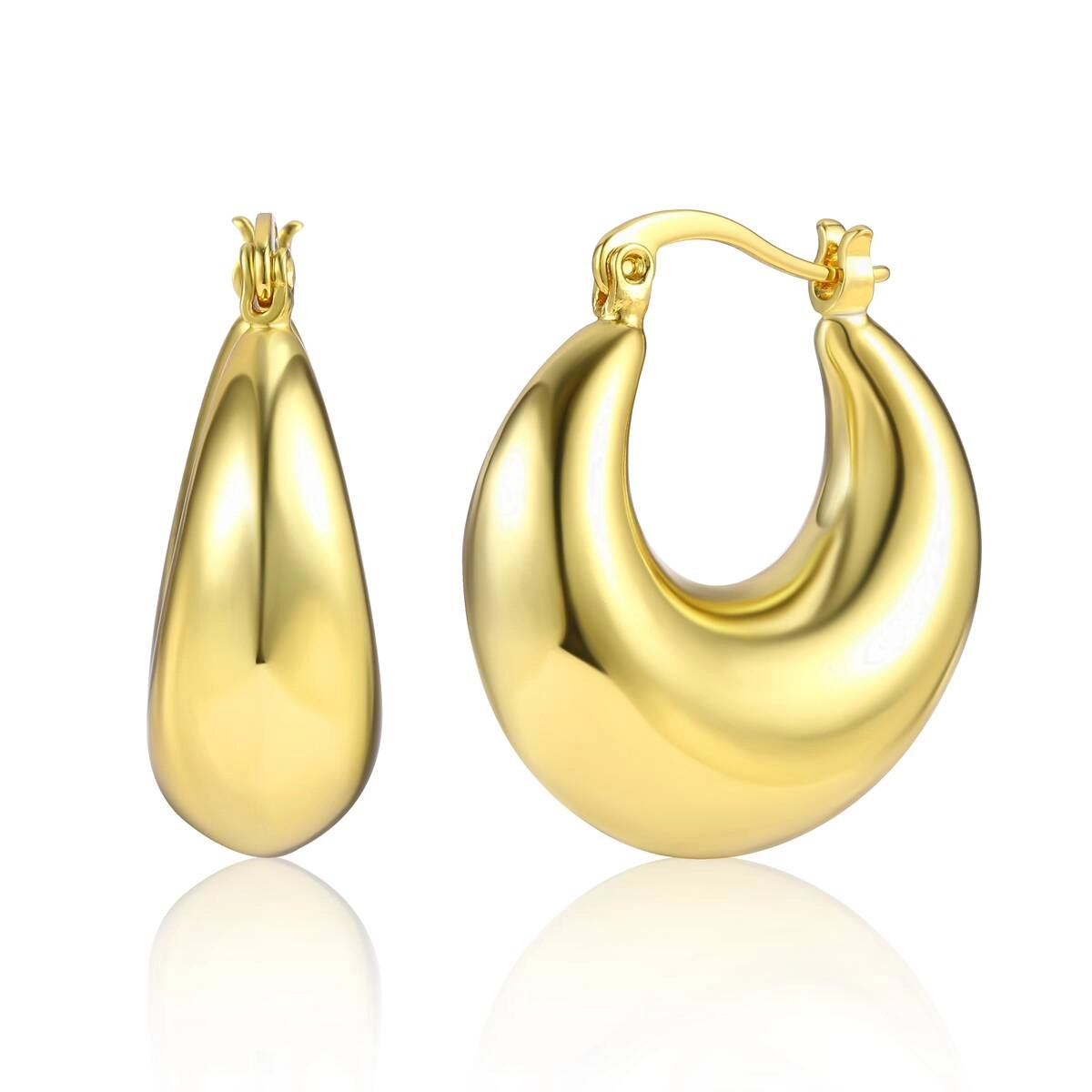
Gold-Plated Chunky Hoop Earrings — Wholesale Fashion Jewelry Manufacturer
Anti-Tarnish Treatments for Gold Plated Earrings
Product Categories
You may also like

925 Silver Jewelry
Customizable High-Quality Fashion 925 Sterling Silver AAA Cubic Zirconia Heart-Shaped Open Tennis Bracelet.
Read More

Brass Jewelry
Customizable OEM ODM High-Quality Fashion Brass AAA Cubic Zirconia Classic Tennis Bracelet for Women Wholesale.
Read More
Get a Quote for Private Label Jewelry
We provide personalized jewelry customization services for clients worldwide.
Rest assured that your privacy is important to us, and all information provided will be handled with the utmost confidentiality.
By clicking 'Send Inquiry Now' I agree to ZHEFAN JEWELRY processing my personal data.
To see how to withdraw your consent, how to control your personal data and how we process it, please see our Privacy Policy and Terms of use.
From design to production, ZHEFAN JEWELRY offers a one-stop solution to help you enhance your brand value and market competitiveness.
Get A Quote
Contact
Tel: (+86) 188 1927 7817
© 2026 Zhefan Jewelry. All Rights Reserved.
Facebook
Instagram
YouTube
Whatsapp: +8618819277817