










Email: sales3@zhefanjewelry.com
Beyond the Shine: How to Verify Supplier Ethical Sourcing for 925 Silver Material in Your Jewelry
This comprehensive guide explores the critical importance of ethical sourcing for 925 silver material in the jewelry industry. Learn practical steps to verify your suppliers, from demanding supply chain transparency and leveraging certifications to conducting independent audits. Discover why responsible sourcing not only protects human rights and the environment but also enhances your brand's reputation and appeal to conscious consumers. Understand the commercial benefits and risks associated with ethical practices, ensuring your 925 silver jewelry, including stunning gold-plated designs like adjustable rings, meets the highest standards of integrity.
- The Imperative of Ethical Sourcing in the Modern Jewelry Industry
- Understanding 925 Silver and its Ethical Footprint
- Key Steps to Verify Ethical Sourcing for 925 Silver Material
- 1. Demanding Transparency in the Supply Chain
- 2. Leveraging Industry Certifications
- 3. Conducting Independent Audits and Site Visits
- 4. Engaging with Ethical Silver Suppliers and Partners
- Why Ethical Sourcing Matters for Your Brand and Customers
- Frequently Asked Questions About Ethical Silver Sourcing
- What is 925 Sterling Silver?
- Why is Ethical Sourcing Crucial for 925 Silver?
- What are Common Certifications for Ethically Sourced Silver?
- How Can Small Jewelry Businesses Verify Their Suppliers?
- Does Ethical Sourcing Impact the Price of 925 Silver Jewelry?
- What are the Risks of Neglecting Ethical Sourcing?
- Conclusion: Building a Sustainable Future, One Piece at a Time
- FAQ
The Imperative of Ethical Sourcing in the Modern Jewelry Industry
In today's conscientious marketplace, consumers are increasingly demanding transparency and accountability from brands. This extends far beyond the finished product, reaching deep into the supply chain of raw materials. For the jewelry sector, this means a spotlight on metals like 925 sterling silver, a foundational component for countless exquisite pieces. Ensuring ethical sourcing for 925 silver material is no longer just an option; it's a commercial and moral imperative.
Understanding 925 Silver and its Ethical Footprint
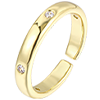
925 sterling silver is an alloy containing 92.5% pure silver and 7.5% other metals, typically copper, chosen for its durability and workability. It serves as the base for a vast array of jewelry, including elegant designs like the adjustable, gold-plated ring adorned with three sparkling stones seen in our image. While the final product may be gold-plated, the integrity of the underlying 925 silver remains paramount. The journey from mine to market for any precious metal, including silver, can be fraught with environmental damage, unsafe labor practices, and human rights abuses if not managed responsibly. Brands must actively seek to understand and mitigate these risks to maintain trust and uphold their values.
Key Steps to Verify Ethical Sourcing for 925 Silver Material
1. Demanding Transparency in the Supply Chain
The first crucial step in verifying supplier ethical sourcing for 925 silver material is to insist on full transparency. Ask your suppliers to map out their entire supply chain, from the mine or recycler to your workshop. This includes identifying all intermediaries, refiners, and manufacturers. A reputable supplier should be able to provide detailed documentation regarding the origin of their silver, demonstrating a clear chain of custody. Any reluctance to share this information should be a significant red flag for brands looking to purchase ethically sourced 925 silver.
2. Leveraging Industry Certifications
Recognized certifications offer a robust way to validate a supplier's ethical claims. Look for silver suppliers who adhere to established industry standards or possess third-party certifications. These programs often involve stringent audits of mining practices, environmental impact, labor conditions, and human rights. Examples might include certifications for recycled silver or those from organizations promoting responsible mining. While certifications can vary, they provide an independent assurance that the 925 silver material you are considering is ethically sourced, helping your brand to confidently promote its responsible practices.
3. Conducting Independent Audits and Site Visits
For larger brands or those making significant wholesale purchases of 925 silver, conducting independent audits or even site visits (where feasible) of supplier facilities can be invaluable. Third-party auditors can assess compliance with labor laws, environmental regulations, and safety standards. This direct verification process adds an extra layer of assurance, moving beyond paper trails to confirm actual practices. It’s a proactive approach to verify supplier ethical sourcing for 925 silver material, especially when establishing long-term partnerships.
4. Engaging with Ethical Silver Suppliers and Partners
Building relationships with suppliers who share your commitment to ethics and sustainability is fundamental. Engage in open dialogue about their social and environmental policies, due diligence processes, and continuous improvement efforts. Prioritize suppliers who actively invest in their communities, uphold fair labor practices, and implement robust environmental management systems. These partnerships are key to ensuring that every piece of jewelry, whether a simple silver band or a gold-plated adjustable ring, begins with responsibly sourced 925 silver.
Why Ethical Sourcing Matters for Your Brand and Customers
Beyond the moral imperative, ethically sourcing 925 silver material offers significant commercial advantages. It enhances brand reputation, attracts conscious consumers, and mitigates risks associated with negative publicity or supply chain disruptions. In an era where authenticity is highly valued, a transparent and ethical supply chain strengthens consumer trust and loyalty. Your commitment to responsible sourcing becomes a powerful differentiator, allowing your brand to stand out in a competitive market and resonate with a growing demographic of socially aware buyers. This integrity underpins the beauty of every piece, from elegant gold-plated rings to intricate silver designs.
Frequently Asked Questions About Ethical Silver Sourcing
What is 925 Sterling Silver?
925 sterling silver is an alloy composed of 92.5% pure silver and 7.5% other metals, typically copper. This composition makes the silver more durable and suitable for jewelry making than pure silver, which is too soft on its own.
Why is Ethical Sourcing Crucial for 925 Silver?
Ethical sourcing for 925 silver material is crucial because the mining and production of silver can involve significant environmental damage, unsafe working conditions, and human rights abuses, including child labor and forced labor. Ensuring ethical sourcing helps to prevent these issues, protects vulnerable communities, and supports sustainable practices.
What are Common Certifications for Ethically Sourced Silver?
While specific 'Ethical Silver' certifications vary, common approaches include certifications for recycled silver, membership in organizations like the Responsible Jewellery Council (RJC), or adherence to standards set by bodies like Fairmined or Fairtrade for artisanal and small-scale mining. These programs audit and verify ethical and responsible practices throughout the supply chain.
How Can Small Jewelry Businesses Verify Their Suppliers?
Small businesses can verify suppliers by requesting detailed chain of custody documentation, checking for reputable third-party certifications, asking direct questions about labor and environmental practices, and building long-term relationships based on trust and transparency. Starting with suppliers known for their ethical commitments is also a good approach.
Does Ethical Sourcing Impact the Price of 925 Silver Jewelry?
Ethically sourced 925 silver material may sometimes have a slightly higher cost due to the investments required for responsible mining, fair wages, and environmental protection. However, this premium often reflects the true cost of sustainable production and contributes to the long-term value and integrity of the jewelry piece and the brand.
What are the Risks of Neglecting Ethical Sourcing?
Neglecting ethical sourcing can expose a brand to significant risks, including reputational damage from association with unethical practices, consumer boycotts, legal challenges, and supply chain disruptions. It can also undermine brand values and alienate customers who prioritize social and environmental responsibility.
Conclusion: Building a Sustainable Future, One Piece at a Time
The journey to verify supplier ethical sourcing for 925 silver material is an ongoing commitment, not a one-time task. By demanding transparency, leveraging certifications, and fostering strong, ethical partnerships, jewelry brands can ensure that their products, from simple silver bands to elegantly gold-plated adjustable rings like the one pictured, are not only beautiful but also ethically sound. This dedication to responsible sourcing resonates deeply with modern consumers, strengthens your brand's foundation, and contributes to a more sustainable and equitable future for the entire industry.
FAQ
What is 925 Sterling Silver?
925 sterling silver is an alloy composed of 92.5% pure silver and 7.5% other metals, typically copper. This composition makes the silver more durable and suitable for jewelry making than pure silver, which is too soft on its own.
Why is Ethical Sourcing Crucial for 925 Silver?
Ethical sourcing for 925 silver material is crucial because the mining and production of silver can involve significant environmental damage, unsafe working conditions, and human rights abuses, including child labor and forced labor. Ensuring ethical sourcing helps to prevent these issues, protects vulnerable communities, and supports sustainable practices.
What are Common Certifications for Ethically Sourced Silver?
While specific 'Ethical Silver' certifications vary, common approaches include certifications for recycled silver, membership in organizations like the Responsible Jewellery Council (RJC), or adherence to standards set by bodies like Fairmined or Fairtrade for artisanal and small-scale mining. These programs audit and verify ethical and responsible practices throughout the supply chain.
How Can Small Jewelry Businesses Verify Their Suppliers?
Small businesses can verify suppliers by requesting detailed chain of custody documentation, checking for reputable third-party certifications, asking direct questions about labor and environmental practices, and building long-term relationships based on trust and transparency. Starting with suppliers known for their ethical commitments is also a good approach.
Does Ethical Sourcing Impact the Price of 925 Silver Jewelry?
Ethically sourced 925 silver material may sometimes have a slightly higher cost due to the investments required for responsible mining, fair wages, and environmental protection. However, this premium often reflects the true cost of sustainable production and contributes to the long-term value and integrity of the jewelry piece and the brand.
What are the Risks of Neglecting Ethical Sourcing?
Neglecting ethical sourcing can expose a brand to significant risks, including reputational damage from association with unethical practices, consumer boycotts, legal challenges, and supply chain disruptions. It can also undermine brand values and alienate customers who prioritize social and environmental responsibility.
Tags
925 sterling silver bracelets men's
925 sterling silver bracelets men's
ethical gold vermeil jewelry manufacturer
ethical gold vermeil jewelry manufacturer
adjustable gold tennis bracelet wholesale
adjustable gold tennis bracelet wholesale
925 sterling silver bracelets for men
925 sterling silver bracelets for men
jewelry wholesaler gold vermeil jewelry manufacturer
jewelry wholesaler gold vermeil jewelry manufacturer
custom recycled brass earrings
custom recycled brass earrings
Recommended for you
Profit margin calculator for wholesale brass tennis bracelet
OEM vs ODM for Custom Brass Necklaces: Which to Choose?
Custom Design Process with a Tennis Jewellery Factory
Top 10 925 sterling silver huggie earrings Manufacturers and Supplier Brands in China
Product Categories
You may also like

925 Silver Jewelry
Customizable High-Quality Fashion 925 Sterling Silver AAA Cubic Zirconia Heart-Shaped Open Tennis Bracelet.
Read More

Brass Jewelry
Customizable OEM ODM High-Quality Fashion Brass AAA Cubic Zirconia Classic Tennis Bracelet for Women Wholesale.
Read More
Get a Quote for Private Label Jewelry
We provide personalized jewelry customization services for clients worldwide.
Rest assured that your privacy is important to us, and all information provided will be handled with the utmost confidentiality.
By clicking 'Send Inquiry Now' I agree to ZHEFAN JEWELRY processing my personal data.
To see how to withdraw your consent, how to control your personal data and how we process it, please see our Privacy Policy and Terms of use.
From design to production, ZHEFAN JEWELRY offers a one-stop solution to help you enhance your brand value and market competitiveness.
Get A Quote
Contact
Tel: (+86) 188 1927 7817
© 2026 Zhefan Jewelry. All Rights Reserved.
Facebook
Instagram
YouTube
Whatsapp: +8618819277817