







Email: sales3@zhefanjewelry.com
How to Find Reliable Jewelry Manufacturers for Small Businesses: A Step-by-Step Sourcing Plan
A practical sourcing plan for small jewelry brands: define product and compliance requirements, compare supplier models, verify manufacturing capabilities, assess samples and quality controls, negotiate transparent terms, and run a low-risk pilot order before scaling. The guide also explains how to evaluate material-specific production, including brass, sterling silver, gold vermeil, and pearl jewelry.
- A practical sourcing framework for emerging jewelry brands
- Step 1: Turn the product idea into a production brief
- Step 2: Choose the right supplier model
- Step 3: Build a shortlist using evidence, not sales claims
- How to verify a jewelry supplier before committing
- Step 4: Ask focused questions about materials and compliance
- Step 5: Evaluate samples against a written standard
- Step 6: Compare quotations on a like-for-like basis
- From first order to a dependable production relationship
- Step 7: Use a pilot order to test the complete process
- Step 8: Protect cash flow and ownership
- Step 9: Turn operational performance into a repeat-order scorecard
- Frequently Asked Questions
Finding reliable jewelry manufacturers for small businesses requires more than comparing unit prices: buyers need to confirm product fit, production capability, material and finish consistency, communication, compliance documentation, and commercial terms before placing an order. A step-by-step sourcing plan helps brand owners shortlist suitable workshops or factories, verify claims, evaluate prototypes, control first-order risk, and build a supply relationship that can support repeat production across brass, sterling silver, gold vermeil, and pearl designs.
A practical sourcing framework for emerging jewelry brands
Small businesses often have different sourcing needs from established retailers. Initial orders may be modest, designs may still be evolving, and cash flow can be sensitive to tooling costs, deposits, freight, and rework. The best supplier is therefore not automatically the one quoting the lowest price or the largest catalog. It is the production partner whose capabilities, minimum order terms, quality system, and communication match the brand’s current stage and likely growth.
Step 1: Turn the product idea into a production brief
Before contacting factories, prepare a concise brief for each product family. Include drawings or reference images, dimensions, target materials, plating or surface finish, stone or pearl specifications, clasp and post details, packaging requirements, target retail price, forecast order quantity, and expected delivery window. Identify which elements are fixed and which can be adjusted to meet a realistic cost or minimum order quantity.
Material language should be specific. “Gold” may refer to solid gold, gold-filled construction, or a gold-plated finish over another metal, each with different cost and performance implications. For vermeil, buyers should define the base metal and gold layer requirements and request the supplier’s written specification. For sterling silver, clarify alloy marking, component composition, and any requirements for nickel release or other restricted substances in the destination market. Clear definitions reduce the risk of receiving a product that looks correct in a photograph but does not meet the intended product description.
Step 2: Choose the right supplier model
Potential sources include independent jewelry workshops, specialized factories, private-label suppliers, and trading companies that coordinate production through subcontractors. A workshop may offer close design collaboration but have limited capacity. A larger factory may provide repeatability and broader process control but impose higher minimums or less flexibility. A sourcing intermediary can simplify communication, yet buyers should establish who owns the tooling, who conducts inspections, and which facility actually makes the goods.
Ask each candidate to describe its role in design, prototyping, casting, fabrication, stone setting, polishing, plating, assembly, and packing. A supplier need not perform every operation in-house, but subcontracted steps should be disclosed and managed. If production is outsourced, request the name or location of critical facilities where appropriate and establish how changes or defects are controlled across the chain.
Step 3: Build a shortlist using evidence, not sales claims
Review the supplier’s product history for comparable construction, material, finish, and complexity. A portfolio of simple stamped charms does not by itself prove capability in fine stone setting or intricate pearl mounting. Ask for close-up images, references to similar production methods, and an explanation of how the supplier handles small runs, revisions, and replenishment orders.
Certifications and membership claims should be checked directly with the issuing organization and matched to the facility, business entity, and scope relevant to the proposed work. An ISO 9001 certificate, for example, concerns a quality management system and should not be treated as proof that every individual item meets a buyer’s specification. The ISO overview of ISO 9001 describes the standard’s quality management focus. Responsible sourcing claims also require careful review: the Responsible Jewellery Council standards provide a framework, but a buyer should still verify the supplier’s current status and the scope of any assurance.
How to verify a jewelry supplier before committing
Supplier qualification is a sequence of checks. Begin with basic business and production evidence, then confirm technical fit through samples, written specifications, and a controlled pilot. Keep records of approved drawings, material declarations, sample revisions, inspection results, and commercial decisions. This documentation makes later reorders easier to compare and gives both parties a shared reference if a defect or specification dispute occurs.
Step 4: Ask focused questions about materials and compliance
Request written material descriptions, plating specifications, component details, and any relevant test reports. Confirm whether reports apply to the exact product, finish, and production location being quoted, and check the laboratory, test method, date, and tested sample identification. A general certificate or an old report may not cover a changed alloy, coating, supplier, or design.
Requirements vary by product and destination. In the United States, the Federal Trade Commission’s Jewelry Guides address how marketers should describe certain precious-metal and gemstone products; review the FTC Jewelry Guides in the Electronic Code of Federal Regulations when developing product descriptions. For relevant supply-chain risk questions, the OECD responsible business conduct resources provide guidance on due diligence. These references are not substitutes for legal advice: brands should check the rules that apply to their market, product category, claims, and sales channel.
Step 5: Evaluate samples against a written standard
Approve a pre-production sample only after checking dimensions, weight where relevant, color, finish, stone or pearl placement, closure function, comfort, and packaging. Compare the physical sample with the specification rather than relying solely on screen images. Record acceptable tolerances for measurements and visual variation, particularly for natural pearls and stones, where individual characteristics can differ.
For plated pieces, discuss how the finish is applied, what the quoted specification means, and which tests or inspection methods can support the agreed requirement. For silver, assess tarnish expectations and storage recommendations. For brass jewelry, confirm the intended surface treatment and how the finished product should be cared for. A supplier should explain what it can verify and should not promise performance that is unsupported by an agreed method or evidence.
Step 6: Compare quotations on a like-for-like basis
Low headline pricing can conceal differences in metal weight, plating, labor, packaging, inspection, or freight. Ask for a line-item quote that separates sample and tooling charges, unit price by quantity tier, packaging, shipping terms, payment milestones, and any fees for design changes. Confirm whether the quote is based on a stated specification and whether material prices or exchange rates can trigger repricing.
| Sourcing route | Potential advantages | Points to verify | Often suitable when |
|---|---|---|---|
| Independent workshop | Direct access to makers and potentially flexible design discussion | Available capacity, process repeatability, documentation, and backup plans | The range is specialized or the first run needs close collaboration |
| Specialized manufacturer | Focused production knowledge and established workflows for a product type | Minimums, actual production location, quality checks, and subcontracting | The product brief matches the manufacturer’s core processes |
| Private-label supplier | Existing styles can reduce development work and accelerate assortment planning | Design exclusivity, material details, stock availability, and customization limits | The brand needs a curated starting range or faster sampling |
| Trading or sourcing company | A single commercial contact may coordinate multiple production steps | Factory identity, fee structure, inspection responsibility, and issue resolution | The buyer needs coordination across suppliers or locations |
This comparison is a decision aid rather than a universal ranking. Supplier labels do not guarantee a particular service level, minimum order quantity, lead time, or quality result. Obtain written terms for the specific order and compare each proposal against the same product brief.
From first order to a dependable production relationship
After the first half of supplier evaluation, the focus shifts from claims to execution. The buyer should confirm that the supplier can reproduce the approved sample at the intended quantity, communicate delays early, and correct documented issues. A well-managed pilot order provides evidence about quality and operational fit before a brand commits more working capital to expanded inventory.
Step 7: Use a pilot order to test the complete process
Set a pilot quantity that is commercially manageable and large enough to reveal variation across a production batch. Agree on a production schedule with milestones for material approval, pre-production sample sign-off, manufacturing, inspection, and dispatch. Specify what happens if an item fails inspection, including whether the supplier will repair, replace, credit, or remake affected pieces and how the parties will handle associated freight.
Inspect incoming goods against the approved sample and order specification. Use a written checklist that covers style and quantity, dimensions, finish, findings, closures, stone or pearl security, labels, and packaging. Photograph nonconformities and link each issue to the relevant SKU or batch. If the order will be sold in a regulated market, confirm that product claims and required documentation are reviewed before listing or distribution.
Step 8: Protect cash flow and ownership
Make payment terms explicit, including deposit, balance timing, accepted payment method, and the documents required before final payment where applicable. Clarify responsibility for freight, duties, insurance, and import documentation. For custom designs, put ownership and permitted reuse of drawings, molds, dies, CAD files, and branded components in writing. Agree on how tooling will be stored, maintained, transferred, or charged if production moves.
Small brands should also review the impact of minimums and replenishment terms on inventory exposure. A lower unit cost at a much larger quantity can be uneconomic if it ties up cash in slow-moving styles. Model landed cost and expected sell-through, then use a phased assortment or repeat-order plan where feasible. A supplier relationship is valuable only when its commercial structure supports the brand’s actual demand pattern.
Step 9: Turn operational performance into a repeat-order scorecard
After delivery, record defect rate, on-time performance, response speed, quote accuracy, documentation quality, and willingness to resolve problems. Separate a one-time mistake from a recurring process failure, but require corrective action when a defect repeats. Before scaling, review whether the supplier can maintain material consistency, capacity, and lead times as order volumes grow.
Our product focus spans brass jewelry, 925 silver jewelry, sterling silver jewelry, gold vermeil jewelry, and pearl jewelry, giving buyers a set of material and style categories to consider when developing a coordinated assortment. For any proposed style, the sourcing decision should still be based on the confirmed specification, sample approval, production capability, and written commercial terms. Matching the material to the design and target customer helps avoid paying for an unsuitable construction or making product claims that the underlying item cannot support.
Use this sourcing plan as a repeatable process: define the brief, select the appropriate supplier model, verify evidence, approve a controlled sample, compare complete costs, and assess the pilot before scaling. Buyers who keep decisions documented can make supplier conversations more efficient, reduce preventable misunderstandings, and build a production base suited to the business’s present needs and future growth.
Contact our team to discuss brass, silver, gold vermeil, or pearl jewelry options for your next collection.
Frequently Asked Questions
What should a small business include in a jewelry manufacturing brief?
Include drawings or reference images, dimensions, target materials, plating or surface finish, stone or pearl specifications, clasp and post details, packaging requirements, target retail price, forecast order quantity, and delivery window. State which requirements are fixed and which may be adjusted.
How can a buyer verify a jewelry manufacturer’s quality claims?
Review relevant certificates with the issuing organization and confirm that the entity, facility, and scope match the proposed work. Request written specifications, product-specific test reports where relevant, sample evidence, and an explanation of production and inspection controls.
What should be checked when approving a jewelry sample?
Compare the physical sample with the written specification and assess dimensions, weight where relevant, color, finish, stone or pearl placement, closure function, comfort, and packaging. Record acceptable tolerances, especially for natural materials that can vary.
How should small brands compare jewelry manufacturing quotes?
Compare quotes against the same specification and review sample and tooling charges, unit prices by quantity tier, packaging, shipping terms, payment milestones, design-change fees, and repricing conditions. A low unit price may exclude costs or reflect a different material or finish.
Why place a pilot order before scaling production?
A manageable pilot tests whether the supplier can reproduce the approved sample, meet the schedule, document quality, and resolve issues before the brand commits more working capital to inventory.
What should a jewelry brand agree on before ordering custom designs?
Put payment terms, freight and duty responsibility, inspection and defect remedies, and ownership or permitted reuse of drawings, molds, dies, CAD files, and branded components in writing.
Tags
brass jewelry oem manufacturer
brass jewelry oem manufacturer
holiday jewelry supplier
holiday jewelry supplier
custom hoop 925 sterling silver earrings
custom hoop 925 sterling silver earrings
cubic zirconia brass wedding jewelry wholesale
cubic zirconia brass wedding jewelry wholesale
cubic zirconia brass jewelry for retailers
cubic zirconia brass jewelry for retailers
adjustable tennis bracelet certified supplier
adjustable tennis bracelet certified supplier
Recommended for you
Why choose Zhefan Jewelry as your 925 silver rings for men supplier
Wholesale Silver Rings: 7 Costly Pricing Mistakes Every Resale Business Must Avoid in 2026
How to Find Reliable Personalized Jewelry Manufacturers in 2026
Custom Adjustable Tennis Bracelet vs Fixed Size: Which Is Better
Product Categories
You may also like
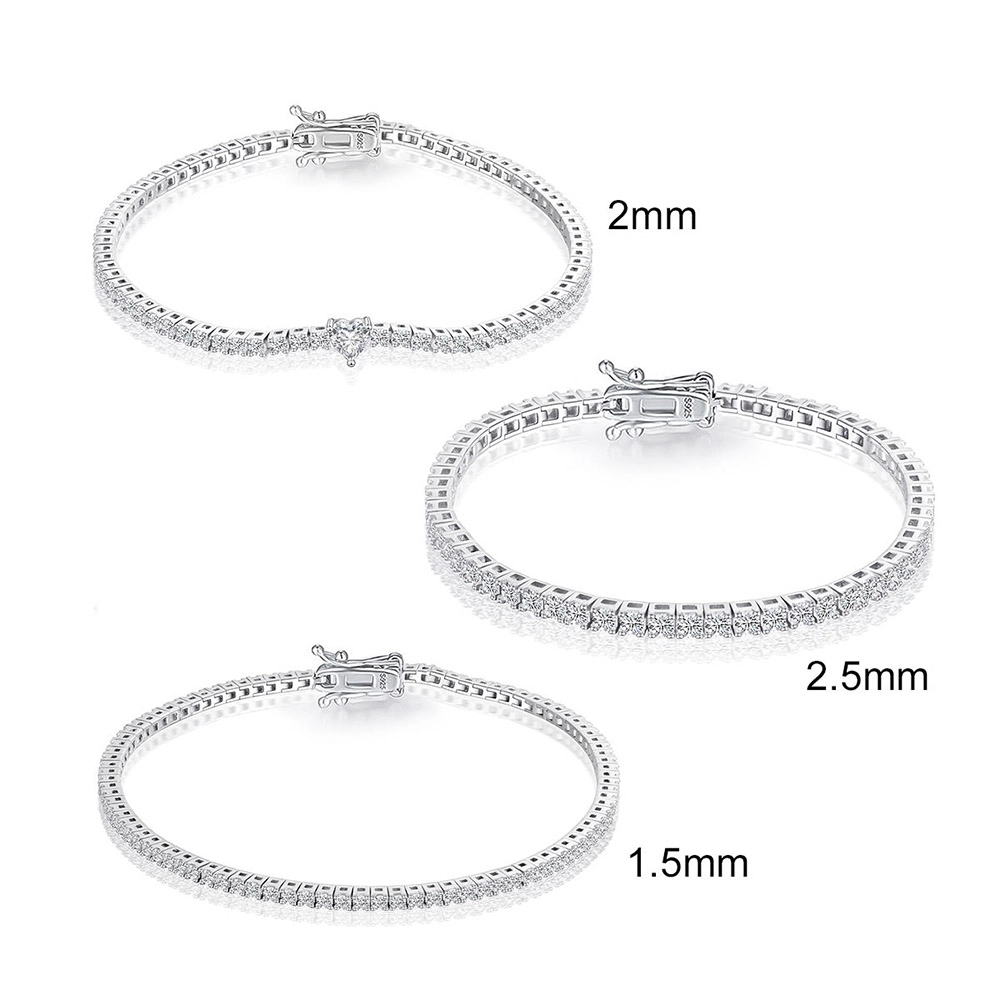
925 Silver Jewelry
Customizable High-Quality Fashion 925 Sterling Silver AAA Cubic Zirconia Heart-Shaped Open Tennis Bracelet.
Read More
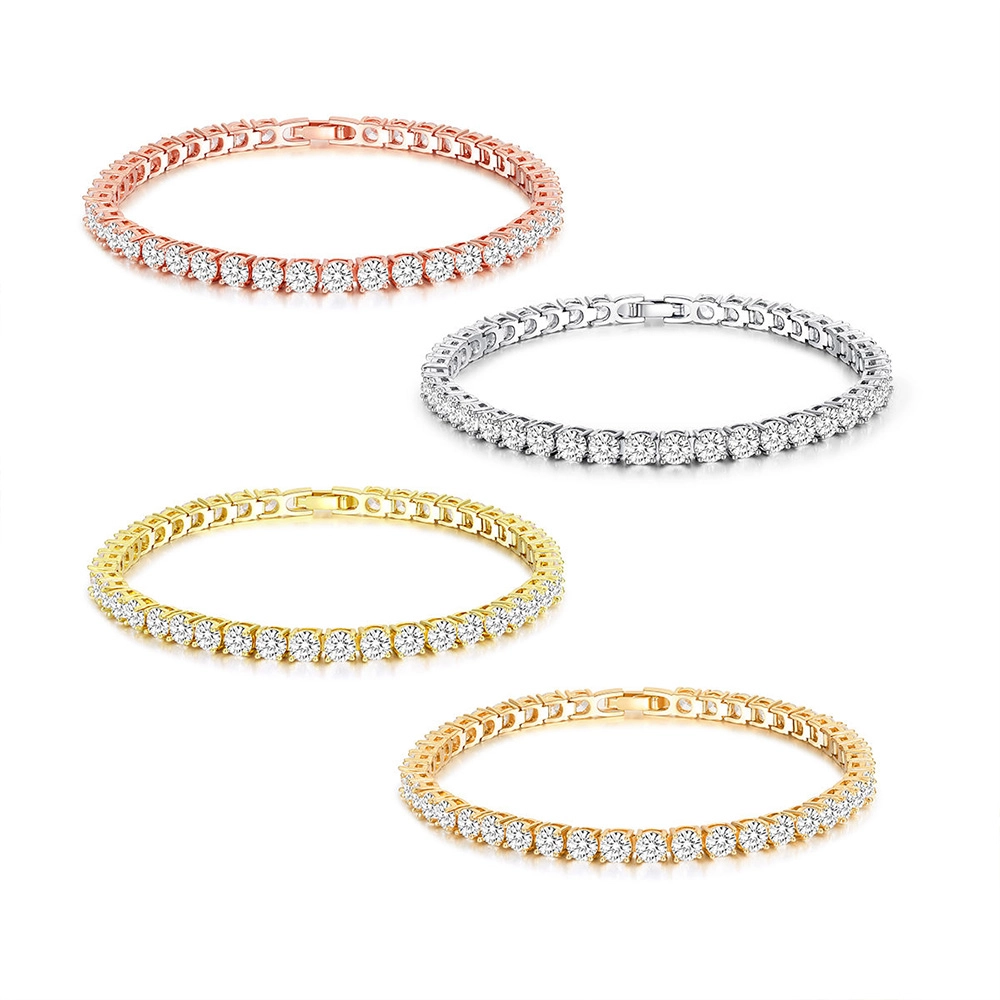
Brass Jewelry
Customizable OEM ODM High-Quality Fashion Brass AAA Cubic Zirconia Classic Tennis Bracelet for Women Wholesale.
Read More
Get a Quote for Private Label Jewelry
We provide personalized jewelry customization services for clients worldwide.
Rest assured that your privacy is important to us, and all information provided will be handled with the utmost confidentiality.
By clicking 'Send Inquiry Now' I agree to ZHEFAN JEWELRY processing my personal data.
To see how to withdraw your consent, how to control your personal data and how we process it, please see our Privacy Policy and Terms of use.
From design to production, ZHEFAN JEWELRY offers a one-stop solution to help you enhance your brand value and market competitiveness.
Get A Quote
Contact
Tel: (+86) 188 1927 7817
© 2026 Zhefan Jewelry. All Rights Reserved.
Facebook
Instagram
YouTube
Whatsapp: +8618819277817