





Email: sales3@zhefanjewelry.com
Factory vs Trading Company: Which Personalized Jewelry Supplier Is Right for You?
Choosing between a jewelry factory and a trading company depends on product complexity, order volume, customization needs, sourcing capacity, and the level of project coordination required. Direct manufacturers can offer closer access to production and technical decisions, while trading companies may consolidate products and suppliers. Buyers should compare verified capabilities, quality controls, communication, total landed cost, and commercial terms—not rely on supplier labels alone.
- How Jewelry Factories and Trading Companies Differ in Practice
- Production access and customization control
- Assortment breadth and sourcing convenience
- Comparison at a glance
- How to Select a Supplier for a Custom Jewelry Program
- Match the operating model to order size and complexity
- Verify quality systems and product compliance
- Compare the full commercial offer
- Building a Reliable Supplier Relationship Across Jewelry Categories
- Use approved samples and written specifications
- Evaluate samples and production performance consistently
- Our product scope and sourcing approach
- Frequently Asked Questions
For buyers comparing personalized jewelry manufacturers with trading companies, the right partner depends on the product, order size, customization requirements, and internal sourcing capacity. A factory can provide direct access to production processes and technical decisions, while a trading company may simplify supplier coordination and offer a broader assortment. Neither model guarantees quality or value: buyers should verify actual manufacturing involvement, review product samples and inspection criteria, compare total landed cost, and confirm who is accountable for specifications, testing, delivery, and corrective action.
How Jewelry Factories and Trading Companies Differ in Practice
The distinction is about operating model, not simply company size or website language. A factory owns or manages production operations; a trading company sources goods from one or more production partners and manages commercial coordination. Some businesses combine both models, so procurement teams should ask who performs each step for the specific project.
Production access and customization control
A direct manufacturing relationship can make it easier to discuss construction details with the people responsible for tooling, casting, soldering, stone setting, polishing, plating, and assembly. This can be useful when a collection needs custom dimensions, a distinctive clasp, a specific finish, or multiple rounds of sample revision. Direct access does not automatically mean that every process happens in one facility. Ask which operations are performed in-house, which are subcontracted, and how external processes are controlled.
A trading partner may relay technical requirements between the buyer and a factory. That arrangement can work well when the intermediary has strong product knowledge and a disciplined specification process. It can become more challenging when design changes are complex or urgent: a question may need to pass through several people before reaching the production team. Establish a named technical contact and require written confirmation of approved drawings, materials, dimensions, and sample changes.
Assortment breadth and sourcing convenience
Trading companies may represent several factories or product categories, which can help buyers consolidate purchasing across different styles or materials. This is potentially valuable for retailers and distributors building a broad assortment without managing numerous factory relationships. The trade-off is that products in one order may come from different facilities, with different production processes, inspection systems, and lead-time dependencies.
A factory is often strongest in a defined product or process area rather than every jewelry category. Buyers seeking brass jewelry, sterling silver jewelry, gold vermeil jewelry, or pearl jewelry should confirm relevant material and process experience for each category. A supplier’s ability to produce one type of item does not by itself demonstrate capability in another; ask for comparable samples and process-specific quality records.
Comparison at a glance
The following comparison describes common operating tendencies, not guaranteed outcomes. Supplier capabilities vary, and a hybrid company may combine features of both models.
| Procurement factor | Direct factory relationship | Trading company relationship |
|---|---|---|
| Production communication | May provide direct discussion with production or engineering personnel; confirm who owns communication. | Usually coordinated through the trading partner; confirm how technical questions reach the factory. |
| Customization | Can be advantageous for production-led revisions when the factory has the relevant equipment and skills. | Can support customization by coordinating with a factory; confirm technical review and change control. |
| Product range | Often centered on the facility’s materials, processes, and established product strengths. | May provide access to a wider selection through multiple production partners. |
| Supplier coordination | Buyer may need separate relationships for different product types or processes. | One commercial contact may coordinate multiple suppliers, subject to transparent sourcing. |
| Quality accountability | Clarify which facility performs each operation and who approves outgoing goods. | Clarify whether the intermediary inspects goods, how factory standards are checked, and who resolves defects. |
| Cost assessment | Compare the quoted price with tooling, packaging, freight, inspection, and other costs. | Compare the consolidated quote and service value with any added margin and related charges. |
How to Select a Supplier for a Custom Jewelry Program
Supplier selection should begin with the commercial and technical requirements of the program. A low unit quote is not a full cost comparison if it excludes development, packaging, testing, freight, rework, or the time needed to resolve production issues. Likewise, a broad catalog is not an advantage if the supplier cannot reliably reproduce the approved design.
Match the operating model to order size and complexity
For a small pilot order, a sourcing partner that can coordinate several styles may reduce administrative work, provided the buyer understands the production sources and quality controls. For a repeat program with substantial customization, direct factory engagement may be valuable because the buyer can discuss feasibility, tolerances, and process limitations closer to the production floor. These are decision factors rather than fixed rules: minimum order quantities, production capacity, and development support are supplier-specific and should be confirmed in writing.
Assess forecast stability as well. A supplier may quote differently for a one-time order than for a planned series of replenishments, but anticipated volume should not be treated as a binding production commitment unless the agreement says so. Discuss capacity reservation, reorder terms, component availability, and how changes in metal or stone sourcing affect pricing and timing.
Verify quality systems and product compliance
Ask for a documented quality plan covering incoming materials, in-process checks, final inspection, defect classification, rework, and lot traceability. A supplier may state that it follows a quality management system, but buyers should check the scope and validity of any certification rather than treating a logo or certificate image as proof of product quality. The ISO overview of ISO 9001 explains the standard’s role in quality management systems; certification alone does not certify a particular piece of jewelry or guarantee a defect-free order.
Material claims should be specific and supported by appropriate documentation. For precious-metal descriptions and plating claims sold in the United States, review the FTC Jewelry Guides and confirm that product descriptions align with applicable requirements. If products are intended for children, assess relevant product-safety obligations, including applicable restrictions on lead in children’s products described by the U.S. Consumer Product Safety Commission. Requirements depend on destination market, product type, and intended user, so buyers should obtain market-specific compliance advice where needed.
Compare the full commercial offer
Request a comparable quotation that separates development or tooling charges, unit price, packaging, inspection, shipping terms, payment terms, and any testing costs. Confirm the currency, quotation validity, order quantity assumptions, and what happens if a sample or pre-shipment inspection does not meet agreed requirements. A slightly higher quote may deliver better value if it includes meaningful inspection, responsive technical support, or documented traceability; the buyer should evaluate those benefits against measurable program needs.
For imported goods, confirm who is responsible for shipping documentation, customs information, and country-of-origin marking where applicable. The U.S. Customs and Border Protection guidance on country-of-origin marking is a useful starting point for U.S.-bound imports. Buyers should verify obligations for their own market and product rather than assuming that the supplier’s standard paperwork covers every requirement.
Building a Reliable Supplier Relationship Across Jewelry Categories
After a supplier passes initial screening, buyers should treat the first order as a controlled production project. A clear approval process reduces ambiguity between design intent and finished goods, whether the commercial partner is a factory, a trading company, or a hybrid supplier. The same discipline supports repeatability when a collection expands into additional finishes or materials.
Use approved samples and written specifications
Record the approved reference sample, drawings, dimensions, tolerances, metal or alloy specifications, finish, plating description, stone or pearl details, packaging, and labeling requirements. Include photographs where they help clarify visual expectations, but do not rely on photographs alone for dimensions or material composition. Identify which sample is authoritative and require written approval before bulk production begins.
Change control matters after approval. A seemingly minor substitution in a component, plating process, or supplier can affect appearance, wear, compatibility, or compliance. Require advance notice and approval for material or process changes, and define whether a revised sample or additional testing is required. These controls are especially useful for reorders, when teams may assume the original specification remains unchanged.
Evaluate samples and production performance consistently
Sample review should cover more than appearance. Buyers can assess construction, symmetry, closure function, surface finish, comfort, component security, packaging, and consistency with the written specification. Where material claims or regulatory requirements apply, request relevant test evidence from a competent laboratory or other suitable source. Define acceptance criteria before placing a production order so inspection decisions are not improvised after goods are complete.
For production orders, agree on inspection timing, sampling approach, defect categories, and remedies. A pre-shipment inspection can identify issues before dispatch, but it does not replace sound process controls or a clear contract. Record findings and corrective actions, then track repeat defects, on-time delivery, sample-to-bulk consistency, and response time. Performance records help buyers decide whether to expand orders, retain a backup source, or revise the supplier relationship.
Our product scope and sourcing approach
Our product scope includes brass jewelry, 925 silver jewelry, sterling silver jewelry, gold vermeil jewelry, and pearl jewelry. These categories have different material, construction, and finish considerations, so the project brief should identify the exact product requirements instead of relying on a broad category label. For example, buyers should document the intended metal description, finish, pearl characteristics, design details, packaging, and target market for each item.
We encourage buyers to evaluate our offer through the same practical criteria used for any supplier: relevant samples, written specifications, clear quotations, quality checkpoints, and transparent communication about production responsibilities. Because supplier capabilities and service terms depend on the individual project, our team should confirm the applicable processes, order requirements, and documentation before a purchase commitment. This approach gives brand owners, retailers, and distributors a consistent basis for comparing product fit and total program value without assuming that a factory or trading-company label alone determines performance.
Contact our team to discuss your jewelry brief and review product options for your next collection.
Frequently Asked Questions
Is it better to buy personalized jewelry directly from a factory?
A direct factory relationship can help buyers discuss production feasibility, specifications, and revisions with the people responsible for manufacturing. It is most useful when the factory has the relevant capabilities and the buyer can manage the relationship. Verify which processes are in-house, who controls subcontracted work, and what quality checks apply.
What are the advantages of using a jewelry trading company?
A trading company may coordinate products from multiple factories, provide a broader assortment, and simplify commercial communication. Buyers should confirm the actual production sources, how technical questions are handled, and who is accountable for inspection, defects, and delivery.
How can buyers verify a jewelry supplier’s quality?
Request a documented quality plan covering incoming materials, in-process controls, final inspection, defect handling, and traceability. Review relevant samples and written specifications, verify the scope and validity of any claimed certification, and agree on inspection criteria before production.
What should a custom jewelry quotation include?
Compare development or tooling charges, unit prices, packaging, inspection, shipping terms, payment terms, testing costs, currency, quotation validity, and order-quantity assumptions. Clarify remedies if samples or inspected goods fail to meet agreed requirements.
How should buyers compare factory and trading company costs?
Compare total program cost rather than unit price alone. Include development, packaging, freight, inspection, testing, potential rework, and coordination effort, then weigh any service benefits against the buyer’s requirements.
What should be included in a personalized jewelry specification?
Document the approved sample, drawings, dimensions and tolerances, material and finish descriptions, stone or pearl details, packaging, and labeling requirements. Define the approval process and require consent before changes to materials, components, or production methods.
Tags
recycled brass earring supplier
recycled brass earring supplier
custom brass chunky hoop earrings
custom brass chunky hoop earrings
factory direct brass tennis bracelet bulk
factory direct brass tennis bracelet bulk
engraved brass chunky hoop earrings
engraved brass chunky hoop earrings
dainty mother of pearl heart necklace
dainty mother of pearl heart necklace
low moq brass earring supplier
low moq brass earring supplier
Recommended for you
After-Sales Care Services for Buyers of Custom 925 Silver Rings
Materials: Comparing Sterling Silver Alloys and Alternatives
Building Long-Term Supplier Relationships for 925 Bracelets
Case studies: successful retailers using brass manufacturers
Product Categories
You may also like
925 Silver Jewelry
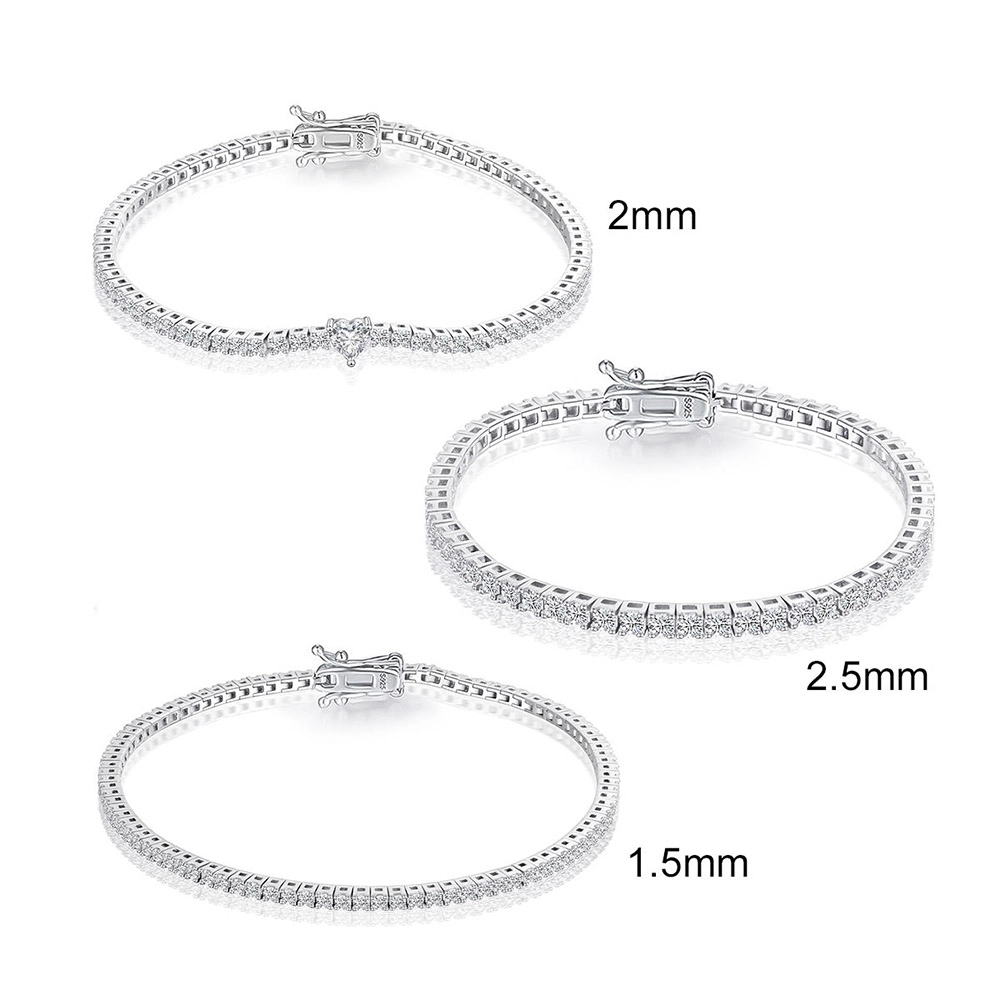
Customizable High-Quality Fashion 925 Sterling Silver AAA Cubic Zirconia Heart-Shaped Open Tennis Bracelet.
Read More
Brass Jewelry
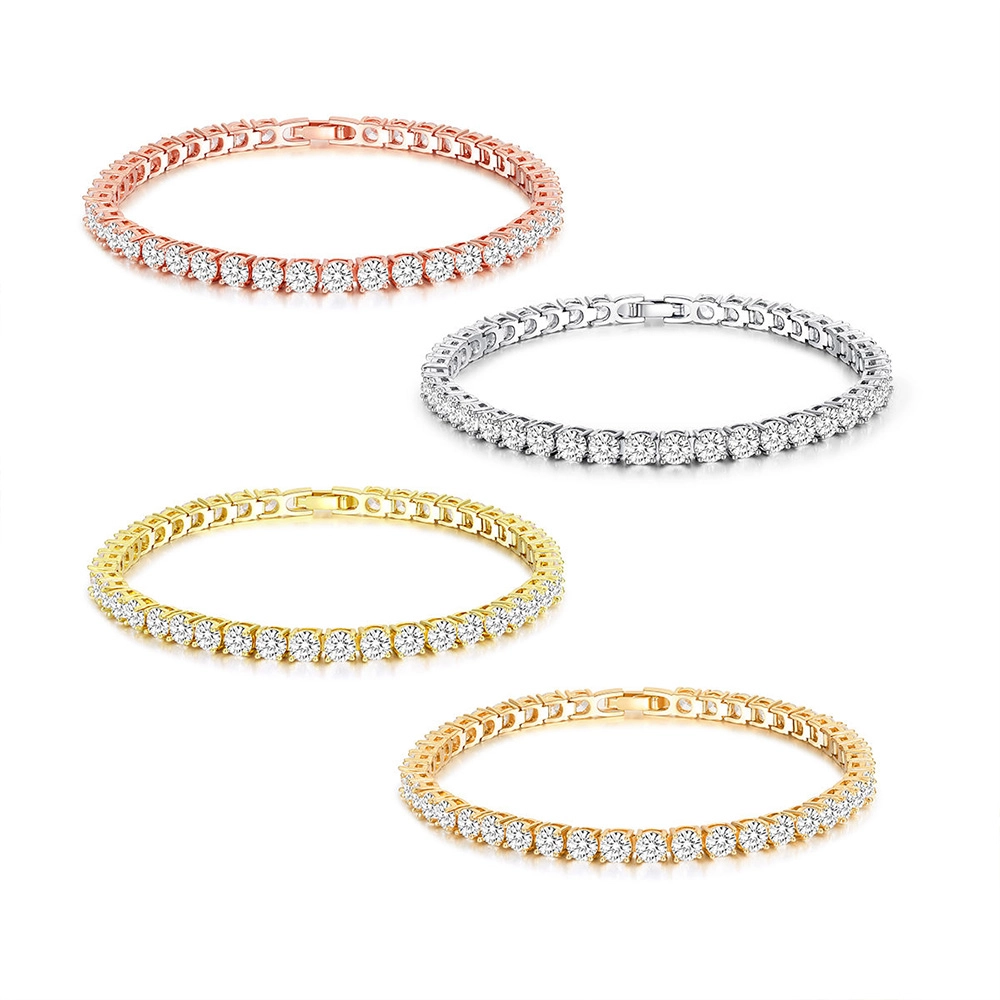
Customizable OEM ODM High-Quality Fashion Brass AAA Cubic Zirconia Classic Tennis Bracelet for Women Wholesale.
Read More
Get a Quote for Private Label Jewelry
We provide personalized jewelry customization services for clients worldwide.
Rest assured that your privacy is important to us, and all information provided will be handled with the utmost confidentiality.
By clicking 'Send Inquiry Now' I agree to ZHEFAN JEWELRY processing my personal data.
To see how to withdraw your consent, how to control your personal data and how we process it, please see our Privacy Policy and Terms of use.
From design to production, ZHEFAN JEWELRY offers a one-stop solution to help you enhance your brand value and market competitiveness.
Get A Quote
Contact
Tel: (+86) 188 1927 7817
© 2026 Zhefan Jewelry. All Rights Reserved.
Facebook
Instagram
YouTube
Whatsapp: +8618819277817