







Email: sales3@zhefanjewelry.com
Domestic vs Overseas Personalized Jewelry Manufacturers: Pros and Cons
Choosing a domestic or overseas jewelry production partner affects communication, sampling, costs, lead times, quality control, compliance, and intellectual property management. Domestic production can simplify collaboration and reduce some logistics complexity, while overseas sourcing may offer a broader supplier base, specialized production options, or cost advantages depending on the design and order. The right choice depends on total landed cost, product requirements, order volume, supplier verification, and the buyer’s capacity to manage production and shipping.
- How Local and International Jewelry Production Differ
- Communication, design development, and sampling
- Production capacity and technical fit
- Quality systems and product claims
- Comparing Cost, Lead Time, and Supply-Chain Risk
- Compare total landed cost, not only the quoted unit price
- Lead-time planning and inventory exposure
- Import, origin, and compliance responsibilities
- A Practical Supplier Selection Framework for Custom Jewelry Programs
- Use a weighted scorecard and evidence-based diligence
- Protect designs, tooling, and product consistency
- When a mixed sourcing strategy makes sense
- How Our Jewelry Categories Fit Different Sourcing Needs
- Material and design options across a collection
- Align product choice with commercial objectives
- Make a decision using project-specific evidence
- Frequently Asked Questions
Choosing between domestic and overseas personalized jewelry manufacturers is a procurement decision involving more than unit price: buyers must weigh design collaboration, sample speed, production capacity, quality assurance, logistics, import requirements, and intellectual property controls. Domestic partners may offer easier communication and shorter transport routes, while overseas suppliers can provide access to a wider range of production capabilities and commercial terms. Neither location guarantees better quality or lower total cost. The best sourcing model depends on the product, order size, risk tolerance, target market, and the buyer’s ability to verify a supplier and manage delivery. This guide compares the trade-offs and outlines a practical evaluation process for custom jewelry programs.
How Local and International Jewelry Production Differ
Communication, design development, and sampling
Custom work usually involves iterative decisions: dimensions, stone placement, metal finish, engraving, plating, component tolerances, packaging, and final approvals. A nearby workshop can make in-person reviews and rapid conversations easier, particularly when a project depends on frequent design changes or physical prototypes. Geographic proximity, however, does not automatically mean a faster sample; workload, equipment, material availability, and approval procedures still matter.
An international production partner may coordinate effectively through digital tech packs, annotated drawings, video calls, and couriered prototypes. Time-zone differences can lengthen decision cycles if questions are handled only once per day, so buyers should agree on response windows and identify one decision-maker on each side. A complete specification package should include dimensioned drawings, material and finish details, stone or pearl specifications, tolerances, packaging requirements, and written approval milestones. These controls reduce interpretation gaps regardless of the factory’s location.
Production capacity and technical fit
Domestic workshops may be well suited to small runs, local replenishment, or programs requiring close coordination, but available capacity and processes vary considerably from one supplier to another. Overseas factories may offer a larger production ecosystem or particular expertise in casting, chain work, setting, polishing, or finishing. Those are possibilities to verify, not assumptions to make based on a country or region.
Buyers should assess the actual process needed for each design. A manufacturer’s portfolio should demonstrate comparable construction, materials, finish quality, and order scale. Ask which steps are performed in-house and which are subcontracted; outsourced plating, stone setting, or packaging can affect traceability and delivery schedules. A supplier that can explain its production route and identify accountable process owners is easier to evaluate than one offering only a broad capability statement.
Quality systems and product claims
Quality depends on defined specifications, trained operators, inspection methods, corrective action, and consistent records—not simply on domestic or overseas status. Buyers should clarify how incoming materials, work in progress, finished pieces, and packed orders are checked. Request inspection criteria that match the product, such as visual finish, measurements, clasp function, stone security, color consistency, and plating appearance. Sample approval should be recorded against an agreed reference standard.
Where a supplier cites a quality management certification, confirm its scope, issuing body, and current validity rather than treating the logo as proof that each item meets the buyer’s requirements. ISO 9001 describes requirements for a quality management system; it does not certify a particular jewelry design or guarantee defect-free output. Precious-metal and other product descriptions also need substantiation. For U.S.-bound products, the FTC Jewelry Guides explain U.S. guidance on jewelry and precious-metal claims, including descriptions of metal content.
Comparing Cost, Lead Time, and Supply-Chain Risk
Compare total landed cost, not only the quoted unit price
A factory quotation is only one component of the purchase decision. The comparison should include development charges, tooling or mold fees, sampling, minimum order quantities, packaging, inspection, freight, insurance, customs duties, brokerage, payment fees, and the cost of carrying inventory. Rework, rejected units, delayed launches, and expedited shipping can also change the economics. A lower ex-factory quote may not produce a lower landed cost if freight, duties, or quality-control expenses are higher.
Request comparable quotations using the same bill of materials, product specification, order quantity, packaging, inspection standard, and delivery terms. Confirm which costs are included and who is responsible for export documentation, transport, insurance, import clearance, and duties. The International Chamber of Commerce’s Incoterms rules define commonly used responsibilities and delivery arrangements in international trade. The selected rule and named place should be stated precisely in the purchase documents; a short shipping abbreviation alone can leave important responsibilities unclear.
Lead-time planning and inventory exposure
Domestic delivery can reduce the transport leg and may simplify urgent replenishment, but manufacturing queues, component sourcing, and approval delays can still determine the actual schedule. Overseas orders commonly require additional planning for international transit, export and import processes, and possible disruptions. For either model, separate the schedule into design confirmation, sample approval, material procurement, production, inspection, dispatch, and delivery. Ask the supplier to identify the assumptions behind each milestone and how schedule changes will be reported.
For seasonal collections or launch dates, buyers can reduce exposure by approving a production-ready sample early, reserving capacity where appropriate, and setting a latest-ship date rather than relying on a single estimated arrival date. A phased order can also help validate demand before committing to a larger replenishment, although splitting production may affect unit economics. The right plan balances working capital, sales forecasts, minimum order requirements, and the consequences of a stockout.
Import, origin, and compliance responsibilities
Overseas sourcing adds cross-border documentation and import responsibilities that should be assigned before production begins. Importers may need to confirm tariff classification, origin information, customs valuation, applicable duties, and product-labeling rules for the destination market. Requirements vary by jurisdiction and product details, so buyers should consult the relevant authorities or qualified customs advisers rather than assume a supplier’s standard paperwork covers every obligation. For U.S. imports, U.S. Customs and Border Protection’s rules-of-origin resources explain the role of origin in customs administration; specific origin determinations depend on applicable rules and the facts of production.
Domestic manufacturing does not remove all compliance work. Material claims, consumer product requirements, labeling, and recordkeeping still depend on the market and product. Create a destination-market checklist and request supporting documents for materials and claims. For higher-risk or higher-value programs, agree how records will be retained and how material substitutions will be approved. Written controls help ensure that the approved sample, production lot, invoice description, and customer-facing product information remain aligned.
A Practical Supplier Selection Framework for Custom Jewelry Programs
Use a weighted scorecard and evidence-based diligence
Rather than selecting a supplier based on geography alone, score candidates against the project’s priorities. A useful scorecard can include technical fit, sample quality, communication, minimum order quantity, total landed cost, production capacity, quality controls, delivery performance, documentation, and willingness to protect confidential designs. Assign higher weight to criteria that could jeopardize the launch or brand promise. For example, repeatability and traceability may matter more than a small price difference for a signature product line.
Validate claims with evidence: review comparable samples, request a process walkthrough, examine inspection records or example reports, and speak with references where commercially appropriate. Ask how a nonconforming lot is contained, how corrective actions are documented, and who approves material or process changes. A professional supplier should be able to explain the limits of its capability as clearly as its strengths. Begin with a controlled pilot order when the commercial stakes justify it, then compare actual results with the agreed specification and delivery plan.
Protect designs, tooling, and product consistency
Custom jewelry programs can involve original drawings, CAD files, molds, logos, packaging artwork, and product concepts. Before sharing sensitive files, define permitted use, ownership of newly created work, access controls, tooling custody, and whether the supplier may reproduce or sell the design to another party. Put these terms in a written agreement reviewed for the relevant jurisdictions. Practical safeguards include sharing only necessary files, maintaining dated approvals, marking confidential materials, and tracking version changes.
For repeat orders, retain a signed golden sample or an equivalent controlled reference, along with the approved specification and inspection criteria. Define acceptable tolerances and the process for authorizing changes in alloy, plating, findings, stones, or finish. These steps are especially important when production may move between facilities or when a supplier uses subcontractors. Consistent documentation helps buyers compare lots objectively and resolve disputes with facts rather than subjective descriptions.
When a mixed sourcing strategy makes sense
Some businesses divide work across supplier types rather than choosing one location for every product. A domestic partner may handle development, prototypes, or fast-turn replenishment, while an overseas source may be considered for stable designs or larger runs. This model can improve flexibility, but it introduces coordination costs and the risk that separate facilities interpret specifications differently. A common technical file, shared approval process, and clearly assigned ownership of final quality decisions are essential.
A dual-source strategy is most useful when continuity of supply is important and both suppliers can meet the same approved standard. It is not automatically lower risk: maintaining two qualified sources requires additional samples, audits or reviews, production planning, and inventory management. Buyers should compare the resilience benefit with the cost of qualification and ongoing oversight. Whichever model is selected, supplier performance should be reviewed after each order using measurable outcomes such as on-time delivery, defect findings, response time, and corrective-action closure.
How Our Jewelry Categories Fit Different Sourcing Needs
Material and design options across a collection
Our listed product categories include Brass Jewelry, 925 silver jewelry, Sterling Silver Jewelry, gold vermeil jewelry, and pearl jewelry. These categories can serve different design directions and price positions, but each requires clear product specifications. Buyers should define the intended metal and finish, required markings or disclosures, pearl characteristics where relevant, and the appearance standards for each style. A category name by itself is not a complete manufacturing specification or a substitute for verifying material claims.
When evaluating pieces across these materials, compare construction and finish requirements individually rather than applying one generic inspection checklist to the whole collection. A brass design, a sterling silver item, a vermeil finish, and a pearl piece can have different critical attributes and handling considerations. Our team can use the buyer’s approved design brief and product requirements as the basis for discussing suitable options, sampling needs, and the information required to assess a production proposal. Specific capability, availability, lead time, and order terms should be confirmed for each project.
Align product choice with commercial objectives
For brand owners and distributors, the appropriate material and production arrangement depends on customer expectations, target retail price, planned order quantity, replenishment cycle, and the market in which the product will be sold. A collection strategy should account for the total cost of development and supply, not only the perceived value of a material. Buyers can prioritize a small number of representative designs for sampling, evaluate finish and wear expectations, and then expand the range after the technical and commercial assumptions are confirmed.
Our product range provides a starting point for that discussion, while the buyer’s brief determines the appropriate specification and sourcing review. To make a request actionable, share reference images or drawings, target quantities, destination market, preferred materials, finish requirements, packaging needs, and the desired delivery window. The clearer the initial brief, the easier it is to assess whether a proposed piece and production plan align with the project’s quality, budget, and timing requirements.
Make a decision using project-specific evidence
There is no universal winner between local and overseas production. A domestic option may be preferable where direct collaboration, short replenishment routes, or simpler logistics are especially valuable. An international source may be attractive when its verified technical fit, capacity, or commercial terms match the program and the buyer can manage cross-border requirements. In both cases, the decision should be based on comparable quotations, approved samples, documented quality controls, transparent responsibilities, and realistic schedules.
For buyers considering our brass, silver, vermeil, or pearl categories, the next step is to define the product requirements and confirm project-specific details before committing to an order. We encourage buyers to evaluate samples against a written standard, clarify all quoted costs and delivery terms, and establish how changes or defects will be handled. This disciplined approach supports better supplier comparisons and reduces avoidable surprises from concept through replenishment.
Contact our team to discuss your product brief or explore our jewelry categories and identify the information needed for a project-specific quotation.
Frequently Asked Questions
Are domestic jewelry manufacturers always faster than overseas suppliers?
No. Domestic delivery can reduce the transport leg, but manufacturing queues, component sourcing, and approval delays still affect schedules. Overseas orders may require more time for transit and cross-border processes. Buyers should request a milestone-based schedule covering design approval, materials, production, inspection, dispatch, and delivery.
How should buyers compare quotes from local and international jewelry suppliers?
Compare offers using the same product specification, quantity, packaging, inspection standard, and delivery terms. Include development charges, tooling, samples, freight, insurance, customs duties, brokerage, payment fees, inspection, and inventory costs to assess total landed cost rather than unit price alone.
What quality checks should a buyer request for custom jewelry?
Agree on product-specific inspection criteria covering attributes such as dimensions, finish, clasp function, stone security, color consistency, and plating appearance. Ask how incoming materials, work in progress, and finished goods are checked, and document sample approvals, tolerances, and corrective-action procedures.
What should be included in a jewelry manufacturing brief?
A useful brief includes drawings or reference images, dimensions, material and finish details, stone or pearl specifications, tolerances, packaging requirements, order quantities, destination market, inspection criteria, approval milestones, and the desired delivery window.
How can a brand protect its jewelry designs when working with a supplier?
Define permitted use of drawings, CAD files, molds, logos, and artwork in a written agreement. Clarify ownership of new work, tooling custody, access controls, reproduction rights, and approval requirements for changes. Keep dated approvals, share only necessary files, and track specification versions.
Does ISO 9001 certification guarantee that jewelry will be defect-free?
No. ISO 9001 describes requirements for a quality management system; it does not certify a specific jewelry design or guarantee defect-free products. Buyers should verify the certification’s scope and validity and separately agree on product specifications, inspection methods, and acceptance criteria.
Tags
brass hoop earrings
brass hoop earrings
ethical silver bracelet supplier
ethical silver bracelet supplier
925 silver bracelet production factory
925 silver bracelet production factory
custom anodized brass earrings
custom anodized brass earrings
delicate 925 silver butterfly bracelet
delicate 925 silver butterfly bracelet
women's custom 925 silver adjustable ring
women's custom 925 silver adjustable ring
Recommended for you
Export Markets with High Demand for 925 Sterling Silver Bracelets
Pearl Jewelry Manufacturer for Baroque, Freshwater, Akoya, Tahitian, and South Sea Pearls
Avoiding Counterfeits: Authenticate 925 Silver Suppliers
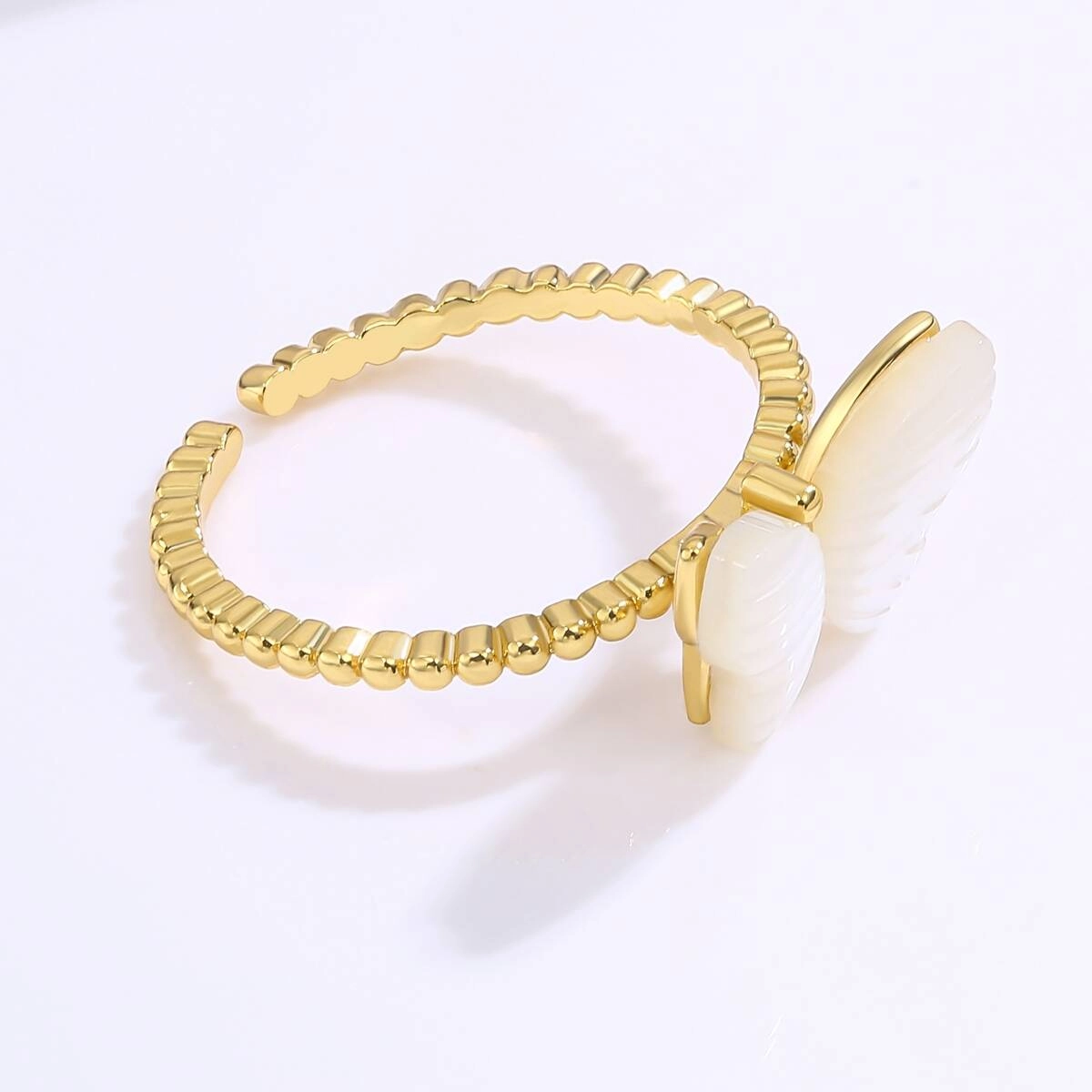
Adjustable Gold Plated Butterfly Ring for Women — Wholesale Fashion Jewelry by Zhefan
Product Categories
You may also like
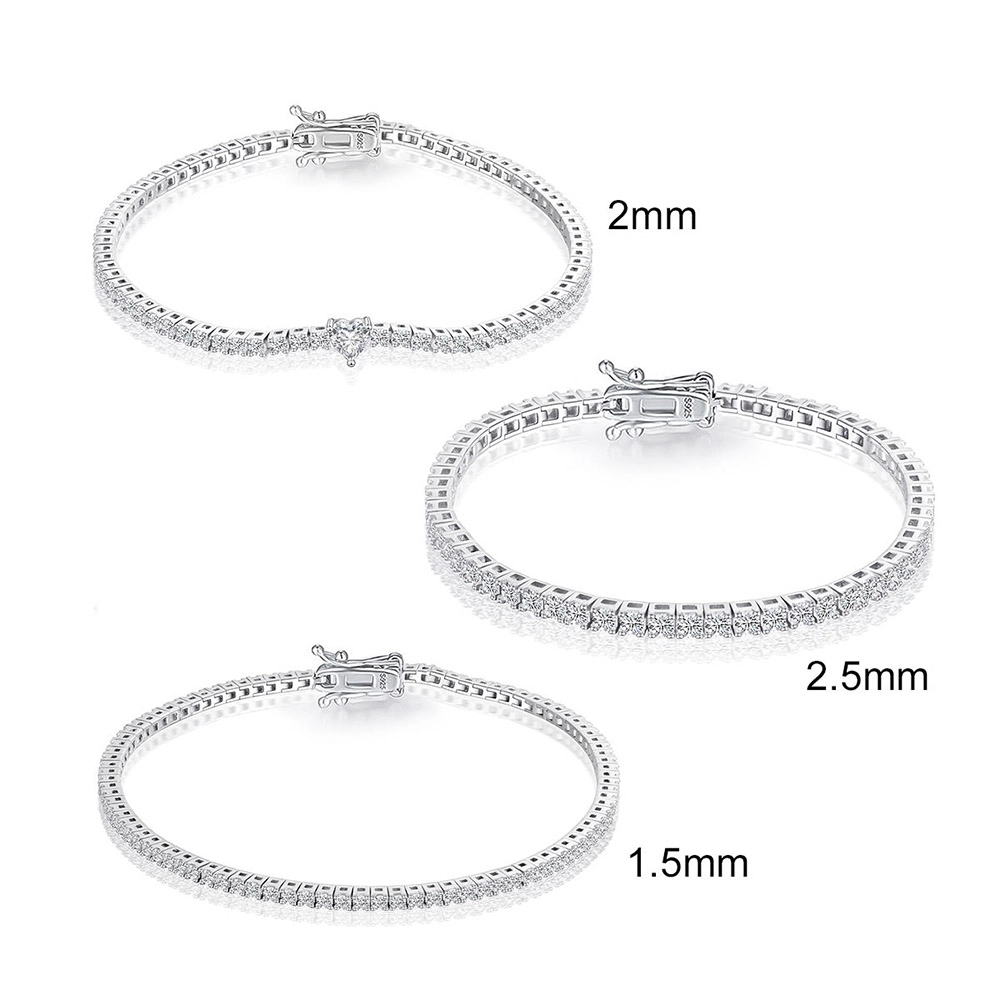
925 Silver Jewelry
Customizable High-Quality Fashion 925 Sterling Silver AAA Cubic Zirconia Heart-Shaped Open Tennis Bracelet.
Read More
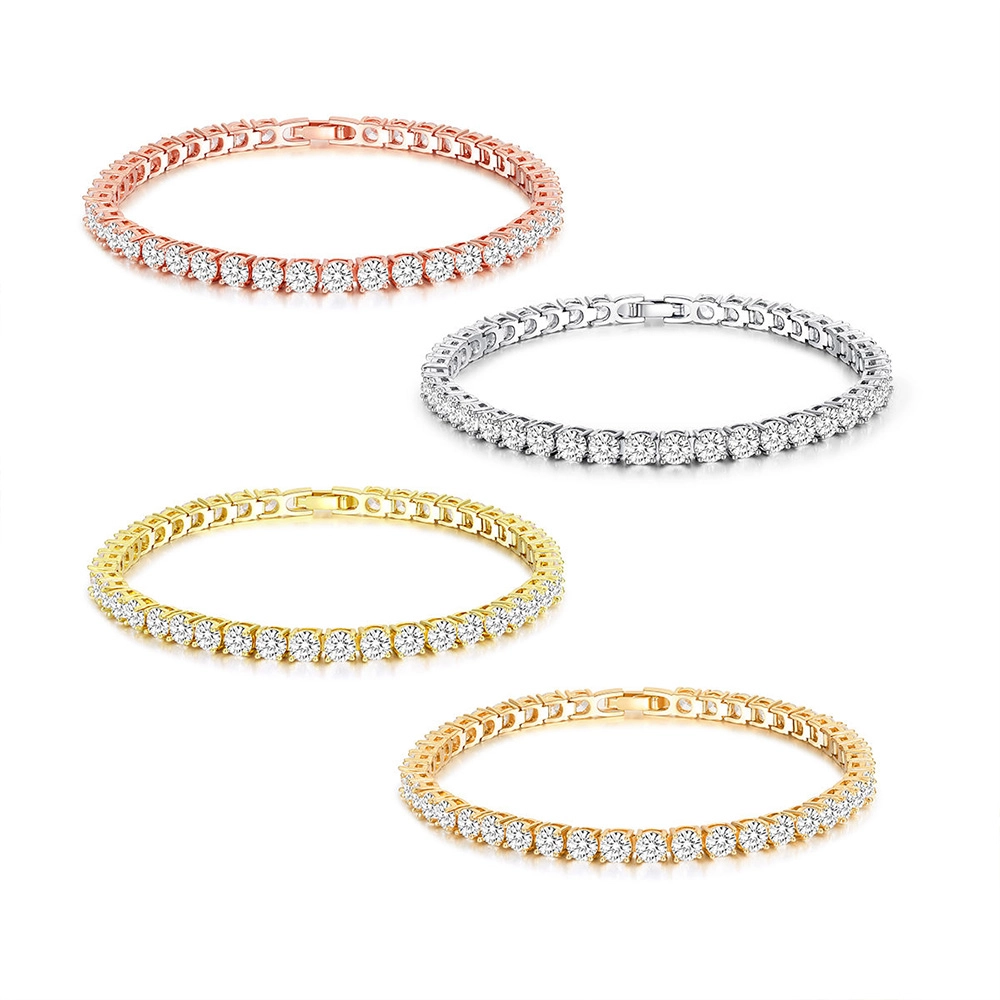
Brass Jewelry
Customizable OEM ODM High-Quality Fashion Brass AAA Cubic Zirconia Classic Tennis Bracelet for Women Wholesale.
Read More
Get a Quote for Private Label Jewelry
We provide personalized jewelry customization services for clients worldwide.
Rest assured that your privacy is important to us, and all information provided will be handled with the utmost confidentiality.
By clicking 'Send Inquiry Now' I agree to ZHEFAN JEWELRY processing my personal data.
To see how to withdraw your consent, how to control your personal data and how we process it, please see our Privacy Policy and Terms of use.
From design to production, ZHEFAN JEWELRY offers a one-stop solution to help you enhance your brand value and market competitiveness.
Get A Quote
Contact
Tel: (+86) 188 1927 7817
© 2026 Zhefan Jewelry. All Rights Reserved.
Facebook
Instagram
YouTube
Whatsapp: +8618819277817