




Email: sales3@zhefanjewelry.com
Custom vs. Private-Label Jewelry Manufacturers: Which Model Fits a Small Business?
Custom and private-label jewelry production serve different business needs. Private label generally offers a faster route using a manufacturer’s existing designs, while custom manufacturing gives a brand more control over design, materials, and differentiation. The right choice depends on budget, order size, launch timeline, quality requirements, and how distinct the collection needs to be. This guide compares the models, explains procurement checks, and outlines how to assess jewelry manufacturers for small businesses.
- Choosing a Jewelry Production Model for a Growing Brand
- How private-label production works
- What changes with custom manufacturing
- Compare Costs, Timelines, and Operational Risk
- Look beyond the quoted unit price
- Use a realistic launch plan
- Set Quality, Compliance, and Supplier Controls
- Specify materials and workmanship before ordering
- Check claims, consumer requirements, and sourcing
- Match the Supplier to the Collection and Growth Plan
- Choose based on the job each collection must do
- Build a sourcing strategy that can evolve
- Frequently Asked Questions
For a small jewelry brand, the choice between custom and private-label production comes down to the balance between speed, investment, and product differentiation. Private-label manufacturing typically adapts existing designs with a brand’s chosen finishes, materials, or packaging; custom manufacturing develops pieces to a new specification and may involve original design, sampling, tooling, and additional production decisions. Neither model guarantees a particular minimum order quantity, cost, or lead time: those depend on the supplier, product complexity, materials, and order scope. Buyers should compare total landed cost, sample quality, intellectual-property terms, production controls, and their ability to forecast demand before selecting a manufacturing partner.
Choosing a Jewelry Production Model for a Growing Brand
How private-label production works
Private-label jewelry starts with designs or components that a manufacturer already offers. A buyer may select a style and request permitted variations such as plating color, stone choice, engraving, branded tags, or packaging. The manufacturer’s existing patterns, sourcing routes, and production methods can reduce development work, making this model useful for testing a new category or launching a focused collection without building every design from scratch.
“Private label” does not mean every supplier offers the same level of exclusivity. A style may be available to multiple buyers unless the agreement provides otherwise. Before placing an order, ask which elements can be customized, whether the selected design is sold to other brands, who owns any new artwork or modifications, and whether the supplier can reserve a design for a defined market or period. Obtain those terms in writing rather than relying on a verbal assurance.
What changes with custom manufacturing
Custom production begins with a buyer’s concept, technical drawing, reference sample, or design brief. Depending on the piece, development can include CAD modeling, prototype or wax review, stone setting plans, material confirmation, and one or more sample revisions. This route gives a brand more influence over dimensions, construction, finish, and visual identity, but each approval stage can add cost and calendar time.
Custom does not automatically mean that every production detail is exclusive or that the buyer owns all manufacturing files. Contracts should identify ownership and permitted reuse of sketches, CAD files, molds, and tooling; define what counts as an approved design; and set out how changes are handled. For a small company, clear design documentation is especially important when future production may move to another factory.
Compare Costs, Timelines, and Operational Risk
Look beyond the quoted unit price
A supplier quotation is only one part of the investment. Buyers should compare sampling charges, design or engineering fees, tooling, material surcharges, packaging, inspection, freight, duties, and the cost of rejected or reworked goods. Ask whether the quote covers the exact material grade, dimensions, finish, stone specification, and packaging shown in the approved sample. If these details are unspecified, two quotes may not be comparable even when their unit prices appear similar.
Private-label items may require less design development, but they are not necessarily inexpensive: precious metals, labor-intensive settings, low-volume purchasing, and branded packaging can all affect cost. Custom designs may carry development expenses, yet a stable design with repeat orders can make the initial work worthwhile. Request a cost breakdown and a quote at more than one order quantity where possible. This shows how pricing changes as volume increases without assuming that a small first order will receive the same terms as a larger reorder.
Use a realistic launch plan
Private-label production can be a practical route when a business has a narrow launch window and needs to assess customer response before investing in original tooling. Custom development may suit a brand whose product story depends on a distinctive silhouette, a specific fit, or a design that is not available in a supplier’s catalog. In either case, the launch schedule should include time for sample review, revisions, written approval, production, inspection, shipping, and a contingency for delays.
Ask each prospective supplier for a stage-by-stage schedule rather than a single estimated delivery date. Clarify when the production clock begins, what happens if a sample is not approved, and whether material procurement starts before final sign-off. Small brands can reduce inventory exposure by validating demand with a limited assortment, but they should confirm whether the supplier can reproduce the approved specifications for replenishment.
| Decision factor | Private-label model | Custom model |
|---|---|---|
| Starting point | Existing manufacturer designs or components | Buyer brief, original concept, or specified design |
| Design control | Usually limited to the variations the supplier allows | Greater input into form, dimensions, and construction, subject to feasibility |
| Development work | Often less design development; samples and approvals still matter | May involve design translation, prototypes, tooling, and revisions |
| Market distinction | Depends on permitted customization and exclusivity terms | Can support a more distinctive product, but exclusivity must be contractually defined |
| Commercial risk | Potentially lower development commitment, with competition from similar styles as a consideration | More development decisions and potential upfront expense, with greater product-specific control |
| Best planning question | Can this assortment test demand within the available budget and launch window? | Can expected demand justify the design, sampling, and production investment? |
The table describes common model differences, not guaranteed supplier terms. Minimum order quantities, sampling fees, lead times, and exclusivity are negotiated and can vary by product and factory. Buyers should evaluate each written quotation and contract against the same product specification.
Set Quality, Compliance, and Supplier Controls
Specify materials and workmanship before ordering
Product descriptions should identify the base metal, alloy or fineness where applicable, plating or surface treatment, dimensions, stone type, setting method, clasp or earring component, and acceptable finish. For example, a request for brass jewelry should not stop at the word “brass” if the exact alloy, surface finish, or component composition matters to product performance. For sterling silver jewelry, gold vermeil jewelry, or pearl jewelry, buyers should define the applicable material and construction details and agree how those details will be verified.
Approve a production sample against a written specification, retain a reference sample where practical, and identify measurable acceptance criteria for dimensions, color, finish, stones, and function. A supplier’s quality process should explain how incoming materials, in-process work, and finished goods are checked, how defects are documented, and how corrective action is managed. An ISO overview of quality management systems can help buyers understand the purpose of a structured quality system; certification alone, however, does not prove that a particular jewelry item meets the buyer’s requirements.
Check claims, consumer requirements, and sourcing
Precious-metal descriptions and marketing claims need careful review. The U.S. Federal Trade Commission’s Guides for the Jewelry, Precious Metals, and Pewter Industries explain how claims about precious-metal content and related product descriptions should be substantiated in the U.S. market. Businesses selling internationally should identify the rules for each destination rather than assume one country’s labeling approach applies everywhere.
Product category and intended customer also affect compliance planning. For products designed or marketed for children in the United States, review applicable requirements and testing obligations with a qualified compliance professional; the U.S. Consumer Product Safety Commission’s lead guidance describes relevant lead restrictions for consumer products, including children’s products. If responsible sourcing is part of a brand’s commitments, ask suppliers what evidence they can provide and how they manage relevant supply-chain risks. The Responsible Jewellery Council Code of Practices is one industry reference for business practices across the jewelry supply chain; buyers should verify the scope and current status of any claimed certification directly.
Match the Supplier to the Collection and Growth Plan
Choose based on the job each collection must do
A private-label assortment can help a small business explore a new customer segment, build a coordinated range, or add replenishable styles while preserving cash for marketing and operations. It is particularly useful when the product concept is commercially familiar and brand differentiation can come from curation, styling, packaging, service, or a focused audience. The key procurement task is to verify which variations are available and whether the supplier can maintain them consistently.
Custom development is a stronger fit when a product’s shape, proportions, function, or signature detail is central to the brand proposition. It can also be appropriate when an existing design cannot meet a specific fit or technical requirement. Before authorizing development, confirm the target retail price, acceptable landed cost, intended order volume, and design approval process. A distinctive piece that cannot be produced within the business’s commercial constraints is not a viable product plan.
Build a sourcing strategy that can evolve
Some small businesses use both models: private-label pieces provide a faster foundation, while a smaller number of custom styles establish a recognizable point of view. This mixed approach can spread development risk, but it requires consistent product data and quality standards across suppliers. Maintain approved specifications, sample records, purchase orders, inspection findings, and packaging requirements so that decisions remain traceable as the assortment expands.
When reviewing potential jewelry manufacturing partners, ask for product-specific examples, sample terms, material documentation, production capacity, change-control procedures, quality records, and references where available. Discuss communication cadence and escalation contacts before a deadline is at risk. A useful supplier is not merely one that can make a sample; it is one that can explain how an approved design will be repeated, how exceptions will be reported, and what remedies apply when goods do not match the agreed specification.
Our listed product scope includes brass jewelry, 925 silver jewelry, sterling silver jewelry, gold vermeil jewelry, and pearl jewelry. Buyers considering these categories should confirm the precise materials, finishes, construction options, sample process, order requirements, and quality checks available for each design rather than assuming that one specification applies across the range. This product scope can support conversations about whether an existing style is suitable for a private-label launch or whether a custom brief is needed to meet a collection’s design and commercial goals.
To discuss product options and assess whether a private-label or custom approach suits your collection, contact our team or explore our jewelry range.
Frequently Asked Questions
What is the main difference between custom and private-label jewelry manufacturing?
Private-label production starts with existing manufacturer designs or components that may allow selected variations. Custom manufacturing develops a product from a buyer’s brief, concept, or specified design and can provide more input into form, dimensions, and construction.
Is private-label jewelry always cheaper than custom jewelry?
No. Private-label production may require less design development, but unit cost still depends on materials, labor, order size, packaging, and other factors. Custom work may involve development or tooling expenses, so buyers should compare total costs using the same product specification.
Does private-label jewelry come with exclusive designs?
Not necessarily. A style may be available to multiple buyers unless exclusivity is agreed. Buyers should confirm in writing which design elements can be customized, who owns modifications, and whether the supplier will reserve a design for a defined market or period.
What should a small business include in a jewelry manufacturing specification?
The specification should identify relevant materials, alloy or fineness where applicable, plating or surface treatment, dimensions, stones, setting method, components, finish, and acceptance criteria. Buyers should approve a production sample against the written requirements.
What compliance checks should a jewelry brand make before ordering?
Requirements depend on the product and destination market. Buyers should review applicable rules for material and precious-metal claims, labeling, and intended users. For products designed or marketed for children in the United States, they should review relevant CPSC requirements and consult a qualified compliance professional.
Can a small jewelry business use both custom and private-label production?
Yes. A business can use private-label styles as a faster assortment foundation and develop selected custom pieces for greater distinction. It should maintain consistent product specifications, sample records, quality requirements, and supplier controls across both models.
Tags
OEM Gold Vermeil Jewelry
OEM Gold Vermeil Jewelry
private label brass jewelry supplier
private label brass jewelry supplier
made to order 925 silver earrings
made to order 925 silver earrings
iso certified brass tennis bracelet manufacturer
iso certified brass tennis bracelet manufacturer
modern brass chunky hoop earrings
modern brass chunky hoop earrings
wholesale 925 sterling silver jewelry sets
wholesale 925 sterling silver jewelry sets
Recommended for you
How to Vet 925 Silver Ring Manufacturers and Suppliers
Pricing Breakdown of Custom Brass Necklaces for Buyers
Customizing options and costs for wholesale brass tennis bracelet
After-Sales Care Services for Buyers of Custom 925 Silver Rings
Product Categories
You may also like
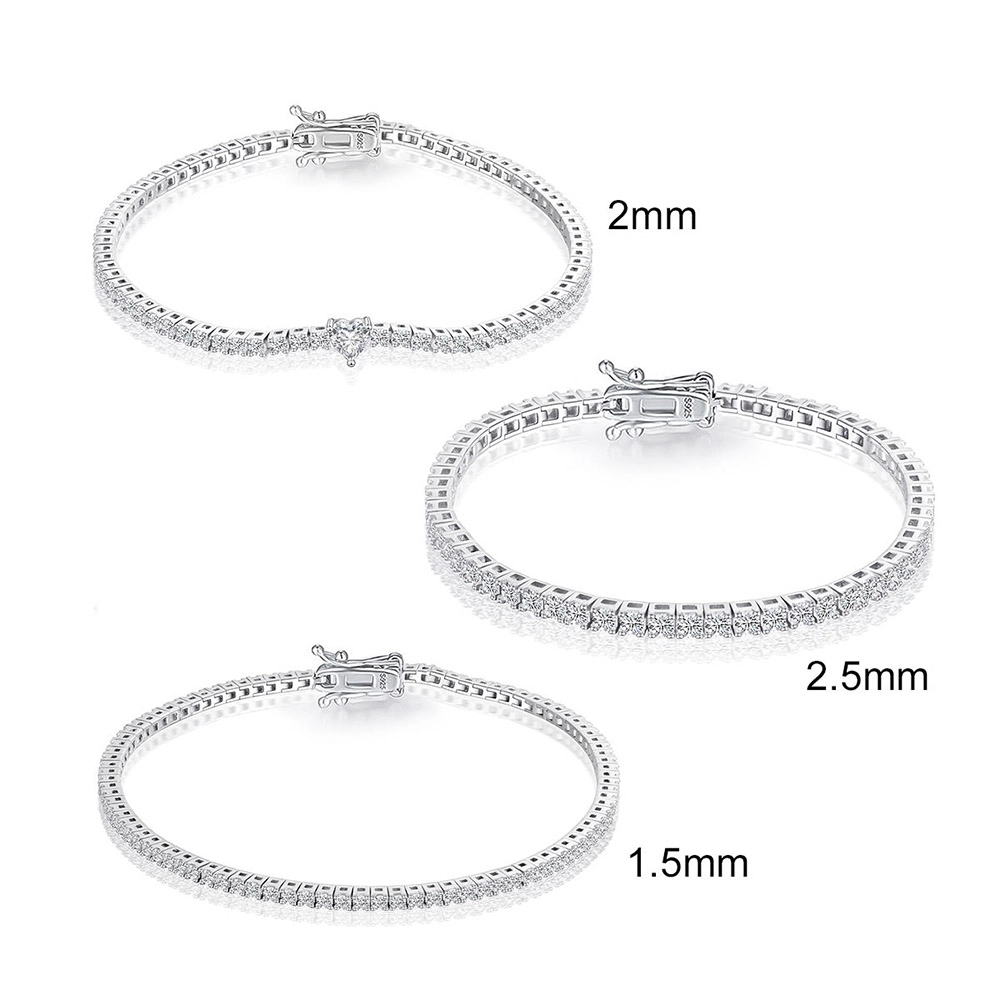
925 Silver Jewelry
Customizable High-Quality Fashion 925 Sterling Silver AAA Cubic Zirconia Heart-Shaped Open Tennis Bracelet.
Read More
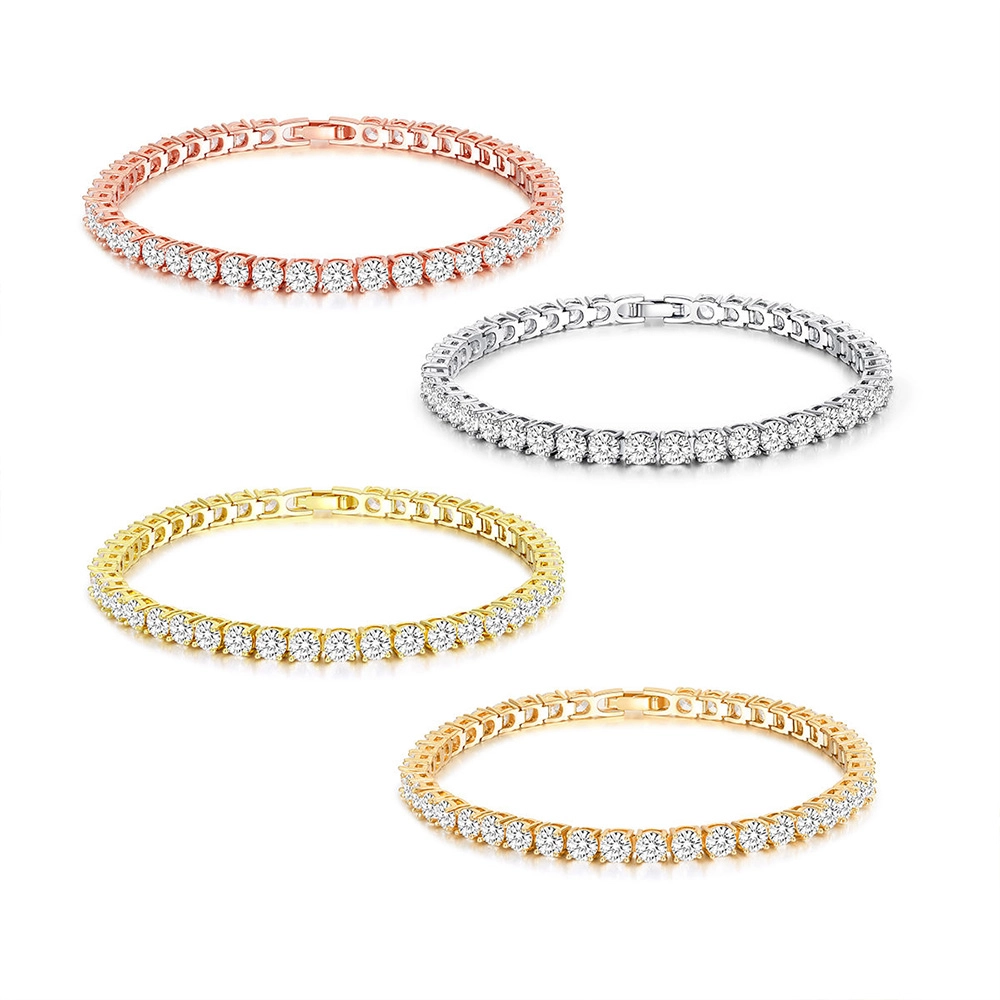
Brass Jewelry
Customizable OEM ODM High-Quality Fashion Brass AAA Cubic Zirconia Classic Tennis Bracelet for Women Wholesale.
Read More
Get a Quote for Private Label Jewelry
We provide personalized jewelry customization services for clients worldwide.
Rest assured that your privacy is important to us, and all information provided will be handled with the utmost confidentiality.
By clicking 'Send Inquiry Now' I agree to ZHEFAN JEWELRY processing my personal data.
To see how to withdraw your consent, how to control your personal data and how we process it, please see our Privacy Policy and Terms of use.
From design to production, ZHEFAN JEWELRY offers a one-stop solution to help you enhance your brand value and market competitiveness.
Get A Quote
Contact
Tel: (+86) 188 1927 7817
© 2026 Zhefan Jewelry. All Rights Reserved.
Facebook
Instagram
YouTube
Whatsapp: +8618819277817