







Email: sales3@zhefanjewelry.com
Bulk Pearl Jewelry Orders: Lead Times, Production Capacity, and Delivery Planning
A practical guide to planning bulk pearl jewelry orders, including supplier lead times, production capacity, approval milestones, quality checks, shipping buffers, and delivery risk management.
- Planning a Wholesale Pearl Jewelry Production Schedule
- Separate sourcing, development, and production time
- Translate order volume into usable capacity information
- Lead-Time Drivers, Milestones, and Delivery Risk
- Build a schedule around approval gates
- Set inspection criteria before production begins
- Coordinating Suppliers, Product Mix, and Shipment Release
- Connect the purchase order to logistics requirements
- Use phased releases when demand or capacity is uncertain
- Choosing a Production Partner for a Broader Jewelry Assortment
- Evaluate process evidence, not just quoted dates
- Coordinate pearl designs with related metal categories
- Frequently Asked Questions
Bulk pearl jewelry orders are most reliable when buyers coordinate material availability, design approval, production capacity, quality control, and shipping as one schedule rather than treating manufacturing lead time as a single promise. Actual timing depends on pearl type and grading, component sourcing, order quantity, customization, sample approval, factory workload, inspection requirements, and destination. A workable plan defines each milestone, confirms what capacity is reserved, sets decision deadlines, and includes contingency time for rework or transit disruption. The guidance below explains how brand owners, distributors, and retailers can evaluate a pearl jewelry manufacturer, build a realistic delivery calendar, and reduce avoidable delays.
Planning a Wholesale Pearl Jewelry Production Schedule
Separate sourcing, development, and production time
A quoted lead time is meaningful only when its start point and included activities are clear. One supplier may count from deposit receipt, while another may begin the clock after final sample approval, confirmed specifications, or receipt of buyer-supplied materials. Buyers should request a milestone schedule that distinguishes design development, material procurement, sampling, bulk production, inspection, packing, and dispatch. If the quotation combines these stages, ask which items are included and which can extend the date.
Pearl sourcing deserves particular attention because pearls vary in shape, size, color, luster, surface characteristics, and matching suitability. These factors influence whether a design can be assembled from available inventory or requires additional selection and matching. The Gemological Institute of America’s pearl quality factors describe characteristics used to assess pearls, including size, shape, color, luster, surface quality, and matching. Buyers can use those attributes to create measurable acceptance criteria instead of relying on broad descriptions such as “high quality.”
For a repeat style, confirm whether the supplier has compatible pearls and findings already reserved or whether the new purchase depends on fresh sourcing. For a new design, account for drawing review, sample production, fit checks, and written approval before bulk work begins. A change to pearl dimensions, metal color, clasp construction, or stringing method after approval may require new components or rework, so the schedule should identify a formal change-control point.
Translate order volume into usable capacity information
Production capacity is not simply a factory’s maximum monthly output. It is the amount of suitable capacity available for the specific product, quantity, materials, and delivery window in question. Hand-assembled necklaces, matched pearl sets, plated components, and simple stud earrings may use different workstations, skills, and quality checks. A supplier’s total output figure may therefore say little about whether a particular order can be completed on time.
Ask for capacity confirmation by style family or production stage. Useful questions include how many units can be completed per week, whether components are in stock, which process is the schedule constraint, and how the supplier will manage overlapping purchase orders. Request confirmation that the proposed slot is allocated to the order, rather than an indicative opening that could change after other orders are booked. For a large purchase, consider staged production or delivery lots if the supplier cannot support the full quantity in one run.
Buyers should also distinguish nominal capacity from effective capacity. Staffing, equipment availability, supplier delays, defect correction, holidays, and competing orders can reduce output against a theoretical maximum. A credible schedule identifies dependencies and gives the buyer visibility into the point at which a delay would affect the ship date. For new or complex styles, a production readiness review before bulk release can surface unresolved material, construction, packaging, and inspection questions.
Lead-Time Drivers, Milestones, and Delivery Risk
Build a schedule around approval gates
A practical purchase calendar uses dated decision gates, not only a final delivery date. Typical gates include specification confirmation, material confirmation, pre-production sample approval, bulk production authorization, inline inspection, final inspection, packing approval, and shipment release. Each gate should name the responsible party, required evidence, and response deadline. This helps avoid a common bottleneck: production is technically ready to proceed, but a buyer-side decision or missing artwork is still outstanding.
The table below is a qualitative planning tool, not a claim about universal factory performance. The relative exposure reflects how strongly each item can affect a shipment date when it is unresolved. Buyers should replace these assessments with supplier-specific dates, capacity commitments, and service-level terms.
| Schedule factor | Typical buyer action | Relative delivery exposure if unresolved |
|---|---|---|
| Pearl availability and matching | Confirm type, grade criteria, size range, color, matching tolerance, and reserved quantity | High for designs requiring closely matched strands or sets |
| Design and sample approval | Freeze drawings, dimensions, finish, findings, and packaging before bulk authorization | High when revisions remain open |
| Order allocation and labor capacity | Obtain written confirmation of the production slot and planned output cadence | High when capacity is shared across multiple orders |
| Inspection and corrective action | Agree on acceptance criteria, inspection timing, and defect disposition | Medium to high, depending on defect rate and rework needs |
| Freight, customs, and receiving | Confirm shipping mode, documents, destination rules, and receiving window | Medium to high when delivery dates are fixed |
Set inspection criteria before production begins
Quality expectations should be documented in a product specification and purchase order. For pearl pieces, relevant checks may include dimensions, visible surface characteristics, color consistency, matching, drilling, stringing or setting security, clasp operation, metal finish, and overall workmanship. Buyers should define tolerances and identify which characteristics are critical, major, or minor for the intended market. Photographs alone can support communication but do not replace agreed measurement methods or physical sample approval where appearance and hand feel matter.
For lot-based inspection, the parties can agree on a sampling plan and acceptance rules appropriate to the product and commercial risk. ISO 2859-1 describes sampling procedures for inspection by attributes, indexed by acceptance quality limit (AQL), for lot-by-lot inspection. Referring to a standard does not by itself establish the correct inspection level or acceptable defect limits; those details must be agreed by buyer and supplier. Schedule inspection early enough to allow corrective work before the planned dispatch date.
Material descriptions and product claims also need careful alignment. Terms associated with precious metals, plating, and jewelry descriptions can carry regulatory implications in target markets. The U.S. Federal Trade Commission Jewelry Guides explain guidance for jewelry marketing claims in the United States. Buyers selling across borders should verify labeling, product description, and import requirements for each destination rather than assuming one market’s rules apply everywhere.
Coordinating Suppliers, Product Mix, and Shipment Release
Connect the purchase order to logistics requirements
Production completion and customer delivery are different milestones. The delivery plan should account for final inspection, packing, export documentation, carrier pickup, transit, customs clearance, and receiving appointments. Buyers should specify the delivery address, consignee details, carton and labeling requirements, required commercial documents, and any retailer compliance rules before packing begins. A missed carton mark or incomplete shipping document can delay receiving even when the jewelry itself is finished on time.
Agree in writing on the shipping term, named place, party responsible for export and import formalities, and transfer of risk. The International Chamber of Commerce Incoterms® rules provide standardized trade terms that allocate certain responsibilities between sellers and buyers; the chosen rule and named place should be stated precisely in the sales contract. Incoterms do not replace the need to agree on payment, product acceptance, insurance details, or a delivery date.
For a seasonal launch or retail promotion, work backward from the date inventory must be available for sale. Add time for inspection, shipping, customs processing, and warehouse intake, then set an earlier supplier dispatch deadline. Build contingency around the risks that are actually present: uncertain material availability, a first production run, a remote destination, or a fixed retail launch date. A single generic buffer is less useful than a calendar showing which milestone has the least recovery time.
Use phased releases when demand or capacity is uncertain
Where commercial terms permit, a staged order can reduce exposure. A first lot can confirm workmanship and market response, while later lots follow against an agreed forecast and reserved material plan. This approach is useful when the assortment includes several designs, when pearl matching needs confirmation, or when the buyer wants to avoid receiving all inventory before sell-through data is available. It should be supported by clear rules on price, material reservation, minimum quantities, and the expiry date of any capacity commitment.
Phased delivery is not automatically faster or cheaper. It may add handling, packing, or freight costs and can create color or material variation between lots if components are sourced at different times. To manage this, specify whether all units must come from a single material lot, whether later production must match the approved sample, and how deviations will be reviewed. A delivery plan should compare the cost of split shipments with the commercial impact of a late or oversized arrival.
Choosing a Production Partner for a Broader Jewelry Assortment
Evaluate process evidence, not just quoted dates
A dependable sourcing decision combines schedule credibility with product controls. Buyers can request a sample against the final specification, a written production calendar, confirmation of material sources and availability, inspection records, and a named contact for schedule escalation. Quality management systems can support consistent processes, but a certificate alone does not prove that a particular item meets a buyer’s requirements. ISO 9001 sets out requirements for a quality management system; buyers should still assess product-specific controls, records, and corrective-action practices.
When reviewing proposals, compare like with like: same pearl type and quality criteria, metal specification, plating or finish, findings, packaging, inspection scope, shipping term, and delivery destination. A lower unit price may not represent a lower landed cost if it excludes testing, special packing, freight, duties, or the work needed to correct inconsistent output. A structured quotation comparison gives procurement teams a more dependable basis for evaluating total cost and schedule risk.
Coordinate pearl designs with related metal categories
Our product range includes pearl jewelry alongside Brass Jewelry, 925 silver jewelry, Sterling Silver Jewelry, and gold vermeil jewelry. For buyers building a coordinated collection, this range can support assortment planning across different metal and material directions while keeping the schedule discussion focused on each style’s actual requirements. Pearl-set brass pieces, sterling silver earrings, and gold vermeil pendants may share collection themes, but they can differ in component sourcing, finishing steps, and inspection criteria; each SKU should therefore retain its own approved specification and milestone plan.
Our recommended planning approach is to confirm the design brief and target delivery date first, then document pearl attributes, metal details, sample approvals, capacity assumptions, inspection standards, and shipment responsibilities. This gives buyers a clear basis for comparing offers and monitoring progress without relying on an unsupported promise of a universal lead time. For repeat programs, retain the approved sample, specification, inspection outcomes, and change history so that subsequent orders can be compared consistently and deviations can be addressed early.
Buyers should request a schedule that is specific to the order, with transparent assumptions and time for inspection and delivery. Contact us to discuss your assortment requirements or explore our pearl and metal jewelry products.
Frequently Asked Questions
What determines the lead time for a bulk pearl jewelry order?
Lead time depends on pearl type and grading, component availability, order quantity, customization, sample approval, production capacity, inspection requirements, and destination. Buyers should ask the supplier to separate sourcing, development, production, inspection, and shipping milestones.
How can buyers verify that a supplier has enough production capacity?
Ask for capacity confirmation by style family or production stage, including weekly output, component availability, the production slot allocated to the order, and how overlapping orders will be managed. A total monthly factory output figure may not reflect capacity for a specific pearl design.
What quality requirements should be specified for pearl jewelry?
Document measurable criteria such as pearl dimensions, surface characteristics, color consistency, matching, drilling, stringing or setting security, clasp operation, metal finish, and workmanship. Define tolerances and inspection rules before bulk production begins.
How should buyers plan delivery for a seasonal launch?
Work backward from the date inventory must be available for sale. Allow time for final inspection, packing, dispatch, transit, customs clearance, and warehouse intake, then establish an earlier supplier dispatch deadline and add contingency for the risks specific to the order.
Can a large pearl jewelry order be delivered in phases?
Yes, phased releases can help manage demand, confirm workmanship, and reduce the risk of receiving all inventory at once. The agreement should specify pricing, material reservation, minimum quantities, capacity commitments, and whether later lots must match the approved sample or material lot.
What should a jewelry purchase order say about shipping responsibilities?
It should identify the shipping term and named place, delivery address, consignee details, packing and labeling requirements, required documents, and responsibilities for export and import formalities. The chosen Incoterms® rule should be stated precisely, while other contract terms are agreed separately.
Tags
rose gold brass chunky hoop earrings
rose gold brass chunky hoop earrings
brass plated jewelry manufacturer
brass plated jewelry manufacturer
custom bracelet manufacturers
custom bracelet manufacturers
solid brass rings
solid brass rings
silver bracelet contract manufacturer
silver bracelet contract manufacturer
brass earring export agent china
brass earring export agent china
Recommended for you
Packaging Compliance for Exporting Mother of Pearl Earrings
Custom Design Services from brass jewelry wholesalers Explained

U-Shape Huggie Earrings 18K Gold — Wholesale Fashion Jewelry by Zhefan
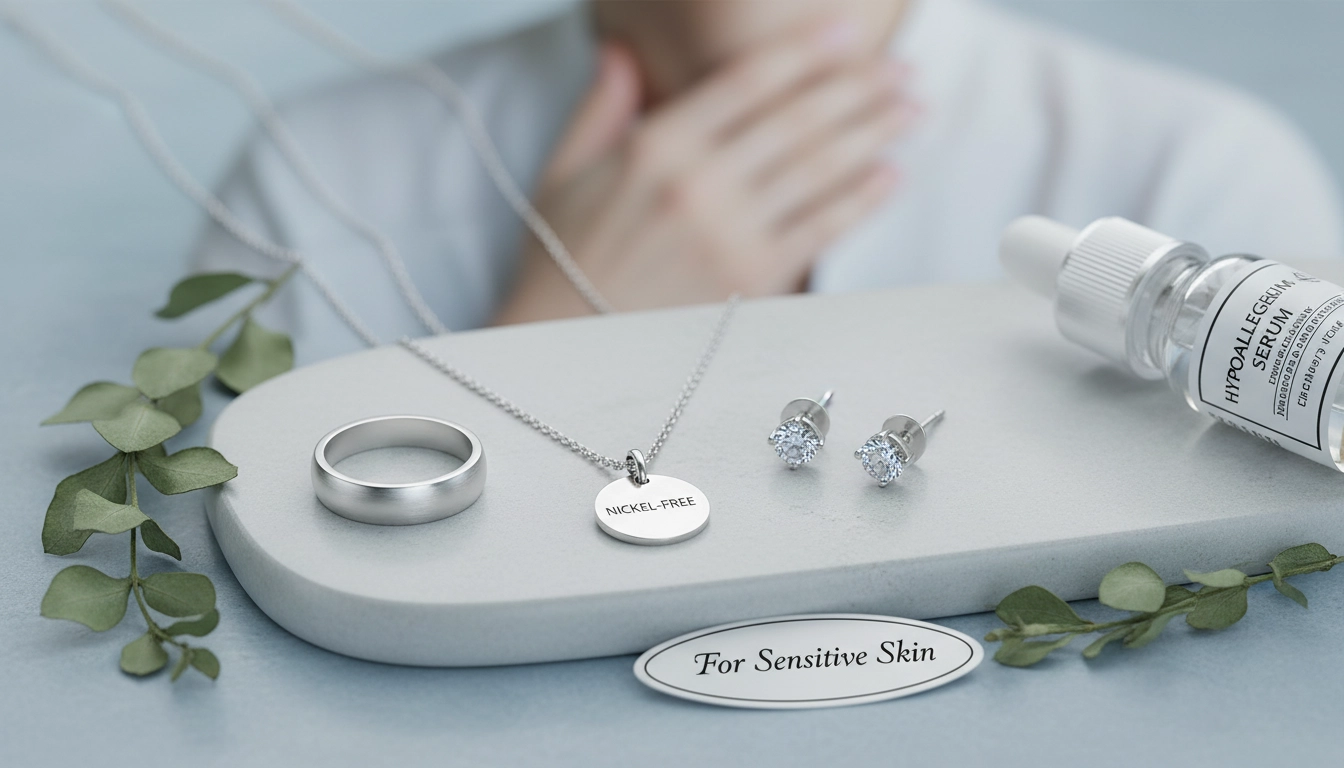
Stop the Itch: 7 Crucial Facts About Hypoallergenic Silver Jewelry for Sensitive Skin
Product Categories
You may also like
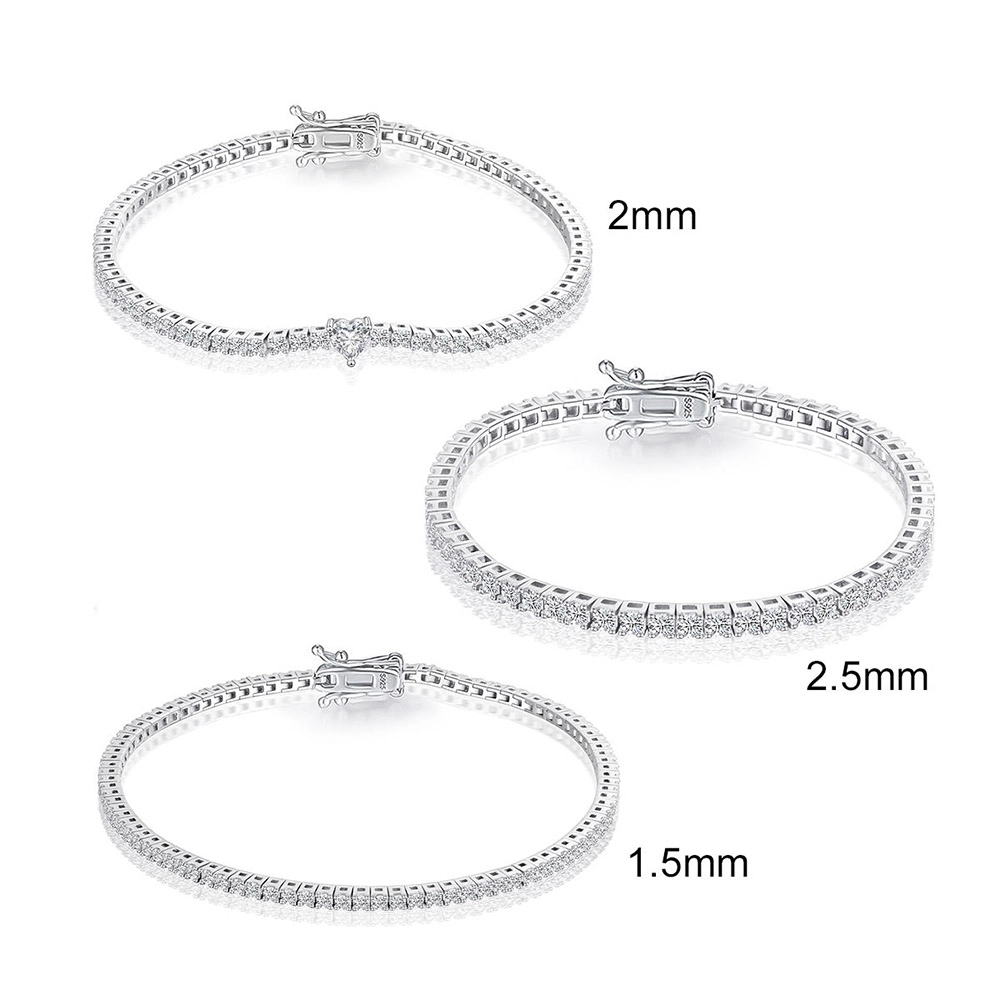
925 Silver Jewelry
Customizable High-Quality Fashion 925 Sterling Silver AAA Cubic Zirconia Heart-Shaped Open Tennis Bracelet.
Read More
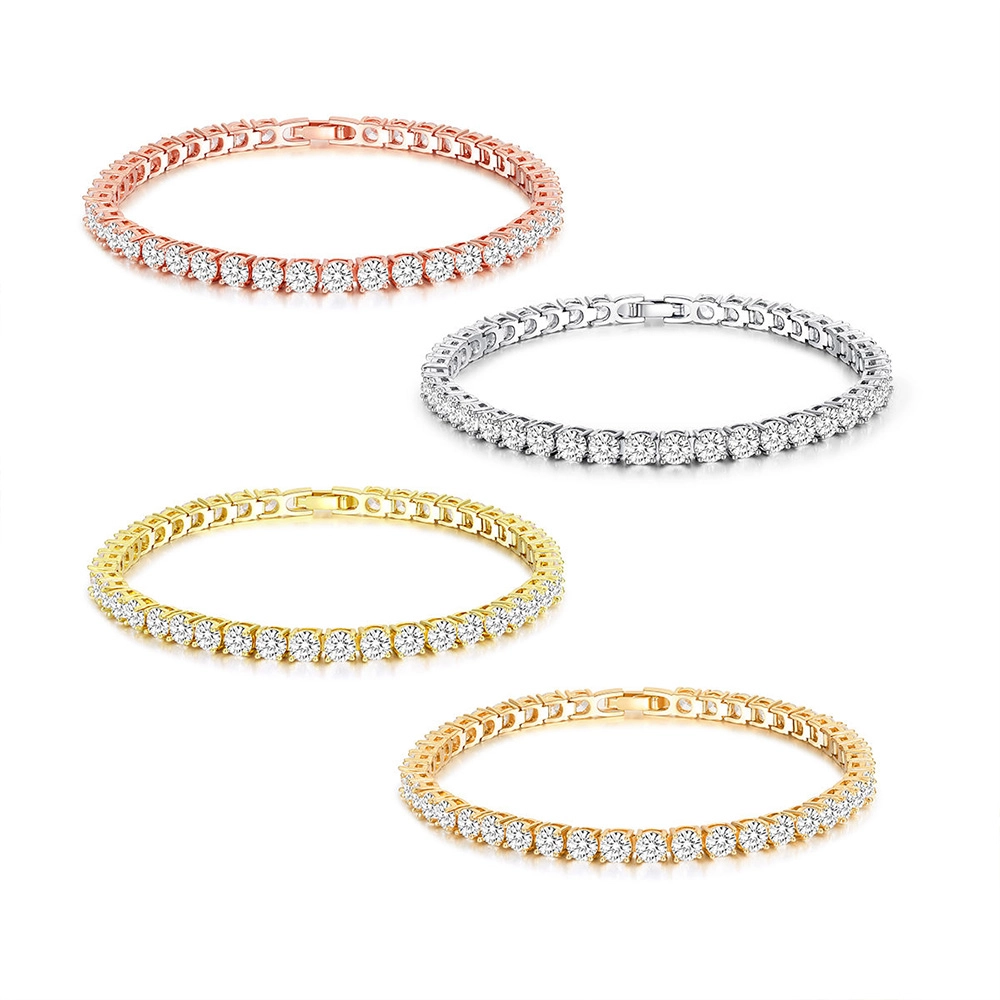
Brass Jewelry
Customizable OEM ODM High-Quality Fashion Brass AAA Cubic Zirconia Classic Tennis Bracelet for Women Wholesale.
Read More
Get a Quote for Private Label Jewelry
We provide personalized jewelry customization services for clients worldwide.
Rest assured that your privacy is important to us, and all information provided will be handled with the utmost confidentiality.
By clicking 'Send Inquiry Now' I agree to ZHEFAN JEWELRY processing my personal data.
To see how to withdraw your consent, how to control your personal data and how we process it, please see our Privacy Policy and Terms of use.
From design to production, ZHEFAN JEWELRY offers a one-stop solution to help you enhance your brand value and market competitiveness.
Get A Quote
Contact
Tel: (+86) 188 1927 7817
© 2026 Zhefan Jewelry. All Rights Reserved.
Facebook
Instagram
YouTube
Whatsapp: +8618819277817