






Email: sales3@zhefanjewelry.com
Unveiling the Brilliance: Understanding 925 Sterling Silver Composition in Fine Jewelry
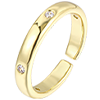
Dive deep into the world of fine jewelry by exploring the essential 925 sterling silver composition. This post explains what makes sterling silver a preferred material for beautiful pieces like the adjustable, gold-plated ring with dazzling stones shown, highlighting its durability, versatility, and the quality it brings to exquisite designs. Learn about its properties, how it's used as a base for stunning finishes, and why understanding its makeup is crucial for informed purchasing decisions in the jewelry market.
The Foundation of Elegance: Why Composition Matters
In the realm of fine jewelry, the materials used are just as important as the design itself. A piece's longevity, luster, and overall value are intrinsically linked to its metal composition. When we admire a beautifully crafted item, such as the elegant, adjustable ring featuring a radiant gold-toned finish and sparkling clear stones, it's the underlying metal's integrity that ensures its lasting appeal. Understanding the foundational 925 sterling silver composition is key to appreciating the quality and craftsmanship of such pieces.
What Defines 925 Sterling Silver Composition?
The term "925 sterling silver" is a hallmark of quality and precise formulation. It signifies that the metal alloy contains 92.5% pure silver and 7.5% other metals, most commonly copper. This specific blend is crucial because pure silver, while beautiful, is too soft for everyday wear in jewelry. The addition of other metals, particularly copper, provides the necessary strength, durability, and resistance to scratching, making it an ideal choice for pieces intended to be cherished for years. This composition strikes the perfect balance between silver's inherent beauty and practical resilience.
The Versatility of Sterling Silver in Modern Designs
While the ring in question presents a luxurious gold-plated appearance with embedded clear cubic zirconia (or similar synthetic stones), 925 sterling silver frequently serves as an excellent base metal for such finishes. This allows jewelers to offer diverse aesthetics, from classic silver tones to the warm glow of gold, without compromising on the quality of the core material. The adjustable nature of this particular ring design further enhances its appeal, offering comfort and flexibility for various wearers. For those looking for durable and stylish jewelry, whether for personal collection or wholesale opportunities, understanding this versatile application of sterling silver is paramount.
Ensuring Quality and Longevity in Your Jewelry Choices
Choosing jewelry with a known and reliable composition, like 925 sterling silver, assures buyers of a certain standard. Even when electroplated with other precious metals, a sterling silver base guarantees a substantial feel and a robust foundation that is less prone to warping or breaking compared to lesser-quality alloys. This makes it an intelligent choice for discerning consumers and businesses seeking to provide premium products. When considering new additions to your collection or exploring solutions for your commercial jewelry needs, always inquire about the underlying metal composition to make an informed decision that prioritizes lasting quality.
FAQ
What is 925 sterling silver composition?
925 sterling silver composition refers to an alloy that is 92.5% pure silver and 7.5% other metals, typically copper. This specific ratio is used to give pure silver, which is naturally very soft, the necessary strength and durability to be suitable for jewelry and other functional items, without significantly diminishing its precious metal content.
Why is copper added to pure silver to make sterling silver?
Copper is primarily added to pure silver to enhance its hardness, strength, and resistance to scratches and deformation. Pure silver is too malleable for practical jewelry making, and copper's inclusion creates a more robust alloy that can withstand daily wear while maintaining silver's characteristic luster and workability for intricate designs.
Can 925 sterling silver be gold-plated, like the ring shown?
Yes, 925 sterling silver is a very common and excellent base metal for gold plating. Jewelers frequently plate sterling silver with a layer of gold to achieve a gold aesthetic, as seen in the image, while utilizing the structural integrity and relative affordability of sterling silver as the core material. This allows for a wider range of design options and price points.
Does sterling silver tarnish, and how can I prevent it?
Yes, sterling silver can tarnish over time when exposed to air, moisture, and certain chemicals due to the copper content reacting. To prevent tarnishing, store sterling silver jewelry in airtight bags or boxes, away from humidity. Regular cleaning with a soft cloth and specific silver cleaning solutions can also help maintain its shine. Gold-plated sterling silver typically protects the sterling silver beneath from direct tarnishing, but the plating itself can wear over time.
Is 925 sterling silver a good choice for adjustable jewelry like the ring pictured?
Absolutely. The strength and ductility of 925 sterling silver make it an excellent choice for adjustable jewelry. It can be manipulated during manufacturing to create designs that allow for slight size adjustments without easily breaking or losing its shape, provided the adjustments are made carefully. This ensures both comfort and durability for the wearer.
Tags
eco friendly bracelet manufacturers
eco friendly bracelet manufacturers
private label bracelet manufacturers
private label bracelet manufacturers
private label brass earring supplier
private label brass earring supplier
cubic zirconia brass necklaces wholesale
cubic zirconia brass necklaces wholesale
custom brass bracelet
custom brass bracelet
925 Silver Butterfly Bracelet
925 Silver Butterfly Bracelet
Recommended for you
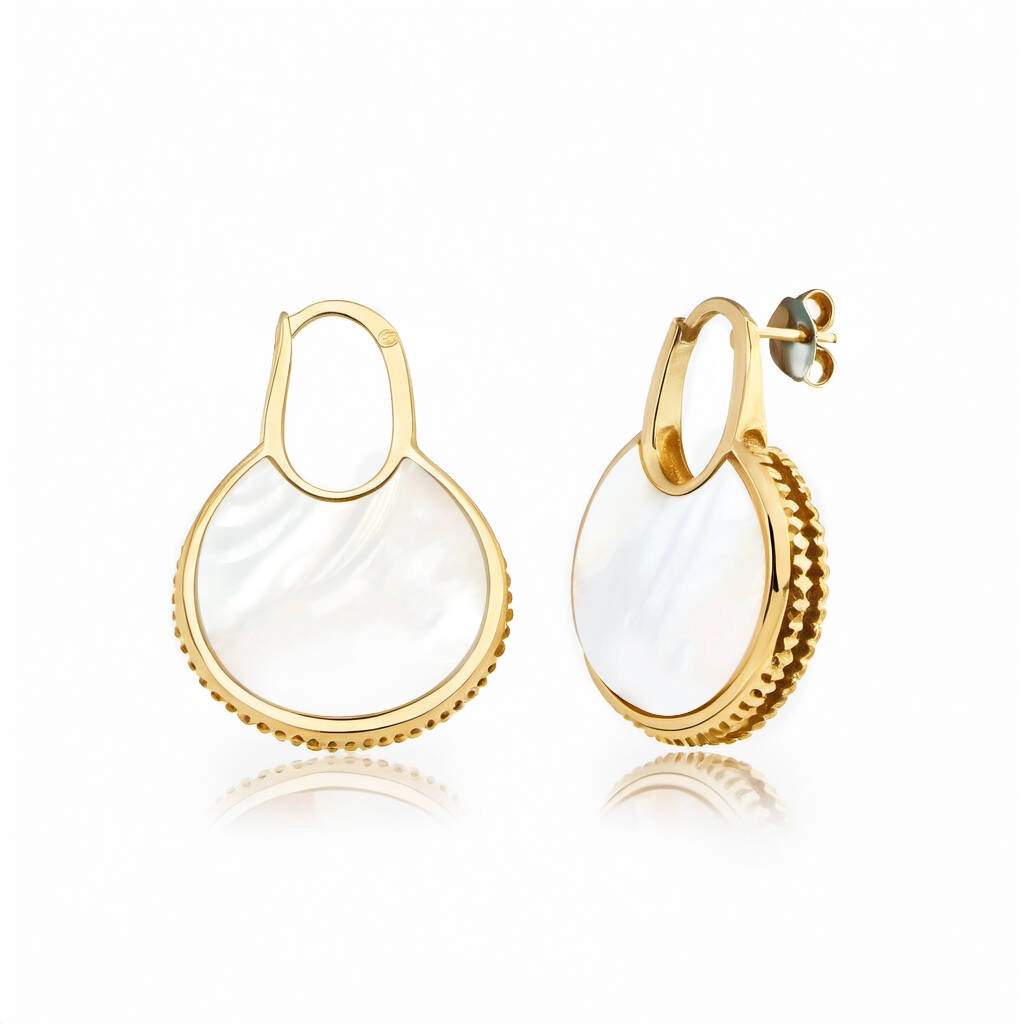
Customized Brass Mother of Pearl Huggie Earrings - Zhefan Jewelry
Labelling and Compliance for Exporting 925 Silver Bracelets
Popular Finishes for 925 Silver Bracelets and Market Demand
Quality Control Checklist for 925 Sterling Silver Bracelets
Product Categories
You may also like
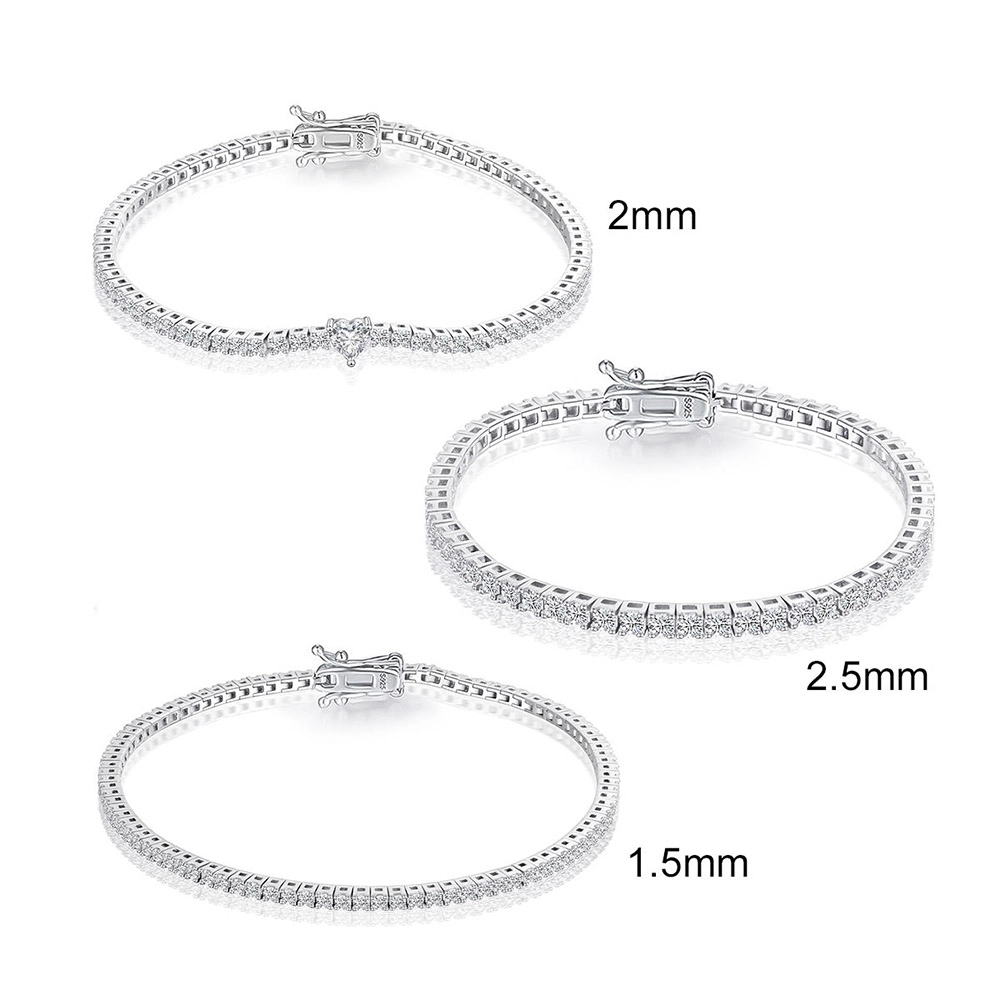
925 Silver Jewelry
Customizable High-Quality Fashion 925 Sterling Silver AAA Cubic Zirconia Heart-Shaped Open Tennis Bracelet.
Read More
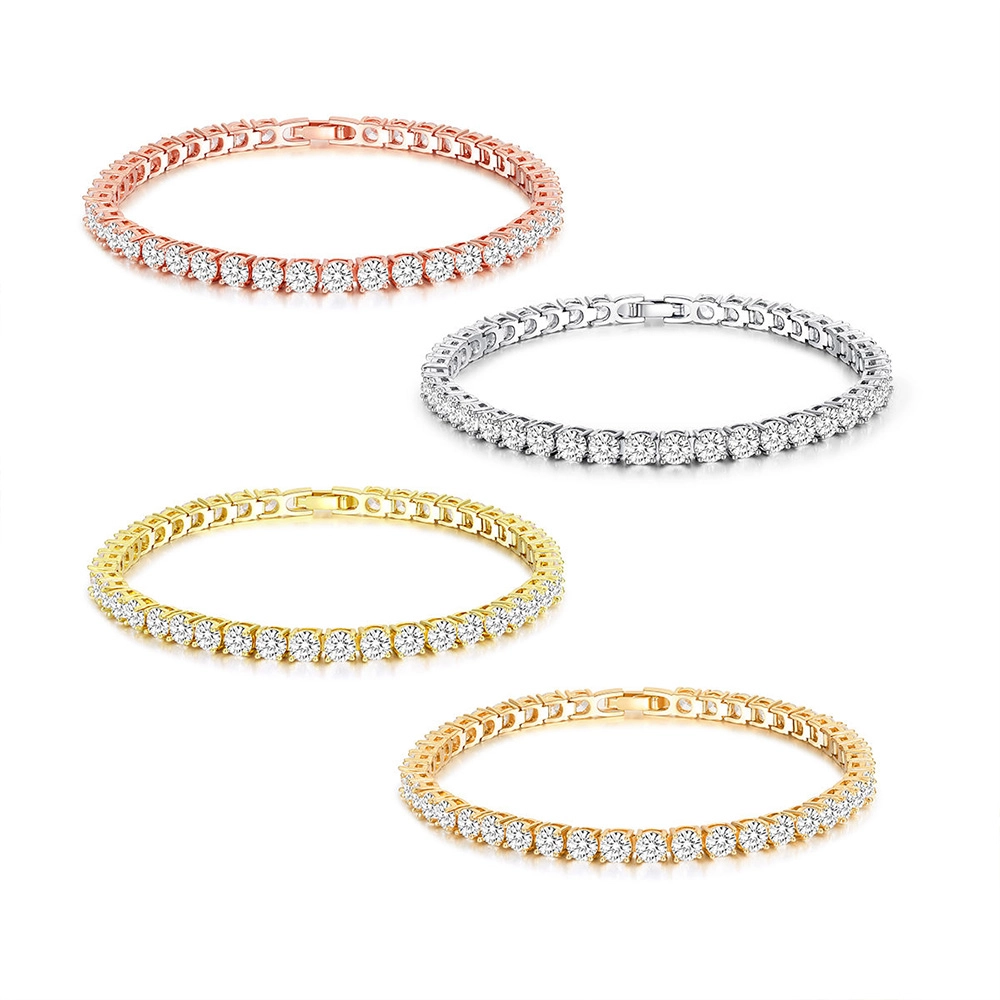
Brass Jewelry
Customizable OEM ODM High-Quality Fashion Brass AAA Cubic Zirconia Classic Tennis Bracelet for Women Wholesale.
Read More
Get a Quote for Private Label Jewelry
We provide personalized jewelry customization services for clients worldwide.
Rest assured that your privacy is important to us, and all information provided will be handled with the utmost confidentiality.
By clicking 'Send Inquiry Now' I agree to ZHEFAN JEWELRY processing my personal data.
To see how to withdraw your consent, how to control your personal data and how we process it, please see our Privacy Policy and Terms of use.
From design to production, ZHEFAN JEWELRY offers a one-stop solution to help you enhance your brand value and market competitiveness.
Get A Quote
Contact
Tel: (+86) 188 1927 7817
© 2026 Zhefan Jewelry. All Rights Reserved.
Facebook
Instagram
YouTube
Whatsapp: +8618819277817